Indulgences: From Spiritual Remedy to Renaissance Scandal
“When the coin in the coffer rings, the soul from purgatory springs.”
—attributed to Johann Tetzel
No aspect of Renaissance Catholicism has become more infamous than the sale of indulgences.
To many modern people, indulgences seem absurd—a medieval version of paying money to erase sins. Protestants often portray them as evidence of wholesale corruption, while Catholics frequently argue they have been misunderstood.
The truth lies somewhere between these extremes.
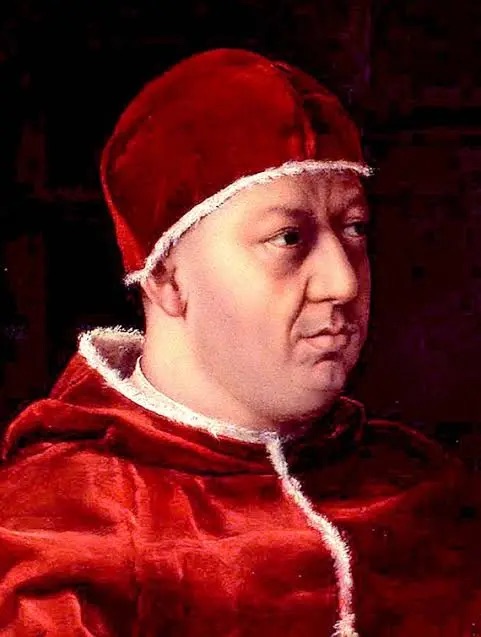
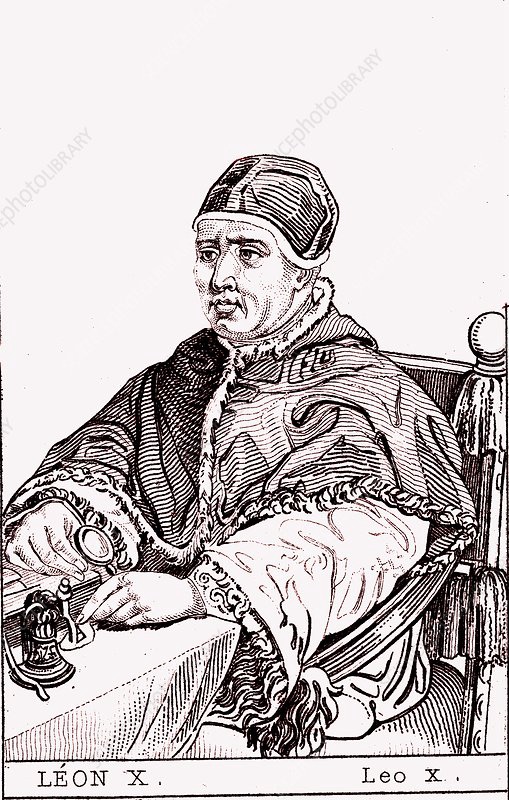
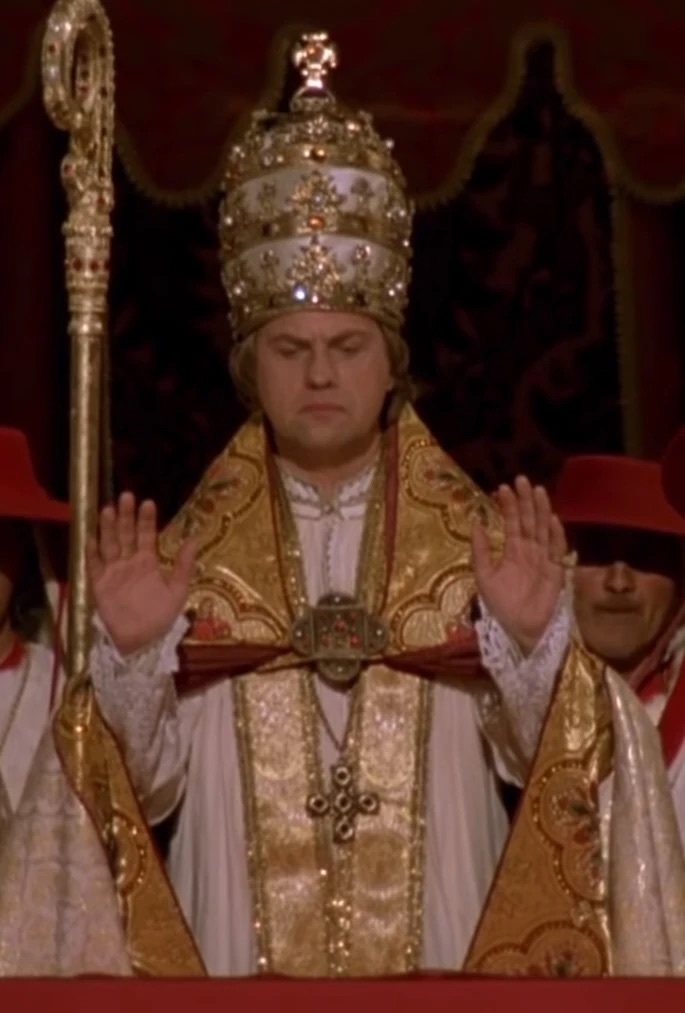
Indulgences did not begin as financial transactions. They emerged from centuries of Christian theology concerning sin, repentance and forgiveness. Yet by the early sixteenth century they had become intertwined with fundraising, politics and monumental building projects. Under the Medici pope Leo X, the abuse of indulgences reached such a level that it provoked one German monk—Martin Luther—to challenge the Church itself.
That challenge became the Protestant Reformation.
Understanding Sin
To understand indulgences, it is necessary first to understand how medieval Catholic theology viewed sin.
According to Church teaching, every sin carried two consequences.
The first was eternal punishment—separation from God.
The second was temporal punishment—the spiritual damage left even after forgiveness.
Imagine breaking a neighbour’s window.
Your neighbour forgives you.
The relationship is restored.
But the window still has to be repaired.
Catholic theology viewed sin in much the same way.
Confession restored the relationship with God, but the spiritual consequences remained.
Those consequences were believed to be purified through:
prayer
fasting
acts of charity
pilgrimages
suffering
or after death in Purgatory.
An indulgence addressed only this temporal punishment.
It did not forgive sins.
Only confession and genuine repentance could do that.
Purgatory
By the Middle Ages, belief in Purgatory had become deeply embedded in Western Christianity.
Most people believed few souls were holy enough to enter Heaven immediately.
Instead, they underwent purification.
This purification could last years—or, in medieval imagination, even centuries.
Families desperately wanted to shorten this suffering.
The Church taught that prayers, Masses and indulgences could assist souls in Purgatory.
This belief became enormously influential.
The Treasury of Merit
Another theological concept underpinned indulgences.
The Church taught that Christ’s sacrifice possessed infinite merit.
In addition, saints had accumulated spiritual merit through exceptionally holy lives.
Together these formed the Treasury of Merit.
As Christ’s representative on Earth, the Pope possessed authority to dispense this treasury for the benefit of believers.
Originally this concept had little to do with money.
The Earliest Indulgences
The first indulgences appeared during the early Middle Ages.
Originally they reduced harsh public penances.
A murderer might be required to undertake years of fasting.
Participation in certain acts of devotion could reduce part of this obligation.
Eventually indulgences became linked to pilgrimages.
Travelling to Rome, Jerusalem or Santiago de Compostela could earn spiritual benefits.
The Crusades further expanded the idea.
Popes granted complete indulgences to those risking their lives fighting in the Holy Land.
From Penance to Fundraising
Over centuries, indulgences became associated with charitable giving.
Donating money to hospitals…
Supporting monasteries…
Funding bridges…
Helping the poor…
Supporting crusades…
All became recognised as pious acts deserving spiritual reward.
Initially the emphasis remained on genuine charity.
But human nature—and institutional need—gradually changed the equation.
Renaissance Popes Need Money
The Renaissance papacy was astonishingly expensive.
Popes ruled territories.
Maintained armies.
Built palaces.
Commissioned artists.
Supported diplomats.
Patronised scholars.
Fought wars.
The Vatican increasingly resembled the court of a powerful Italian prince.
The Medici understood magnificence.
Florence itself had been transformed through Medici patronage.
As pope, Leo X inherited enormous financial obligations.
He had also inherited one of the greatest building projects in European history.
St Peter’s Basilica
Old St Peter’s Basilica had stood for over one thousand years.
By the early sixteenth century it was deteriorating.
Pope Julius II ordered its demolition and replacement with an entirely new basilica.
The scale was staggering.
The finest architects.
The greatest sculptors.
The most expensive materials.
It would become the largest church in Christendom.
Construction consumed fortunes.
When Leo X became pope in 1513, the project desperately required funding.
Indulgences offered an obvious solution.
The Great Indulgence Campaign
Leo X authorised an extensive indulgence campaign across Europe.
The official purpose was raising money for St Peter’s Basilica.
The campaign also served another purpose.
A young German prince,
Archbishop Albert of Brandenburg,
had borrowed enormous sums to secure multiple ecclesiastical offices.
The powerful Fugger banking family financed these payments.
Half the indulgence income repaid Albert’s debts.
The remaining half financed St Peter’s.
Church, prince and bankers all benefited.
Johann Tetzel
The Dominican friar Johann Tetzel became the campaign’s most famous preacher.
Tetzel was a gifted public speaker.
He travelled from town to town delivering emotional sermons about Purgatory.
He described:
parents crying for help,
children suffering in flames,
husbands pleading for release.
Then came the solution.
Purchase an indulgence.
Whether Tetzel actually used the famous slogan:
“As soon as the coin in the coffer rings, the soul from Purgatory springs”
remains debated.
Regardless, the phrase perfectly captured popular perception.
People believed salvation could be purchased.
What the Church Officially Taught
Official Catholic teaching remained more restrained.
The Church insisted:
repentance remained essential;
confession remained necessary;
indulgences could not forgive sin;
indulgences could not guarantee salvation.
Unfortunately these theological distinctions often disappeared in popular preaching.
Ordinary people heard something much simpler.
Pay.
Receive spiritual benefits.
Martin Luther Objects
In 1517, an Augustinian monk named Martin Luther watched Tetzel’s campaign with increasing alarm.
Luther accepted indulgences in principle.
Initially.
What disturbed him was their abuse.
Poor villagers believed they could purchase forgiveness.
Many neglected confession.
Some imagined future sins could be prepaid.
Others purchased indulgences instead of changing their lives.
Luther saw this as spiritually disastrous.
On 31 October 1517 he published his famous Ninety-five Theses.
Many challenged indulgence preaching directly.
One asked:
Why does the Pope not simply empty Purgatory out of love instead of demanding money?
Another questioned why St Peter’s should be built using the savings of poor peasants rather than papal wealth.
The questions spread with astonishing speed thanks to the recently invented printing press.
Leo X Responds
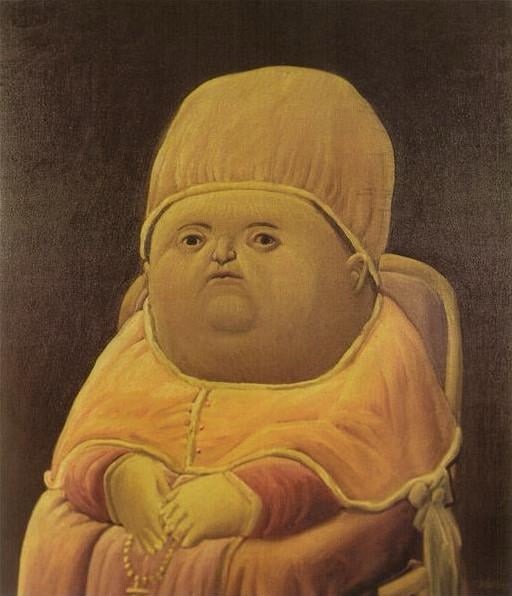
Initially Leo X dismissed Luther.
He reportedly regarded him as merely:
“a drunken German monk.”
That proved a serious miscalculation.
Within a few years Luther had attracted widespread support.
Attempts to silence him only increased his influence.
By 1521 he had been excommunicated.
The division of Western Christianity had begun.
Reform Within the Catholic Church
Ironically, many Catholic leaders also recognised abuses.
The Council of Trent (1545–1563) retained indulgences but condemned their misuse.
The Church prohibited:
financial abuses;
commercialisation;
misleading preaching.
Indulgences remained part of Catholic theology.
Their sale did not.
Indulgences Today
Modern Catholic indulgences still exist.
They are granted for acts such as:
Eucharistic adoration;
reading Scripture;
praying the Rosary;
making pilgrimages;
participating in designated Holy Year events.
No money changes hands.
The emphasis is entirely on repentance, prayer and spiritual renewal.
Many non-Catholics remain sceptical of the theology itself, but the notorious Renaissance practice of effectively “selling” indulgences has long been abolished.
The Medici Legacy
For the Medici pope Leo X, indulgences solved an immediate financial problem.
They helped fund one of history’s greatest churches.
Yet they also exposed the dangers of mixing spiritual authority with financial necessity.
The magnificent dome of St Peter’s Basilica still dominates the Roman skyline, a masterpiece of Renaissance art and engineering. But beneath its stones lies a more complicated story—one in which faith, power, money and human ambition became inseparably entwined.
The irony is striking.
The very campaign intended to glorify the papacy instead triggered the greatest religious rupture in Western history.
Without the indulgence controversy, Martin Luther might have remained an obscure university professor.
Instead, the Medici pope Leo X inadvertently helped reshape Christianity forever.
Tim Alderman ©️2026
Sources
Catechism of the Catholic Church (2nd ed.), §§1471–1479.
The Oxford Dictionary of the Christian Church, Oxford University Press.
The Reformation.
Martin Luther: Renegade and Prophet.
The Renaissance Popes.
The Stripping of the Altars.
A History of Christianity.