For more than 150 years, the jockstrap has occupied a unique place in men’s clothing. At once practical, athletic, symbolic, and sometimes controversial, it has evolved from a simple piece of sporting equipment into an enduring icon of masculinity, athleticism, and even fashion. While many modern men may rarely wear one outside specific sports or activities, the jockstrap remains one of the most recognizable items of men’s underwear ever created.
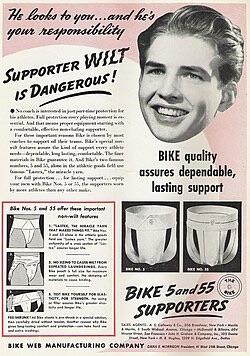
Its history is closely intertwined with the development of modern sport, changing attitudes toward masculinity, advances in textile technology, and evolving ideas about comfort and support. Few garments have undergone such a fascinating transformation while retaining their original purpose: supporting and protecting the male anatomy during physical activity.
The World Before the Jockstrap
Before the nineteenth century, men relied on a variety of undergarments that offered little specialized support.
In Europe and North America, men commonly wore loose-fitting drawers beneath their trousers. Earlier generations wore loincloths, breeches, or long underpants depending on the era and social class. While these garments provided modesty and warmth, they offered little support during vigorous movement.
As cities industrialized during the nineteenth century, new forms of transportation, work, and recreation created demands for more specialized clothing. Cycling, horse riding, manual labour, and organized sport all highlighted the limitations of traditional underwear.
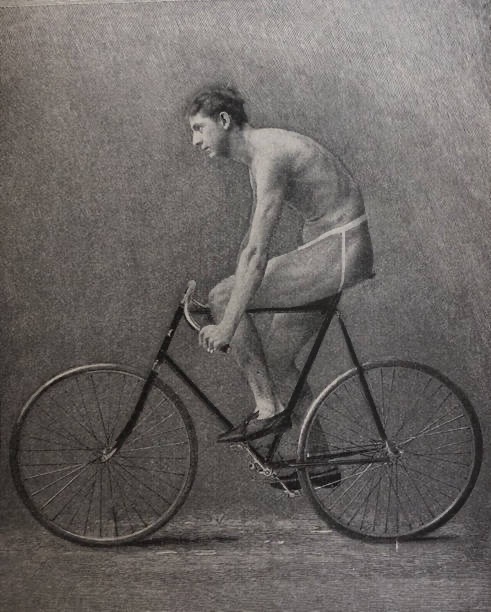
The problem was particularly noticeable for bicycle messengers and delivery riders navigating increasingly crowded urban streets.
The Birth of the Jockstrap
The jockstrap was invented in 1874 by C. F. Bennett, an employee of the Chicago sporting goods company Sharp & Smith.
Chicago’s streets were rough, often paved with cobblestones, and bicycle couriers—known as “bike jockeys”—spent long hours riding over uneven surfaces. The constant bouncing created discomfort and sometimes injury.
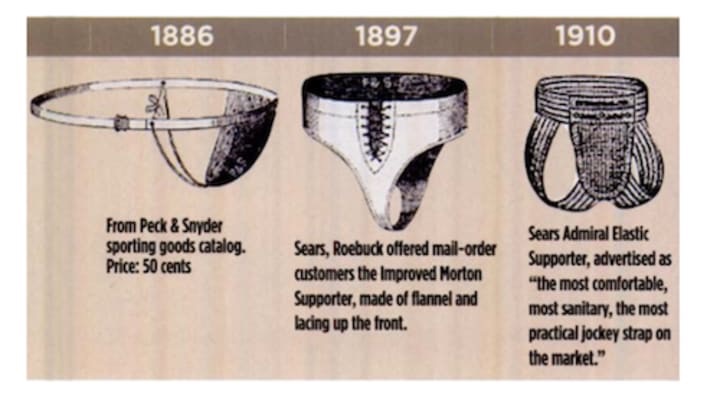
Bennett designed a supportive undergarment specifically for these riders. His invention featured a supportive pouch at the front attached to an elastic waistband, with two elastic straps extending around the buttocks.
The design kept the male genitalia securely supported while allowing freedom of movement and ventilation.
The product became known as the “Bike Jockey Strap,” a name that was eventually shortened to “jockstrap.”
The company later became known as the famous sporting goods manufacturer Bike Athletic Company, whose products would dominate the jockstrap market for generations.
Early Adoption in Sport
The late nineteenth century witnessed the emergence of organized athletics on an unprecedented scale.
Football, baseball, cycling, rugby, wrestling, and track and field competitions became increasingly popular throughout North America and Europe.
Athletes quickly recognized the advantages of the jockstrap.
The garment offered:
Improved support
Reduced discomfort during running
Better mobility
Enhanced ventilation
Protection against chafing
As sports became more competitive and physically demanding, the jockstrap became standard equipment for many athletes.
By the early twentieth century, coaches and trainers frequently recommended its use.

The Addition of Protective Cups
The next major development came with the introduction of protective athletic cups.
While the original jockstrap provided support, it offered little protection against direct impacts.
Sports such as baseball, cricket, ice hockey, lacrosse, and American football exposed athletes to potentially serious groin injuries.
Manufacturers responded by creating jockstraps equipped with pockets capable of holding hard protective cups made from metal, fibre, or later plastic materials.
This innovation dramatically improved player safety.
The combination of jockstrap and protective cup became one of the most important pieces of sporting protective equipment ever developed.
Today, versions of this design remain standard in many contact sports.
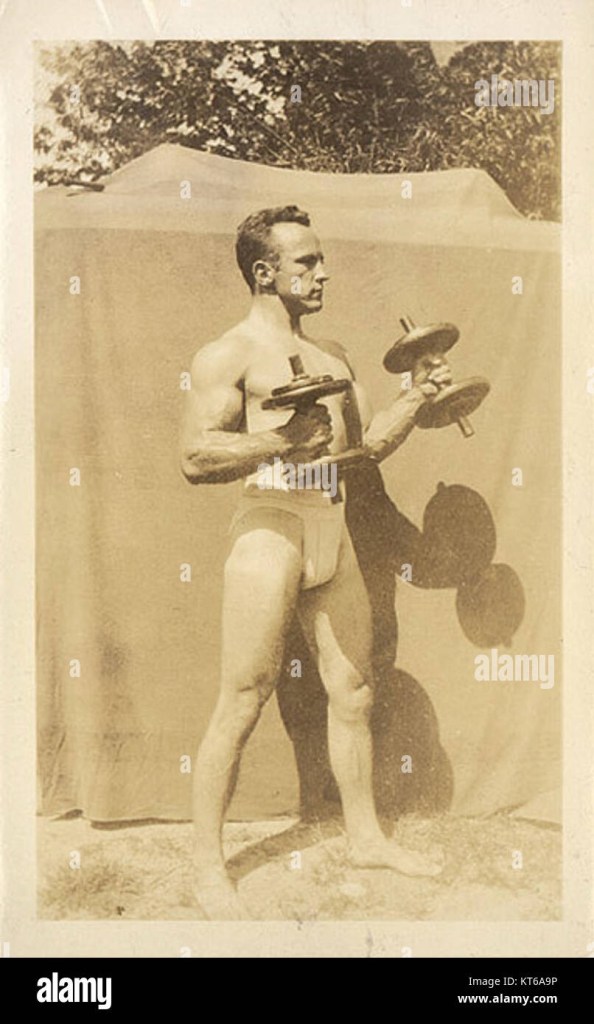
The Golden Age of the Jockstrap
From the 1920s through the 1970s, the jockstrap experienced what might be called its golden age.
During this period it became almost universal among male athletes.
Physical education programs in schools often required boys to wear athletic supporters during sports participation. Generations of young men became familiar with the garment through school sports programs.
Manufacturers expanded their product lines, producing jockstraps in a variety of sizes, materials, and support levels.
Advertising frequently emphasized themes of:
Athletic performance
Strength
Masculinity
Endurance
Confidence
The jockstrap became deeply associated with the image of the active, athletic male.
By the mid-twentieth century, millions were sold annually.
Military Use
The jockstrap’s utility extended beyond sports.
Military organizations recognized its value during training and combat preparation.
Long marches, obstacle courses, and physical training exercises placed significant strain on soldiers’ bodies.
Supportive underwear helped reduce discomfort and improve mobility.
Various military forces incorporated athletic supporters into training equipment during parts of the twentieth century, particularly during periods of intense physical conditioning.

The Design Remains Remarkably Unchanged
One reason for the jockstrap’s longevity is the effectiveness of its original design.
The classic jockstrap consists of:
An elastic waistband
A supportive front pouch
Two elastic leg straps
Unlike many garments that undergo radical redesigns, the basic jockstrap remains remarkably similar to Bennett’s original concept.
Modern materials have improved comfort and durability, but the fundamental structure remains intact.
This is a testament to the brilliance of the original design.
The Rise of Modern Underwear Competition
Beginning in the 1970s and accelerating through the 1980s and 1990s, the jockstrap faced growing competition.
Advances in textile technology led to new underwear styles offering increased support.
These included:
Briefs
Boxer briefs
Compression shorts
Athletic compression garments
Compression shorts proved particularly influential.
Made from stretch fabrics such as spandex and Lycra, they provided support while covering the entire upper leg.
Many athletes found them more comfortable and aesthetically appealing than traditional jockstraps.
As a result, jockstrap usage declined in many sports.
Sports Where Jockstraps Endured
Despite competition from newer garments, jockstraps never disappeared.
They remained common in sports requiring protective cups.
These include:
Baseball
Softball
Cricket
Ice hockey
Lacrosse
Martial arts
Rugby in some settings
Athletes often preferred jockstraps because they securely held protective cups in place while maximizing ventilation.
Even when compression garments became popular, many athletes continued to wear cup-supporting jockstraps underneath.

The Jockstrap in Popular Culture
The jockstrap gradually developed a cultural significance extending beyond athletics.
Hollywood films frequently used it as shorthand for athletic masculinity.
Locker room scenes often featured jockstraps as symbols of sporting identity.
The term “jock” itself became associated with athletes, further strengthening the connection.
The garment’s visibility in sports culture helped transform it into a recognizable symbol of male athleticism.
The Jockstrap and Gay Culture
One of the most fascinating chapters in the garment’s history emerged during the late twentieth century.
Within segments of gay male culture, particularly in urban centres during the 1970s and 1980s, the jockstrap was embraced as a symbol of masculinity and athletic appeal.
Its association with sport, strength, and the male body made it a natural object of fascination.
Manufacturers began producing designer versions featuring:
Bright colours
Premium fabrics
Fashion-oriented designs
Enhanced comfort
The garment evolved from purely functional equipment into an item with social and cultural significance.
This transformation helped sustain the jockstrap market even as mainstream athletic usage declined.

Fashion Reinvention
By the twenty-first century, fashion brands had rediscovered the jockstrap.
Many underwear companies began producing luxury and fashion-focused versions.
Materials expanded to include:
Microfibre
Modal
Bamboo fabrics
Moisture-wicking synthetics
Premium cotton blends
Designers experimented with:
Colour combinations
Waistband branding
Anatomically shaped pouches
Ergonomic construction
The jockstrap became both functional underwear and a fashion statement.
Modern Athletic Technology
Today’s athletic supporters differ substantially from their nineteenth-century ancestors in terms of materials.
Modern versions commonly feature:
Moisture management fabrics
Anti-microbial treatments
Seamless construction
Four-way stretch materials
Ergonomic pouch engineering
These improvements increase comfort while preserving the garment’s original purpose.
Many professional athletes still use specialized supporters during training and competition.
Why Some Men Still Prefer Jockstraps
Despite the availability of countless underwear options, many men continue to prefer jockstraps for specific reasons.
Support remains the primary factor.
Advocates often cite:
Excellent ventilation
Reduced chafing
Freedom of movement
Enhanced comfort during exercise
Secure support
For high-intensity physical activities, many users believe the original design remains difficult to surpass.
Health and Practical Considerations
Medical professionals occasionally recommend supportive garments following certain procedures or injuries.
Athletic supporters can assist recovery by reducing movement and providing stability.
However, recommendations vary depending on individual circumstances and should always be guided by healthcare professionals.
The garment’s ability to combine support with ventilation continues to make it useful in various sporting and medical contexts.
The Enduring Legacy
Few items of men’s clothing have enjoyed such a long and influential history.
From Chicago bicycle couriers navigating cobblestone streets to professional athletes competing on the world stage, the jockstrap has provided reliable support for more than a century and a half.
Its simple design solved a practical problem so effectively that it remains relevant today.
Although boxer briefs and compression garments now dominate much of the underwear market, the jockstrap continues to survive because it fulfills a unique function.
For athletes, it remains protective equipment.
For many men, it remains the most supportive form of underwear ever created.
For historians of clothing, it represents a fascinating example of functional design achieving near-perfection.
More than 150 years after its invention, the jockstrap remains exactly what it was intended to be: a man’s main means of support.
Tim Alderman ©️ 2026
Sources
Bike Athletic Company
C. F. Bennett
National Baseball Hall of Fame
Academic literature on sports medicine, athletic protective equipment, and the history of sporting apparel.