Tag Archives: LGBT

ACT UP and the HIV Pandemic in Australia: Activism, Protest and Lasting Change

The history of HIV/AIDS in Australia cannot be told without acknowledging the role of activists who fought for the rights, dignity, and survival of people living with the virus. Among the most influential activist movements was ACT UP—the AIDS Coalition to Unleash Power—a grassroots organization that transformed HIV advocacy around the world. While ACT UP originated in the United States, its influence quickly spread internationally, including to Australia, where activists adapted its confrontational style to local conditions.

During the darkest years of the HIV/AIDS pandemic, ACT UP challenged governments, medical institutions, pharmaceutical companies, and public attitudes. Its members protested, educated, lobbied, and demanded action at a time when fear, stigma, and discrimination were often as deadly as the virus itself.

The Australian ACT UP movement may have been smaller than its American counterpart, but its impact was significant. It helped shape public policy, accelerated access to treatments, improved the rights of people living with HIV, and contributed to Australia’s internationally respected HIV response.

The Origins of ACT UP

ACT UP was founded in New York City in March 1987 by activist and writer Larry Kramer and a group of fellow campaigners frustrated by the slow response to the AIDS crisis.

At that time, AIDS was devastating gay communities in North America and Europe. Tens of thousands were dying, effective treatments were limited, and governments often appeared indifferent.

ACT UP adopted a simple but powerful philosophy: direct action.

Its slogan, “Silence = Death,” became one of the defining messages of the HIV era.

Rather than waiting for politicians or health authorities to act, activists organized demonstrations, media campaigns, occupations, and protests designed to force change.

The movement rapidly spread to cities across the world.

HIV in Australia During the 1980s

Australia identified its first AIDS cases in the early 1980s.

Like many countries, Australia initially faced uncertainty and fear. HIV was poorly understood, treatments were virtually nonexistent, and public anxiety was widespread.

However, Australia differed from many nations because health authorities worked relatively closely with affected communities, particularly gay men.

Organizations such as the Australian Federation of AIDS Organisations and state-based AIDS councils emerged early in the epidemic. These groups emphasized education, community engagement, and harm reduction.

Even so, frustration remained.

People living with HIV frequently encountered discrimination in healthcare, employment, housing, insurance, and social settings.

Many activists felt governments still moved too slowly while friends and partners continued to die.

This environment created fertile ground for ACT UP.

ACT UP Arrives in Australia

ACT UP chapters began emerging in Australian cities around 1989.

The most prominent groups developed in Sydney and Melbourne, although smaller networks operated elsewhere.

Australian activists drew inspiration from ACT UP New York but adapted their strategies to local circumstances.

Unlike the United States, where activists often confronted openly hostile government agencies, Australia’s healthcare system already incorporated a degree of community consultation.

As a result, Australian ACT UP activists frequently focused on improving policies rather than overturning them completely.

Nevertheless, their tactics remained bold and highly visible.

Members organized demonstrations, theatrical protests, die-ins, banner drops, public meetings, media events, and political lobbying campaigns.

They sought to ensure that HIV remained impossible for politicians and the broader public to ignore.

Who Were the Activists?

Unlike traditional organizations, ACT UP was deliberately decentralized.

There was no single Australian founder or national leader.

Instead, ACT UP chapters were driven by volunteers from diverse backgrounds.

Members included:

People living with HIV

Gay men

Lesbians

Healthcare workers

Scientists

Social workers

Artists

Family members of people affected by AIDS

Civil liberties advocates

Many participants had watched close friends die from AIDS-related illnesses.

Others were HIV-positive themselves and fighting for survival.

This personal connection gave the movement its urgency and passion.

For many activists, HIV advocacy was not an abstract political issue. It was a matter of life and death.

Fighting Stigma and Discrimination

One of ACT UP Australia’s most important goals was combating stigma.

During the 1980s and early 1990s, HIV remained heavily associated with fear and moral judgment.

People living with HIV were often portrayed as victims of their own behaviour or as threats to public health.

Many individuals concealed their diagnosis to avoid discrimination.

ACT UP challenged these attitudes directly.

Activists argued that HIV should be treated as a health issue rather than a moral failing.

They demanded respect for the dignity and rights of people living with the virus.

Through public demonstrations and media engagement, they humanized HIV and helped shift public perceptions.

Access to Experimental Treatments

One of ACT UP’s most significant campaigns involved access to new medications.

Before the arrival of effective combination therapy in the mid-1990s, treatment options were limited.

People with HIV desperately sought access to experimental drugs that might prolong life.

Australian activists argued that bureaucratic delays were costing lives.

They lobbied regulators and policymakers to accelerate approval processes and expand compassionate access programs.

ACT UP members became highly knowledgeable about medical research, clinical trials, and drug development.

They attended scientific conferences, scrutinized research data, and challenged pharmaceutical companies when necessary.

This level of scientific literacy was unusual for activist movements at the time.

Their efforts helped create pressure for faster evaluation and availability of promising therapies.

The Pharmaceutical Benefits Scheme

One of Australia’s strengths during the HIV crisis was the existence of the Pharmaceutical Benefits Scheme (PBS).

The PBS enabled Australians to obtain many medications at subsidized prices.

However, ensuring HIV treatments were included required sustained advocacy.

ACT UP and allied organizations campaigned vigorously to guarantee access to life-saving medications regardless of income.

The principle was simple: treatment should depend on medical need, not financial capacity.

This philosophy contributed significantly to Australia’s relatively successful HIV outcomes compared with countries lacking universal healthcare systems.

Public Demonstrations

ACT UP became known for creative and confrontational protests.

Demonstrations were carefully designed to attract media attention and spark public debate.

Some protests highlighted slow drug approvals.

Others focused on discrimination, funding shortfalls, or inadequate government responses.

Die-ins became a powerful symbolic tactic.

Participants would lie motionless in public spaces to represent those who had died from AIDS.

These visual protests conveyed the human cost of inaction more effectively than statistics alone.

Many Australians who witnessed such events gained a new understanding of the epidemic’s impact.

Relationships with Government

ACT UP’s relationship with government was often complicated.

At times activists worked cooperatively with policymakers.

At other times they became fierce critics.

This dual approach reflected Australia’s distinctive HIV response.

Governments were often more willing to engage with community organizations than those in many other countries.

However, activists remained determined to hold officials accountable.

When policies appeared inadequate, ACT UP members did not hesitate to protest publicly.

This combination of collaboration and confrontation proved highly effective.

The Arrival of Combination Therapy

The mid-1990s marked a turning point in HIV history.

The development of highly active antiretroviral therapy (HAART) dramatically reduced AIDS-related illness and death.

For many people living with HIV, what had seemed an inevitable death sentence suddenly became a manageable chronic condition.

ACT UP activists played an important role in ensuring these treatments became accessible.

Their advocacy helped maintain pressure on governments and healthcare systems to provide rapid access once effective therapies became available.

The impact was extraordinary.

Hospital wards that had once been overwhelmed by AIDS patients began to empty.

Life expectancy increased dramatically.

Communities that had endured years of loss finally experienced hope.

The Human Cost

The achievements of ACT UP came at a tremendous personal cost.

Many activists died during the epidemic.

Others spent years caring for sick friends and partners while simultaneously campaigning for change.

Burnout was common.

The emotional burden was immense.

Every meeting, protest, or campaign occurred against a backdrop of ongoing grief.

Activists were often mourning multiple friends while fighting for their own futures.

This reality gave ACT UP a moral authority that few political movements have ever possessed.

Its members were not merely advocates; they were people directly affected by the crisis.

Legacy Beyond HIV

The influence of ACT UP extends far beyond HIV/AIDS.

The movement transformed how patients engage with healthcare systems.

Today, patient advocacy groups routinely participate in discussions about clinical trials, treatment guidelines, and health policy.

This approach owes much to HIV activism.

ACT UP demonstrated that affected communities possess valuable expertise and deserve a seat at the decision-making table.

The movement also helped establish principles that remain central to modern public health:

Community consultation

Evidence-based policy

Harm reduction

Equitable access to treatment

Patient empowerment

Human rights protections

These ideas continue to influence responses to numerous health challenges.

Why Australia’s Response Was Different

Australia’s HIV response is often regarded as one of the most successful in the world.

This success did not occur by accident.

It resulted from collaboration between governments, researchers, clinicians, community organizations, and activists.

ACT UP contributed by ensuring that urgency never disappeared from the conversation.

While policymakers developed strategies, activists reminded them of the human consequences of delay.

While scientists pursued treatments, activists demanded faster access.

While society struggled with prejudice, activists insisted on dignity and equality.

The tension between cooperation and pressure helped produce better outcomes.

ACT UP emerged during one of the most frightening public health crises in modern history. Inspired by activists in New York but shaped by Australia’s unique circumstances, ACT UP chapters across the country became powerful voices for people living with HIV/AIDS.

Their campaigns challenged stigma, improved access to treatments, accelerated policy reforms, and ensured that the experiences of those living with HIV remained central to public debate. Through protest, education, lobbying, and direct action, they helped transform Australia’s response to the epidemic.

The movement’s legacy can still be seen today in Australia’s public health system, HIV treatment programs, and patient advocacy culture. More importantly, it lives on in the countless lives extended and improved because activists refused to remain silent.

At a time when fear and prejudice threatened to overwhelm compassion and science, ACT UP reminded Australia that people living with HIV were not statistics or symbols. They were human beings deserving dignity, healthcare, and hope. That message remains as relevant today as it was during the darkest years of the AIDS pandemic.

Tim Alderman ©️ 2026
How HIV Broke the Mould of Pandemics

Few diseases in modern history have altered society as profoundly as HIV/AIDS. Since the first cases were identified in the early 1980s, HIV has infected more than 85 million people worldwide and claimed over 40 million lives. Yet HIV was never a pandemic in the traditional sense. It did not spread through casual contact, airborne droplets, contaminated water, or insect vectors. Instead, it challenged almost every assumption about how pandemics emerge, spread, and are controlled.

In many ways, HIV broke the mould of pandemics. It forced medicine, governments, activists, and communities to rethink public health responses. It transformed scientific research, drug development, human rights advocacy, and patient involvement in healthcare. Unlike previous pandemics, HIV became not merely a medical crisis but a social, political, and cultural phenomenon that reshaped the modern world.

The Traditional Pandemic Model

Historically, pandemics have generally followed a familiar pattern.

Diseases such as plague, cholera, influenza, and more recently COVID-19 spread rapidly through populations. Infection can occur through everyday interactions, making containment difficult. Governments typically respond with quarantines, public health restrictions, vaccination campaigns, or improvements in sanitation.

The public generally fears catching these diseases through ordinary contact. Their spread is often measured in weeks or months rather than years.

HIV was fundamentally different.

The virus spreads primarily through unprotected sexual contact, contaminated blood, shared needles, and from mother to child during pregnancy, birth, or breastfeeding. Casual contact poses no risk.

This immediately set HIV apart from virtually every major pandemic that preceded it.

A Slow-Moving Pandemic

One of HIV’s most unusual characteristics was its timeline.

Most infectious diseases become apparent shortly after infection. HIV often remained hidden for years.

A person could acquire the virus and remain apparently healthy for a decade or longer before developing symptoms. During that time, they could unknowingly transmit the virus to others.

This long latency period made HIV extraordinarily difficult to track and control.

Traditional outbreak investigation relies on identifying sick individuals and tracing recent contacts. HIV’s delayed progression rendered many conventional public health tools less effective.

By the time the first AIDS cases were recognized in 1981, the virus had already been circulating internationally for years.

The First Pandemic of Identity

HIV also differed because it initially appeared concentrated among specific groups.

Early cases were identified primarily among gay men in cities such as New York, Los Angeles, and San Francisco. Soon afterward, cases appeared among people who injected drugs, recipients of blood products, and certain immigrant communities.

This led to the dangerous misconception that HIV was a disease of particular groups rather than a virus that could infect anyone.

Media coverage often reflected existing prejudices. HIV became associated with sexuality, morality, and social stigma in ways rarely seen with other infectious diseases.

Some religious leaders described AIDS as divine punishment. Politicians hesitated to address the epidemic. Many families rejected loved ones diagnosed with the disease.

As a result, HIV became not only a public health emergency but also a human rights crisis.

Stigma Became Part of the Disease

Perhaps no pandemic before or since has been so heavily shaped by stigma.

People with HIV frequently faced discrimination in employment, housing, healthcare, education, and personal relationships.

Many lost jobs after employers learned of their diagnosis. Some were evicted from homes. Children were excluded from schools despite posing no risk to classmates.

Fear often exceeded scientific reality.

Unlike influenza or COVID-19, where infection could result from a brief encounter, HIV transmission required specific behaviours. Yet irrational fears flourished.

People worried about sharing utensils, swimming pools, toilets, or handshakes with someone living with HIV.

Science eventually dispelled these myths, but the social damage persisted for decades.

Patients Became Activists

Another way HIV broke the mould was through the emergence of patient activism.

Historically, patients were expected to accept medical decisions made by experts.

The HIV epidemic changed that relationship forever.

Faced with governmental indifference and limited treatment options, people living with HIV organized themselves into advocacy groups. They educated communities, raised awareness, lobbied politicians, and challenged pharmaceutical companies.

Organizations such as ACT UP became internationally known for demanding faster drug approval processes and greater research funding.

Patients became informed participants in scientific discussions. Many learned the language of virology, immunology, and clinical trials.

Their activism transformed the relationship between medicine and the communities it served.

Science Moved at Unprecedented Speed

The response to HIV revolutionized biomedical research.

The virus itself was identified remarkably quickly. In 1983, researchers at the Pasteur Institute isolated the virus later known as HIV.

Scientists soon developed blood tests capable of detecting infection.

Researchers uncovered the virus’s mechanism of action, demonstrating how it attacked CD4 immune cells and progressively weakened the immune system.

This scientific progress was extraordinary given the complexity of the virus.

Yet despite rapid advances in understanding HIV, developing effective treatments proved far more difficult.

The Rise and Fall of AZT

In 1987, the drug AZT became the first approved treatment for HIV.

Initially hailed as a breakthrough, AZT generated enormous hope among patients and clinicians.

However, the drug had significant limitations. It was expensive, caused substantial side effects, and often lost effectiveness as the virus developed resistance.

While AZT extended survival for many people, it was not a cure.

Nevertheless, it marked the beginning of a pharmaceutical revolution that would ultimately transform HIV from a death sentence into a manageable chronic condition.

HIV Changed Drug Development

Before HIV, drug development often proceeded slowly and behind closed doors.

The urgency of AIDS forced regulators, researchers, and pharmaceutical companies to rethink the process.

Clinical trials were redesigned. Accelerated approval pathways emerged. Compassionate-use programs allowed desperately ill patients access to experimental treatments.

Many innovations introduced during the HIV crisis later became standard practice across medicine.

The lessons learned from HIV would influence responses to cancer, rare diseases, and even COVID-19 decades later.

Combination Therapy Changed Everything

The greatest breakthrough came during the mid-1990s.

Scientists discovered that combining multiple antiretroviral drugs dramatically reduced viral replication.

Known as Highly Active Antiretroviral Therapy (HAART), this approach transformed HIV treatment.

Instead of dying within a few years of an AIDS diagnosis, many patients began living long, productive lives.

Hospital wards once filled with dying young adults began to empty.

Funeral attendance among HIV communities declined.

For the first time, hope became realistic.

The impact was so profound that many clinicians describe the arrival of combination therapy as one of the greatest achievements in modern medicine.

A Pandemic That Created Communities

Unlike many pandemics, HIV fostered strong community identities.

Support groups, advocacy organizations, volunteer networks, and grassroots healthcare services emerged around the world.

In cities heavily affected by AIDS, communities created their own care systems long before governments responded adequately.

Friends became caregivers.

Partners became nurses.

Volunteers became counsellors.

Entire social networks developed around mutual support and survival.

The HIV experience demonstrated how communities can mobilize when institutions fail.

Global Inequality Exposed

The success of antiretroviral therapy revealed another uncomfortable reality.

While wealthy countries gained access to life-saving drugs, millions in developing nations could not afford treatment.

The contrast was stark.

In North America, Western Europe, and Australia, HIV mortality began declining dramatically.

Meanwhile, parts of sub-Saharan Africa experienced devastating losses.

Entire generations were affected.

Life expectancy plummeted in some countries.

Hospitals became overwhelmed.

The disparity sparked international debates about access to medicines, pharmaceutical patents, and global justice.

HIV exposed inequalities that had long existed within international healthcare systems.

Prevention Required Behaviour Change

Most pandemics are controlled through vaccines, sanitation, quarantine, or medication.

HIV demanded something different.

Prevention depended heavily on behaviour change.

Safer sex education, condom promotion, needle exchange programs, blood screening, and public awareness campaigns became essential tools.

These strategies often generated controversy because they involved discussions about sexuality and drug use.

Some governments resisted such programs for moral or political reasons.

Yet evidence repeatedly demonstrated that education and harm reduction saved lives.

The HIV pandemic forced societies to confront subjects many preferred not to discuss openly.

The Power of Undetectable

One of the most important discoveries in recent HIV history has been the concept known as “Undetectable = Untransmittable” or U=U.

Research demonstrated that people living with HIV who maintain an undetectable viral load through treatment do not sexually transmit the virus.

This finding transformed both medicine and public perception.

For decades, people living with HIV carried fears about transmitting the virus to partners.

U=U provided scientific reassurance while helping reduce stigma.

It also highlighted the extraordinary effectiveness of modern antiretroviral therapy.

HIV Became a Chronic Condition

Most pandemics eventually disappear, burn out, or become controllable through vaccination.

HIV followed a different path.

Today, there is still no cure and no universally effective vaccine.

Instead, HIV has become a chronic, manageable medical condition for many people with access to treatment.

Individuals diagnosed early and treated appropriately can often expect near-normal life expectancy.

This represents a remarkable transformation from the darkest years of the epidemic.

Few diseases have undergone such a dramatic shift in prognosis within a single generation.

Lessons for Future Pandemics

The HIV epidemic left an enduring legacy.

It taught public health officials that stigma can be as dangerous as disease.

It demonstrated the importance of community engagement in healthcare.

It showed that affected populations must be included in policy decisions.

It highlighted the necessity of global cooperation and equitable access to treatment.

It also revealed that scientific progress accelerates when governments, researchers, activists, and patients work together.

Many strategies used during subsequent health emergencies were shaped by lessons learned from HIV.

A Pandemic Unlike Any Other

More than four decades after the first AIDS cases were reported, HIV remains unique.

It was a pandemic that unfolded slowly rather than explosively.

It challenged social attitudes as much as biological systems.

It transformed patients into activists and activists into policymakers.

It changed drug development, public health, and human rights advocacy.

Most importantly, it demonstrated that pandemics are never purely medical events. They expose the values, fears, prejudices, strengths, and weaknesses of the societies they affect.

HIV broke the mould of pandemics because it defied conventional expectations at every stage. It spread differently, progressed differently, and demanded a fundamentally different response from governments, healthcare systems, and communities. More than a viral infection, it became a catalyst for social change, scientific innovation, and political activism.

The epidemic revealed the devastating consequences of stigma and discrimination, but it also showcased extraordinary resilience, compassion, and determination. Millions of lives were lost, yet millions more were saved through activism, research, and the relentless pursuit of better treatments.

Today, HIV stands as one of the defining public health stories of modern history—not simply because of the lives it affected, but because it changed how the world understands disease, healthcare, and human rights. Few pandemics have left such a profound mark on medicine and society. HIV did not merely challenge the world; it transformed it.

Tim Alderman ©️ 2026

The Political and Community Impact on Australia’s HIV/AIDS Response

When HIV/AIDS first emerged in the early 1980s, it triggered fear and uncertainty across the globe. Governments struggled to understand the disease, communities were overwhelmed by grief, and stigma spread almost as quickly as the virus itself. Yet Australia’s response to HIV/AIDS would eventually become recognised internationally as one of the most effective and pragmatic public health strategies in modern history.

That success did not happen by accident. It was shaped by an unusual and powerful partnership between politics, medicine, public health officials, and grassroots community activism — particularly from the gay community itself. Australia’s HIV/AIDS response became a rare example of governments listening to affected communities rather than simply imposing policies upon them.

The political and community impact on Australia’s HIV/AIDS response fundamentally changed healthcare, public policy, activism, and even Australian society itself.

The Early Years of Fear and Uncertainty

The first cases of AIDS in Australia were identified in the early 1980s, not long after reports emerged from the United States. At the time, HIV was poorly understood. Many people believed it was highly contagious through casual contact, and the disease quickly became associated with fear, morality, and discrimination.

The media often portrayed AIDS in sensational and frightening terms. Gay men were particularly targeted by public stigma, with some conservative voices framing HIV/AIDS as punishment for homosexuality. Fear spread throughout hospitals, workplaces, schools, and even families.

Yet unlike some countries, Australia’s political leadership did not fully descend into moral panic or denial. Although there were certainly moments of prejudice and political tension, Australia gradually adopted a public health approach grounded more in science than ideology.

This would prove crucial.

Community Activism Changes the Conversation

One of the defining features of Australia’s HIV/AIDS response was the role played by community organisations and activists.

Gay communities, particularly in Sydney and Melbourne, mobilised rapidly in response to the crisis. Organisations such as the AIDS Councils, gay rights groups, volunteer care networks, and grassroots educators emerged to support people living with HIV and to spread practical prevention information.

Rather than waiting for governments to act, affected communities took responsibility for educating themselves and others about safer sex practices. Peer education became central to Australia’s prevention strategy.

This was revolutionary at the time.

Instead of relying solely on top-down government messaging, Australia recognised that communities most affected by HIV were often best positioned to influence behaviour within their own networks. Gay men listened to other gay men in ways they might not trust politicians, police, or religious leaders.

Community-led campaigns openly discussed condoms, sexual health, and risk reduction in language that was direct and realistic rather than moralistic. This honesty helped save lives.

Importantly, many activists also fought against hysteria and discrimination. They challenged attempts to quarantine HIV-positive people, resisted calls for mandatory testing, and argued strongly for privacy protections and anti-discrimination laws.

The community response was not only medical — it was deeply political.

Political Leadership and Bipartisan Cooperation

Australia’s political response to HIV/AIDS was remarkable partly because it involved cooperation across party lines.

During the 1980s, federal Health Minister Neal Blewett became one of the key architects of Australia’s HIV strategy. Rather than treating HIV as purely a moral or criminal issue, Blewett worked closely with scientists, public health experts, and affected communities.

This collaboration was groundbreaking.

Blewett and other policymakers understood that driving vulnerable communities underground through fear or punishment would worsen the epidemic. Instead, Australia adopted a harm minimisation approach focused on education, prevention, confidentiality, and treatment access.

One of the most famous examples was the controversial “Grim Reaper” television campaign launched in 1987. The campaign used frightening imagery to warn Australians about HIV/AIDS and successfully captured public attention. However, it also generated criticism for increasing fear and unintentionally stigmatising people living with HIV.

Despite its flaws, the campaign reflected the seriousness with which Australia’s government treated the epidemic.

More importantly, political leaders resisted extreme measures proposed elsewhere around the world. Australia largely avoided mass criminalisation, forced quarantines, or widespread mandatory testing policies that some nations considered during the height of panic.

This balance between public health intervention and civil liberties became one of the defining strengths of the Australian model.

The Role of Harm Reduction

Australia’s response to HIV/AIDS was also shaped by broader public health philosophies emerging during the 1980s, particularly harm reduction.

Rather than pretending risky behaviours did not exist, Australian policymakers increasingly accepted that reducing harm was more effective than moral condemnation.

This approach became especially important in relation to intravenous drug use. Needle and syringe programs were introduced to reduce HIV transmission among injecting drug users. These policies were controversial at the time, with critics arguing they encouraged illegal drug use.

However, evidence consistently showed that harm reduction measures significantly reduced HIV transmission rates.

Australia became one of the first countries to widely implement needle exchange programs, and many public health experts credit these initiatives with preventing a far larger epidemic among injecting drug users.

Again, politics played a major role. Governments were willing — at least to some extent — to prioritise evidence-based health policy over purely ideological positions.

Medicare, PBS, and Treatment Access

Australia’s healthcare system also strongly influenced the country’s HIV response.

The existence of Medicare and the Pharmaceutical Benefits Scheme (PBS) meant that many Australians could access medical care and HIV treatments regardless of personal wealth. This was particularly important once antiretroviral therapies emerged in the 1990s.

In countries without universal healthcare, HIV treatment often became financially catastrophic. In Australia, subsidised access helped reduce some of the economic burden on people living with HIV.

This does not mean treatment access was perfect. Early HIV medications could still be difficult to obtain, and some rural or marginalised populations experienced barriers to healthcare. Nonetheless, Australia’s public healthcare infrastructure provided a stronger safety net than many comparable countries.

The PBS also reduced dependence on underground drug access networks such as the HIV buyers clubs that emerged in the United States.

Stigma, Loss, and Cultural Trauma

Despite Australia’s relatively effective public health response, the human cost of HIV/AIDS remained devastating.

Entire friendship groups were destroyed. Thousands of Australians died during the epidemic’s early decades, particularly before effective combination therapies became available in the mid-1990s.

For many gay men, the crisis became a defining generational trauma. Funerals became constant. Fear of illness and death shaped relationships, sexuality, identity, and mental health.

The social stigma attached to HIV could be brutal. Many people lost jobs, housing, family support, and relationships after disclosing their status. HIV-positive individuals often faced isolation and discrimination even within healthcare settings.

Community organisations stepped into this void. Volunteers provided hospice care, emotional support, meal services, counselling, and companionship for dying patients. In many cases, chosen families within the LGBTQ+ community became more supportive than biological relatives.

The emotional labour performed by these communities is difficult to overstate.

The Legacy of Activism

The HIV/AIDS crisis permanently changed political activism in Australia.

A new generation of activists emerged with sophisticated media strategies, lobbying skills, and public health knowledge. HIV advocacy groups became highly organised and politically influential.

Their activism contributed to broader social progress beyond HIV itself. The epidemic accelerated discussions about LGBTQ+ rights, anti-discrimination protections, sexual health education, and healthcare access.

The crisis also changed the relationship between governments and affected communities. HIV policy demonstrated that successful public health responses often require trust, consultation, and partnership rather than authoritarian control.

This lesson continues to influence responses to infectious diseases today.

Ongoing Challenges

Although HIV is now far more manageable medically, the political and social issues surrounding it have not disappeared.

Stigma still exists. Some people living with HIV continue to face discrimination and misinformation. Indigenous Australians, migrants, sex workers, and regional communities can experience unequal access to prevention and treatment services.

Funding pressures also remain a constant concern. Community organisations that played such a critical role during the epidemic often face financial uncertainty despite their ongoing importance.

At the same time, new prevention strategies such as PrEP have dramatically reduced HIV transmission rates in many populations. Australia is now considered one of the countries most likely to achieve virtual elimination of HIV transmission in coming decades.

This progress is itself a product of the political and community structures built during the height of the epidemic.

Conclusion

Australia’s response to HIV/AIDS stands as one of the country’s most significant public health achievements, but it was never solely a medical story.

It was a political story about governments choosing cooperation over panic.

It was a community story about ordinary people caring for one another during unimaginable loss.

It was an activist story about marginalised groups demanding dignity, science, and compassion in the face of fear and prejudice.

Most importantly, Australia’s HIV/AIDS response demonstrated that public health works best when affected communities are treated not as problems to control, but as partners in the solution.

That lesson remains just as important today as it was during the darkest years of the epidemic.

Tim Alderman ©️ 2026
A Rough History of the HIV/AIDS Pandemic

The HIV/AIDS pandemic remains one of the most devastating global health crises in modern history. Since the disease first emerged into public consciousness in the early 1980s, more than 40 million people have died from AIDS-related illnesses, and tens of millions more have lived with the physical, emotional, and social consequences of HIV infection. The history of HIV/AIDS is not only a medical story, but also a story of fear, stigma, activism, politics, science, prejudice, grief, and survival.

Understanding the rough history of the pandemic requires looking beyond statistics and medical terminology. It means understanding how entire communities were transformed, how governments often failed vulnerable populations, and how ordinary people fought for dignity and life in the face of overwhelming loss.

The Origins of HIV

Scientists now believe that HIV originated in Central Africa, most likely in what is now Cameroon or the Democratic Republic of Congo. The virus is thought to have crossed from chimpanzees to humans sometime in the early twentieth century through the hunting and butchering of bushmeat. The simian immunodeficiency virus (SIV), found in primates, mutated into a human form that became HIV. (cdc.gov)

For decades, the virus spread quietly and largely unnoticed. Researchers later identified evidence of HIV infection in human blood samples dating back to the 1950s. One of the earliest confirmed cases was a blood sample collected in the Belgian Congo in 1959. The virus likely spread slowly at first through urbanisation, migration, colonial trade routes, prostitution, contaminated needles, and changing sexual networks across Africa. (nih.gov)

By the 1970s, HIV had reached several parts of the world, including Haiti, the United States, and Europe, although nobody yet knew the virus existed.

The Mysterious Illness Emerges

The world first became aware of AIDS in June 1981, when the United States Centers for Disease Control and Prevention reported unusual clusters of rare illnesses among young gay men in Los Angeles. These men were suffering from a rare pneumonia called Pneumocystis carinii pneumonia and unusual cancers such as Kaposi’s sarcoma, diseases normally seen only in people with severely damaged immune systems. (cdc.gov)

Doctors quickly realised something unprecedented was happening.

Healthy young people were developing catastrophic immune failure. Patients became vulnerable to infections that the body would normally defeat easily. Many deteriorated rapidly and died within months.

At first, the disease had no official name. It was referred to in the media as “gay cancer” or GRID — Gay-Related Immune Deficiency. Because many early cases appeared among gay men, society often viewed the illness through the lens of prejudice and moral judgement rather than medicine.

This stigma would become one of the defining horrors of the epidemic.

Fear, Stigma, and Panic

During the early 1980s, fear surrounding AIDS spread almost as quickly as the virus itself. Much of the public did not understand how HIV was transmitted. Some people believed they could catch AIDS through touching, casual contact, sharing utensils, or simply being near an infected person.

Gay men were heavily demonised. Religious conservatives described AIDS as divine punishment for homosexuality. Families abandoned sick relatives. Funeral homes sometimes refused bodies. Employers fired workers suspected of infection. Children with HIV were bullied or excluded from schools. (history.com)

The disease also affected intravenous drug users, haemophiliacs who received contaminated blood products, sex workers, and eventually heterosexual populations worldwide. Yet many governments were slow to respond because the earliest victims belonged largely to already marginalised groups.

In the United States, President Ronald Reagan did not publicly mention AIDS for several years despite the rapidly growing death toll. Activists later accused governments around the world of indifference and neglect. (reaganlibrary.gov)

The Discovery of HIV

In 1983, scientists at the Pasteur Institute in France identified the virus responsible for AIDS. The following year, American researcher Robert Gallo confirmed the discovery. The virus eventually became known as Human Immunodeficiency Virus — HIV. (nih.gov)

The discovery allowed scientists to develop blood tests to detect infection. This was a crucial breakthrough, particularly for blood banks. Before HIV screening existed, thousands of haemophiliacs and transfusion recipients were infected through contaminated blood products.

Testing also introduced new fears. Many people avoided HIV tests because a positive diagnosis was widely viewed as a death sentence.

The Grim Reality of the 1980s

The 1980s were marked by enormous suffering. There was no effective treatment for AIDS, and infection often led to death within a few years. Hospitals in cities such as New York, San Francisco, London, and Sydney filled with dying patients.

The symptoms could be horrifying. Opportunistic infections ravaged weakened immune systems. Kaposi’s sarcoma caused dark lesions across the skin. Severe weight loss, known as “wasting syndrome,” left many skeletal and frail. Dementia, blindness, and neurological damage were common in advanced cases.

Entire friendship groups disappeared.

Within the gay community especially, the emotional toll was catastrophic. Men in their twenties and thirties attended funeral after funeral. Some lost dozens of friends and lovers within a few years. Survivors later described living in a permanent state of grief and terror.

At the same time, communities mobilised in extraordinary ways.

Grassroots organisations formed to care for the sick when governments often would not. Volunteers delivered meals, cleaned homes, raised money, sat beside hospital beds, and comforted the dying. Lesbian women played a particularly important role in caring for gay men abandoned by families or institutions during the crisis.

Activism and ACT UP

As frustration with government inaction grew, AIDS activism became a powerful force. One of the most influential groups was the ACT UP, founded in New York in 1987.

ACT UP organised dramatic protests demanding faster drug approval, better healthcare access, increased research funding, and an end to discrimination. Activists disrupted government meetings, shut down Wall Street, occupied pharmaceutical company offices, and used confrontational tactics to force public attention onto the epidemic. (actupny.org)

Their activism fundamentally changed the relationship between patients, governments, and medical researchers. AIDS activists demanded a voice in scientific research and healthcare policy, helping accelerate the development of treatments.

AZT and Early Treatments

In 1987, the drug AZT became the first medication approved for HIV treatment. It offered hope but also controversy. The drug could slow viral replication, but early doses caused severe side effects including nausea, anemia, and fatigue. Many patients still died despite treatment. (britannica.com)

Other antiviral drugs followed, but HIV mutated quickly and developed resistance when drugs were used alone. During the late 1980s and early 1990s, treatment remained limited and imperfect.

Still, for many people, even a few extra months of life mattered enormously.

The Global Spread

Although AIDS initially gained attention in wealthy Western nations, the pandemic increasingly devastated poorer regions, especially sub-Saharan Africa.

By the 1990s, HIV infection rates in some African countries had reached catastrophic levels. In nations such as Botswana, South Africa, and Zimbabwe, entire generations were affected. Life expectancy plummeted. Hospitals became overwhelmed. Millions of children were orphaned after losing parents to AIDS-related illnesses. (unaids.org)

Poverty, limited healthcare infrastructure, stigma, gender inequality, and lack of access to medication worsened the crisis.

Women became increasingly vulnerable to infection, particularly in regions where economic dependence and sexual violence limited their ability to negotiate safe sex practices.

The Breakthrough of Combination Therapy

A major turning point came in 1996 with the introduction of Highly Active Antiretroviral Therapy (HAART), commonly known as combination therapy or the “drug cocktail.”

Instead of using a single medication, doctors combined multiple antiretroviral drugs that attacked HIV in different ways. This dramatically reduced viral levels in the body and prevented the virus from developing resistance as easily. (hivinfo.nih.gov)

The results were extraordinary.

Death rates dropped sharply in countries with access to treatment. Patients once preparing for death suddenly regained health and began rebuilding their lives. HIV gradually shifted from a near-certain fatal disease to a manageable chronic condition for many people.

For survivors of the epidemic’s worst years, the change felt almost surreal. Hospital wards that had once been full of dying patients began to empty.

Yet treatment remained inaccessible to millions in poorer countries due to high drug prices and patent restrictions.

The Fight for Global Access

During the late 1990s and early 2000s, activists pushed for affordable HIV medications in developing nations. Pharmaceutical companies faced intense criticism for charging prices far beyond the reach of many African countries.

International programs eventually expanded treatment access. Organisations such as the World Health Organization, UNAIDS, and the Global Fund helped distribute lifesaving drugs worldwide.

Generic medications dramatically reduced treatment costs. Millions of lives were saved through expanded access to antiretroviral therapy.

HIV in the Modern Era

Today, HIV is no longer automatically a death sentence in countries with access to modern healthcare. Antiretroviral therapy can suppress the virus to undetectable levels, allowing many people with HIV to live long and healthy lives.

Scientific advances have transformed prevention as well.

PrEP (pre-exposure prophylaxis) allows HIV-negative individuals to reduce their risk of infection dramatically through daily medication. Public health campaigns now promote the principle of “Undetectable = Untransmittable” (U=U), meaning people with undetectable viral loads cannot sexually transmit HIV. (cdc.gov)

Yet the pandemic is far from over.

Millions of people worldwide still lack adequate treatment. Stigma continues to affect those living with HIV. In some countries, discrimination against LGBTQ+ people, sex workers, and drug users undermines prevention efforts.

The social scars of the epidemic also remain profound.

The Cultural Impact of AIDS

The AIDS pandemic transformed art, politics, medicine, and culture. Countless musicians, actors, writers, activists, and ordinary individuals died during the crisis.

Figures such as Freddie Mercury, Rock Hudson, and Arthur Ashe brought public visibility to the disease. Their illnesses forced many people to confront the reality that AIDS could affect anyone.

The epidemic also reshaped LGBTQ+ identity and politics. Many historians argue that the AIDS crisis radicalised a generation of activists and permanently changed public discussions around sexuality, healthcare, and human rights.

Books, films, plays, and memorials continue to document the emotional devastation of the era. The AIDS Memorial Quilt remains one of the largest community art projects in history, commemorating tens of thousands of lives lost to AIDS.

Lessons from the Pandemic

The history of HIV/AIDS reveals both the best and worst aspects of human society.

It exposed how prejudice can deepen suffering during a public health emergency. Marginalised communities were ignored, blamed, and stigmatised when compassion and science were desperately needed.

At the same time, the epidemic demonstrated remarkable courage and solidarity. Patients, activists, healthcare workers, researchers, and caregivers fought relentlessly for survival, dignity, and truth.

The scientific achievements that emerged from HIV research transformed modern medicine. Advances in virology, antiviral drugs, and public health strategies continue to influence treatment for many other diseases today.

Perhaps most importantly, HIV/AIDS taught the world that silence and stigma can be deadly.

The pandemic is not merely a chapter in medical history. It is a human story of loss and resilience that continues into the present day.

Tim Alderman ©️ 2026

Sources

CDC HIV Origins Overview

CDC Museum HIV/AIDS Timeline

NIH AIDS History Timeline

History.com — History of AIDS

Ronald Reagan Presidential Library — AIDS Epidemic Archive

ACT UP New York Archive

Britannica — AZT

UNAIDS Global Fact Sheet

NIH HIV Treatment Information

CDC — Undetectable Equals Untransmittable (U=U)

A 40 Year Journey Into (And Out Of) Fear Part 4

Before diving into the 90s, a brief note on sub-cultures (Tribes) within the gay community at this time…or to be more exact, how I placed myself within the community as far as lifestyle went in the 80s and 90s. After coming out in 1980, I intentionally positioned myself in the Clone sub-culture. It was a Tribe I felt comfortable in, and adopted it with ease. It was a badge I wore with pride pretty well for the duration of my active life on the scene. The short hair, big moustache, white or black tee-shirts (and flannelette shirts during winter), Levi 501 jeans and boots were, in my eyes, the look that defined gay masculinity. I was, at times, known to dip into the leather world, but my interest in leather was never sexual! I just liked its look, so never saw myself as a leatherman. For a number of years I was an active member of the Dolphin Motor Club (DMC), and member of a gang known by the acronym G.O.D. (Girls/Guys of Disgrace) which was established by the girls who founded Wicked Women, and whose purpose was to peruse the scene at night, and report any potential problems…problems which had escalated since the advent of HIV/AIDS thanks to the media, and societal homophobia. This morphing between scenes meant I could indulge my fun-side by doing what was known as “gutter drag”…a sort of respectful parody of drag itself, using huge wigs, over-the-top make-up, big frocks…and no removal of facial,or body hair. Cleo’s “reputation” and antics still live on amongst my friends. My life revolved around the Oxford Hotel, and the Midnight Shift night club.

By the 1990s, what I call the Great Diaspora of the gay community began, starting, in many eyes, the slow demise of the gay ghetto. People fled to the far flung suburbs, the north and south coasts, to the hinterlands, to the bush, and even interstate, and overseas. Some from fear, some to get away from the relentless deaths and illnesses, some to find peace and quiet, some to die.The scene has never recovered.

So we enter the 90s! Little did we know that the apocalyptic start to the decade, with death notices filling page after page in the gay rags, and with no end in sight, would morph into a decade of great hope by the time we hit 1996. It was at its start, a time of monotherapy, and trials. At the start of 1990, I had a CD4 count of 453…and going down! Two of my ex-partners died of AIDS. Damien evidently returned to his family in Victoria, and died in 1991. I found out quite some time later, when running into a mutual acquaintance in the Oxford Hotel one might, just as I was about to attend a DMC dinner. Frank…my first Sydney partner, if I don’t count the psycho who dragged me back to Sydney from a happy Melbourne life…I ran into when leaving my hairdressers (Kulture In Hair) in Goulburn St one day in 1994.I hardly recognised the figure slowly shuffling up the street. He died a short time later.

Personally, I had a fleeting relationship with Anthony. My sex lifestyle was pleasantly fulfilled with three fuck-buddies. Paul I met in the bottom bar of the Midnight Shift in the very late 80s and would have had a serious relationship with him if he wasn’t already married to his job. Graeme I met when he and his partner Peter took me home…after picking me up in the Midnight Shift…for a threesome. The next morning I found myself in the middle of a domestic abuse (verbal) situation. It was like I wasn’t even there. Graeme drove me home, and when I asked him up for a coffee, he told me Peter would have him on the clock for his return. Shortly after, they thankfully split up, and Graeme and and I saw each other regularly for a couple of years. Gregg I met at the Oxford late one night. He wore way too much after-shave, and he had a wife and two daughters in Forbes. One of those marry-to-cover-up-being-gay situations. He came to Sydney every month to tutor on computers at Sydney Uni. We saw each other very regularly for about 2 years…until I started to get serious with him.

I quit my managerial job at Numbers Bookshop, and moved to a managerial position with Liquorland in 1990, whose store was situated under Numbers. This job was to be my last for quite some time. Not only was I out as a gay man, but also out as a HIV+ man. To my thinking, a gay man running a business on the gay strip was a no-brainer. Obviously I had the contacts in the community to bring in business…and I did. Under my management, the store shot up the rankings from 43 to 18. However, not everyone was happy with my presence! More on this shortly.

Healthwise, in 1992 I started seeing Dr. Marilyn McMurchie as my HIV specialist, and she started monitoring my CD4 and CD8 counts, and percentages. At that time, my CD4 count was <350 My greatest fears were realised…I was diagnosed as stage 3 HIV infection, and started on AZT (my thoughts on this have already been mentioned.There was a slow decline in my CD4 counts once I started on it. Having been taken off AZT briefly, I was asked to go on a trial using another monotherapy drug called 3TC (lamivudine). A short way into the trial, it was found that nearly all participants had haematological toxicity and become anaemic, so the trial was stopped. I also went on the p24-VLP (Very Light Protein) trial around this time. It was an injectable, and the theory was that by stimulating the p24 antigen, it may stop the decline to AIDS. It did nothing!

It was also the year I had viral pneumonia in my upper right lung. It was pretty serious, and something I may have shaken off more quickly if I wasn’t a chain smoker. It pretty well crippled me for a couple of weeks, and I pretty well took up residence on the lounge, in front of the tv. Recovery was very slow, and my holiday pay in advance saw me through.

In 1993, I went onto DDI (didanosine). I was reluctant to take ddC due to side effects. DDI was vile. The huge chalky tablets (jokingly called horse tablets) had to be ground down to a powder in a mortar & pestle, then you mixed them into whatever liquid made them palatable…in my case, Nestles chocolate Nesquik. Even then, you had to hold your nose when downing it! It was a nightmare to prepare in the workplace…which was only one of several problems I encountered at Liquorland.

When I started there in late 1990. The area manager was a wonderful man, who believed in inclusion and treated all the staff with respect. He left in late 1991, and replaced by Rowan, pretty well his exact opposite. Not only homophobic, but as it turned out…HIVphobic as well. For the next 18 months I was subjected to relentless bullying, by an expert. Always out of earshot of staff, the smallest thing was picked on. With no witnesses, so a his-word-against-mine situation, knowing from experience that head office would take his side. Things came to a head in late 1993 when he installed an assistant manager at the same pay grade as me. With me working 50-60 hour weeks, smoking and drinking heavily, and with a bad diet…I’d had enough. My health was already in decline, and I was losing weight. I arranged a meeting with Rowan to request that I step back to a position of assistant manager to reduce my work load. At the time of the very uncomfortable meeting, he said to my face…”You should consider quitting. You’ll be dead in a couple of years anyway!”. As it turned out, an assistant manager position opened up at the Surry Hills branch. I then went on 2 weeks vacation. Rowan would not confirm the transfer despite a number of calls. A day before I was due to return to work, he confirmed the transfer…he had been hoping I’d quit in the interim. As an act of planned revenge, I turned up at the Surry Hills store…and handed in my 2 weeks notice. Rowan said not one word to me over that period…not even a farewell!

I had started to indulge in my passion for dance music by becoming a resident DJ at The Oxford Hotel in 1990. I DJd there until 1996, and also at the Stronghold Bar (in the basement of the Clock Hotel in Surry Hills) from 1990-1994. This proved to be a handy source of additional income as time went on.

I met John at The Oxford one night just before quitting Liquorland. A gentle, artistic man (his mother thought I was too old for him) we were together for about 8 months. With my health slowly declining, I pushed him away. I didn’t want him (he was HIV-) to have to nurse me through, what I saw at that time, the inevitable end.

In 1993, Carol Ann King started the Luncheon Club and Larder, providing cheap meals and grocery items to HIV+ boys on pensions. Though never attending the club myself, I did become a disability pensioner that same year. Fred Oberg at ACON was instrumental in getting me onto the pension, and a SAS (Special Assistance Subsidy) with the Department of Housing, who paid a percentage of my private rental in The. Dorchester, in Darlinghurst.

At the same time, the Dental Hospital in Chalmers St, Surry Hills started providing free dental care to those with HIV (a trial). Having ongoing bouts of thrush as a result of a declining immune system, I attended there and had a number of teeth removed that were so loose I could have pulled them out. They also devised a small denture to fill a gap at the front lower jaw. I could smile again without covering my mouth to hide the gap.

Prophylaxis was another term we came to grips with. In 1992 I started on Bactrim for my reoccurring bouts of thrush, and Fluconazole to ensure I didn’t get PCP.

I had my 40th birthday 1n 1994. I considered myself very lucky to have reached this milestone, and threw a big bash at the Stronghold bar, where I was a DJ. Tim Vincent, a close friend and owner opened the bar early in the afternoon, put on a long happy hour, and was an open house until the bars usual opening hour. It was quite a crowd, and quite an afternoon.

By May that year my CD4 count was 160, and I was back on AZT! At this stage I estimated I had maybe 2 years left…if I was lucky, or a miracle happened. On the former, I was accurate, little knowing the latter would happen, and a miracle did happen!

Tim Alderman ©️ 2025

Gay History: From Stonewall To The White Horse: The Bay Area’s Part In Uprisings That Changed The World

Flyer for Gay Liberation Front protest at the Examiner Building October 31, 1969, Courtesy of the GLBT Historical Society

“San Francisco is a refugee camp for homosexuals. We have fled here from every part of the nation, and like refugees elsewhere, we came not because it is so great here, but because it was so bad there. By the tens of thousands, we fled small towns where tobe ourselves would endanger our jobs and any hope of a decent life….”

Refugees from Amerika: A Gay Manifesto — Carl Wittman, December, 1969

Cover of Gay Sunshine, October 1970

By the time of the first night of protests at New York City’s Stonewall Inn, San Francisco had experienced months of demonstrations related to gay rights that would continue for the next few years. 

Unlike Stonewall, the disturbances in San Francisco started over job rights, and a bar was not involved. But because the disturbances spread and issues multiplied, they would eventually include at least three bars, including Oakland’s White Horse.

The people who lit the fuse were recent arrivals. Gale Chester Whittington came from Denver in 1968 and Leo Laurence from Indianapolis in 1966. 

Whittington got a job as an accounting clerk at the States Steamship Company (320 California). 

Laurence was a journalist for the underground newspaper Berkeley Barb and the editor of the Society for Individual Rights magazine Vector.They met when Whittington volunteered to write for Vector.

A Vector photographer shared a photo from a shoot of Laurence and Whittington with The Barb. It was paired with an article from March 23, 1969, titled “Homo Revolt: Don’t Hide it.” 

The article covered Laurence’s editorial call for gay revolution in Vector. Since the Barb had sex ads, it was read by several of Whittington’s straight colleagues at the shipping company. The day it was published, Whittington was fired. Because of the editorial Laurence was removed as editor of Vector.

Homo Revolt, Dont Hide It, Berkeley Barb, March 28, 1969

Whittington and Laurence then formed the Committee for Homosexual Freedom. Max Scheer, editor of The Barb, promised to cover their actions. On April 9, 1969 the picketing of the steamship company began with signs saying, “Let Gays Live,” “Free The Queers” and “Freedom for Homos Now.” 

The protests continued for months. In May, The Advocate picked up coverage of the protests and by June the Rev. Troy Perry had begun a sympathy strike at the company’s Los Angeles offices. 

Ultimately the protests didn’t succeed in getting Whittington’s job back, but because the San Francisco Chronicle, The Advocate and The Barb covered the protest (on an almost weekly basis) it spread the word nationally and CHF grew. 

In Whittington’s autobiographical work, Beyond Normal: The Birth of Gay Pride, he mentions that Hibiscus and Lendon Sadler (of the Cockettes) and Carl Wittman (author of Refugees from Amerika: A Gay Manifesto) all took part in early CHF protests. Wittman read early drafts of his manifesto to the group.

By May protests spread to a second site: Tower Records. Employee Frank Denaro was fired after a security guard reported to management that he had returned the wink of a male customer. Unlike the steamship company, however, the record store was swayed by public opinion and by June the management offered Denaro his job back.

States Steamship Protest, Berkeley Barb, April 25 – May 1, 1969

Purple rain
News about what was happening in San Francisco continued to spread. Berkeley Tribeprinted a letter saying Laurence’s articles, reprinted in a Minneapolis campus newspaper, had inspired a class in Homosexual Revolution from their Free University. In Beyond Normal, Whittington relates he received a telegram from New Yorkers who were at Stonewall and had been inspired by articles in The Barb. In October, both Laurence and Whittington were interviewed in the L.A. magazine Tangents.

By October 1969, Gay Liberation Front chapters opened in Berkeley and San Francisco. Two protests on Halloween show both coordination and fragmentation between new and old organizations. 

At the first, called “Friday of the Purple Hand,” the Society for Individual Rights worked with CHF and both GLF groups to protest the editorial policies of the San Francisco Examiner. Earlier that week, Robert Patterson of the Examiner had written “The Dreary Revels of S.F. ‘Gay’ Clubs” which referred to gays as “semi-males” and lesbians as “women who aren’t exactly women” as well as referring to both as deviates.

Around 100 protesters picketed the Examiner building, and then had printers ink dumped on them from an upper floor by Examiner employees. The protesters used the ink to make purple hand prints all over the building (which gave the protest its name). The protesters were then attacked by the police Tactical Squad. Twelve people were injured and fifteen were arrested.

Friday of the Purple Hand coverage, San Francisco Free Press

The second event that day was a protest of the Beaux Arts Ball in the Merchandise Mart by Gay Guerrilla Theater and the Gay Liberation Coalition. Laurence reported in the Berkeley Tribe that the protest was focused on the acceptance of laws that only allowed drag on Halloween and New Year’s. He reported:

“I don’t dig drag myself (can’t imagine being a bearded lady)…but by God, I do feel the drags should have the right to do their thing; not just twice a year, but every day; not just at a drag ball, but at work, school, church and on the streets.”

This was among the first confrontations between older gay organizations and newer, more radical groups. Others included a protest of a S.I.R. dinner in February 1972 where Willie Brown was speaking on reforming sex laws (protested because of the cover charge of $12) and a takeover of the North American Conference of Homophile Organizations (NACHO) by the Gay Liberation Front in August 1970. GLF demanded that NACHO affirm its support of the Black Panther Party and Women’s Liberation and organize a national gay strike.

Clearly there was a generational difference between members of homophile organizations and the gay liberationists. Many of the younger generation had ties to the New Left and anti-war movements. 

Laurence had been in Chicago for the ’68 Democratic convention and Wittman had written for the SDS before, for example. GLF members formed a gay contingent for the Nov. 15, 1969 Moratorium March Against the War. And by and large they read the underground press, not the gay press.

Demands for White Horse Protest, Gay Sunshine, October 1970

Horse sense
The most dramatic confrontation between gay liberationists and gay bars came at the White Horse Bar in Oakland. Konstantin Berlandt, a long-time gay activist in Berkeley, was thrown out of the bar for selling Gay Sunshine by the owner Joe Johansen. The Gay Sunshine collective worked with the Berkeley GLF and picketed the bar. A list of demands included one that patrons be allowed to touch one another and slow dance. Within a week the bar capitulated to the protesters.

The White Horse wasn’t the only bar to raise the ire of liberationists.

Leonarda’s also refused to sell Gay Sunshineand a boycott was suggested (it’s hard to know how serious to take this, as the underground press kept reporting the bar’s name as “Leonardo’s”). The Stud also upset writers at the Berkeley Tribe by checking IDs at the door. They may, however, have just been opposed to bars as institutions. The article in the Tribesuggested:

“The bars can’t be liberated, they must be destroyed. They rip off our money, keep us in ghettos playing the same old weary games thinking that we are satisfied, and maintain all the divisions in Amerika — women and men, gay women and gay men, black and white, young and old. The Stud mentality in our heads has to be rooted out and killed too.”

Ultimately it was not the bars but the gay liberationists that disappeared as the 1970s progressed. I asked Gary Alinder, who was a member of Berkeley’s GLF, about burnout and the disappearance of Gay Lib in the ’70s.

“It evolved,” he said. “Gay liberation was a sudden uprising. Most of us were anti-organization. It was not meant to stay around for a long time. It was a burst of energy — an explosion. A second generation would come along that was more organized. But the message — to make people happy in themselves and come out — was valid.”

That burst of energy had a massive effect — it spread through LGBT organizations with programs like gay rap sessions to campuses across the country and created an explosion of new publications. Those publications and organizations did reach people. As a teen who picked up the Detroit Gay Liberator in the early ’70s, and who attended a gay rap meeting on my college campus, I can testify that those of us who followed were grateful for the work of the Stonewall generation.

Reference

Gay History: Debunking The ‘Gaydar’ Myth

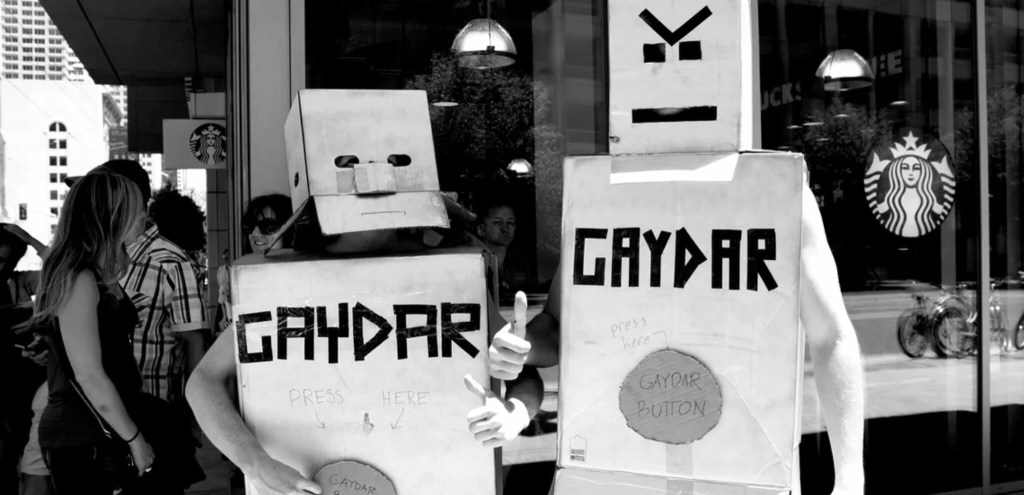
Two people dress up as Gaydar bots during San Francisco’s 2014 gay pride parade. Scott Schiller/flickr, CC BY-NC

Kids are often told that you can’t judge a book by its cover.

Even so, people often believe they can rely on their gut to intuit things about other people. Stereotypes often influence these impressions, whether it’s that a black man is dangerous, a woman won’t be a good leader or a fashionable man is gay.

Stereotypes related to gay men and lesbians often operate under the guise of “gaydar” rather than stereotyping. “Gaydar” (a portmanteau of “gay” and “radar”) is a term that first appeared in the 1980s and refers to a “sixth sense” for identifying who is gay. Like many purported intuitions, however, gaydar often relies on stereotypes. 

While many people believe stereotyping is wrong, calling it “gaydar” merely provides a cover for using stereotypical traits – like someone’s fashion sense, profession or hairstyle – to jump to conclusions about someone being gay. Nonetheless, some researchers have published studies that, at first glance, appear to show that people have accurate gaydar.

In some recent work, my colleagues and I have been able to demonstrate how the perpetuation of the gaydar myth has unintended negative consequences. We’ve also identified a mathematical flaw in some previous gaydar research, calling into question the results. 

Stereotyping in disguise

My colleagues and I suspected that even people who would normally try to refrain from stereotyping might be more likely to use gay stereotypes if they are led to believe they have gaydar.

To test this idea, we conducted an experiment. We told some participants that scientific evidence says gaydar was a real ability, led others to believe that gaydar is just another term for stereotyping and said nothing about gaydar to a third group (the control). 

Participants then judged whether men were gay or straight based on information ostensibly taken from social media profiles. Some of the men had interests (or “likes”) that related to gay stereotypes, like fashion, shopping or theater. Others had interests related to straight stereotypes, like sports, hunting or cars, or “neutral” interests unrelated to stereotypes, like reading or movies. This design allowed us to assess how often people jumped to the conclusion that men were gay based on stereotypically gay interests. Those who were told gaydar is real stereotyped much more than the control group, and participants stereotyped much less when they had been told that gaydar is just another term for stereotyping. 

These patterns provided strong support for the idea that belief in gaydar encourages stereotyping by simply disguising it under a different label. 

What’s the big deal?

In some ways, the idea of gaydar – even if it’s just stereotyping – seems useful at best and harmless at worst. But the very fact that it seems harmless may actually be responsible for its most pernicious effects. Using gaydar as a way to talk innocuously or jokingly about stereotyping – “Oh, that guy sets off my gaydar” – trivializes stereotyping and makes it seem like no big deal. 

But we know that stereotypes have many negative consequences, so we shouldn’t be encouraging it on any level. 

First, stereotyping can facilitate prejudice. In a study on prejudice-based aggression, we had participants play a game that involved administering electric shocks to a subject in the other room. Participants learned only one thing about this other person, either that he was gay or simply liked shopping (people tend to assume men who like shopping are gay). 

In one condition, therefore, the participants knew that the man was gay and in the other they might have privately inferred that he was gay though it wasn’t confirmed, but that wasn’t known to anyone else (who might have accused them of being prejudiced). 

These conditions are especially important for a subset of people who are covertly prejudiced: They’re aware that they’re prejudiced and ok with it, but don’t want others to know. We can identify these people with some well-established questionnaire measures, and we know that they express prejudice only when they’re able to get away with it. 

As we predicted, these covertly prejudiced people tended to refrain from shocking the man who was confirmed as gay, but delivered extremely high levels of shocks to the man who liked shopping. If they had shocked the first man, people could accuse them of prejudice (“You shocked him because he was gay!”). But if others accused participants of prejudice in the second condition, it could be plausibly denied (“I didn’t think he was gay!”). In other words, stereotyping can give people opportunities to express prejudices without fear of reprisal.

Second, stereotypes – even innocuous ones – are troublesome for a number of reasons: They lead us to think narrowly about people before we get to know them, they can justify discrimination and oppression, and, for members of stereotyped groups, they can even lead to depression and other mental health problems. Encouraging stereotyping under the guise of gaydar contributes – directly or indirectly – to stereotyping’s downstream consequences.

But what if gaydar is actually accurate?

Some researchers say that stereotypes about gay people possess a grain of truth, which could lend credence to the idea of having accurate gaydar.

In these studies, researchers presented pictures, sound clips and videos of real gay and straight people to the participants, who then categorized them as gay or straight.

Half of the people in the pictures, clips and videos were gay and half were straight, which meant that the participants would demonstrate an accurate gaydar if their accuracy rate were significantly higher than 50 percent. Indeed, participants tended to have about 60 percent accuracy, and the researchers concluded that people really do possess an accurate gaydar. Many studies have replicated these results, with their authors – and the media – touting them as evidence that gaydar exists.

Not so fast…

But as we’ve been able to show in two recent papers, all of these previous studies fall prey to a mathematical error that, when corrected, actually leads to the opposite conclusion: Most of the time, gaydar will be highly inaccurate

How can this be, if people in these studies are accurate at rates significantly higher than 50 percent?

There’s a problem in the basic premise of these studies: Namely, having a pool of people in which 50 percent of the targets are gay. In the real world, only around 3 to 8 percent of adults identify as gay, lesbian or bisexual.

What does this mean for interpreting the 60 percent accuracy rate? Think about what the 60 percent accuracy means for the straight targets in these studies. If people have 60 percent accuracy in identifying who is straight, it means that 40 percent of the time, straight people are incorrectly categorized. In a world where 95 percent of people are straight, 60 percent accuracy means that for every 100 people, there will be 38 straight people incorrectly assumed to be gay, but only three gay people correctly categorized. 

Therefore, the 60 percent accuracy in the lab studies translates to 93 percent inaccuracy for identifying who is gay in the real world (38 / [38 + 3] = 92.7 percent). Even when people seem gay – and set off all the alarms on your gaydar – it’s far more likely that they’re straight. More straight people will seem to be gay than there are actual gay people in total. 

If you’re disappointed to learn that your gaydar might not operate as well as you think it does, there’s a quick fix: Rather than coming to a snap judgment about people based on what they wear or how they talk, you’re probably better off just asking them.

The invention of AI ‘gaydar’ could be the start of something much worse

Researchers claim they can spot gay people from a photo, but critics say we’re revisiting pseudoscience

Two weeks ago, a pair of researchers from Stanford University made a startling claim. Using hundreds of thousands of images taken from a dating website, they said they had trained a facial recognition system that could identify whether someone was straight or gay just by looking at them. The work was first covered by The Economist, and other publications soon followed suit, with headlines like “New AI can guess whether you’re gay or straight from a photograph” and “AI Can Tell If You’re Gay From a Photo, and It’s Terrifying.”

As you might have guessed, it’s not as straightforward as that. (And to be clear, based on this work alone, AI can’t tell whether someone is gay or straight from a photo.) But the research captures common fears about artificial intelligence: that it will open up new avenues for surveillance and control, and could be particularly harmful for marginalized people. One of the paper’s authors, Dr Michal Kosinski, says his intent is to sound the alarm about the dangers of AI, and warns that facial recognition will soon be able to identify not only someone’s sexual orientation, but their political views, criminality, and even their IQ. SOME WARN WE’RE REPLACING THE CALIPERS OF PHYSIOGNOMY WITH NEURAL NETWORKS

With statements like these, some worry we’re reviving an old belief with a bad history: that you can intuit character from appearance. This pseudoscience, physiognomy, was fuel for the scientific racism of the 19th and 20th centuries, and gave moral cover to some of humanity’s worst impulses: to demonize, condemn, and exterminate fellow humans. Critics of Kosinski’s work accuse him of replacing the calipers of the 19th century with the neural networks of the 21st, while the professor himself says he is horrified by his findings, and happy to be proved wrong. “It’s a controversial and upsetting subject, and it’s also upsetting to us,” he tells The Verge

But is it possible that pseudoscience is sneaking back into the world, disguised in new garb thanks to AI? Some people say machines are simply able to read more about us than we can ourselves, but what if we’re training them to carry out our prejudices, and, in doing so, giving new life to old ideas we rightly dismissed? How are we going to know the difference? 

CAN AI REALLY SPOT SEXUAL ORIENTATION? 

First, we need to look at the study at the heart of the recent debate, written by Kosinski and his co-author Yilun Wang. Its results have been poorly reported, with a lot of the hype coming from misrepresentations of the system’s accuracy. The paper states: “Given a single facial image, [the software] could correctly distinguish between gay and heterosexual men in 81 percent of cases, and in 71 percent of cases for women.” These rates increase when the system is given five pictures of an individual: up to 91 percent for men, and 83 percent for women. 

On the face of it, this sounds like “AI can tell if a man is gay or straight 81 percent of the time by looking at his photo.” (Thus the headlines.) But that’s not what the figures mean. The AI wasn’t 81 percent correct when being shown random photos: it was tested on a pair of photos, one of a gay person and one of a straight person, and then asked which individual was more likely to be gay. It guessed right 81 percent of the time for men and 71 percent of the time for women, but the structure of the test means it started with a baseline of 50 percent — that’s what it’d get guessing at random. And although it was significantly better than that, the results aren’t the same as saying it can identify anyone’s sexual orientation 81 percent of the time. “PEOPLE ARE SCARED OF A SITUATION WHERE [YOU’RE IN A CROWD] AND A COMPUTER IDENTIFIES WHETHER YOU’RE GAY.”

As Philip Cohen, a sociologist at the University of Maryland who wrote a blog post critiquing the paper, told The Verge: “People are scared of a situation where you have a private life and your sexual orientation isn’t known, and you go to an airport or a sporting event and a computer scans the crowd and identifies whether you’re gay or straight. But there’s just not much evidence this technology can do that.”

Kosinski and Wang make this clear themselves toward the end of the paper when they test their system against 1,000 photographs instead of two. They ask the AI to pick out who is most likely to be gay in a dataset in which 7 percent of the photo subjects are gay, roughlyreflecting the proportion of straight and gay men in the US population. When asked to select the 100 individuals most likely to be gay, the system gets only 47 out of 70 possible hits. The remaining 53 have been incorrectly identified. And when asked to identify a top 10, nine are right.

If you were a bad actor trying to use this system to identify gay people, you couldn’t know for sure you were getting correct answers. Although, if you used it against a large enough dataset, you might get mostly correct guesses. Is this dangerous? If the system is being used to target gay people, then yes, of course. But the rest of the study suggests the program has even further limitations. 

WHAT CAN COMPUTERS REALLY SEE THAT HUMANS CAN’T?

It’s also not clear what factors the facial recognition system is using to make its judgements. Kosinski and Wang’s hypothesis is that it’s primarily identifying structural differences: feminine features in the faces of gay men and masculine features in the faces of gay women. But it’s possible that the AI is being confused by other stimuli — like facial expressions in the photos. THE AI MIGHT BE IDENTIFYING STEREOTYPES, NOT BIOLOGICAL DIFFERENCES

This is particularly relevant because the images used in the study were taken from a dating website. As Greggor Mattson, a professor of sociology at Oberlin College, pointed out in a blog post, this means that the images themselves are biased, as they were selected specifically to attract someone of a certain sexual orientation. They almost certainly play up to our cultural expectations of how gay and straight people should look, and, to further narrow their applicability, all the subjects were white, with no inclusion of bisexual or self-identified trans individuals. If a straight male chooses the most stereotypically “manly” picture of himself for a dating site, it says more about what he thinks society wants from him than a link between the shape of his jaw and his sexual orientation. 

To try and ensure their system was looking at facial structure only, Kosinski and Wang used software called VGG-Face, which encodes faces as strings of numbers and has been used for tasks like spotting celebrity lookalikes in paintings. This program, they write, allows them to “minimize the role [of] transient features” like lighting, pose, and facial expression. 

But researcher Tom White, who works on AI facial system, says VGG-Face is actually very good at picking up on these elements. White pointed this out on Twitter, and explained to The Verge over email how he’d tested the software and used it to successfully distinguish between faces with expressions like “neutral” and “happy,” as well as poses and background color.


A figure from the paper showing the average faces of the participants, and the difference in facial structures that they identified between the two sets.
Image: Kosinski and Wang

Speaking to The Verge, Kosinski says he and Wang have been explicit that things like facial hair and makeup could be a factor in the AI’s decision-making, but he maintains that facial structure is the most important. “If you look at the overall properties of VGG-Face, it tends to put very little weight on transient facial features,” Kosinski says. “We also provide evidence that non-transient facial features seem to be predictive of sexual orientation.”

The problem is, we can’t know for sure. Kosinski and Wang haven’t released the program they created or the pictures they used to train it. They do test their AI on other picture sources, to see if it’s identifying some factor common to all gay and straight, but these tests were limited and also drew from a biased dataset — Facebook profile pictures from men who liked pages such as “I love being Gay,” and “Gay and Fabulous.”

Do men in these groups serve as reasonable proxies for all gay men? Probably not, and Kosinski says it’s possible his work is wrong. “Many more studies will need to be conducted to verify [this],” he says. But it’s tricky to say how one could completely eliminate selection bias to perform a conclusive test. Kosinski tells The Verge, “You don’t need to understand how the model works to test whether it’s correct or not.” However, it’s the acceptance of the opacity of algorithms that makes this sort of research so fraught. 

IF AI CAN’T SHOW ITS WORKING, CAN WE TRUST IT?

AI researchers can’t fully explain why their machines do the things they do. It’s a challenge that runs through the entire field, and is sometimes referred to as the “black box” problem. Because of the methods used to train AI, these programs can’t show their work in the same way normal software does, although researchers are working to amend this.

In the meantime, it leads to all sorts of problems. A common one is that sexist and racist biases are captured from humans in the training data and reproduced by the AI. In the case of Kosinski and Wang’s work, the “black box” allows them to make a particular scientific leap of faith. Because they’re confident their system is primarily analyzing facial structures, they say their research shows that facial structures predict sexual orientation. (“Study 1a showed that facial features extracted by a [neural network] can be used to accurately identify the sexual orientation of both men and women.”)“BIOLOGY’S A LITTLE BIT MORE NUANCED THAN WE OFTEN GIVE IT CREDIT FOR.”

Experts say this is a misleading claim that isn’t supported by the latest science. There may be a common cause for face shape and sexual orientation — the most probable cause is the balance of hormones in the womb — but that doesn’t mean face shape reliably predicts sexual orientation, says Qazi Rahman, an academic at King’s College London who studies the biology of sexual orientation. “Biology’s a little bit more nuanced than we often give it credit for,” he tells The Verge. “The issue here is the strength of the association.” 

The idea that sexual orientation comes primarily from biology is itself controversial. Rahman, who believes that sexual orientation is mostly biological, praises Kosinski and Wang’s work. “It’s not junk science,” he says. “More like science someone doesn’t like.” But when it comes to predicting sexual orientation, he says there’s a whole package of “atypical gender behavior” that needs to be considered. “The issue for me is more that [the study] misses the point, and that’s behavior.”

s there a gay gene? Or is sexuality equally shaped by society and culture?
Illustration by Alex Castro / The Verge

Reducing the question of sexual orientation to a single, measurable factor in the body has a long and often inglorious history. As Matton writes in his blog post, approaches have ranged from “19th century measurements of lesbians’ clitorises and homosexual men’s hips, to late 20th century claims to have discovered ‘gay genes,’ ‘gay brains,’ ‘gay ring fingers,’ ‘lesbian ears,’ and ‘gay scalp hair.’” The impact of this work is mixed, but at its worst it’s a tool of oppression: it gives people who want to dehumanize and persecute sexual minorities a “scientific” pretext.

Jenny Davis, a lecturer in sociology at the Australian National University, describes it as a form of biological essentialism. This is the belief that things like sexual orientation are rooted in the body. This approach, she says, is double-edged. On the one hand, it “does a useful political thing: detaching blame from same-sex desire. But on the other hand, it reinforces the devalued position of that kind of desire,” setting up hetrosexuality as the norm and framing homosexuality as “less valuable … a sort of illness.”

And it’s when we consider Kosinski and Wang’s research in this context that AI-powered facial recognition takes on an even darker aspect — namely, say some critics, as part of a trend to the return of physiognomy, powered by AI. 

YOUR CHARACTER, AS PLAIN AS THE NOSE ON YOUR FACE

For centuries, people have believed that the face held the key to the character. The notion has its roots in ancient Greece, but was particularly influential in the 19th century. Proponents of physiognomy suggested that by measuring things like the angle of someone’s forehead or the shape of their nose, they could determine if a person was honest or a criminal. Last year in China, AI researchers claimed they could do the same thing using facial recognition.

Their research, published as “Automated Inference on Criminality Using Face Images,” caused a minor uproar in the AI community. Scientists pointed out flaws in the study, and concluded that that work was replicating human prejudices about what constitutes a “mean” or a “nice” face. In a widely shared rebuttal titled “Physiognomy’s New Clothes,” Google researcher Blaise Agüera y Arcas and two co-authors wrote that we should expect “more research in the coming years that has similar … false claims to scientific objectivity in order to ‘launder’ human prejudice and discrimination.” (Google declined to make Agüera y Arcas available to comment on this report.)

An illustration of physiognomy from Giambattista della Porta’s De humana physiognomonia

Kosinski and Wang’s paper clearly acknowledges the dangers of physiognomy, noting that the practice “is now universally, and rightly, rejected as a mix of superstition and racism disguised as science.” But, they continue, just because a subject is “taboo,” doesn’t mean it has no basis in truth. They say that because humans are able to read characteristics like personality in other people’s faces with “low accuracy,” machines should be able to do the same but more accurately.

Kosinski says his research isn’t physiognomy because it’s using rigorous scientific methods, and his paper cites a number of studies showing that we can deduce (with varying accuracy) traits about people by looking at them. “I was educated and made to believe that it’s absolutely impossible that the face contains any information about your intimate traits, because physiognomy and phrenology were just pseudosciences,” he says. “But the fact that they were claiming things without any basis in fact, that they were making stuff up, doesn’t mean that this stuff is not real.” He agrees that physiognomy is not science, but says there may be truth in its basic concepts that computers can reveal.

For Davis, this sort of attitude comes from a widespread and mistaken belief in the neutrality and objectivity of AI. “Artificial intelligence is not in fact artificial,” she tells The Verge. “Machines learn like humans learn. We’re taught through culture and absorb the norms of social structure, and so does artificial intelligence. So it will re-create, amplify, and continue on the trajectories we’ve taught it, which are always going to reflect existing cultural norms.”

We’ve already created sexist and racist algorithms, and these sorts of cultural biases and physiognomy are really just two sides of the same coin: both rely on bad evidence to judge others. The work by the Chinese researchers is an extreme example, but it’s certainly not the only one. There’s at least one startup already active that claims it can spot terrorists and pedophiles using face recognition, and there are many others offering to analyze “emotional intelligence” and conduct AI-powered surveillance. 

FACING UP TO WHAT’S COMING

But to return to the questions implied by those alarming headlines about Kosinski and Wang’s paper: is AI going to be used to persecute sexual minorities?

This system? No. A different one? Maybe. 

Kosinski and Wang’s work is not invalid, but its results need serious qualifications and further testing. Without that, all we know about their system is that it can spot with some reliability the difference between self-identified gay and straight white people on one particular dating site. We don’t know that it’s spotted a biological difference common to all gay and straight people; we don’t know if it would work with a wider set of photos; and the work doesn’t show that sexual orientation can be deduced with nothing more than, say, a measurement of the jaw. It’s not decoded human sexuality any more than AI chatbots have decoded the art of a good conversation. (Nor do its authors make such a claim.)

Startup Faception claims it can identify how likely people are to be terrorists just by looking at their face.
Image: Faception

The research was published to warn people, say Kosinski, but he admits it’s an “unavoidable paradox” that to do so you have to explain how you did what you did. All the tools used in the paper are available for anyone to find and put together themselves. Writing at the deep learning education site Fast.ai, researcher Jeremy Howard concludes: “It is probably reasonably [sic] to assume that many organizations have already completed similar projects, but without publishing them in the academic literature.” 

We’ve already mentioned startups working on this tech, and it’s not hard to find government regimes that would use it. In countries like Iran and Saudi Arabia homosexuality is still punishable by death; in many other countries, being gay means being hounded, imprisoned, and tortured by the state. Recent reports have spoken of the opening of concentration camps for gay men in the Chechen Republic, so what if someone there decides to make their own AI gaydar, and scan profile pictures from Russian social media?

Here, it becomes clear that the accuracy of systems like Kosinski and Wang’s isn’t really the point. If people believe AI can be used to determine sexual preference, they will use it. With that in mind, it’s more important than ever that we understand the limitations of artificial intelligence, to try and neutralize dangers before they start impacting people. Before we teach machines our prejudices, we need to first teach ourselves.

Reference

Gay History: Mexico’s Forgotten Drag Ball: Ignacio de la Torre y Mier And The Dance of the Forty-One

On the night of November 18, 1901, in Mexico City, a disgruntled citizen called for the authorities to break up a party being held nearby. This party was a ball not the first, nor the last of its kind in the city, in which male elites dressed to the nines and danced the night away, oftentimes concluding the evening with a raffle in which the coveted prize was a male escort.

At this particular event, 42 men were in attendance half wore suits, the other half in expensive gowns and wigs. All but one were detained and later subjected to public ridicule; forced to sweep up the streets in dresses in plain daylight where the public was free to throw things and hurl insults at them. This would become a common punishment, not excluding police brutality, for homosexual acts. The incident was dubbed by newspapers “The Dance of the Forty-One” or “El Baile De Los Cuarenta y Uno.”

Due in large part to their social status, and overall influence on the authorities, the names of the detainees were never publicly released after the fact. In addition, all publications mentioning the event were destroyed and banned from further coverage, leaving only folklore and a vague though negative association to the number 41 and the LGBTQ community in Mexico, as well as the legend of the 42nd guest, Ignacio De La Torre y Mier, son-in-law to then-President Porfirio Díaz.

Frida Kahlo, poet Juana Inéz de la Cruz, both queer women whose contributions to Literature and art have cemented them as greats within Mexico’s vast history, are generally depicted as straight. Though tolerance for the LGBTQ community has (slowly) spread, history and religion are still seen as sacred and not to be questioned. This is especially harmful to queer kids coming to terms with their identity because it paints homosexuality as a relatively new development.

Growing up I’d heard relatives occasionally refer to the number 41 when making some kind of tasteless gay joke. I didn’t know what it meant or where it came from, but going by tone alone, I could sense it was a homophobic slur of some sort. A few weeks ago, while reading on the Mexican Revolution of 1910, one name kept peripherally popping up, and this piqued my interest. One dive into a Google black hole later, I found myself reading through every small piece of information most of it in Spanish that I could find on this guy. Significant historical figures have always been whitewashed in favor of heterosexual culture, so it’s no surprise that even people briefly connected to, say, a former President would be difficult to successfully research.

Born into a prominent family of sugar manufacturers, Ignacio De La Torre was brought up knowing only the best. He attended private schools in both Mexico and the U.S., and he was praised as a gifted student, furthermore, he was generally well-liked. At the age of 15, after his father’s passing, Ignacio took over the family business and ran it surprisingly well. The already fruitful franchise thrived further under his direction, due greatly to the tunnel vision like ambition young Ignacio possessed; a stubborn and competitive attitude toward business and finance that made him infamous for his reckless actions.

On one occasion, he even went as far as blocking a river channel that passed through his land for the sake of aesthetic, effectively causing multiple floods in the surrounding towns, yet he managed to avoid legal consequence; the incident was never even acknowledged by the authorities.

More than business savvy, however, Ignacio was known for his recreational activities, often involving alcohol, and his affinity for men. Money allowed him to live lavishly as well as shamelessly, and while Mexico’s toxic general views on homosexuality were no less inflammatory then than they are now, his reputation as a well-respected businessman was never tattered. It helped that he was admired for his charisma. He was so charming, in fact, that President Porfirio Díaz offered Ignacio his daughter’s hand in marriage despite his problematic reputation. Ignacio accepted, but the marriage quickly took a turn.

Not long after they were married, Amada Díaz and De La Torre grew apart; his drinking and dalliances leading up The Dance of The 41 proving to be too much for his bride. Eventually, the pair split up, though they remained legally married and living under the same roof, in different wings of their estate.

Only a few years after his involvement with the raid, Ignacio found himself connected to yet another public figure: future hero of the Mexican Revolution Emiliano Zapata.

Emiliano Zapata was well known amongst peasant workers and farmers as an organizer of protests against Hacienda owners and the monopolizing of land and natural resources. He was also known for his extreme dislike of queer and effeminate men. In addition, it was common knowledge that Zapata held a general dislike for Dictator Diaz, who was the personification of everything the agricultural movement was against. This was the primary source for public speculation regarding his connection to Ignacio De La Torre.

A descendant of a long line of farmers, Zapata was an expert horse trainer. As such, he was hired by De La Torre to get his horses and stables in order. The pair spent a period of six months together, alone for the most part, before abruptly going their separate ways.

Of course whatever official records that may have existed documenting their encounter will likely never be found, as is the fate of most queer history. However, pieces of their connection have been discovered elsewhere; such as in prison records indicating that on one occasion, after the overthrow of Porfirio Díaz in 1911, Zapata personally had De La Torre freed from detainment. In addition, there is an account in Amada Díaz’s personal journals citing the discovery of her husband in a compromising position with Emiliano Zapata in the stables.

Having lost his influence due to his connection to the former President, De La Torre came to realize he was no longer held in as high regard, and his shenanigans landed him in jail on several occasions. In one particular instance, he attempted to pass himself off as Emiliano Zapata in order to pull off a grain manufacturing-related scheme. Upon discovering this, Zapata had him arrested. This is speculated to have been what finally severed ties between them.

Ignacio De La Torre died in New York in 1919 of complications during a surgery relating to a severe hemorrhoid condition. He had fled prosecution in 1913 for his suspected involvement in the assassination of President Francisco I. Madero. He left behind an obscene amount of debt and a tale as colorful as the man himself.

Mexico is a country of rituals and tradition, and it is rich in culture. However, a large portion of that culture is rooted in Misogynist Patriarchal ideals and deeply religious beliefs that have heavily and negatively impacted the progression or lack thereof of LGBTQ rights. It has buried its queer history behind an antiquated belief system, and while our icons are loved and admired, their identities are nearly always erased.

Ignacio De La Torre was not a great painter or writer, and his wealth didn’t make him a philanthropist, but denying his connection to great figures does more harm than good. That being said, the extra elbow grease it takes to track down our past is all the more rewarding when it leads us to characters like De La Torre if only to assure ourselves and the world that we’ve always held a significant place in history.

Today, the national Latinx non-profit organization Honor41 is named in those who attended the dance. They work to promote “positive images of our community, creates awareness about our issues and builds an online family/community” and say that “by adopting 41 in our name, we take away the negative, oppressive power associated to the number; we educate others about this important moment in LGBTQ history; we honor their legacy, and honor our own lives and contributions to society.”

Reference

30 Kinky Terms Every Gay Man Needs to Know

If gay life was a giant ballroom (and it kind of is), kinky leathermen have been lingering in the back, in the shadows, for generations. But thanks to the Internet and porn giants like San Francisco-based Kink.com, fetish play has stepped onto the main floor over the last decade. Regardless if you’re kinky or vanilla, knowing some basic terminology will help you navigate Scruff profiles and boost your confidence at your local leather bar. And who knows? You might stumble across a term you didn’t know existed — and something you really want to try.

1. Kink and Fetish 

These are the broadest terms on this list because, colloquially, they have become synonymous for most people. But since some kinksters (kinky people) stress their difference, we will define them separately. A kink is an unconventional sexual interest — that’s it. A fetish is a bit more particular. Fetishes are generally considered nonhuman objects that enhance sexual arousal, and for some people, they may be required for sexual arousal. Simply put: A fetish is a particular stimulus (feet, gas masks, certain items of clothing), while a kink is just something you’re into (bondage, spanking, etc.).

2. S&M (also written as S/M) 

This stands for sadism and masochism. Sadism is sexual arousal that arises from inflicting pain on others. Masochism is sexual arousal from experiencing painful sensory stimulation. Guys into flogging (see #19) are sadists. Guys who enjoy getting flogged are masochists.

3. BDSM 

This acronym stands for bondage, domination/discipline, submission/sadism and, masochism, and is sometimes used as an umbrella term for kink. This can be misleading, however, because someone may have kinks that do not fall under these terms. For instance, a guy may be exclusively into fisting (see #13) or forced tickling. This guy is kinky — he has “unconventional” sexual tastes, at least by vanilla people’s standards — but he is not into BDSM.

4. Dom/Dominant 

Most kinks are enjoyed via a dominant-submissive sexual dynamic between two (or more) people. Someone takes charge and the other person submits. The take-charge person is the Dom, or Dominant. Male Dominants usually go by Sir, and may be called Mister, Daddy, Handler, Coach, etc. Female Dominants (also called Dommes and Dominatrixes) may go by Mistress or Lady. Don’t forget to capitalize the first letter!

5. Sub/Submissive

Every particular Dom-sub (typically shortened to D/s) relationship has a slightly different power dynamic, but the sub/submissive is always the one who relinquishes control to the Dominant. Note: sub guys are not exclusively bottom, but this is definitely more common.

6. Switch 

A switch is a guy (or girl) who enjoys both domination and submission — the kink version of the ever-elusive, 50/50 versatile bedmate. Naturally, switches pair up best with other switches.

7. Scene 

This is a somewhat debated term in the world of kink, but most kinksters agree that a “scene” is one particular kink, the culture surrounding it, and its community of practitioners. For instance, watersports (see #17) is a scene that many people are into. Debate occurs because the term is also used to mean the actual playtime between a Dom and sub. By this second definition, a scene begins when a sub and Dom start to play. While the length of time that scenes last vary based on pre-established limits, scenes typically have defined beginning and end points. (This writer does not encourage beginners to jump immediately into extreme 24/7 scenes, which can be emotionally and psychologically damaging without ample discussion and experience beforehand.)

8. Limits

Limits are important, and every submissive guy’s limits are different. A limit is the point beyond which you do not allow Dominants to go. “Soft limits” are things that you’re mostly against, but in certain circumstances may try. For instance, drinking urine is a soft limit for this writer — an act not done in most circumstances, but perhaps for special occasions (like this year’s Folsom Street Fair). Soft limits may change over time. A “hard limit,” by contrast, is nonnegotiable. This writer’s hard limits are the presence of blood and/or feces. If either one of these appear during a scene, I’m finished, and playtime stops.

9. Safe Word 

Safe words are vital for beginners and experienced kinksters alike. A safe word is a word or phrase that submissives use to stop a scene. Like hard limits, safe words are nonnegotiable. If a Dom ignores a safe word, they are considered “unsafe” and will not be welcomed in the kink community. We don’t like unsafe Doms because they can really hurt people. In kink porn, the industry standard safe word is “red,” so that’s what most kinksters use. Since being gagged is one of this writer’s biggest turn-ons, the “safe word” is not a word at all. In this case, a snap of the fingers or a slap on the thigh means “stop right now.”

10. Leather 

Leather is the most popular fetishized material, with rubber as a close second. Many guys get excited by the look and feel of leather clothing, boots, harnesses, and other gear. Leather is so commonly fetishized and has been closely linked to BDSM for so many years that many people now see the “leather community” — guys all over the world who enjoy wearing leather and attend leather events and competitions — as synonymous with kink and BDSM.

11. Bondage 

Bondage is probably the most basic and widely known feature of BDSM. And it’s unfailingly one of the most erotic. Bondage involves making a submissive helpless and immobilized. This can be done with rope, handcuffs, leather cuffs, chains, stocks, and mummification (see #25).

12. CBT 

Cock and ball torture. This includes ball-stretching (stretching the scrotal sac so that it hangs lower by using weights and other devices to pull on it) and ball-bashing, which is exactly what it sounds like: hitting the balls with small paddles and similiar blunt objects. E-stimulation (see #14) is also commonly used for CBT — especially for cock torture.

13. FF

Fisting/fist fucking. This is the practice of slowly stretching open the anus with fingers until the whole hand is inserted. With practice, skilled fisters (guys who give fists) and fistees (guys who take them) can go all the way to the elbow and even the shoulder — or get double-fisted. Novices generally start with toys and dildos and work their way up. Fisting is not for beginners. When done incorrectly, fisting can cause severe injury. If this is something you want to try, go slowly and use lots of lube. You can’t use too much lube in fisting — lube should be everywhere by the time you’re done. While it may sound extreme, fisting is one of the most erotic and intense experiences you can have with someone (and can produce the most mind-blowing orgasms) when done correctly.

14. E-Stimulation/Electrical Play 

E-stim involves using electrodes and electric shock during BDSM play. This is another kink that is not for beginners. Professionally made electrical units have to be used.

15. Puppy Play 

Puppy play is one scene in the world of kink that is growing rapidly in popularity. Puppy play is part of a group of scenes that fall under the umbrella of Animal Training or Animal Play, in which submissives act like animals. Pony play and kitty play also fall into this category. In puppy play, the Dominant is called the Owner or Handler, and the submissive is called the pup. During the scene, pups stereotypically act like dogs — they bark, walk on all fours, and come when called (when they feel obedient). Handlers give pups “treats” (sexual or otherwise) and discipline them when they misbehave. While there is no standard way to do puppy play, most pups and handlers agree that the power dynamic is very relaxed and playful.

16. Slave/Master

If pups and handlers have a relaxed power dynamic, Master-slave relationships are the opposite. This scene typically involves very hardcore BDSM and domestic service from the slave, with lengthy playtimes — some slaves and Masters practice live-in, 24-7 scenes.

17. Piss Play 

Also called watersports, piss play fetishizes urine. Guys into this scene enjoy getting peed on or drinking piss. Since actual (canine) pups pee on everything, a lot of guys into puppy play are also into piss play.

18. Candle Play

Candle play is hardly a scene of its own, but we’re sure that somewhere out there is a sadistic guy exclusively into using candles to drip hot wax on submissives to create a painful sensation that typically does not leave long-lasting marks or long-term damage. Typically, though, candles are used alongside other S&M practices during BDSM scenes

19. Flogging

Flogging is an S&M practice in which a Dominant whips a submissive with a flogger, which is a multi-tailed whip that is typically made out of leather. Depending on the severity, flogging can feel like anything from a back massage to an extremely painful experience. Beyond floggers, other devices commonly used are bull whips and cat o’ nine tails (see #26).

20. Edging 

Edging or edge play involves dominant guys withholding orgasm from a submissive. You’ve probably done this to yourself while watching porn: masturbating and barely reaching the point of cumming and then abruptly stopping. This is one of the hottest and most intense “tortures” to experience as a submissive, especially when you are allowed to play for hours and with a skilled Dominant.

21. Nipple Torture 

Nipple torture typically involves using devices like nipple clamps, suction clamps, clothespins, needles, and mousetraps on the nipples in order to create a painful sensation, but using hands and teeth work fine too. Chew and suck for hours of enjoyment.

22. Corporal Punishment 

Some submissive guys really enjoy the idea of getting “punished” during BDSM scenes. Some even intentionally “disobey” and talk back to their Dominants as part of the scene in order to get punished. Corporal punishment is a BDSM practice in which Dominants use repetitive spankings and paddling (along with interrogation, see #23) to change a submissive’s behavior.

23. Interrogation 

Some kinky guys get aroused watching those hot scenes in war movies and spy movies where someone is kidnapped, blindfolded, tied to a chair, and interrogated — so it’s no surprise that interrogation has become a popular practice in BDSM, and one that requires extensive amounts of creativity, imagination, and role play. Remember, however, that everything in kink is consensual. All scenes — even intense and long-lasting interrogation ones — are eroticized pretend games that Doms and subs enjoy together.

24. Chastity

You’ve no doubt seen cock cages and male chastity devices somewhere on the Internet. These devices keep a penis from getting hard, so by extension they keep you from achieving orgasm or pleasing yourself. It’s a form of control that Doms exert over their subs. Some cock cages can only be opened with a key — which naturally belongs on a chain around Sir’s neck.

25. Mummification 

This is a particular form of bondage in which the whole body is wrapped in some kind of material – typically plastic wrap. Since this form of bondage is completely immobilizing, it is not for beginners.

26. Cat O’ Nine Tails

This whip — a favorite among old-school S&M practitioners — has nine strands and is known to pack an especially nasty sting.

26. Age Play 

Age play is a broad term for any kinky practice that involves the submissive acting younger than they really are or pretending to be a “son,” “baby,” etc. The fetishes of diapers and children’s toys are typically involved.

27. Hanky Code

The hanky code is a longstanding sexual color code that has been around since the 1970s. Long before hookup apps like Grindr and Scruff, gay and bisexual men seeking casual sex wore colored handkerchiefs in their pant pockets indicating what kind of sex they were seeking and whether they were a dominant/top or submissive/bottom. The color code is pretty extensive and includes various kinks and fetishes, and is still used today by gay clothing brands like Nasty Pig and CellBlock 13 — and, obviously, by kinky gay men.

28. Negotiation 

When you meet a kinky guy that you are interested in, it is important for you two to talk honestly and clearly discuss what kinks you both enjoy, what you are both looking to do, what limits must be adhered to, and what safe words will be used. This period of discussion is called “negotiation.” For beginners, it is recommended that you do extensive negotiation before your first play session.

29. Contract 

Thanks to the cringe-worthy series Fifty Shades of Grey, which thoroughly misrepresents the kink community, many people mistakenly believe that contracts are only used for 24/7, slave-and-master style D/s relationships. This is false. Contracts cannot be legally enforced, and will not hold up in court. They are simply written documents outlining and clarifying the parameters of the relationship, and typically list what safe words and limits will be adhered to.

30. Safe, Sane, and Consensual 

This slogan is the golden rule of BDSM. Play should always be safe: long-term damage or injury is not permitted among the vast majority of the international kink community. And above all else, play must be consensual. There is a difference between “rape fantasy,” which is role-play, and actual rape — something the international kink community condemns. This is why safe words and hard limits must be respected: they keep the play consensual and safe and allow submissives to stop whenever the scene ceases to be enjoyable. Keep these three words in mind and you will find yourself part of an awesome community of people into more kinks than you can possibly imagine. Welcome to the ball.

Reference

Gay History: Gays Remain Minority Most Targeted By Hate Crimes

The religious anti-gay right has been knocked back on its heels by gay rights advances. But its hardest core angrily presses on

Four teenagers commit suicide in a three-week span after being bullied, taunted or outed as homosexuals. Seven students — at least four of whom had endured anti-gay bullying — kill themselves over the course of a year in a single Minnesota school district. In New York, 10 suspects are arrested for torturing three gay victims. In Covington, Ky., a series of violent anti-gay attacks shock a trendy neighborhood. In Vonore, Tenn., a lesbian couple’s home, its garage spray-painted with “Queers,” is burned to the ground. A rash of attacks hits Washington, D.C. And in Michigan, a prosecutor harasses a local gay rights student leader for months.

All of this is only a sampling of the anti-gay attacks occurring around the nation, most of it drawn from just the last few months. Although the rash of student suicides drew major media attention for a few days, the reality, gay rights advocates say, is that the LGBT world has been plagued by hate violence for years.

But that’s not the way a hard core of the anti-gay religious right sees it.

Responding to the wave of teen suicides — including, most dramatically, that of 18-year-old Tyler Clementi, a Rutgers University student who leaped off the George Washington Bridge in New York City in September — anti-gay leaders instead blamed those who sought to protect students from bullying.

Bryan Fischer of the American Family Association said gay rights activists “pressure these students to declare a disordered sexual preference when they’re too young to know better, [so] they share some culpability.” Family Research Council President Tony Perkins, a key critic of anti-bullying programs, said gay activists were “exploiting these tragedies to push their agenda.” He said that gay kids may know “intuitively” that their desires are “abnormal” and that the claim, pushed by gay activists, that they can’t change “may create a sense of despair that can lead to suicide.” Matt Barber of Liberty Counsel said those activists want “to use the tragedies to increase pressure on the real victims: Christians.”

Anti-gay ideologues like Tony Perkins (from left to right), Bryan Fischer and Charles Colson were put on the defensive following years of sometimes vicious rhetoric.

In fact, the chief target of these anti-gay ideologues — the Gay, Lesbian and Straight Education Network (GLSEN) — has been working to get protection from school bullying for a wide range of racial, religious and sexual minorities, not only LGBT students. It’s extremely hard to see how their efforts are exploitative, or how the “real” victims of bullying are Christians. GLSEN’s mission statement says that it “strives to assure that each member of every school community is valued.”

What’s more, bullying is only the beginning of the violence experienced by gays in American society. The reality is that homosexuals or perceived homosexuals are by far the group most targeted in America for violent hate crimes, according to an Intelligence Report analysis of 14 years of federal hate crime data. The bottom line: Gay people are more than twice as likely to be attacked in a violent hate crime as Jews or blacks; more than four times as likely as Muslims; and 14 times as likely as Latinos.

A Changing Landscape
Remarkably, most Americans today seem to have a sense of the violence that the LGBT community is regularly subjected to, or in any event are increasingly rejecting extreme religious-right narratives about the alleged evils of homosexuality. An October poll by the nonpartisan Public Religion Research Institute found that 65% of Americans believe “places of worship contribute to higher rates of suicide among gay and lesbian youth” (33% said “a lot” and 32% said “a little”). Seventy-two percent said places of worship “contribute to negative views of gay and lesbian people” (40% said “a lot” and 32% said “a little”). (At the same time, the survey found that 44% of Americans still view same-sex relations as a sin.)

This was not always so. In 2003, the legalization of same-sex marriage in most of Canada, plus the U.S. Supreme Court’s striking down of anti-gay sodomy laws in 13 states and a court decision in Massachusetts against gay marriage bans, produced a major backlash. By 2008, fueled by the anti-gay rhetoric and political organizing of religious-right groups, at least 40 states and the federal government had adopted constitutional bans or laws against same-sex marriages.

Since then, the record has been mixed. But it’s clear that public support for same-sex marriage — and opposition to its religious opponents — is on the rise.

Five states now allow same-sex marriage, and another three recognize such unions from other states. California allowed them for some months in 2008, but the Proposition 8 referendum ended that — until a federal judge this fall overturned the proposition, saying it discriminated unconstitutionally against homosexuals. A 2006 federal bill that would have prohibited states from recognizing same-sex marriage failed. By this August, according to a Roper poll, a majority of Americans supported same-sex marriage for the first time. The poll found that 52% said the federal government should recognize such marriages (up from 46% in 2009), and 58% said same-sex couples should be entitled to the same benefits as other couples.

An earlier Gallup poll, released in May 2010, had similar results. It found that Americans now see gay relationships as “morally acceptable” by a 52% to 43% margin — compared to a 55% to 38%unfavorable view just eight years earlier. Every demographic group within the data set grew more accepting — Catholics, for instance, polled as 62% favorable, compared to 46% four years ago.

This fall’s mid-term elections were the first since the 1990s with no measures to ban gay marriage on any state ballot, according to The Associated Press. And although same-sex marriage was an issue at press time in four gubernatorial races, the AP reported, Democratic candidates in Rhode Island and California were vying to become the fourth and fifth openly gay members of Congress.

“We’ve reached a tipping point this year,” said Wayne Besen, founder of TruthWinsOut.com, which monitors the anti-gay right. “The religious right is losing some of its steam. We’re going to win this issue quicker than people think.”

When Focus on the Family pastor Jim Daly made conciliatory moves toward gay activists, the hard-line Illinois Family Institute’s Laurie Higgins accused him of talking like a “homosexualist.”

When Focus on the Family pastor Jim Daly made conciliatory moves toward gay activists, the hard-line Illinois Family Institute’s Laurie Higgins accused him of talking like a “homosexualist.”

It may not be only gay rights advocates who think so. Last February, after founder James Dobson retired and pastor Jim Daly took over,Focus on the Family — for years, the powerhouse organization of the anti-gay religious right — markedly softened its anti-gay rhetoric. Daly began meeting with gay rights activists, ended the ministry’s controversial “reparative therapy” for gays and lesbians, and even suggested that legalized same-sex marriage might not be a disaster.

“I will continue to defend traditional marriage, but I’m not going to demean human beings for the process,” Daly told an interviewer. “I want to express respect for everyone, all human beings. It’s not about being highly confrontational.”

Digging In
It is in just such situations — when long-held societal notions about blacks, Latinos, Catholics, homosexuals or other minorities are shifting — that violent backlashes often set in. As groups like Focus on the Family have moderated their positions on homosexuality, a hard core of anti-gay groups, sensing they are being politically marginalized, seem to be growing angrier and more radical still.

The reaction of Laurie Higgins of the Illinois Family Institute, may be illustrative. Upon hearing of Daly’s moves, she said the Focus on the Family leader was showing “surprising naïveté,” adding that he instead “better figure out how to stop the pro-homosexual juggernaut.” As to his comments about refusing to “demean human beings,” Higgins said, “The language employed by Mr. Daly here is the kind of language commonly employed by … homosexualists.”

“True conservatives,” Higgins added tartly elsewhere, “need to rethink their cowardly refusal to address the inherent immorality of homosexual practice and their deeply flawed strategy of calling for a moratorium on ‘social issues.’”

A leading criminologist and sociologist of hate crimes, Jack Levin of Northeastern University, sees evidence of the growing radicalization of the fringe in other ways. He says perpetrators of anti-gay hate crimes appear to be getting older. No longer are they dominated by teens engaging in thrill-seeking with predatory gangs of their peers. More and more, he says, lone adults are committing what Levin calls “defensive hate crimes” — crimes carried out in reaction to sweeping social changes that they see as threats to their home, family, religion, culture or country.

The shrinking size of the most virulent parts of the anti-gay religious right was much in evidence at the August “Truth Academy” staged outside Chicago by Peter LaBarbera and his Americans for Truth About Homosexuality. The three-day gathering immediately followed what to many anti-gay activists was a kind of nuclear disaster — the overturning by a federal appeals court judge of Proposition 8, which had temporarily ended gay marriage in California.

And what better motivator than a “homosexual judge” canceling out some 7 million votes against same-sex marriage? But that turned out not to be the case. Subtracting speakers, family members, volunteers and at least four interlopers who attended only to monitor events, the tally of those who paid to hear LaBarbera and the others speak during the first day was almost certainly fewer than 15.

Nevertheless, for many hard-liners, fighting homosexuality is a biblical imperative. They regard being forced to accept uncloseted gays as tantamount to being persecuted as Christians. If same-sex marriage becomes universally legal, the Family Research Council’s Perkins told the “Call to Conscience” rally held in Washington, D.C., on Sept. 4, “In one generation, we will have gone from banning the Bible in public schools to banning religious beliefs in society.”

As a result, the hard core of the anti-gay religious right is digging in. They have gravitated toward three particular tactics: “love the sinner” rhetoric; secular validation; and depicting gays as a global threat.

The Hard-Liners’ New Lines
Not long ago, anti-gay propaganda was remarkable for its vulgar and wild-eyed tone — depicting homosexuals as immoral, feces-eating, disease-ridden pedophiles. And some of that tone, particularly the idea that gays seek to “recruit” children in school, remains in certain quarters. But that kind of approach doesn’t resonate much with younger audiences, who grew up with positive images of openly gay actors, musicians, artists, politicians and business leaders. As gays came out of the closet, others increasingly found they had gay friends and relatives.

Now, more and more groups on the religious right are framing their arguments with words that are meant to show respect for gays and lesbians. There is no better example of that than the Manhattan Declaration, drafted in 2009 by Watergate conspirator-turned-evangelist Charles Colson, Princeton University professor Robert P. George and Beeson Divinity School Dean Rev. Timothy George.

The declaration framed opposition to same-sex marriage as part of seeking an end to the “glamorizing” of promiscuity and infidelity generally. It emphasized that “our rejection of sin, though resolute, must never become the rejection of sinners.” It conceded that “there are sincere people who disagree with us … on questions of sexual morality and the nature of marriage.” “And so,” it concluded, “it is out of love (not ‘animus’) and prudent concern for the common good (not ‘prejudice’), that we pledge to labor ceaselessly to preserve the legal definition of marriage.”

That kinder, gentler language drew the support of many, but not as many as the religious right was used to getting. After setting a goal of obtaining 1 million signatures within 10 days of its Nov. 20, 2009, release, organizers said this Aug. 3 — almost nine months later — that they had amassed 463,000 signatures.

Another emphasis has been in seeking secular validation for anti-gay arguments — scientific evidence of the alleged pitfalls of homosexuality. Many on the religious anti-gay right now frame their arguments almost entirely around the idea that homosexuals present various dangers to children, that they will live short and unhappy lives, that they are more vulnerable to disease, and so on.

Paul Cameron of the Family Research Institute has been the source of many of the falsehoods touted by the anti-gay religious right.

The clearest statement of this may have come in late 2008 from Paul Cameron of the Family Research Institute: “We can no longer rely — as almost all pro-family organizations do today — on gleaning scientific ‘bits’ from those in liberal academia… . [W]e must subvert the academy by doing original, honest research ourselves and use this to advance the historic Christian faith.”

There’s just one trouble with this approach. Almost all the “facts” trotted out by the religious right about gays turn out to be false or misleading. And no one does more to create these myths than Cameron, whose work has been repudiated by three scholarly associations. (Others who are commonly cited as “researchers” by the anti-gay right include Joe Dallas, John R. Diggs, Joseph Nicolosi and the late Charles Socarides.) In addition, many scholars who do serious work in the area of sexuality say their work is misused by anti-gay groups. In fact, at least 11 legitimate scientists have recorded video statements saying their work was being mischaracterized by the religious right.

Related to this effort has been the creation of “ex-gay” therapies — programs run by the religious right that claim, against the weight of scientific evidence, to be able to turn homosexuals into heterosexuals. The problem is that so few people seem to have made the change — and so many who supposedly did later repudiated it.

A final new emphasis being used by many of the hard-core anti-gay groups is the charge that homosexuals make up, in effect, an active conspiracy whose agenda includes the destruction of Christianity and, ultimately, Western civilization. Sometimes, their propaganda sounds noticeably like Nazi descriptions of Jewish plots.

In a Feb. 6 column headlined “The bitter fruit of decriminalizing homosexual behavior,” for example, the American Family Association’s Bryan Fischer paraphrased another writer, agreeing that decriminalizing homosexuality had left society facing “a powerful, vicious, and punitive homosexual cabal that is determined to overthrow completely what remains of Judeo-Christian standards of sexual morality in the West.” Fischer adds that, “as [the writer] points out,” gays have received “special protections … which come at the expense of religious liberty, freedom of conscience, freedom of speech and freedom of association and lead to the punishment, intimidation and harassment of any who oppose their agenda.”

For his part, reflecting on “the rise of gay power in the culture,” Americans for Truth About Homosexuality’s LaBarbera sounded a similar theme during a radio broadcast last summer, saying, “The homosexual activist movement has very strategically insinuated itself into every sphere of power in our society.”

And at the Chicago-area Truth Academy, Robert Knight of Coral Ridge Ministriescited a 2008 Timemagazine article that he said “makes the case that the Democratic Party is a fully owned subsidiary of a group of homosexual billionaires.” (In fact, the article discussed a group of wealthy gay men and their effect on pro-gay politics.) Knight then went a few steps further, saying that homosexuals in the nation’s capital have “blackmail power.”

How is that? So many gays work in the hospitality industry, Knight claimed, that “they see congressmen dallying with their secretaries. They see them with their mistresses, and they let them know if they step out of line on the gay issue, it just might find its way into the wrong hands.” He offered no evidence.

“The gay Mafia in Washington,” he concluded. “It’s very real.”

Facing the Future
In the end, many legal observers have suggested, same-sex marriage — or “marriage equality,” in the words of its backers — may well be legalized across the United States, whether through the actions of the courts or the legislatures. But that doesn’t mean that the hard core of religious resistance is about to disappear.

Frederick Clarkson, an independent journalist who has written about the American religious right for a quarter of a century, notes that the social conflicts set off by Roe v. Wade and Brown v. Board of Education continued for decades after the Supreme Court ruled. Moderating public attitudes toward homosexuality, he says, are viewed by the religious right as “symptoms of a society that has fallen away from God’s laws, seriously enough that God is ready to smack the country down.”

After all, to the hard core of that anti-gay religious right, Clarkson says, “homosexuality is a profound capital offense against God’s order.”

The upshot, in all likelihood, is that violence, hatred and bullying of those perceived as homosexual will continue into the foreseeable future. Although leaders of the hard core of the religious right deny it, it seems clear that their demonizing propaganda plays a role in fomenting that violence — a proposition that has sparked a number of Christian leaders to speak out in the wake of the latest series of tragedies.

“The recent epidemic of bullying-related teen suicides is a wake-up call to us moderate Christians,” the Rev. Fritz Ritsch, pastor of St. Stephen Presbyterian Church, wrote in October in the Fort Worth, Texas, Star-Telegram. “To most unchurched Americans — meaning most Americans — the fruit of the church is bitter indeed. … [T]he bullying crisis has put a fine point on the need for moderates to challenge the theological bullies from our own bully pulpits. We cannot equivocate. Children are dying. We need to speak up. If not now, when?”

Reference