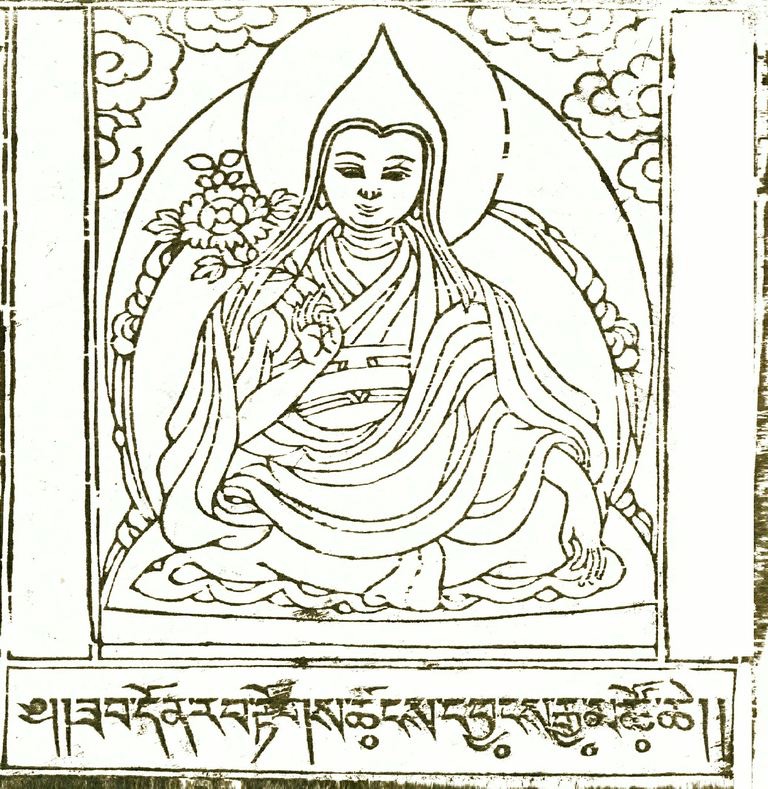
Tag Archives: Tibet

The Dalai Lamas: History, Selection, and the Most Renowned Incarnations

For more than five centuries, the Dalai Lamas have occupied a unique place in world history. They have served not only as spiritual leaders of Tibetan Buddhism but also, for much of their history, as political rulers of Tibet. Revered by millions of Buddhists around the world, the Dalai Lama is regarded as the earthly manifestation of compassion itself, a succession of reincarnated spiritual masters dedicated to helping all sentient beings achieve liberation from suffering.

The institution of the Dalai Lama is one of the most fascinating traditions in religious history. Unlike monarchies, where power is inherited through family bloodlines, or democracies, where leaders are elected, the Dalai Lama is believed to be reborn repeatedly, with each new incarnation identified through a complex process involving visions, prophecies, spiritual signs, and careful investigation.

Today, the Fourteenth Dalai Lama is among the world’s most recognized religious figures, known for his advocacy of peace, compassion, non-violence, and interfaith understanding. Yet the story of the Dalai Lamas extends far beyond the modern era and encompasses centuries of Tibetan history.

The Meaning of “Dalai Lama”

The title “Dalai Lama” combines Mongolian and Tibetan influences.

The word “Dalai” is Mongolian and means “ocean,” while “Lama” is a Tibetan term meaning “spiritual teacher” or “guru.” Together, the title is often interpreted as “Ocean of Wisdom.”

The Dalai Lama is believed to be an incarnation of Avalokiteshvara, known in Tibetan as Chenrezig, the Bodhisattva of Infinite Compassion. According to Buddhist belief, Avalokiteshvara vowed to remain in the cycle of rebirth until all beings were liberated from suffering.

Each Dalai Lama is therefore regarded not as an entirely separate individual but as a continuation of the same compassionate spiritual lineage.

The Origins of the Dalai Lama Institution

The lineage traces its origins to Gendun Drub (1391–1474), a disciple of the great Tibetan Buddhist reformer Je Tsongkhapa.

Interestingly, Gendun Drub was not known as the First Dalai Lama during his lifetime. The title was bestowed retrospectively after the recognition of later incarnations.

The title “Dalai Lama” was first granted to the Third Dalai Lama, Sonam Gyatso, by the Mongol ruler Altan Khan in 1578. The title was then applied retrospectively to his two predecessors, creating the lineage known today.

This relationship between Tibet and Mongolia helped establish the Dalai Lama as both a spiritual and political authority.

How a New Dalai Lama Is Chosen

One of the most intriguing aspects of Tibetan Buddhism is the process used to identify a new Dalai Lama.

When a Dalai Lama dies, senior monks begin searching for signs indicating where the next incarnation has been reborn.

The process may involve:

1. Observing Omens

Monks carefully observe unusual events occurring after the Dalai Lama’s death.

These signs may include:

Dreams experienced by senior lamas

Unusual weather patterns

Directions indicated by smoke from cremation ceremonies

Visions reported by respected spiritual practitioners

Such phenomena are believed to provide clues about the location of the rebirth.

2. Consulting Sacred Lakes

One of the most famous methods involves meditation at the sacred Lhamo La-tso.

Senior monks may receive visions while gazing into the lake. These visions might reveal:

Specific villages

Distinctive houses

Geographic landmarks

Letters or symbols

The information serves as guidance during the search.

3. Searching for Candidate Children

Investigation teams travel throughout Tibet looking for children born around the time of the previous Dalai Lama’s death.

Children displaying unusual maturity, spiritual inclination, or signs matching prophetic visions become candidates.

4. Recognition Tests

Potential candidates are often presented with objects belonging to the previous Dalai Lama mixed among similar items.

The child may correctly identify:

Prayer beads

Walking sticks

Ritual objects

Personal belongings

Recognition of these objects is considered evidence of continuity from one incarnation to the next.

5. Confirmation

After extensive investigation, senior monks and religious authorities formally recognize the child as the new Dalai Lama.

The child then begins years of intensive religious education and training.

The Fifth Dalai Lama: The Great Unifier

Among the most important figures in Tibetan history was Ngawang Lobsang Gyatso (1617–1682), often called “The Great Fifth.”

His achievements transformed the institution permanently.

With Mongol military support, he unified much of Tibet under a single government and established the Dalai Lama as both spiritual and temporal ruler.

His accomplishments included:

Unifying competing Tibetan regions

Strengthening Buddhist institutions

Establishing diplomatic relations with neighboring powers

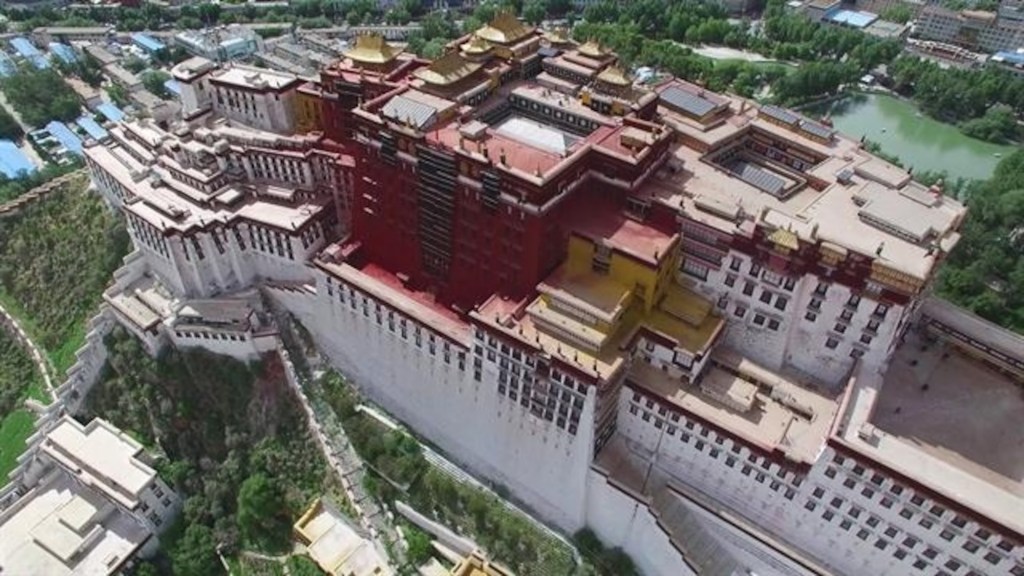
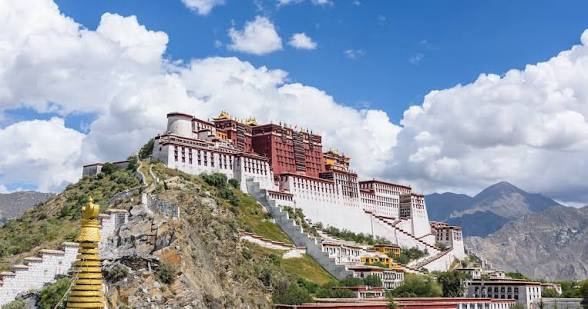
Beginning construction of the magnificent Potala Palace

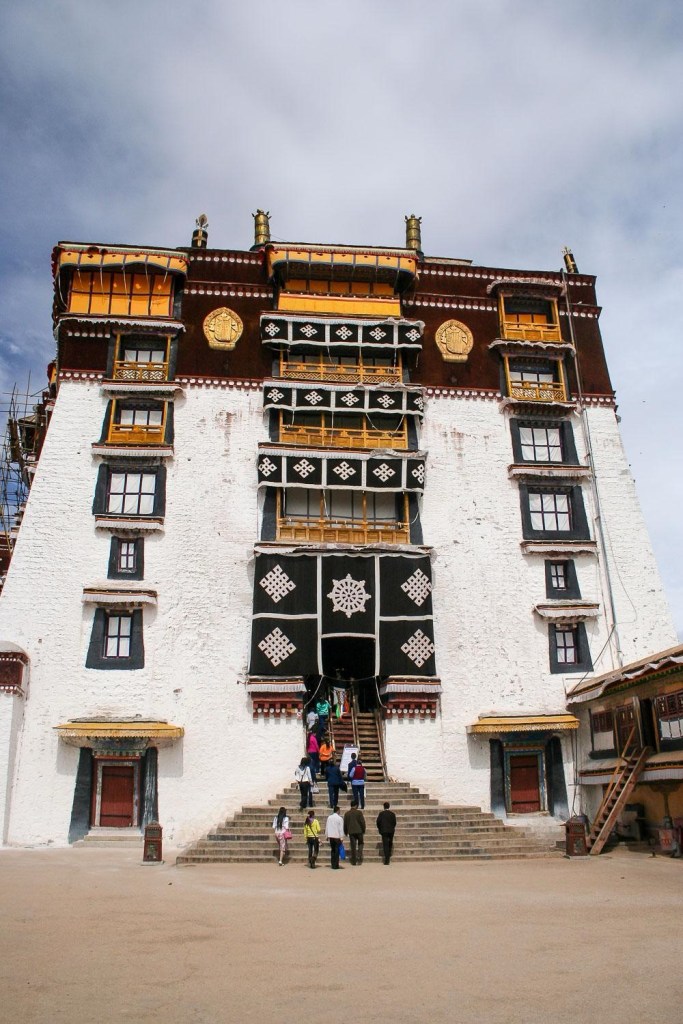
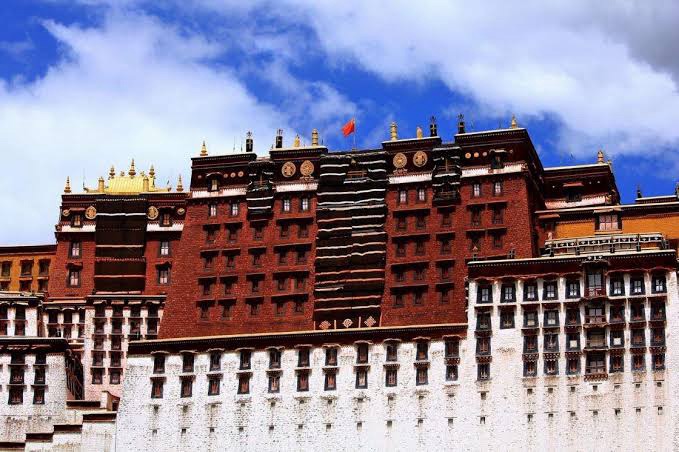
The Potala Palace became the winter residence of successive Dalai Lamas and remains one of the most recognizable landmarks in the world.

The Fifth Dalai Lama laid the foundation for centuries of Tibetan governance.

The Thirteenth Dalai Lama: A Modern Reformer

Another highly significant figure was Thubten Gyatso (1876–1933).

He ruled during a period of immense political change and recognized the need for modernization.

His reforms included:

Strengthening Tibet’s administration

Establishing postal services

Modernizing the military

Encouraging educational reforms

Increasing diplomatic engagement

The Thirteenth Dalai Lama also foresaw many future challenges facing Tibet. Shortly before his death, he warned of external threats and emphasized the importance of preserving Tibetan culture and independence.

Many Tibetans view him as one of the wisest and most visionary leaders in the lineage.

The Fourteenth Dalai Lama

Tenzin Gyatso was born on 6 July 1935 in a small village in northeastern Tibet.

Born as Lhamo Thondup, he was identified as the reincarnation of the Thirteenth Dalai Lama at the age of two.

According to accounts from the search party, the child recognized several belongings of the previous Dalai Lama and demonstrated unusual familiarity with visitors.

He was formally enthroned in Lhasa in 1940.

His life would become intertwined with one of the most dramatic periods in Tibetan history.

Tibet and Exile

In 1950, forces from the People’s Republic of China entered Tibet.

Political tensions increased throughout the decade, culminating in the Tibetan uprising of 1959.

Following the failed uprising, the Dalai Lama fled across the Himalayas into India.

He eventually established the Tibetan government-in-exile in Dharamshala.

Thousands of Tibetans followed him into exile.

Although separated from his homeland, the Fourteenth Dalai Lama became the global face of Tibetan culture and Buddhism.

International Recognition

Throughout the second half of the twentieth century, the Fourteenth Dalai Lama emerged as a leading advocate of non-violence and peaceful conflict resolution.

His teachings emphasize:

Compassion

Ethical living

Religious harmony

Environmental responsibility

Human rights

In 1989, he received the prestigious Nobel Peace Prize for his commitment to peaceful solutions and his rejection of violence.

The award brought international attention to Tibet’s situation and further enhanced his standing as a global moral leader.

Spiritual Role of the Dalai Lama

While many people focus on the Dalai Lama’s political significance, his primary role remains spiritual.

He serves as:

A Buddhist teacher

A monk

A scholar

A spiritual guide

A symbol of compassion

The Dalai Lama teaches that compassion is not merely a religious ideal but a practical necessity for human survival.

His public lectures often stress universal values that transcend religious boundaries.

These include kindness, forgiveness, empathy, and responsibility toward others.

The Future of the Dalai Lama Institution

One of the most discussed questions today concerns the future of the Dalai Lama lineage.

The Fourteenth Dalai Lama has indicated that the institution may continue, change, or even end, depending on circumstances and the wishes of the Tibetan people.

He has suggested several possibilities:

A traditional reincarnation

A reincarnation born outside Tibet

A recognized female incarnation

The voluntary conclusion of the lineage

These discussions reflect broader questions about the preservation of Tibetan culture and religion in the modern world.

The issue remains politically sensitive and spiritually significant.

Women and the Dalai Lama Lineage

Historically, all Dalai Lamas have been male.

However, the current Dalai Lama has stated that there is no theological reason preventing a future Dalai Lama from being female.

Such a development would be consistent with Buddhist teachings that enlightenment transcends gender.

Many scholars regard this possibility as an important example of Buddhism’s capacity for adaptation while maintaining continuity with ancient traditions.

Legacy of the Dalai Lamas

Over more than 500 years, the Dalai Lamas have influenced religion, politics, culture, art, and philosophy throughout the Himalayan region and beyond.

Their legacy can be seen in:

Monasteries across Tibet and the Himalayas

Tibetan Buddhist scholarship

Artistic traditions

Diplomatic history

Global interest in mindfulness and compassion

The institution has survived invasions, political upheavals, exile, and modernization while continuing to inspire millions of followers.

The Dalai Lama represents one of the world’s most remarkable religious traditions. Rooted in the Buddhist ideal of compassion, the lineage is based on the belief that enlightened beings voluntarily return life after life to serve others.

From the First Dalai Lama’s humble beginnings to the Great Fifth’s unification of Tibet, from the reforms of the Thirteenth Dalai Lama to the global influence of the Fourteenth, the lineage reflects both spiritual continuity and historical change.

The process of identifying a reincarnated child, educating him for leadership, and entrusting him with the preservation of an entire spiritual tradition remains unique in human history.

Today, the Fourteenth Dalai Lama stands as one of the most respected religious leaders in the world. Regardless of what form future incarnations may take, the ideals associated with the Dalai Lama—wisdom, compassion, non-violence, and service to humanity—continue to resonate far beyond the mountains of Tibet.

For Buddhists, the Dalai Lama is more than a person. He is a living embodiment of compassion, an enduring reminder that wisdom and kindness can guide humanity through even its most challenging times.

Tim Alderman ©️ 2026

Buddhism in Tibet: History, Traditions, and Enduring Legacy

Tibetan Buddhism is one of the world’s most fascinating and distinctive spiritual traditions. Known for its colourful rituals, profound philosophical teachings, intricate art, and emphasis on compassion and wisdom, Tibetan Buddhism has captivated people both within and beyond the Himalayan region. For more than a thousand years, Buddhism has shaped the culture, politics, literature, and identity of Tibet, becoming inseparable from Tibetan civilization itself.

The story of Buddhism in Tibet is one of adaptation and transformation. Originating in India, Buddhism crossed the towering Himalayas and merged with local Tibetan beliefs, creating a unique spiritual tradition that continues to inspire millions worldwide. Despite periods of persecution, political upheaval, and exile, Tibetan Buddhism has survived and flourished, spreading far beyond its traditional homeland.

The Arrival of Buddhism in Tibet

Before Buddhism arrived, Tibet was dominated by the indigenous Bon religion. Bon involved animistic beliefs, shamanic practices, rituals for spirits, and reverence for natural forces. Although later Tibetan Buddhism would absorb many aspects of Bon culture, the two traditions remained distinct.

The introduction of Buddhism to Tibet began during the seventh century under King Songtsen Gampo. Often regarded as one of Tibet’s greatest rulers, Songtsen Gampo unified much of the Tibetan plateau and established Tibet as a major regional power.

According to Tibetan tradition, the king’s marriages to Buddhist princesses from Nepal and China played a significant role in introducing Buddhist ideas and sacred objects to Tibet. Temples were constructed, including the famous Jokhang Temple in Lhasa, which remains one of Tibetan Buddhism’s holiest sites.

While Buddhism gained an initial foothold during this period, it did not immediately replace traditional beliefs. Its deeper establishment would occur during the reign of later rulers.

Padmasambhava and the Foundation of Tibetan Buddhism

The eighth century marked a turning point with the arrival of the Indian Buddhist master Padmasambhava, known affectionately as Guru Rinpoche (“Precious Master”).

Invited by King Trisong Detsen, Padmasambhava helped establish Buddhism throughout Tibet. Tibetan legends describe him subduing local spirits and transforming them into protectors of the Buddhist teachings. Whether viewed literally or symbolically, these stories illustrate how Buddhism adapted to Tibetan culture rather than attempting to erase it.

Padmasambhava worked alongside the scholar Shantarakshita to found Samye Monastery, the first Buddhist monastery in Tibet. Samye became a centre for translation, learning, meditation, and monastic training.

The efforts of these early masters resulted in the translation of hundreds of Buddhist scriptures from Sanskrit into Tibetan. These translations preserved many Indian Buddhist texts that were later lost in India itself, making Tibet one of the most important custodians of Buddhist knowledge.

The Development of Tibetan Buddhist Schools

Over time, several major schools of Tibetan Buddhism emerged. Although differing in lineage, practices, and emphasis, they share core Buddhist teachings.

Nyingma School

The Nyingma, or “Ancient Ones,” trace their origins directly to Padmasambhava and the earliest period of Buddhism in Tibet. Nyingma teachings place particular emphasis on Dzogchen, or the “Great Perfection,” a profound meditation system focused on recognizing the mind’s innate enlightened nature.

Nyingma practitioners often regard Padmasambhava as a second Buddha whose teachings remain especially relevant for the modern age.

Kagyu School

The Kagyu tradition emphasizes meditation and direct spiritual experience. It traces its origins through the Indian masters Tilopa and Naropa and the Tibetan translator Marpa.

One of the most beloved figures in Tibetan history is Milarepa, a Kagyu saint renowned for achieving enlightenment after years of intense meditation in mountain caves. His life story continues to inspire practitioners seeking spiritual transformation.

Sakya School

The Sakya school emerged during the eleventh century and became influential both spiritually and politically. Sakya scholars developed sophisticated philosophical systems and maintained strong connections with Mongol rulers during the medieval period.

Gelug School

Founded by the reformer Tsongkhapa in the fourteenth century, the Gelug school emphasizes ethical discipline, scholarship, and systematic study.

The Gelug tradition eventually became Tibet’s dominant political and religious force. The Dalai Lama lineage belongs to this school, and many of Tibet’s largest monasteries were established under its influence.

Core Beliefs and Teachings

Tibetan Buddhism shares the essential teachings found throughout Buddhism.

The Four Noble Truths

The Buddha taught that suffering exists, that suffering has causes, that liberation from suffering is possible, and that the path to liberation is the Noble Eightfold Path.

These teachings form the foundation of Tibetan Buddhist practice.

Karma and Rebirth

Tibetan Buddhists believe that actions have consequences extending beyond a single lifetime. Positive actions create beneficial results, while harmful actions generate suffering.

The cycle of birth, death, and rebirth continues until enlightenment is achieved.

Compassion and Wisdom

Compassion is considered indispensable in Tibetan Buddhism. Practitioners strive not only for personal liberation but also for the welfare of all beings.

Wisdom involves understanding the true nature of reality, including the Buddhist concept of emptiness—the idea that all phenomena arise through interdependence rather than existing independently.

The union of compassion and wisdom is regarded as the essence of enlightenment.

The Bodhisattva Ideal

A defining feature of Tibetan Buddhism is the Bodhisattva ideal.

A Bodhisattva is someone who aspires to attain enlightenment for the benefit of all sentient beings. Rather than seeking liberation solely for oneself, a Bodhisattva vows to help others overcome suffering.

This aspiration is known as Bodhicitta, often translated as the “awakening mind.”

Practices designed to cultivate Bodhicitta include meditation on compassion, loving-kindness, and empathy. Many Tibetan Buddhists recite prayers expressing their wish to benefit all beings throughout countless lifetimes.

Monasteries and Monastic Life

Monasteries have historically been at the heart of Tibetan society.

These institutions served not only as religious centres but also as schools, libraries, cultural repositories, and community hubs. Monks and nuns devoted themselves to study, meditation, ritual practice, and service.

Some monasteries housed thousands of residents. Major monastic universities developed rigorous systems of education, including logic, philosophy, ethics, psychology, and metaphysics.

Debate became a distinctive feature of Tibetan monastic training. Through structured philosophical discussions, students sharpened their understanding of Buddhist teachings and cultivated analytical insight.

Meditation and Spiritual Practice

Meditation occupies a central place in Tibetan Buddhism.

Practitioners engage in a wide variety of contemplative techniques. Some meditations focus on concentration and mindfulness, while others cultivate compassion or investigate the nature of consciousness.

Visualization practices are particularly distinctive. Practitioners may imagine enlightened beings such as Buddhas or Bodhisattvas, not as external gods but as symbolic representations of enlightened qualities already present within the mind.

Mantra recitation is also common. Sacred syllables are repeated to focus attention, develop spiritual qualities, and deepen meditative awareness.

Prayer wheels, prayer flags, and ritual instruments further enrich devotional practice.

Tibetan Buddhist Art and Culture

Tibetan Buddhism has produced a rich artistic heritage.

Thangka paintings depict Buddhas, Bodhisattvas, teachers, and sacred mandalas. These works function not merely as decorations but as visual aids for meditation and spiritual instruction.

Mandalas, intricate geometric representations of enlightened realms, symbolize the universe and the path toward awakening.

Monasteries feature elaborate murals, statues, and architectural designs reflecting profound religious symbolism.

Music, chanting, dance, and ritual ceremonies also play important roles in Tibetan religious life. Festivals bring communities together to celebrate spiritual teachings and cultural traditions.

The Institution of the Dalai Lama

Perhaps the most internationally recognized symbol of Tibetan Buddhism is the Dalai Lama.

The title “Dalai Lama” means “Ocean of Wisdom.” Tibetan Buddhists regard each Dalai Lama as the reincarnation of Avalokiteshvara, the Bodhisattva of Compassion.

Beginning in the seventeenth century, the Dalai Lamas served as both spiritual and political leaders of Tibet. This unique combination of religious and governmental authority shaped Tibetan society for centuries.

The Fourteenth Dalai Lama, Tenzin Gyatso, has become a global advocate for peace, compassion, nonviolence, and interfaith dialogue. His teachings have introduced Tibetan Buddhism to audiences around the world.

Challenges in the Modern Era

The twentieth century brought profound challenges to Tibet and Tibetan Buddhism.

Following political changes in the mid-twentieth century, many monasteries were damaged or destroyed, particularly during periods of political upheaval. Large numbers of monks, nuns, and lay Tibetans fled into exile.

In 1959, the Dalai Lama left Tibet and established a government-in-exile in India. Numerous monasteries were re-established in exile communities, preserving traditions that might otherwise have been lost.

Despite these difficulties, Tibetan Buddhism demonstrated remarkable resilience. Monastic education continued, sacred texts were preserved, and new generations of teachers emerged.

Tibetan Buddhism Around the World

One of the most remarkable developments of the modern era has been the global spread of Tibetan Buddhism.

Teachers from all major Tibetan traditions established centres across Europe, North America, Australia, and many other regions. Translations of Tibetan texts became widely available, allowing people from diverse backgrounds to study Buddhist philosophy and meditation.

Western interest in mindfulness, compassion training, psychology, and contemplative science has further increased engagement with Tibetan Buddhist teachings.

Scientific research into meditation has generated dialogue between Buddhist practitioners and neuroscientists, creating new opportunities for understanding the human mind.

Today, Tibetan Buddhist communities can be found on every inhabited continent.

Enduring Relevance

The continuing appeal of Tibetan Buddhism lies partly in its emphasis on compassion, ethical responsibility, and inner transformation.

In a world often characterized by conflict, distraction, and uncertainty, Tibetan Buddhist teachings encourage individuals to cultivate patience, wisdom, and concern for others. Rather than offering simple answers, the tradition provides practical methods for understanding the mind and reducing suffering.

Its teachings on interdependence are particularly relevant in an increasingly interconnected world. Tibetan Buddhism reminds us that our actions affect others and that genuine happiness cannot be separated from the wellbeing of the wider community.

Buddhism in Tibet represents one of humanity’s most remarkable spiritual and cultural achievements. Emerging from the encounter between Indian Buddhist wisdom and Tibetan culture, it developed into a sophisticated tradition encompassing philosophy, meditation, art, ethics, and social organization.

From the pioneering efforts of Padmasambhava and the early kings to the global influence of the Dalai Lama and contemporary Tibetan teachers, Tibetan Buddhism has demonstrated extraordinary adaptability and resilience. Despite centuries of challenges, it continues to inspire people through its commitment to compassion, wisdom, and the possibility of human awakening.

Today, Tibetan Buddhism remains both a living religious tradition and a profound source of insight into the human condition. Its enduring message—that compassion and wisdom can transform both individuals and societies—continues to resonate across cultures and generations.

Tim Alderman ©️ 2026

Buddhism 101: The Short Life, And Tragic Death, Of The Sixth Dalai Lama. Poet & Playboy?

The Sixth Dalai Lama. Courtesy Himalayan Art Resources

The 6th Dalai Lama’s life story is a curiosity to us today. He received ordination as the most powerful lama in Tibet only to turn his back on monastic life. As a young adult he spent evenings in taverns with his friends and enjoyed sexual relations with women. He is sometimes called the “playboy” Dalai Lama.

However, a closer look at His Holiness Tsangyang Gyatso, the 6th Dalai Lama, shows us a young man who was sensitive and intelligent, even if undisciplined. After a childhood locked away in a country monastery with hand-picked tutors, his assertion of independence is understandable. The violent end of his life makes his story a tragedy, not a joke.

Prologue

The story of the 6th Dalai Lama starts with his predecessor, His Holiness Ngawang Lobsang Gyatso, the 5th Dalai Lama. The “Great Fifth” lived in a time of volatile political upheaval. He persevered through adversity and unified Tibet under his rule as the first of the Dalai Lamas to be political and spiritual leaders of Tibet.

Near the end of his life, the 5th Dalai Lama appointed a young man named Sangye Gyatso as his new Desi, an official who managed most of the Dalai Lama’s political and governing duties. With this appointment the Dalai Lama also announced that he was withdrawing from public life to focus on meditation and writing. Three years later, he died.

Sangye Gyatso and a few co-conspirators kept the 5th Dalai Lama’s death a secret for 15 years. Accounts differ as to whether this deception was at the 5th Dalai Lama’s request or was Sangye Gyatso’s idea. In any event, the deception averted possible power struggles and allowed for a peaceful transition to the rule of the 6th Dalai Lama.

The Choice

The boy identified as the Great Fifth’s rebirth was Sanje Tenzin, born in 1683 to noble family that lived in the border lands near Bhutan. The search for him had been carried out in secret. When his identity was confirmed, the boy and his parents were taken to Nankartse, a scenic area about 100 kilometers from Lhasa. The family spent the next 12 years in seclusion while the boy was tutored by lamas appointed by Sangye Gyatso.

In 1697 the death of the Great Fifth finally was announced, and 14-year-old Sanje Tenzin was brought in great fanfare to Lhasa to be enthroned as His Holiness the 6th Dalai Lama, Tsangyang Gyatso, meaning “Ocean of Divine Song.” He moved into the just-completed Potala Palace to begin his new life.

The teenager’s studies continued, but as time passed he showed less and less interest in them. As the day approached for his full monk’s ordination he balked, then renounced his novice ordination. He began to visit taverns at night and was seen staggering drunkenly through the streets of Lhasa with his friends. He dressed in the silk clothes of a nobleman. He kept a tent outside Potala Palace where he would bring young women.

Enemies Near and Far

At this time China was ruled by the Kangxi Emperor, one of the most formidable rulers of China’s long history. Tibet, through its alliance with fierce Mongol warriors, posed a potential military threat to China. To soften this alliance, the Emperor sent word to Tibet’s Mongol allies that Sangye Gyatso’s concealment of the Great Fifth’s death was an act of betrayal. The Desi was trying to rule Tibet himself, the Emperor said.

Indeed, Sangye Gyatso had become accustomed to managing Tibet’s affairs on his own, and he was having a hard time letting go, especially when the Dalai Lama was mostly interested in wine, women and song.

The Great Fifth’s chief military ally had been a Mongol tribal chief named Gushi Khan. Now a grandson of Gushi Khan decided it was time to take affairs in Lhasa in hand and claim his grandfather’s title, king of Tibet. The grandson, Lhasang Khan, eventually gathered an army and took Lhasa by force. Sangye Gyatso went into exile, but Lhasang Khan arranged his assassination, in 1701. Monks sent to warn the former Desi found his decapitated body.

The End

Now Lhasang Khan turned his attention to the dissolute Dalai Lama. In spite of his outrageous behavior he was a charming young man, popular with Tibetans. The would-be king of Tibet began to see the Dalai Lama as a threat to his authority.

Lhasang Khan sent a letter to the Kangxi Emperor asking if the Emperor would support deposing the Dalai Lama. The Emperor instructed the Mongol to bring the young lama to Beijing; then a decision would be made what to do about him.

Then the warlord found Gelugpa lamas willing to sign an agreement that the Dalai Lama was not fulfilling his spiritual responsibilities. Having covered his legal bases, Lhasang Khan had the Dalai Lama seized and taken to an encampment outside Lhasa. Remarkably, monks were able to overwhelm the guards and take the Dalai Lama back to Lhasa, to Drepung Monastery.

Then Lhasang fired cannon at the monastery, and Mongol horsemen broke through defenses and rode into the monastery grounds. The Dalai Lama decided to surrender to Lhasang to avoid further violence. He left the monastery with some devoted friends who insisted on coming with him. Lhasang Khan accepted the Dalai Lama’s surrender and then had his friends slaughtered.

There is no record of exactly what caused the 6th Dalai Lama’s death, only that he died in November 1706 as the traveling party approached China’s central plain. He was 24 years old.

The Poet

Yama, mirror of my karma,
Ruler of the underworld:
Nothing went right in this life;
Please let it go right in the next.

Reference