The Legacy of the Medici Papacy: Renaissance Splendour, Religious Upheaval, and the End of an Era
“The Medici transformed the papacy into the greatest court in Europe—but in doing so, they also helped unleash forces that forever changed Christianity.”
The story of the Medici popes is one of dazzling contradiction. They presided over one of the greatest explosions of artistic achievement in human history while simultaneously steering the Roman Catholic Church into one of its deepest crises. They were patrons of genius, lovers of luxury, masters of political intrigue and, at times, surprisingly capable administrators. Yet they were also products of an age in which the Church had become entangled in wealth, dynastic ambition and secular politics.
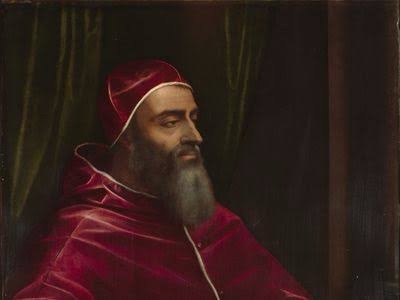
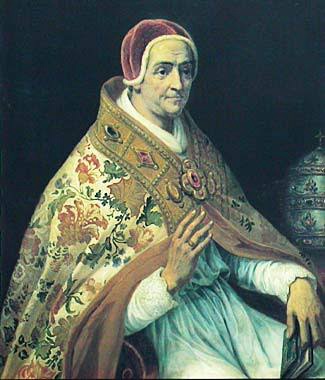
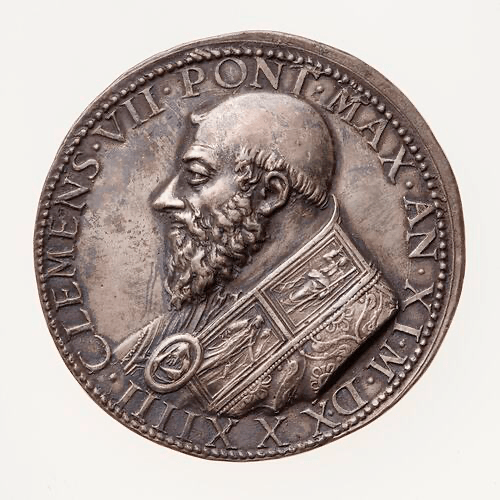
Over the course of this series we have met three Medici popes—Leo X, Clement VII and the short-lived Leo XI. Together they represented the extraordinary rise of one Florentine banking family to the highest office in Christendom. Their reigns coincided with the flowering of the Renaissance, the birth of Protestantism, the sack of Rome and the beginning of the Catholic Church’s painful journey towards reform.
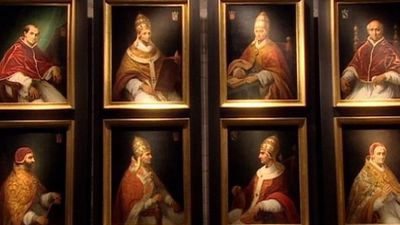
Their legacy deserves neither outright condemnation nor uncritical admiration. Instead, it is a cautionary tale about what can happen when spiritual authority becomes inseparable from political and financial power.
The Renaissance Papacy at its Zenith
By the early sixteenth century, the papacy had become something almost unimaginable to modern Catholics.
The Pope was no longer simply the Bishop of Rome or spiritual leader of Western Christianity. He was a prince, monarch, diplomat, military commander and one of Europe’s greatest patrons of the arts.
The Vatican rivalled the royal courts of France, Spain and the Holy Roman Empire.
Magnificent banquets, elaborate ceremonies and artistic commissions projected both religious devotion and worldly prestige.
The Medici embraced this vision wholeheartedly.
Leo X famously declared that God had given the papacy to the Medici family and they intended to enjoy it.
Whether or not he actually uttered those exact words, they accurately capture the spirit of his pontificate.
For Leo X, beauty glorified God.
Magnificent churches inspired worship.
Artists revealed divine truths.
Music elevated the soul.
Libraries preserved civilisation.
In many respects he was correct.
Without Medici patronage the world might never have inherited many of the masterpieces that continue to inspire millions today.
Patrons of Genius
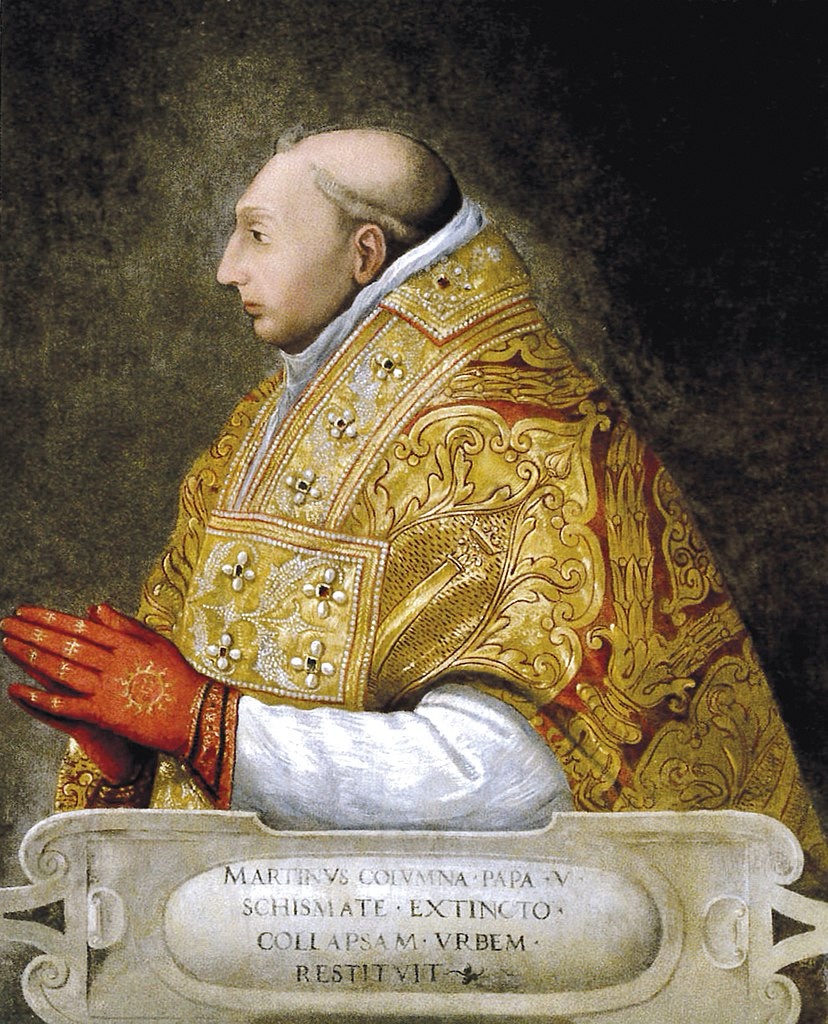
Perhaps the greatest achievement of the Medici popes lies not in theology but culture.
They funded artists whose works still define Western civilisation.
Among those who flourished under Medici patronage were:
Michelangelo Buonarroti
Raphael
Leonardo da Vinci (through broader Medici patronage before the papacies)
Baldassare Peruzzi
Giulio Romano
The rebuilding of St Peter’s Basilica accelerated dramatically during their reigns.
The Vatican became a centre not only of religion but scholarship, archaeology, architecture, literature and music.
Classical manuscripts were preserved.
Ancient sculpture was collected.
Humanist learning flourished.
Ironically, many Protestants who denounced papal corruption nevertheless admired the artistic achievements funded by those very popes.
The Renaissance reached its fullest expression under the Medici.
The Cost of Splendour
Great art came with an enormous price.
The construction of St Peter’s Basilica alone required staggering sums.
Maintaining the papal court demanded even more.
Wars between Italian states drained the treasury.
Patronage networks required constant funding.
Luxury became expected.
Money had to come from somewhere.
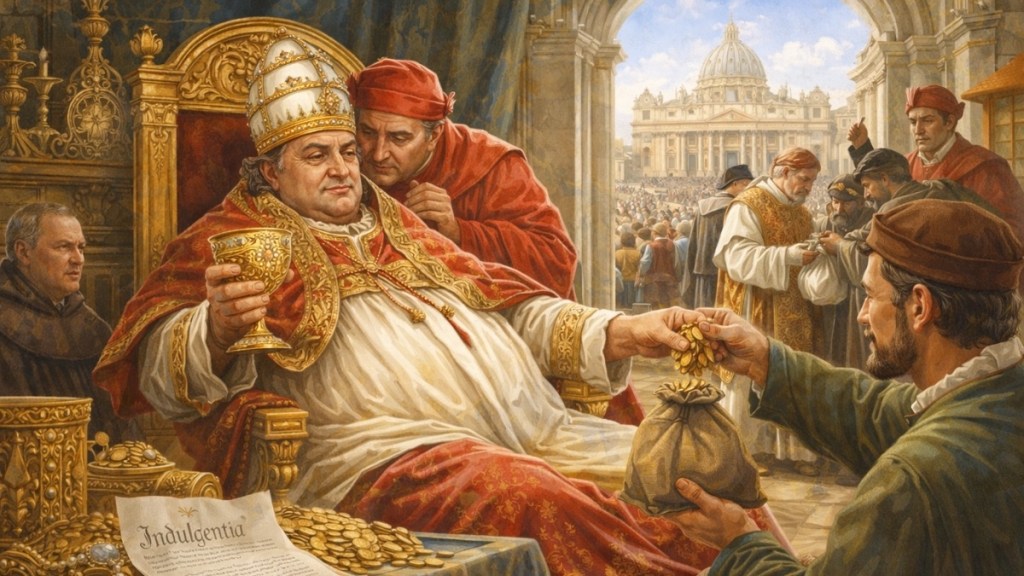
That somewhere increasingly became the faithful.
Taxes increased.
Church offices were sold.
Benefices were granted for political loyalty.
Most notoriously, indulgence campaigns expanded across Europe.
Although indulgences themselves had long existed within Catholic theology, their aggressive promotion during Leo X’s reign convinced many ordinary Christians that salvation itself was being commercialised.
The Dominican friar Johann Tetzel became the public face of this fundraising.
His preaching provoked an Augustinian monk in Wittenberg.
That monk was Martin Luther.
The Protestant Reformation
No event shaped the Medici legacy more profoundly than the Protestant Reformation.
When Luther published his Ninety-five Theses in 1517, few imagined they would fracture Western Christianity.
Initially Leo X dismissed Luther as a troublesome monk.
The papacy underestimated both Luther’s determination and the widespread frustration simmering across Europe.
The issue was never simply indulgences.
People questioned:
corruption
absentee bishops
clerical wealth
papal taxation
political interference
moral standards among clergy
Printing presses spread reform ideas faster than Rome could suppress them.
By the time Leo realised the seriousness of the movement, events had escaped papal control.
Europe would never again be religiously united.
Clement VII and Catastrophe
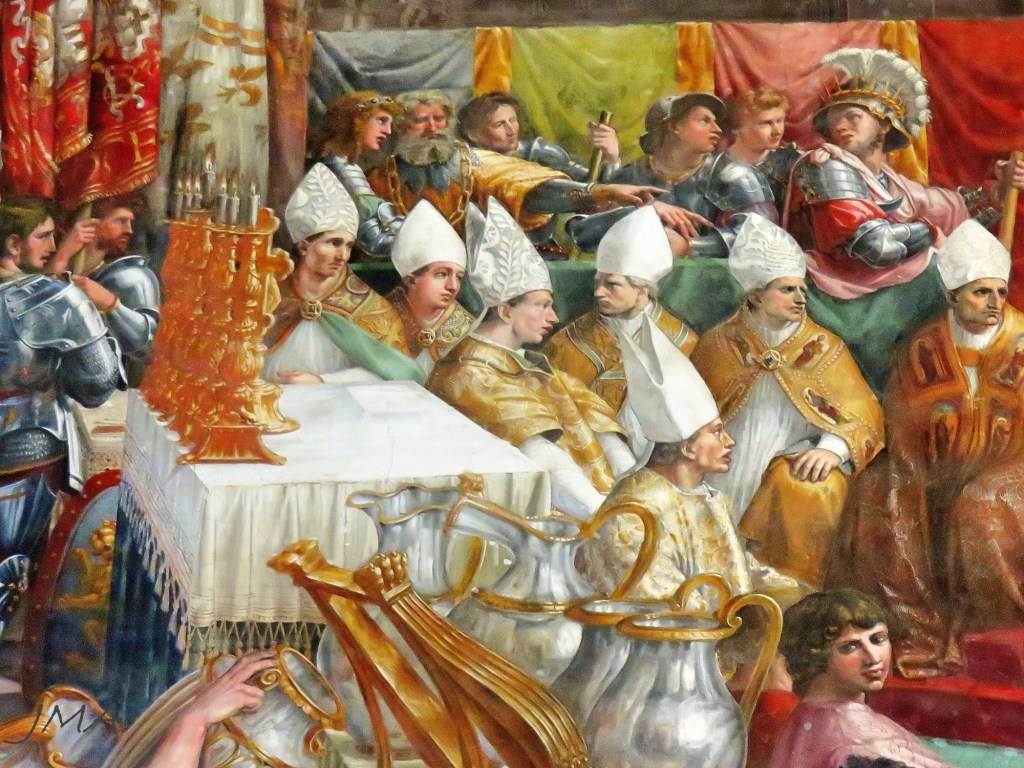
If Leo X inadvertently ignited the Reformation, Clement VII inherited the fire.
His greatest political mistake was attempting to balance the competing ambitions of Francis I of France and Emperor Charles V.
The strategy failed spectacularly.
In 1527 imperial troops—many themselves Lutheran sympathisers—marched on Rome.
The Sack of Rome shocked Europe.
Churches were desecrated.
Nuns assaulted.
Priests murdered.
Cardinals ransomed.
Libraries destroyed.
Relics stolen.
The Pope himself fled through the Passetto di Borgo into the fortress of Castel Sant’Angelo, where he remained trapped for months.
Many contemporaries interpreted the catastrophe as divine judgement upon papal corruption.
Even loyal Catholics believed God had spoken.
England Breaks Away
As if the Reformation and Sack of Rome were not enough, Clement VII faced another impossible dilemma.
King Henry VIII sought an annulment from Catherine of Aragon.
Granting it would offend Emperor Charles V, Catherine’s nephew.
Refusing it risked alienating England.
Clement hesitated.
Years passed.
Eventually Henry rejected papal authority altogether.
The Church of England was born.
Another great kingdom slipped permanently beyond Rome’s control.
Leo XI: A Symbol Rather Than a Ruler
Leo XI’s pontificate lasted only twenty-seven days.
He achieved little in practical terms.
Yet symbolically his election represented the final flowering of Medici prestige.
The dynasty had produced three popes.
No family better embodied the fusion of banking, politics, Renaissance culture and ecclesiastical power.
His early death marked the end of Medici dominance within the papacy.
The age of Renaissance princely popes was drawing to a close.
The Catholic Response
The Church did not ignore its failures forever.
The crisis eventually forced reform from within.
The Council of Trent (1545–1563) became the defining moment of the Catholic Counter-Reformation.
Many abuses associated with the Renaissance papacy were finally addressed.
Seminaries improved priestly education.
Discipline tightened.
The sale of offices was curbed.
Indulgence abuses were restricted.
Residence requirements for bishops were enforced.
Theological teaching became more clearly defined.
Ironically, the very excesses associated with the Medici helped produce a stronger and more disciplined Catholic Church.
A Balanced Verdict
Modern historians increasingly avoid simplistic judgements.
The Medici popes were neither saints nor monsters.
They were Renaissance princes occupying a medieval office that was rapidly becoming unsuited to Renaissance politics.
Their failures reflected broader problems affecting European society.
Many bishops lived extravagantly.
Many monarchs interfered in religion.
Corruption existed throughout Europe.
Yet the popes bore greater responsibility because they claimed moral leadership over Christendom.
Their greatest failure was allowing worldly ambition to overshadow spiritual renewal.
Their greatest achievement was fostering one of history’s greatest cultural renaissances.
Few individuals have simultaneously inspired Michelangelo’s masterpieces and Martin Luther’s rebellion.
Their Lasting Legacy
More than five centuries later, the Medici popes continue to fascinate because they embody one of history’s greatest paradoxes.
They presided over extraordinary beauty while overlooking profound institutional decay.
They enriched civilisation with magnificent art while contributing to Christianity’s greatest division.
Their Rome dazzled the eye but often disappointed the conscience.
Yet history is rarely black and white.
Without the Medici there may have been no High Renaissance as we know it.
Without their mistakes there may never have been the sweeping reforms that revitalised the Catholic Church after Trent.
Their story reminds us that great civilisations often produce brilliance and blindness in equal measure.
The Medici popes stand as enduring symbols of an age when faith, politics, money and art became so closely entwined that separating them became almost impossible. Their triumphs still fill museums and churches. Their failures reshaped the religious map of Europe.
Few families have left a deeper mark on both the history of Christianity and the history of Western civilisation.
Tim Alderman ©️2026
Sources
The Oxford History of the Popes
A History of the Popes
The Renaissance Popes
The Reformation
The Renaissance
The Civilisation of the Renaissance in Italy