Kinky gay men who are open and honest with partners are more likely to have better mental health
Photo: torbakhopper / Flickr
Gay men have revealed the fetishes they don’t want others to know about.
XTube surveyed their users to determine and rank which fetishes they get turned most on by.
The winner was ‘partialism’, also known as a fetish for a particular part of the body. This could be anything from feet to a hairy chest.
Role play was second on the list, while narratophilia (or dirty talk) was third on the list.
The answers was collected from over 3,000 gay or bisexual men over the age of 18.
Fetishes
Clothes often play a key part in people’s fetishes | Photo: Differio
The full list:
1. Partialism (9.54%)
2. Role play (8.24%)
3. Narratophilia [or dirty talk] (7.55%)
4. Uniforms [firefighters, soldiers etc] (7.41%)
5. Bondage (7.31%)
6. Submission (7. 3%)
7. Exhibitionism [sex in a place you can get caught] (6.28%)
8. Voyeurism [watching others have sex] (4.7%)
9. Maschalagnia [armpits] (3.4%)
10. Macrophilia [someone being bigger than you] (2.79%)
11. Olfactophilia [smells and odors] (2.52%)
12. Clothing fetishism [leather, rubber] (2.14%)
13. Underwear fetishism [jockstraps, etc] (2.01%)
14. Ablutophilia [baths, showers] (1.78%)
15. Technosexuality [robots, toys etc] (1.4%)
16. Medical fetishism [doctors etc] (1.36%)
17. Podophilia [feet] (1.24%)
18. Coulrophilia [clowns] (1.11%)
19. Sitophilia [food] (1%)
20. Pygophilia [bums] (0.79%)
21. Transvestophilia [wearing clothing typically worn by the opposite gender] (0.65%)
22. Toonophilia [cartoons] (0.3%)
Kink and mental health
If you are kinky, psychotherapists advise to share it with your partners if you already have good communication.
Also, some studies say people who do engage in kink are more likely to have positive mental health.
Deborah Fields, a kink-specialist and psychotherapist, told Gay Star News: ‘[There are studies that say] people who are kinky are more likely to be ok with themselves. People who are kinky tend to have better mental health than people who are not.
‘It’s a hard one to judge. I see a lot of mental health issues. However, do I see any more mental health issues than those outside of the kink community. No.
‘I think what kinky people do is talk more. We have to talk about our shit more than someone that doesn’t. You’re negotiating consent. That community, we, are more likely to discuss things and be open about mental health upfront. The idea of being risk-aware is also including mental health.
‘Research says we’re quite ok. However, there’s no widespread research that has yet to look at the kink community.
New calls for Kink to be added to LGBTI acronym
What do you think?
Should ‘Kink’ be a part of the LGBTI acronym? | Photo: torbakhopper and See-ming Lee / Flickr
There are new calls for the letter ‘K’ (which stands for ‘Kink’) to join the LGBTI initialism.
According The Gay UK, the full all-inclusive list of initials is now: LGBTQQICAAAPF2K+
Breaking this down, the letters stand for Lesbian, Gay, Bisexual, Transgender, Queer, Questioning, Intersex, Asexual, Agender, Ally, Pansexual, Polysexual, Friends and Family, Two Spirit and Kink.
But many took to Twitter to respond with confusion to the addition of ‘k’ to the list.
Some called out the fact kink is not a sexuality or a gender identity.
Vonny Leclerk said: ‘There’s now a K for Kink in the LGBT+ acronym. Really? Is kinkiness now viewed as a sexual orientation?’
Twitter user Sister Outrider wrote: ‘Just no. [It] is not a sexual orientation. People with sexual kinks do not face any structural or systematic discrimination as a result of those proclivities.’
‘Isn’t Pride all about celebrating who you have sex with?’
Previous forums on the subject also discuss the appropriateness of adding kink to the acronym.
On a previous MacRumors forum, one user wrote: ‘The queer community is already incredibly sexualized.’
‘One major problem I have with including kink in the LGBTQ+ community is it makes LGBTQ+ spaces inappropriate for minors. LGBTQ+ youth need safe spaces to express themselves and any struggles they may be facing as a result of their identity,’ they said.
But then another came to kink’s defence: ‘Personally, I see the sexual aspect of gay pride parades being the participants giving the finger to the people grossed out by the sexual aspect of their relationship as if that’s the only thing it is about.’
Then another said: ‘Isn’t Pride all about celebrating who you have sex with?’
What do you think?
Who watches the most kink and BDSM porn out of gay, bisexual or straight men?
Other findings include how one in five straight men watches gay porn
Who out of straight, bisexual and gay men is the most interested in kink?
A new study has surveyed the porn-viewing habits of 821 gay, straight and bisexual men from across the US, and the results are very revealing.
One in five straight men watches gay porn and 55% of gay men watches straight porn.
Other findings included how bisexual men were far less interested in kink or BDSM than their straight or gay counterparts.
Dr Martin J Downing, the lead researcher, was surprised to find how 21% of men, who say they only had sex with women, would watch two men having sex together on screen.
He found sexual behavior and sexual identity seems to line up, with straight men having sex with women and (apart from a rare few) gay men having sex with men.
Downing said this ‘identity discrepant viewing’ as ‘some level of evidence’ of fluidity in sexual attraction, at least in the habits of what porn they watch.
Bisexual men displayed different porn-viewing habits to gay or straight men, with bis saying they watch guy-on-guy porn just as must as gay men do and watching guy-on-girl porn almost as much as straight men. They also reported watching a significant amount of ‘bisexual porn’, with two men and one woman or two women and one man.
Downing said this proves bisexual men are not ‘watered down gays or heterosexuals’.
‘[Bisexual men] are more like heterosexual men in some things, and more like gay men in other things, but that’s a reflection of their own unique attractions,’ he wrote in Archives of Sexual Behavior.
‘They’re not identical to either group in terms of their porn viewing, which I think is really interesting for understanding bisexuality.’
Both bi and straight men watched solo masturbation more than gay men (60% compared to less than 50%), and bi men were far less interested in porn involving BDSM or other kinks (13.7%) than straight (24.6%) or gay (27.9%). However, gay men were far more likely to watch videos involving fisting, felching or water sports.
Just looking at the venues in this guide is pretty well a dead giveaway for its year of publication. By the mid-80s, the Roman Baths, 253 Baths, Club 80, the Apollo Bar and Flo’s Palace had closed. Flo’s was to become the Hellfire Club, then the Den Club – both incarnations as men’s sex-on-premises venues. Patchs became DCM. The Link also closed around the same time. KKK Baths closed on 20 May 2012, having opened in 1972. The Exchange Hotel closed in 2015. The Midnight Shift (previously Tropicana) became Universal in 2018. DCM closed around 2009. The Unicorn, The Oxford, The Flinders and The Beresford have undergone a number of incarnation over the decades. The Albury closed in 2000, and has been reincarnated as retail stores. The “Golden Mile” of gay Oxford St, Darlinghurst is a sad excuse now for what used to be a thriving ghetto. It is now a long string of empty premises featuring For Sale, or For Lease, signs.
Two years ago this month, I was sitting on the sofa in my Sir’s living room. It was my birthday. We were getting ready to go to the gym. But first, he said, I should open my presents. Two packages were in front of me on the coffee table.
Our relationship had started more than a year earlier with intense monthly BDSM play sessions. After we stopped playing sexually, we continued to go to the gym together and push each other to live healthier. We still go to the gym together, and today I consider him one of my closest friends. He knows what I like — sexually and otherwise — more than most people in my life, so his presents are always top-notch.
Inside the first package was a bottle of twelve-year Glenlivet, one of my favorite single malt whiskies. The second: a Nasty Pig jockstrap. But it was not just any Nasty Pig jock. I sniffed. That distinctly musky, delicious aroma, which can only be found in the playrooms of gay circuit parties and in gyms across the country, lingered in the stitching. “I wore it for a few days,” he said. “You’re welcome.”
Used underwear is one of my fetishes.
You may be asking: What is a fetish, and how is it different from a kink? I clarified these two terms in my list of 30 kinky terms every gay man should know. But I’ll reiterate their distinction here. Kinks are “unconventional” sexual interests, like bondage or paddling. That’s it. Fetishes — also called paraphilias — are objects, materials, features, or articles of clothing, like used jockstraps, that people respond to sexually, and that enhance or facilitate sexual arousal. To clarify: fetish objects are not sexual on their own, like whips or dildos. Fetish objects become sexualized when someone responds to them sexually.
You’ve probably heard of a few obscure fetishes, like high-heeled shoes and rubber duckies. Fetishes are rapidly moving out of their kinky niche and into pop culture. Stay on top of (or under) the trend with this list of 36 fetishes — some well known, others less so — that you need to know about.
1. Leather
Photo source:The Tom of Finland Foundation
Leather is one of the most commonly fetishized materials, and certainly one of the oldest. Tom of Finland’s 1970s drawings of biker boys, clad in impossibly form-fitting leather, solidified leather as a staple of gay culture. Today, the leather community is global, united by national and international leather competitions that celebrate this fetish at gatherings like the Folsom Street Fair in San Francisco, International Mr. Leather in Chicago, and Folsom Berlin.
What does a leather event look like? It looks like throngs of men in leather harnesses, jock straps, jackets, boots, gloves, aprons, fully-body uniforms, and other garb. Since many leather fetishists are into many other fetishes and kinks, the leather community is generally considered synonymous with the kink community as a whole.
2. Rubber
The second most commonly fetishized material is rubber. Rubber guys are usually into the same fetishes and enjoy the same kinks as leather guys, but prefer a different material. They have their own large-scale gatherings like Mister International Rubber, also in Chicago.
It is common for rubber guys to wear full-body suits that cover greater amounts of skin. Rubber is not used for harnesses to the same degree that leather is, although a good leather store and kink supplier like Mr. S Leather in San Francisco will have plentiful options of gear in both materials.
3. Rope
Here’s a great opportunity to make the distinction between “kink” and “fetish” — a difference which, colloquially, is somewhat arbitrary since many people use the terms interchangeably.
Rope is a common material used in bondage, which is a kink, but rope is not used exclusively. People into bondage may also use duct tape, leather cuffs, chord, zip ties, neckties, and other tools of restraint. But since many kinksters (kinky people) into bondage fetishize rope specifically, rope becomes a fetishized material.
Rope is more rustic and romantic than duct tape. Duct tape is reminiscent of police sirens and robberies — the restraint material you’d use if you want to be tied, gagged, and left in a closet for a few hours. Rope, in contrast, calls to mind your youthful fantasies of getting captured by horny pirates and tied to the mast — and all the wonderful scenarios that follow.
4. Used Underwear
Used underwear is such common fetish item that big-name escorts, porn stars, and prominent sex figures can usually make a good buck selling their unwashed undies. (Adam Killian, if you’re reading this, I would like to speak with you about a possible business venture.)
5. Armpits
Also called maschalagnia, armpit fetishes are difficult to explain to those who don’t share them. Our culture views armpits as nasty places on the body. While everyone should probably use antiperspirant before a job interview or family gathering, some of us really enjoy the smell (and taste) of pits, sans deodorant, and get turned on by it.
6. Skateboarders
This fetish probably falls under the umbrella of “uniform” fetishes, but I separated it since there is not a standard uniform for skateboarders, punks, and alternative guys. Some people, including my former Sir, fetishize the stereotypical look of skateboarders, from their neck tattoos to their lip rings, from their Diamond Supply Co. t-shirts to their Vans shoes.
7. Uniforms
People who live in the United States are taught from a young age that uniforms should be viewed with respect, especially police uniforms, military uniforms, and firefighter uniforms. These socio-politics of respect naturally morphed into male strippers dressed as firefighters and cops — evidence that uniforms are heavily fetishized by straight and LGBT people alike.
8. Skinheads
There is a massive (albeit more underground) fetish surrounding guys with buzz cuts, or “skinheads.” This fetish typically overlaps with rubber and skateboarder/punk wear. By extension, buzzing someone’s hair is a common kink practice that is generally seen as a form of humiliation and “ownership.”
Skinheads and the guys who fetishize them tend to also fetishize urine and enjoy fisting.
9. Razors
Shaving the body is typically seen as a nonsexual activity and part of a mundane, un-erotic self-maintenance regimen. But for some, shaving (themselves and others) is extremely arousing. As a sexual activity, shaving would probably be considered a kink rather than a fetish. But trimmers, razors, and other modes of shaving and cutting body hair are fetishized objects, so they deserve a mention. Guys I’ve met that are into this fetish get aroused from the sensation of electric buzzers running against their skin — and have had more than a few uncomfortable erections in barber chairs.
10. Urine
Also called urolagnia, this is the fetish around urine itself, which for obvious reasons overlaps with the kink of watersports — a sexual activity in which people enjoy getting peed on, peeing on others, and/or drinking urine.
11. Duct Tape
Remember how rope is a commonly fetishized bondage material? Duct tape is a close second.
For guys who enjoy getting gagged, duct tape is a staple. Duct tape calls to mind kidnap fantasies and dark hallways, and nothing beats that hot, muffled gagging sound. Note: as sexy as duct tape is, at some point you will have to pull it off, which will hurt. This writer suggests using vet wrap as a nice alternative.
12. Spit
Like urine, spit is a nonsexual bodily fluid that gets fiercely fetishized. Piggy guys into spit enjoy getting spit on, spitting on others, using spit religiously in place of lube, and even drinking saliva.
13. Gas Masks
An old-school fetish object, gas masks are rarely found in popular culture anymore. Originally used in the WWI trenches, they were an integral part of the social landscape during the Cold War and in the early days of gas and chemical warfare. Today, gas masks are really only seen at riots where tear gas is used. As such, they have that innately revolutionary quality, and are often used by graffiti artists}\\ for protection against harmful fumes from spray paint. All this lovely protest imagery and violent Americana lends itself beautifully to fetishization. Gas masks are common erotic objects for kinksters into breath play and are popular among rubber fetishists.
14. Food
Don’t confuse this fetish with the consumption of aphrodisiacs like oysters and chocolate. Food fetishes can exist for any food, from cheesecake to steak tartare. Satisfying food fetishes does not always mean eating it. If you don’t think food can be sexualized, try adding chocolate sauce, honey, whipped cream, and M&Ms to your next wild sex session.
15. Feet
Some people love seeing, touching, licking, massaging, tickling, and getting penetrated (anally or vaginally) by feet. Foot fetishes naturally lead people to think of shoe fetishes, although these are not the same. Like feet, some guys love sniffing, licking, and touching women’s shoes. (I personally love licking a dominant leather man’s boots, but this is more a sign of submission than a legitimate boot fetish.)
16. Hands
I was cuddling with a guy recently when I made a comment that he thought was very strange. I said, “Your hands are really sexy.”
He had firm, small, smooth, meaty hands — in other words, great hands for fisting. But hand fetishes don’t have to be linked to fisting, which is the kink practice of slowly inserting the whole hand (and more) into the anus or vagina, with the assistance of buckets of lube. Many people get aroused from hands: the way they look, the way they feel, their shape, their texture, and the sensation of touching them.
17. Amputees
Photo Source: Broadway Bares, photo by Kevin Thomas Garcia
No list of fetishes would be complete without amputees. My ex-boyfriend, in fact, thought guys with amputations, prosthetic legs, and other missing limbs were extremely sexy, and every morning I made sure all my limbs were still intact.
Alex Minksy has more or less made a career from this fetish. The ex-military amputee is a common muse for L.A. photographer Michael Stokes. For the sake of clarity, I should stress that the fetishization of amputees is not the same thing as the kink practice of actually removing limbs for the sake of sexual gratification, which is considered an extreme body-modification kink that is by and large not endorsed by the international kink community. Simply put: you can think amputees are sexy, but don’t go cutting off someone’s leg, or your own. That’s not OK.
18. Medical
Doctor’s offices — along with a wide range of medical tools like speculums and catheters — have become so commonly fetishized that, like locker rooms and sports gear, they have long become a popular porn genre altogether. You’ve seen it: the porn scenario where the delicate patient gets “probed” by the gloved doctor, who is conspicuously naked beneath his lab coat.
19. Guns
As phallic-shaped instruments of power, it is no surprise that guns are heavily fetishized, although, for obvious reasons, exploring this fetish has an accompanying degree of risk attached. There is endless kidnapping and rape-fantasy porn on the Internet that features guys and girls being “forced” into sex at gunpoint (as an aside to their directors, these scenarios teeter into the absurd when they start orally servicing the barrel).
20. Enemas
Also called klismaphilia, enema fetishes are commonly explored in amateur gay and straight porn. As useful tools for cleaning out the anal cavity, enemas and douches are used by bottom guys and anyone looking to enjoy mess-free anal sex, so naturally they have become part of sex itself. Aside from their usefulness, enemas are generally considered a healthy occasional practice, and have become a sexualized object all on their own.
22. Diapers
The fetishization of “adult babies” is hard to separate from the kink practice of acting like a baby or infant, which many adults are into, and which typically involves them wearing diapers. The terms get tricky here. Wearing diapers would be considered a kink, but erotic stimulation from diapers in general, regardless if you wear them, makes them fetish objects. This fetish may or may not be related to feces (see #33).
23. Piercings
Many guys have fetishes for piercings — also called piquerism — and as a result may also enjoy the body-mod kink of piercing the skin, which some take to extremes. I have a fetish for Prince Alberts — circular piercings that go through the head of the penis — but I do not personally have one, which means I enjoy this fetish but do not practice the kink of piercing myself or someone else for pleasure. (This will change the minute I get my long-awaited PA.)
24. Scars
Scars are very sexy. They tie in to our culture’s icon of the rugged warrior, the roughed-up cowboy, the soldier wounded from battle. For some people, they are an extremely strong turn-ons. These people have scar fetishes, and may sometimes choose to intentionally scar themselves in order to give themselves a feature they consider attractive. Not to belabor a distinction, but doing so would probably be considered a body-mod kink. Scars as erotic stimuli are fetishes.
25. Plushy Toys/Stuffed Animals
You’ll never look at your niece’s collection of plushy animals the same way again. Some people get sexually aroused from plushy toys — this fetish is actually more common than you might think.
26. Balloons
I didn’t believe this was a real fetish until I looked it up. Balloon fetishes, which are very real, seem to be related to the tension of them popping, a tension that some consider very erotic.
27. Socks
There are fetishes for virtually every kind of clothing, but socks and stockings are certainly a close second behind underwear as the most commonly fetishized clothing articles. In the same way that I love sniffing a hot guy’s used boxers, some guys love sniffing a pair of used socks.
28. Beard/Facial Hair Fetish
You know by now that shaving tools and buzzed haircuts have fetishes attached to them. Beards and body hair should be less surprising, especially these days. Beards are so sexually charged and erotically idealized among today’s scruffier populations of gay men that one might forget the fact that beards are still, technically, fetish objects.
29. Classrooms
“You’ve been a very naughty boy. You need to stay after class for a hard lesson.”
Most of us should be familiar now with the fetishes surrounding teachers, desks, rulers, chalkboards, and other classroom fare. Some kinksters may explore these fetishes by replicating a classroom setting for their own form of interrogation torture and role play.
30. Blood
With all the vampire romance and gore porn that composes today’s literary and cinematic milieu, it is no surprise that blood is an increasingly popular fetish. A small number of kinky sex practices allow you to explore this fetish with little risk of long-term injury — piercing, whipping, etc. — but they are not without risk of transmitting HIV, Hep C and other STIs. As a rule of sex and of life, if you see blood, it usually means something is wrong. Therefore blood play is a difficult fetish to explore safely. The kink community does not endorse injurious and unsafe sex practices.
31. Knives
Like guns, knives can (and should) cause a certain degree of discomfort, which for some people creates strong sexual arousal. Like guns, knife fetishes automatically require a hefty amount of caution.
32. Clowns
photo of Ouchy the Clown by Scott Beale/Laughing Squid
Yes, it’s true. I watched clown porn the other night just to see if this is a real fetish. It is.
I have heard it proposed more than once that fetishes are psychological conditions that manifest themselves as the only responses certain people can have to stimuli that they would otherwise consider repulsive. I personally have never fully bought this claim. However, it is no secret that clowns — which will likely be remembered in a thousand years as one of the worst creations of modern man — are commonly fetishized figures, and I cannot help but wonder if fetishizing clowns is the only way some people can respond to their horror. The mind is capable of doing many incredible things, like transferring pain into pleasure, stress into desire, and fear into eroticism, so while I cannot justifiably make the claim that all fetishes are the mind’s roundabout method of dealing with revulsion, I do wonder why clowns have emerged as such a surprisingly common fetish.
33. Feces
I promised my scat fetishist friend in Dallas that he would be represented on this list. Coprophilia is sexual stimulation from feces, and while the general population’s response to it is bound to be pretty strong, this fetish is more common than you might suspect, particularly among gay pig players, fisting enthusiasts, and kinky leather men. Despite its popularity within a more niche section of the gay male population, it is generally considered an unhygienic fetish to explore, since handling and consuming human fecal matter carries with it certain health risks. In my limited experience, it is also one of the more heavily stigmatized fetishes, even within the kink community.
34. Sports Gear
Remember those adolescent longings for the high school quarterback? Perhaps you enjoyed varsity baseball for more reasons than you let on. The fetishes surrounding sports gear and sport environments are so common that locker room porn has become its own popular genre. Prominent gay clothing brands like Nasty Pig and Cellblock 13 draw their design inspiration from tried-and-true sports wear, and standard gay circuit attire will always feature a pair of football pants with the front lacing beckoningly open.
35. Mannequins
Also called agalmatophilia, this fetish applies to dolls, mannequins, statues, and anything that resembles a human without actually being one. Note: while sex dolls and inflatables with porn star faces may appeal to people who enjoy this fetish, I would not immediately consider these objects fetish objects, since they are specifically designed for sexual arousal.
36. Age
Photo by Charles Thomas Rogers from the portfolio, Men Over 50
Also called chronophilia (and sometimes ageism), the fetishization of age is a hotly debated topic in gay culture. The term swings both ways: this fetish applies when someone older fetishizes the specific age of someone younger, and when someone younger fetishizes the specific age of someone older. The fetish doesn’t require a significant age difference — just the fact that someone’s age itself is a turn-on.
Conceptually, this fetish opens up debate surrounding the fetishization of other characteristics like skin color and body type. Some argue that fetishizing certain physical characteristics like age and weight is no different than feet and hand fetishes, which we generally do not frown upon. Others say that age fetishes, like skin color and body type fetishes, are not fetishes at all, and that the reduction of a person’s features into points of desire (and, by extension, rejection) is dehumanizing and smacks of racism and body-shaming.
Debate rages. Age fetish deserves inclusion on this list for the sheer purpose that it shows how fetishes can cross from the playfully erotic into more culturally profound and impactful subjects. The whole concept of fetish reveals that anything in the world, from pool floats to ice cream, can become sexual objects if someone responds to them that way, and as such they unleash our sexual desires from the narrow confines that our culture tends to place them in.
This being said, fetish exploration is not a free-for-all. There is a trepidatious line between fetishizing balloons and fetishizing blood. That vague line exists throughout the world of kink, which is why the motto “safe, sane, and consensual” should be strictly adhered to as you explore the things that turn you on — which, I must stress, are worth exploring. Your birthdays just got a lot more interesting.
Again, the Captain Pickles mentioned in this interview is my Great Grand Uncle, Captain George Rickinsom Swan Pickhills. The misspelling of his surname was common – and evidently infuriated him.
A question asked of me at the Mudgee workshop conducted by Helen McKay, was “Where do you get your folklore?”
Sometimes I take known stories from the universal folklore and adapt them to a local setting. “Swagman’s Stone Soup” is an example. Further to this is the development of stories around a particular Australian theme – bush-rangers. Stories that adapt the history of Outback N.S.W. during the 1870’s-80’s.
The first introduces Silly Billy Brown. He demolishes the family toilet trying to shoot a crow stealing eggs from the chookyard. Billy runs away on a one-eyed horse (at a similar age and time to Sidney Kidman) to become a bushranger but is bushranged by Captain Twilight. They meet up with Captain Daylight and become the Daylight Gang, living at their secret Rocky Billabong Hideout. This is a traditional use of three characters.
Extended stories bring in The Three Troopers: Sergeant Flashman, Trooper O’Kane and Trooper Crump. Mrs Kate Brown, Molly Brown and Miss Elizabeth Goodheart, of Dunlop Station, feature as strong characters. Captain Daylight and Sergeant Flashman compete for the heart of Miss Elizabeth Goodheart.
These characters have their place on a Time Line — from the New Calendar 1752 to the 21st century. It starts in England before the First Fleet: shows the Crimean War, for Sergeant Flashman; the death of Daylight, then follows Silly Billy Brown, who, as William Browne MP, fails in his attempts to get the railway through the Outback. Captain Twilight just fades away, but, there is a link with the present.
At Terrible Tiny Tilpa, Lizard McGinnis, Old George and a smelly swagman provided volumes of information, mystery and unbelievable history, for a similar volume of ale, when I was researching “Around the Pubs” for ABC 2CR.
They took me to a long, low, mud house on the banks of the Darling River to meet first child of Daylight and Elizabeth Goodheart. Miss Day (Captain Daylight’s real surname), never married. The young man she loved and her two brothers died in the horrible mess that was Gallipoli.
She was waiting for the mailman to bring her a telegram from the Queen telling her she was 100 years old.
Don Day is remembered as a dashing bushman, not as a bushranger. He drowned rescuing a woman and her three children. Their horse bolted tipping them into the river. He rescued the people then dived down to cut the horse from the dray. He never came up. The horse did, more dead than alive, but the Great Grey-green Darling River kept Don Day.
After shearing, his friends made a memorial at Daylight Point. It’s a sight that brings tears to the eyes and a lump to the throat. I know, because Miss Dianna took me there.
She sat straight in her side saddle as the horses trotted up a rise overlooking one of the grandest waterholes on the Darling River.
And there it was, a big black billycan on a fire of bronze logs.
It sat on a large flat rook, dragged for miles by bullock team. Engraved into the billy can is:-
“In Memory of Donald Francis Day 1850-1896 — Elizabeth Day, Twilight, Cpt. Rtd. Dianna Day, William Brown, JP Frank Day, Judge Long, Rtd. Gordon Day, Ned O’Kane, Insp.” Little crosses are punched after Frank and Gordon.
“Even Captain Pickles was here. He brought people down from Bourke on the wandering Jane.”
I helped Miss Dianna down. The horses trotted into a small broken-down yard, lush with grass. I made a fire, then filled our billy from the river. We had jolly jumbuck, boiled potatoes, johnnycake and billy tea.
Red cloud bars turned grey. Frogs and night insects started chatting. I dropped another log onto the fire, showering red sparks and stirring the low flames. When I looked up small silver twinkles dotted the sky and Miss Dianna and a curlew were both talking at once.
She told how Aboriginal women saved her life, and her mother’s, when she was born. How, in the 1890 flood, Joey Quartpot rescued them, one by one, in his bark canoe. Of her brothers, young and wild, riding all the way to Sydney to join the Light Horse to fight for King and Country. And her mother, going to live in a flat in Manly where she knitted socks and made Christmas Puddings for the ANZACS, only to die of a broken heart.
The past flickered through the flames, as she went further back to tell about Daylight and Twilight.
She laughed about William Browne MP. “He became rather fat, bald and pompous. But his heart was in the right place. He stuck up for the Outback.”
The tail of the Southern Cross was hanging low over the river. “I come here every year for the morning of the day Dad drowned.” She walked stiffly to the bronze billy can, lifted the lid then pulled the end off one of the logs. It was hollow.
Night melted. The first ray of daylight speared down the long waterhole into the bronze log, striking a large crystal in the bottom of the billy can. A shaft of light shot upwards, through the overhanging coolabah, scaring the hell out of the black and red cockatoos and blinding the last stars.
“Bushranging, booze and battle took the best of our youth, Peter.”
That night gave me the folk lore and a store of stories – fact, fiction and fantasy – to last me a lifetime.
Miss Day received her telegram from the Queen. She rests beside the long, low, mud-brick homestead. No one lives there but, at times, a swagman calls, tidies the garden then disappears towards the Tilpa Pub.
The Captain Pickhills, interviewed by Charles Bean in paragraph four of this extract, is actually my Great Grand Uncle, Captain George Rickinson Swan Pickhills. A Yorkshire man who came to Australia in the 1860s, he captained a steamer along the Darling River from Bourke in NSW to Goolwa in South Australia. He towed barges of wool bales down the river with his steamer. It is rumoured that Charles Bean’s Book “The Dreadnought of the Darling” is largely based on his interviews with, and recollections of, Captain Pickhills.
By 1890, a sheep population of nearly 100 million (it peaked at 106 million in 1892) was spread across a third of the Australian continent, from central Queensland to Tasmania, across into South Australia and down the western side of Western Australia. The shearers who shore them travelled by every conceivable means of transport: horse, train, bicycle, paddle-steamer and on foot.
Many stations and shearing sheds were great distances from railway lines or even roads. In the more settled areas of the more populous states, many shearers could work locally and only travelled for more work when the urge took them. However, in the vast outback regions of Queensland, New South Wales, South Australia and Western Australia, even local work involved large distances. Consequently, even good shearers faced long weeks without work as they wandered from shed to shed. When the largely seasonal work came to an end, there was no work at all. The situation was, in short, a shambles for all involved.
Nevertheless, as wool emerged as the premier industry in Australia, the shearer emerged as the embodiment not just of the industry but of a sense of freedom few occupations could equal. Shearers were often more worldly than other rural workers. They were more skilled and physically fitter.
However, opinion was still divided over whether they were heroes or villains. When Charles Bean (journalist and, later, official war historian) interviewed an old-time steamboat captain, Captain Pickhill, about the shearers he had seen in his years plying his trade on the Darling River, Pickhill recalled:
‘Lots of those shepherds and shearers near Bourke, were ‘old hands’ [meaning ex-convicts]. Some of them were decent good fellows; and the rest — well, they were horrible! Unmitigated rascals, fearing neither God nor the devil. The language I have heard in Bourke made a man wonder the heavens did not drop down and crush the fellow. They were great, coarse, horrible brutes of men.’
Others took a different view. A German political sociologist, Dr Robert Schachner, went and lived among shearers, miners and factory hands in an attempt to ascertain which of them had the best life. He concluded that shearers had a better standard of living, were better read and were more intelligent. He wrote: ‘If the spicy air of the bush gives the shearer new life and energy for thought and reading it is far different in the factory… Scarcely fit to leave school, the boy enters the horrid gloom of the machine rooms… What wonder if his brain dries up?’
In his memoirs Julian Stuart gave a nostalgic view of what it was like to be a shearer, describing a night in the quarters on Northampton Downs, where he and his colleagues were ‘disrobing 150 000 jumbucks’. Whistling Dick played on his tin whistle, Bungeye Blake sang, and Piebald Moore and Cabbagetree Capstick told some tales, but it was when Dusty Bob took the floor that Julian paid more attention. He considered Dusty to be ‘the most fluent liar that ever crossed the Darling’:
‘His anecdotes about “Crooked Mick” began and ended nowhere and made C.M. appear a superman… with feet so big he had to go outside to turn round. It took a large-sized bullock’s hide to make him a pair of moccasins [preferred footwear for shearers]. He worked at such a clip that his shears ran hot and sometimes he had half-a-dozen in the water-pot to cool. He had his fads and would not shear in sheds that faced North. When at his top it took three pressers to handle the wool from his blades and they had to work overtime to keep the bins clear. He ate two sheep each meal… that is, if they were small merinos… but only one and a half when the ration sheep were Leicester crossbred wethers. His main tally was generally cut out on the breakfast run. Anyone who tried to follow him usually spent the balance of the day in the hut. Between sheds he did fencing. When cutting brigalow posts he used an axe in each hand to save time, and when digging postholes a crowbar in one hand and a shovel in the other.’
Stuart also described the different kinds of mateship that existed among shearers. A pen mate, for example, was hardly a mate at all. The shearers drew lots to see which stand they’d get and it was pure luck who they were paired with. However, the two had to cooperate as they went about catching sheep from the same pen.
Then there were grinding mates. As he explained:
‘In the old blade-shearing days, when the “keeping” of shears was a large item for the shearer’s consideration, it was necessary for each man to have a mate to turn the grindstone for him… in fact, each pair turned for one another; they were grinding mates and very often it was Hobson’s choice on both sides, if you could believe them when they started arguing… they nearly always did.’
Last came real mateship, which according to Stuart was a thing that could last a lifetime but was sometimes difficult to understand:
‘Two hard old cases, Peter and Fred, mates of long standing, were knocking down their cheques in the good old-fashioned way, and quarrelled about some trifle. It looked as if it would end in a fight to a finish and the fracture of a lifelong friendship, so a bystander tried to act as peacemaker and started to lead Peter away, but was straightaway woodened out by old Fred. The two old battlers, reconciled, went back to the bar to resume the main business of life, cutting out their cheques.’
This story is an edited extract from The Shearers by journalist Evan McHugh, published by Penguin Books Australia.
In the period October 1980-May 1981, 5 young men, all active homosexuals, were treated for biopsy-confirmed Pneumocystis carinii pneumonia at 3 different hospitals in Los Angeles, California. Two of the patients died. All 5 patients had laboratory-confirmed previous or current cytomegalovirus (CMV) infection and candidal mucosal infection. Case reports of these patients follow.
In honor of National Gay Men’s HIV/AIDS Awareness Day, I’m republishing my article on the first report documenting the emergence of the HIV/AIDS pandemic. That article, published in the CDC’s Morbidity and Mortality Weekly Report on June 5, 1981, describes five cases of an unusual form of pneumonia in atypical patients, all young men. The broader social and public health implications of these five cases were not understood at the time of the article’s publication, but would be in just a few unnerving months. In short time, it would become clear that this pneumonia, caused by a tiny fungal organism, was part of a constellation of diseases associated with a novel and highly unusual viral infection that was spreading rapidly through a subset of the American population.
This MMWR article is the first record of an emerging outbreak that, in just one decade, would be the second leading cause of death in young American men 25 to 44 years and have infected over 8 to 11 million people worldwide. As I note in my article, “the June 5th report is a symbol of a time before HIV/AIDS became ubiquitous, before it became a pandemic, before a small globular virus became mankind’s biggest global public health crisis … June 5th marks the beginning of a radical transformation in how disease surveillance and medicine was conducted.” The HIV/AIDs outbreak, since this report’s publication and the growing awareness of the virus, has profoundly changed medicine, public health, virology, and the lives of millions of people.
It often seems that gay men are disproportionately, and perhaps unfairly, bludgeoned with HIV educational and awareness campaigns. After all, this virus is an equal opportunist infector infecting both genders of all sexual orientations. And, yes, men that report having sex with other men represent a truly tiny proportion of the United States population, a slim 2% of the three-hundred million that live in this country.
However, as the CDC reports, gay men account for 63% of all newly diagnosed HIV infections in the United States and make up 52% of the current population of people living with a HIV diagnosis. Stopping the continued transmission of HIV/AIDS in this country critically relies on affecting change and promoting awareness among these men. In 1981, we just became aware of the HIV/AIDS virus. Today, we continue to bring awareness to prevention, testing, and treatment of a virus that continues to percolate through the same vulnerable population that was brutally affected nearly thirty years ago.
June 5, 1981. Pneumocystis Pneumonia. Los Angeles.
“Pneumocystis Pneumonia — Los Angeles,” in the June 5, 1981 edition of the CDC’s Morbidity and Mortality Weekly Report, was an economical seven paragraph clinical report cataloging five observed cases, accompanied by an explanatory editorial note on the rarity of this fungal disease. It seemed to be nothing out of the ordinary from MMWR, a publication that has been issuing the latest epidemiology news and data from around the world for 60 years. The report was included in that week’s slim 16 page report detailing dengue in American travelers visiting the Caribbean, surveillance results from a childhood lead poisoning program and what measles had been up to for the past five months.
Since 1978, Dr. Joel Weisman, a Los Angeles general practitioner, had been treating dozens of gay men in the city presenting with a motley collection of uncommon illnesses – blood cancers, rare fungal infections, persistent fevers and alarmingly low white blood cell counts – typically seen in the elderly and immunocompromised (1). In 1980, he was struck by two profoundly ill men and by the similarity of their symptoms, their prolonged fevers, dramatic weight loss, unexplained rashes and swollen lymph nodes. He referred them to Martin Gottlieb, an immunologist at UCLA who just so happened to be treating a gay patient with identical symptoms.
All three men were infected with Pneumocystis pneumonia, caused by the typically benign fungus Pneumocystis jirovecii, and soon Gottlieb would hear of a two more patients with the fungal infection from colleagues (2). The MMWR editorial note accompanying the report of these cases would mention that Pneumocystis pneumonia, or PCP, is “almost exclusively limited to severely immunosuppressed patients” and that it was “unusual” to find cases in healthy individuals without any preexisting immune system deficiencies. The disease would later be cataloged on immunological graphs illustrating the awful decline of the infected – first the CD4+ T-cell count falls as the viral load ascends, then a marching band of viral, fungal, protozoan and bacterial infections capitalizing on the loss of CD4+ T-cells. PCP is now known as a classic opportunistic infection of those infected with HIV/AIDS.
In the first sentence, the report would note that the young men were “all active homosexuals.” These five were all “previously healthy” men in their late 20s and 30s. They did not know each other, they did not share common contacts and they did not know of any sexual partners suffering with similar symptoms.
Three of the men were found to have “profoundly depressed” numbers of CD4+ T-cells. All five reported using inhalant drugs, or “poppers,” common in that era among gay men, which would later serve as a lead into this new syndromic disease (3). Cytomegalovirus, found in the five men, was also suspected as a culprit behind this strange outbreak. The editorial note stated definitively that “the fact that these patients were all homosexuals suggests an association between some aspect of a homosexual lifestyle or disease acquired through sexual contact and Pneumocystis pneumonia in this population.”
By the time the very first report on this acquired immunodeficiency syndrome, which we now know as AIDS, had been published by Gottlieb and Weisman and three fellow physicians in the MMWR, two of the patients had already died.
New reports showed up after the June 5th report, the list of cancerous malignancies and bizarre diseases killing young gay men blossoming in number, seemingly inexhaustible in scope and variety. The first reported cluster was in Los Angeles but by the summer and fall of 1981, reports would trickle in from San Francisco and New York City, and then Miami, Houston, Boston and Washington, D.C. would represent new epicenters.
The July 4th report on 26 cases of Kaposi’s sarcoma, a rare cancer that only appeared in elderly men of Mediterranean descent, in California and New York City was another pivotal report on this new syndromic disease. The entire December 1981 issue of The Lancet was dedicated to the disease and hypothesized on the origins of this immunological deficiency but, tellingly, none of the articles proposed an emerging infectious disease as the culprit. The disparate constellation of diseases seemed to be linked only by their aberrational appearance in men in what should have been their prime, their gay lifestyle, and abnormally low CD4 cell counts. It had no apparent origin, and physicians were scrambling to find an appropriate treatment to decelerate the rapid progression to death.
By December 1981, it became clear that this disorder wasn’t limited to gay men but also affected intravenous drug users, recipients of transfused blood products and immigrant Haitians. The escalating numbers of cases reported daily and the disastrous mortality rate – 40% of patients were dying within a year of diagnosis – began to sow panic in the public health and medical world that soon spilled into the public (4).
It would take three years before the virus was detected and AIDS was definitively linked to an infection caused by a novel virus, human immunodeficiency virus or HIV. In just a decade, AIDS would be the second leading cause of death in young men 25 to 44 years in the United States and would have infected over 8 to 11 million people worldwide (5). The most recent estimate for the number of people worldwide living with HIV/AIDS is 34 million in 2011, with 68% residing in sub-Saharan Africa (6). That year, there were 2.5 million new HIV infections and 1.7 million AIDS-related deaths.
Though the June 5th, 1981 report was overlooked at first, for many years it would be “one of the most heavily quoted articles in the medical literature” (2). And since its publication, we have seen a cataclysmic shift in how the interrelated worlds of public health and medicine view infectious diseases, especially how to prevent, control and educate the public about them.
June 5th marks the beginning of a radical transformation in how disease surveillance and medicine was conducted. In the seventies, the scientific consensus on infectious diseases was that they were largely eradicated, that they were finished. Vaccines had diminished their presence in modern society, and antibiotics and antivirals would sort out the rest. HIV/AIDS changed that mentality and reality. It seemed to come from nowhere, the blossoming epidemic completely unforeseen and unprecedented in its scope. The June 5th report is a symbol of a time before HIV/AIDS became ubiquitous, before it became a pandemic, before a small globular virus became mankind’s biggest global public health crisis.
Author’s note: This article was originally published in January 2013 at thePump Handle blog as a part of a series on “public health classics,” exploring some of the classic studies and reports that have shaped the field of public health. Check out the original articlehere.
For a religion that loves to lecture on right and wrong, involving itself in social issues it should keep its nose out of, and just generally being sanctimonious – it has an incredible history of abuse of power, wars, violence, sexual indiscretion, sexual abuse, hypocrisy, manipulation, discrimination, accumulation of wealth – and being just downright evil…and I’m not just talking about the Catholic variant! You’d think the following list was a story of fiction…but it’s not! Truth is always stranger than fiction!
WE now give a rapid summary of the crimes and vices with which many of the popes disgraced the chair of St. Peter; and before we conclude, the reader will see that every villainy the imagination can conceive has been practised by the vicegerents of God. Peculation, theft, cruelty, murder, fornication, adultery, and incest, not to mention still darker crimes, have all been notoriously committed by the supreme rulers of Christendom, who sat in the seat of infallibility, and claimed universal jurisdiction over the thoughts and consciences of mankind.
ST. DAMASUS (366-84). He was the first to assume the title of Pontiff. His election was opposed by Ursicinus, whose partisans accused Damasus of adultery. [122:1] Riddle says:
“After some deadly conflicts between the followers of the two rivals, Ursicinus was banished from the city; and a similar sentence was about to be carried into effect against seven presbyters of his party, when the people interfered, and lodged them for safety in one of the churches. But even here they found no shelter from the fury of their opponents. Armed with fire and sword, Damasus, with some of his adherents, both of the clergy and of the laity, proceeded to the place of refuge, and left no less than a hundred and sixty of their adversaries dead within the sacred precincts.” [122:2]
That this was a massacre and not a faction fight is shown by the fact that on the side of Damasus not a single person was killed. [123:3] Ammianus Marcellinus, the contemporary historian of the event, says of the contention between Damasus and Ursicinus:
“I do not deny, when I consider the ostentation that reigns at Rome, that those who desire such rank and power may be justified in laboring with all possible exertions and vehemence to obtain their wishes; since after they have succeeded, they will be secure for the future, being enriched by offerings from matrons, riding in carriages, dressing splendidly, and feasting luxuriously, so that their entertainment surpassed even royal banquets. [123:4]
Damasus gained the title of Auriscalpius Matronarum, ladies’ ear-scratcher. [123:5] He died of fever, and the Romish Church still invokes the aid of this saintly vicar of God in fever cases. [123:6]
Pope Damascus I
SIXTUS III (432-40). This pope, according to both Baronius and Platina, was accused of debauching a virgin, but was acquitted by a Council under the Emperor Valentina, who is said to have referred the pronouncing of the sentence to the Pope himself, “because the judge of all ought to be judged by none.” It was without doubt to establish this maxim that the “acts” of the Council were forged. [123:7]
ST. LEO THE GREAT (440-61). Jortin calls him “the insolent and persecuting Pope Leo, who applauded the massacre of the Priscillianists, and grossly misrepresented them.” [123:8]
SYMMACHUS (498-514). His election was violently opposed by the antipope Laurentius, and three Councils were held to decide the schism. Accusations of the most heinous crimes were laid against Symmachus. Bower says:
“This gave occasion to the rekindling of the war between the two parties in Rome; and several priests, many clerks, and a great number of citizens, fell daily in the battles that were fought in the different parts of the city. No regard was shown by either party to rank or dignity; and not even the sacred virgins were spared by the enraged multitude in their fury.” [123:9]
Eunodius declared that the Pope was “judge in the place of the most high, pure from all sin, and exempt from all punishment. All who fell fighting in his cause he declared enrolled on the register of heaven.” [124:1]
ST. HORMISDAS (514-23). He was a married man, and had a son, who was raised to the popedom. He was full of ambition, and insolent in his demands to the emperor, whom he exhorted to the persecution of heretics.
BONIFACE II (530-32). His election was disputed by the antipope Dioscorus. Each accused the other of simony, but Dioscorus opportunely died. Boniface “began his pontificate with wreaking his vengeance on the memory of his deceased competitor, whom he solemnly excommunicated, as guilty of simony, when he could not clear himself from the charge, nor retort it on him, as perhaps he otherwise might.” [124:2] This sentence was removed by Pope Agapetus.
SILVERIUS (536-38). He was accused of betraying the city of Rome to the Goths, and was in consequence expelled from his see.
VIGILUS (537-55). He was a deacon elected by bribery. He engaged himself to obey the Empress Theodora, who gave him money to gain the suffrages of the clergy. Anastasius tells us that he killed his own secretary in a transport of passion, and caused his own sister’s son to be whipped to death. He is considered to have been accessory to the banishment and death of Silverius. When banished himself by the emperor, he speedily repented, in order to save his seat.
PELAGIUS (555-60). He was accused of poisoning his predecessor. This is uncertain; but it is certain that, like most of his predecessors and successors, he incited the civil powers to the persecution of heretics.
ST. GREGORY THE GREAT (590-604). According to Gibbon, this pontiff was “a singular mixture of simplicity and cunning, of pride and humility, of sense and superstition.” [124:3] Jortin’s picture is still less flattering:
“Pope Gregory the Great was remarkable for many things — for exalting his own authority; for running down human learning [125:4] and polite literature; for burning classic authors; for patronising ignorance and stupidity; for persecuting heretics; for flattering the most execrable princes; and for relating a multitude of absurd, monstrous and ridiculous lies, called miracles. He was an ambitious, insolent prelate, under the mask of humility.” [125:5]
Draper says that Gregory not only forbade the study of the classics, mutilated statues, and destroyed temples but also “burned the Palatine library, founded by Augustus Caesar.” Gibbon, however, throws doubt on this destruction, while admitting that it was generally believed. [125:6]
Gregory does not appear to have been fond of women and wine, like so many other popes; but he possessed the darker vices of bigotry and ambition. His congratulations on the usurpation of the cruel, drunken and lascivious Phocas, after a wholesale massacre of the emperor’s family, simply because the successful villain favored the pretensions of Rome (p. 109), are a sufficient proof that Gregory would scruple at nothing to advance the glory of his see.
SABINIAN (604-6). Bower says he rendered himself so odious to the Roman people by his avarice and cruelty to the poor, that they could not forbear abusing him whenever he appeared. In a dreadful famine he raised the price of corn to exorbitant rates. He accused St. Gregory of simony; but according to Baronius, that departed saint having vainly reproved him in three different apparitions for his covetousness, gave him in a fourth apparition so dreadful a blow on the head, that he died soon after. [125:7]
Pope Sabinian
BONIFACE III (607). By flattering Phocas as Gregory had done, he induced him to take the title of universal bishop from the bishop of Constantinople, and confer it upon himself and his successors.
THEODORUS (642-49). He commenced the custom of dipping his pen in consecrated wine when signing the condemnation of heretics, [126:8] thus sanctifying murder with the blood of Christ. Of Adeodatus, Donus I, Agatho, and Leo II, we only know that they carried on fierce contests with the archbishop of Ravenna for refusing to acknowledge their supremacy. Leo II anathematised his predecessor, Pope Honorius, for heresy. [126:9] Neither Benedict II, John V, nor Conon, lived a whole year after assuming the tiara.
ST. SERGIUS I (687-701). He had to purchase his seat from the exarch of Ravenna by pawning the ornaments of the tomb of St. Peter. He was accused of adultery, but his innocence was strikingly proved; for, upon the child of whose parentage he was accused being baptised when but eight days old, he cried out, “The pontiff Sergius is not my father.” Bruys, the French historian of the Papacy, says, “What I find most marvellous in this story is, not that so young a child should speak, but that it should affirm with so much confidence that the pope was not its father.” [126:1]
CONSTANTINE (708-15). He is said to have excommunicated the Emperor, Philip Bardanes, for being of the same heresy as Pope Honorius. To oblige Constantine, Justinian II cut out the tongue and blinded the eyes of the Archbishop of Ravenna, who refused to pay the obedience due to the apostolic see. [126:2]
ST. GREGORY II (715-31). He was chiefly noted for his endowing monasteries with the goods of the poor, and for his opposition to the Emperor Leo’s edict against image worship. [126:3] Rather than obey the edict, he raised civil war both in Italy and elsewhere. He prayed that Christ might set the Devil on the emperor, and approved the barbarous murder of the imperial officer. [126:4] Yet the priests place in the list of saints a pontiff who, to establish the Christian idolatry of image worship, filled Italy with carnage.
STEPHEN III (768-72). When elected he found on the pontifical throne a lay pope, one Constantine, who, after a violent struggle, was dislodged and punished with the loss of his eyes, [127:5] many of his friends sharing the same fate. [127:6]
ADRIAN I (772-95). He made a league with Irene, the murderess of her son, to restore image worship, and presented to Charlemagne the pretended donation of Constantine. [127:7] Avarice was the vice of this able pontiff. He left large sums to his successors.
ST. PASCAL I (817-24). At the Diet of Compeigne this pope was charged with being accessory to the mutilation and murder of two Roman priests. The Pope denied the charge, but refused to deliver up the perpetrators of the crimes, alleging that they belonged “to the family of St. Peter.” [127:8]
EUGENIUS II (824-27). He had the honor of inventing the barbarous practice of ordeal by cold water.
NICHOLAS (858-67). He excommunicated Photius, the Greek patriarch, and the emperor Michael as his abettor, and threatened King Lothaire with the ecclesiastical sword if he suffered any bishop to be chosen without his consent. [127:9]
ADRIAN II (867-72). He was a married priest. He congratulated Bazilius, the murderer of the emperor Michael, and entered into alliance with him. [127:1]
JOHN VIII (872-82). The meek and holy nature of this worthy successor of St. Peter may be judged by his ordering the Bishop of Naples to bring him the chief men among the Saracens in that city, and cutting their throats in the presence of his legate. [127:2] A letter of John is extant, in which he justifies Athanasius, Bishop of Naples, for having plucked out the eyes of Sergius, Duke of Naples, who favored the Saracens in despite of the papal anathemas. He even cites the Gospel text as to plucking out offending eyes. Cardinal Baronius declares that this pontiff perjured himself, and that he rather deserved the name of a woman than that of a man. [128:3] The annals of the Abbey of Fulda relate that John VIII was poisoned by the relations of a lady whom he had seduced from her husband. [128:4]
FORMOSUS (891-96). He had been repeatedly excommunicated by John VIII. He invited Arnulf, the German emperor, to invade Italy, which he did, committing great atrocities. Formosus, however, had a great character for piety. He is said to have been well versed in scripture, and to have died a virgin in his eightieth year.
BONIFACE VI (896). Even according to Baronius, he was a man of most infamous character. He had been deposed for his scandalous life, first from the rank of sub-deacon, and afterward from the priesthood. [128:5]
Pope Boniface VI
STEPHEN VI. (896-7). He intruded into the see in the room of the intruder Boniface. Being of the opposite faction to Pope Formosus, he caused the body of that pontiff to be taken out of the tomb and to be placed, in the episcopal robes, on the pontifical chair. Stephen then addressed the dead body thus: “Why didst thou, being Bishop of Porto, prompted by thy ambition, usurp the universal see of Rome?” After this mock trial Stephen, with the approbation and consent of a Council of bishops, ordered the body to be stripped, three of the fingers (those used in blessing) to be cut off, and the remains to be cast into the Tiber. At the same Council all the ordinations of Formosus were declared invalid. [128:6]
Then followed what Riddle calls “a rapid succession of infamous popes,” of whom we may mention that Leo V (903) was deposed and cast into prison by his chaplain, Christopher, who was in turn ejected and imprisoned by Sergius III (904-11). This pontiff also had been excommunicated by John VIII. He was, says Baronius, “the slave of every vice and the most wicked of men.” [128:7] Riddle says:
“This Sergius III was a monster of profligacy, cruelty and vice in their most shameless and disgusting forms. But it was this very character which made him useful to his party, the duration of whose influence at Rome, could be insured only by a preponderance of physical power, and this again only by violence which should disdain all restraints of morality and religion. Sergius was the man for this purpose, who, while he lived in concubinage with Marozia, did not hesitate to yield all the treasures of the Roman Church as plunder to his party.” [129:8] To him succeeded other paramours of Marozia and of her mother the prostitute Theodora. John X, for instance (914-28), received his chair because he was the lover of Theodora, while Leo VI and Stephen VIII (929-31) were creatures of Marozia. Adultery and assassination form the staple of the annals of their pontificates.
JOHN XI (931-36). He was the son of Pope Sergius III. by Marozia, and if possible he surpassed his parents in crime. Elected pope at the age of eighteen, Alberic, his half brother, expelled him from Rome and imprisoned their mother Marozia. Stephen VIII (939-942) made himself so obnoxious to the Romans that they mutilated him. [129:9]
JOHN XII (956-64), the son of Alberic, was the first to change his name, which was originally Octavian. He nominated himself pope at the age of seventeen. Wilks says: “His profaneness and debaucheries exceeded all bounds. He was publicly accused of concubinage, incest, and simony.” This pope was so notorious for his licentiousness that female pilgrims dared not present themselves in Rome. [129:1] Bower says that he had changed the Lateran Palace, once the abode of saints, into a brothel, and there cohabited with his father’s concubine; that women were afraid to come from other countries to visit the tombs of the apostles at Rome; that he spared none, and had within a few days forced married women, widows, and virgins to comply with his impure desires. He was at length deposed by Otho, at the solicitation of a council of bishops and laymen, on charges of sacrilege, simony, blasphemy, and cruel mutilation. He had deprived one deacon of his right hand and made him a eunuch. He put out the eyes of Benedict, his ghostly father, cut off the nose of the keeper of the archives, and scourged the Bishop of Spires. [130:2] On the deposition of John, Leo VII was put in his place. John fulminated anathemas against his opponents, and soon after died, from a blow on the head while in bed with a married woman. [130:3] Jortin remarks that “Baronius says, from Luitprandus, that it was the Devil who gave John that blow; but it seems not probable that Satan would have used his good friend in such a manner. It is more likely that it might be the husband of the adulteress.” [130:4]
Mosheim says “that the history of the Roman pontiffs of this century [the tenth] is a history of monsters, a history of the most atrocious villainies and crimes, is acknowledged by all writers of distinction, and even by the advocates of popery.” [130:5]
Pope John XII
BONIFACE VII (974). The old authors in derision call him Maliface. Having had his predecessor Benedict murdered, he plundered the Basilica and escaped with his spoils to Constantinople, whence he afterwards returned and murdered John XIV (984), then on the papal throne.
GREGORY V (996-99). He was turned out of his see by Crescentius, who elected the antipope John. Upon Gregory’s restoration he had this unfortunate creature deprived of sight, cut off his nose, and tore out his tongue. He then ordered him to be led through the streets in a tattered sacerdotal suit, and mounted upon an ass with his face to the tail, which he held in his hand. [130:6]
SERGIUS IV (1009-12). This pope was called Os Porci, or Swine’s Mouth. Of his doings little is known, but he is asserted to have gravely declared “that the pope could not be damned, but that, do what he would, he must be saved.” [130:7]
BENEDICT VIII (1012-24). He saved the city of Rome from a great storm, which it seems was caused by some Jews. The Jews being immediately executed the storm ceased. [131:8]
JOHN XIX (1024-33). He was a layman, brother of Benedict, yet he was raised to the see. Wilks says:
“It was by gold, and not by imperial power, that the Romans consented to this uncanonical election. The rapacity of this pope was so great that he offered to sell the title of ‘Universal Bishop’ to the see of Constantinople for a sum of money!” [131:9]
By his exactions, debauchery and tyranny, he became so odious to the Romans that he had to flee for his life.
BENEDICT IX (1033-46). A nephew of the last two pontiffs. Some say he was raised to the papacy at the age of twelve — others, at eighteen. He “stained the sacred office with murder, adultery, and every other heinous crime.” [131:1] Desiderius, afterwards pope under the name of Victor III, styles Benedict the successor of Simon the sorcerer, and not of Simon the apostle, and paints him as one abandoned to all manner of vice. [131:2] Being eager to possess the person and property of a female cousin, he sold the papacy to John Gratianus, “the most religious man of his time,” for a sum of money, and consecrated him as Gregory VI. Benedict afterwards poisoned Pope Damasus II. The Romans, weary of his crimes, expelled him from the city, but he was reinstated by Conrad. “But,” says Jortin, “as he continued his scandalous course of life, and found himself despised and detested both by clergy and laity, he agreed to retire, and to abandon himself more freely to his pleasures.” Stipulating therefore to receive a sum of money, he resigned his place to Gratianus, called Gregory VI, and went to live in his own territories. [131:3]
Mosheim calls Benedict IX “a most flagitious man and capable of every crime.” [131:4]
We have already seen how Benedict, Sylvester, and Gregory, were alike declared unworthy of the pontificate, and Clement placed in the see, and by what means Hildebrand contrived to extend the papal power. This great pontiff, Gregory VII (1073-85), has been accused of poisoning his predecessors in order to obtain the popedom, and also of committing adultery with Matilda, Countess of Tuscany, who bestowed all her possessions on the pope. But these accusations probably arose from the spite of the many enemies aroused by Hildebrand’s high-handed measures.
Pope Benedict IX
PASCAL II (1099-1118). He was a disciple of Hildebrand, and inherited his ambition without his talents. He compelled Henry IV to abdicate, but on his son Henry V marching against him, after a sanguinary struggle, he gave up to the emperor the right of investiture. Afterwards he excommunicated all who should declare his own grant to be valid. [132:5]
ADRIAN IV (1154-59). The only Englishman who ever became pope. He caused Arnold of Brescia to be burnt at the stake (1154) for preaching against papal corruption. The Irish should remember that it was this pope who, in virtue of the pretended Donation of Constantine, made over to Henry II of England the right to take and govern Ireland on condition of the pope receiving an annual tribute of one penny for each house. [132:6]
ALEXANDER III (1159-81). The Lateran Council (1179) declared war against all heretics, and a crusade against them was sanctioned by this pontiff. [132:7]
CLEMENT III (1188-1191). He published the third crusade (1189).
INNOCENT III (1198-1216) also preached a crusade. He claimed for his see universal empire and established the Inquisition to support the claim. He excommunicated Philip II of France and put the whole nation under interdict. Afterwards he placed England under interdict, excommunicated John, bestowed the crown on Philip of France, and published a crusade against England. He also instituted a crusade against the Albigenses, butchering them by tens of thousands with every circumstance of atrocity. [132:8]
GREGORY IX (1227-41). He formally established the Inquisition; and, to support his ambition and the unbridled luxury of his court, raised taxes in France, England and Germany, excommunicated kings, and incited nations to revolt; finally causing himself to be driven from Rome. [133:9]
INNOCENT IV (1243-54). He conspired against the life of the Emperor Frederic, through the agency of the Franciscan monks. To avoid confronting his accuser, he retired to France, summoned a council at Lyons (1244), and excommunicated and deposed the emperor, whom he coolly denominated his vassal. He also excommunicated the kings of Arragon and Portugal, giving the crown of the latter to the Count of Bologna. He persecuted the Ghibellines, and pretending to have the right of disposing of the crown of the two Sicilies, offered it to Richard, Earl of Cornwall, brother to Henry III of England. Innocent made exorbitant claims to the bishoprics and benefices in England. [133:1]
Pope Innocent IV
BONIFACE VIII (1294-1303). He had his predecessor, Celestine, put in prison, where he died. [133:2] He openly styled himself “King of Kings,” trafficked in indulgences, and declared all excluded from heaven who disputed his claim to universal dominion. He persecuted the Ghibellines, and ordered the city of Bragneste to be entirely destroyed. He was publicly accused of simony, assassination, usury, of living in concubinage with his two nieces and having children by them, and of using the money received for indulgences to pay the Saracens for invading Italy. [133:3]
CLEMENT V (1305-1314). He is noted for his cruel suppression of the order of Knights Templar, so as to appropriate their property. He summoned the grand master of the Templars under false pretexts to his court, and issued a bull against the order in which he brought against it the most unfounded and absurd charges, and finally pronounced its abolition, having the Grand Master and many leading members burnt alive. [134:4] After sharing the spoils of the Templars with the king of France, Clement V fixed his court at Avignon, and gave himself publicly to the most criminal debaucheries. He preached a new crusade against the Turks and gave each new crusader the right to release four souls from purgatory. Dante places him in hell.
JOHN XXII (1316-34). Like his predecessors, he persecuted and burnt heretics. He anathematised the emperor of Germany and the king of France, and preached a new crusade. Money was raised in abundance by the sale of indulgences, and was misappropriated by the pope. He left enormous treasures. Villani, whose brother was one of the papal commission, states that this successor of the fisherman amassed altogether twenty-five million florins. [134:5] Gieseler says: “He arbitrarily disposed of the Benefices of all countries, chiefly in favor of his own nephews, and the members of his curia.” [134:6]
URBAN VI (1378-89). In his time occurred what is known as “the great Western schism,” which lasted from 1378 till the Council of Constance (1414). There were during that time two popes, one residing at Rome and the other at Avignon. But which of the popes was the true one and which the antipope has not yet been decided. Urban VI was a ferocious despot. He ordered six cardinals, whom he suspected of opposing him, to be brutally tortured. [134:7] Nor was his competitor, Clement VII, behind him in violence and crime. For fifty years they and their successors excited bloody wars and excommunicated one another. The schism, which cost thousands of lives, was ended by the deposition of John XXIII (1415), who was found guilty of murder and incest. He was accused before the Council of having seduced two hundred nuns. Theodoric de Niem informs us that he kept two hundred mistresses in Bologna, and he is described by his own secretary as a monster of avarice, ambition, lewdness and cruelty. [135:8] The same author says that an act of accusation, prepared against him, presented a complete catalogue of every mortal crime.
Pope Urban VI
MARTIN V (1417-31). His crimes were not of a kind to be censured by a Council of bishops. He had John Huss and Jerome of Prague burnt alive, and to put down their heresies excited civil war in Bohemia. He wrote to the Duke of Lithuania: “Be assured thou sinnest mortally in keeping faith with heretics.”
EUGENIUS IV (1431-47). His first act was to put to torture the treasurer of his predecessor, Martin V. He seized that pontiff’s treasures and sent to the scaffold two hundred Roman citizens, friends of the late pope. [135:9] The Council of Basle was called and deposed the pope, setting up an antipope, Felix V. Civil war and much cruelty of course followed.
PAUL II (1464-71). He broke all the engagements he had made to the conclave prior to his election. He persecuted with the greatest cruelty and perfidy the Count of Anguillara. He strove to kindle a general war throughout Italy, and excommunicated the king of Bohemia for protecting the Hussites against his persecutions. He also persecuted the Fratricelli. “His love of money,” says Symonds, “was such that, when bishoprics fell vacant, he often refused to fill them up, drawing their revenues for his own use, and draining Christendom as a Verres or a Memmius sucked a Roman province dry. His court was luxurious, and in private he was addicted to all the sensual lusts.” [135:1] The same writer says that “He seized the chief members of the Roman Academy, imprisoned them, put them to the torture, and killed some of them upon the rack.” [135:2] He died suddenly, leaving behind him an immense treasure in money and jewels, amassed by his avarice and extortion. [135:3]
SIXTUS IV (1471-84). He strove to excel his predecessors in crime. According to Symonds, “He began his career with a lie; for though he succeeded, to that demon of avarice, Paul, who had spent his time in amassing money which he did not use, he declared that he had only found five thousand florins in the papal treasury.” The historian continues:
“This assertion was proved false by the prodigality with which he lavished wealth immediately upon his nephews. It is difficult even to hint at the horrible suspicions which were cast upon the birth of two of the Pope’s nephews and upon the nature of his weakness for them: yet the private life of Sixtus rendered the most monstrous stories plausible, while his public treatment of these men recalled to mind the partiality of Nero for Doryphorus … The Holy Father himself was wont to say, A Pope needs only pen and ink to get what sum he wants.’ … Fictitious dearths were created; the value of wheat was raised to famine prices; good grain was sold out of the kingdom, and bad imported in exchange; while Sixtus forced his subjects to purchase from his stores, and made a profit by the hunger and disease of his emaciated provinces.” [136:4]
Ranke declares:
“He was restrained by no scruple from rendering his spiritual power subservient to his worldly views, or from debasing it by a mixture with those temporary intrigues in which his ambition had involved him. The Medici being peculiarly in his way, he took part in the Florentine troubles; and, as is notorious, brought upon himself the suspicion of being privy to the conspiracy of the Pazzi, and to the assassination which they perpetrated on the steps of the altar of the cathedral: the suspicion that he, the father of the faithful, was an accomplice of such acts! When the Venetians ceased to favor the scheme of his nephew, as they had done for a considerable time, the pope was not satisfied with deserting them in a war into which he himself had driven them; he went so far as to excommunicate them for persisting in it. He acted with no less violence in Rome: he persecuted the Colonnas with great ferocity: he seized Marino from them; he caused the prothonotary Colonna to be attacked, arrested and executed in his own house. The mother of Colonna came to San Celso in Branchi, where the body lay — she lifted the severed head by the hair, and cried ‘Behold the head of my son! Such is the faith of the pope. He promised that if we would give up Marino to him he would set my son at liberty; he has Marino: and my son is in our hands — but dead! Behold thus does the pope keep his word.'” [136:5]
Jortin says that “Sixtus IV erected a famous bawdy-house at Rome, and the Roman prostitutes paid his holiness a weekly tax, which amounted sometimes to twenty thousand ducats a year.” [137:6]
Pope Sixtus IV
INNOCENT VIII (1484-92). Schlegel, in his notes to Mosheim, says he “lived so shamefully before he mounted the Roman throne, that he had sixteen illegitimate children to make provision for. Yet on the papal throne he played the zealot against the Germans, whom he accused of magic, and also against the Hussites, whom he well-nigh exterminated.” [137:7] Wilks says: “He obtained the votes of the cardinals by bribery, and violated all his promises.” [137:8] The practice of selling offices prevailed under him as well as under his predecessors. “In corruption,” says Symonds, ” he advanced a step even beyond Sixtus, by establishing a bank at Rome for the sale of pardons. Each sin had its price, which might be paid at the convenience of the criminal: one hundred and fifty ducats of the tax were poured into the Papal coffers; the surplus fell to Franceschetto, the Pope’s son.” [137:9] The Vice-Chancellor of this rapacious pontiff, on being asked why indulgences were permitted for the worst scandals, made answer that “God wills not the death of a sinner, but rather that he should pay and live.” It must be added that “the traffic which Innocent and Franceschetto carried on in theft and murder filled the Campagna with brigands and assassins.” [137:1] The Pope’s vices cost him so much that he even pledged the papal tiara as a security for money.
ALEXANDER VI (1492-1503). Roderic Borgia was one of the most depraved wretches that ever lived. His passions were so unbridled that, having conceived a liking for a widow and two daughters, he made them all subservient to his brutality. Wilks calls him “a man of most abandoned morals, deep duplicity, and unscrupulous ambition. Like his predecessors, he had but one object at heart, the temporal and hereditary aggrandisement of his family.” [138:2] Mosheim says: “So many and so great villainies, crimes and enormities are recorded of him, that it must be certain he was destitute not only of all religion, but also of decency and shame.” [138:3] This pope, at a certain feast, had fifty courtesans dancing, who, at a given signal, threw off every vestige of clothing and — we draw a veil over the scene! “To describe him,” says Symonds, “as the Genius of Evil, whose sensualities, as unrestrained as Nero’s, were relieved against the background of flame and smoke which Christianity had raised for fleshly sins, is justifiable.” [138:4] His besetting vice was sensuality; in oriental fashion he maintained a harem in the Vatican. He invited the Sultan Bajazet to enter Europe and relieve him of the princes who opposed his intrigues in favor of his children.
In regard to his death we follow Ranke:
“It was but too certain that he once meditated taking off one of the richest of the cardinals by poison. His intended victim, however, contrived, by means of presents, promises and prayers, to gain over his head cook, and the dish which had been prepared for the cardinal was placed before the pope. He died of the poison he had destined for another.” [138:5]
JULIUS II (1503-13). He obtained the pontificate by fraud and bribery, [138:6] and boldly took the sword to extend his dominion. [138:7] Mosheim says:
“That this Julius II possessed, besides other vices, very great ferocity, arrogance, vanity, and a mad passion for war, is proved by abundant testimony. In the first place, he formed an alliance with the Emperor and the King of France, and made war upon the Venetians. He next laid siege to Ferrara. And at last, drawing the Venetians, the Swiss and the Spaniards, to engage in the war with him, he made an attack on Lewis XII, the king of France. Nor, so long as he lived, did he cease from embroiling all Europe.” [138:8]
Pope Julius II
PAUL III (1531-49). He was as much a man of the world as any of his predecessors. He acknowledged an illegitimate son and daughter. [138:9] The emperor once remonstrated with him on having promoted two of his grandsons to the cardinalate at too early an age. He replied that he would do as his predecessors had done — that there were examples of infants in the cradle being made cardinals. [139:1]
We now close this horrid list of criminals. Since the Reformation the popes have been obliged to live more decently, or at least to conceal their vices instead of flaunting them before the world. Should the Protestants object that they are in no way responsible for the crimes of the Papacy, we shall cheerfully concede the plea; but at the same time we beg to remind them that Catholics are also Christians, and that the historian must deal with the whole system through all the centuries. Besides, as Michelet observed, Protestantism is after all only an estuary, and Catholicism the great sea.
[125:4]So intense was Gregory’s hatred of learning, that he angrily rebuked the Archbishop of Vienna for suffering grammar to be taught in his diocese, and contemplated burning all the writings in existence that were not devoted to the cause of Christianity.
The surprising facts prove we have bigger things to worry about.
What is it with some gay guys…and huge cocks! I have to say I just don’t get it! My NewTumbl feed is full of them…as was my old Tumblr feed! I can’t seem to get away from them! I don’t know about you, but the sight of an elephant’s trunk dangling between some guy’s legs is not my idea of sexy …or hot! No…it does not turn me on! The vast majority of them are either Photoshopped, deformed looking, or just downright ugly! The very prospect of sex in any shape or form with these huge things repulses me! Not only would oral sex be almost impossible, but having anal with them would be so uncomfortable for both parties. If guys really are hung in such a way…and despite the proliferation of photos I don’t think it’s as common as the posters make out…I truly feel sorry for them. Buying underwear and clothes must be an absolute nightmare, let alone what to do with it when not undressed. How the hell could you ever sit comfortably with such a huge appendage constantly in your way! As a gay man, I’ve handled a large variety of cocks in my day, and most have been – average or just above. One boyfriend back in the 80s had a cock no bigger than my little finger…but boy… didn’t he know how to use it. It wasn’t ever about his cock, though…he was a genuinely beautiful man. My recent ex – who I spent 16 years with – was undoubtedly the biggest, clocking up around 8″…big, but not hideously huge. As for me…well…I always considered myself average, but am told differently. We’ll just leave it at that! No, give me your nice, sexy Mr. Average, thanks! A guy I can play with, have fun sex with…and not grit my teeth!
What is the ideal penis size?
We all know that penis size is one of men’s greatest obsessions but most don’t know the surprising truth behind the size myths.
Did you know, for example, that humans are better endowed than all our primate cousins? You may expect a gorilla to be better hung than you but you would be wrong, both in terms of absolute and relative size.
The subject has been firmly on the agenda with a couple of big stories over the last few weeks.
Over the weekend we heard a penis transplant on a 21-year-old in South Africa had apparently been a success. He had lost his penis in a botched circumcision at age 18 but now has a fully functioning member, capable of urination, erection, orgasm and ejaculation.
It makes you wonder if one day, lab-grown or donated penises will be grafted on to men who have extreme concerns over size.
And at the start of March we learned about a study of 15,000 penises, finally answering the question of average size.
The typical penis is just 13.12cms (5.16ins) long and 11.66cms (4.6ins) around when erect.
The study also busted the myth that size varies with race. While scientists say the sample wasn’t quite big enough to reach a firm conclusion on this, they found no link between size and race.
Most people assume average size is much bigger. 6ins or even 7ins are commonly quoted figures.
Despite everyone wanting to be big, we tend to underestimate our own size too. The angle at which you look down on your penis leads you to think it’s smaller than it really is and if you have any fat on your belly, that only makes it worse.
There’s evidence gay men take all this particularly seriously. A study by Utrecht University in the Netherlands around a decade ago showed penis length had a big impact on gay men’s self esteem.
In the worst cases men – gay, bi and straight – can suffer from body dysmorphic disorder. This can even lead to anti-social behavior, depression and suicide.
No wonder newspaper and web advertising continuously pushes various methods to increase size. Of course, it is very well established none of them work. The fact we keep trying, however, is the clearest signal of all that most of us believe bigger is better.
For me the kisses and embraces are the most important part. The love and the quality of the time you give each other means more than size.
But perhaps the biggest question of all is not about average size but about how important it is in sex.
Let’s start with the assumption you can’t dismiss this notion of being ‘big’ as entirely worthless. After all, on the internet there are rather more searches made for ‘world’s biggest dick’ but very few links for the shortest.
In my last article I looked at the imbalance of power between tops and bottoms, provoking some very interesting comments from GSN readers.
I have noticed in particular that bottoms tend to look for ‘more hung’ men and I often seen tops boasting about their size and capacity on dating sites.
I have often seen gay relationships fail after three or four sex meetings. After this it seems everyone wants to put their hands in a new man’s underwear, wondering what new and big thing they will find there. Can this size worship be one reason gay romances are so fragile?
My first relationship was with someone I met online was with a guy I met on Facebook. We chatted a lot on phone, including talking about sex and he boasted about his size a lot.
So when we met in person I was a little shocked to see his little master. Not shocked that it was anything unusual but only because of the mental picture he put in my mind.
Despite this, I have to say I really enjoyed myself with him and the smaller-than-advertised size of his penis made no difference at all. Frankly I can say we had some of the best sex I’ve ever had in my life.
I’ve met plenty of guys in my time, of all different sizes, but honestly as a bottom I can’t agree that bigger is always better. I simply can’t say that I have had better experience with larger guys.
The law of averages means, of course, that most of the sex I’ve had has been with guys with an average penis. And from that, I’ve taken the very clear lesson that having sex is not just about the sex – it’s an important moment, which is only good when you feel safe with someone and your partner treats you well.
For me the kisses and embraces are the most important part. The love and the quality of the time you give each other means more than size. Sex is not limited to physical intercourse. Mental satisfaction is what it’s all about. And I can promise you – if you are worried about your own size – that in bed, it’s not your partner’s length or girth but their performance that matters.
To me, the idea that size is important in gay sex is just a myth. If you are craving for a bigger penis for yourself, or for your lovers, remember that ‘bigger is better’ is not always true.
Oliver Wellington “Billy” Sipple (November 20, 1941 – February 2, 1989) was a decorated U.S. Marine and Vietnam War veteran, who was left disabled by the war. On September 22, 1975, he grappled with Sara Jane Moore as she fired a pistol at U.S. President Gerald Ford in San Francisco, causing her to miss. The subsequent public revelation that Sipple was gay turned the news story into a cause célèbre for LGBT rights activists, leading Sipple to unsuccessfully sue several publishers for invasion of privacy, and causing his estrangement from his parents.
Oliver Wellington Sipple was born in Detroit, Michigan. He served in the United States Marine Corps and fought in Vietnam. Shrapnel wounds suffered in December 1968 caused him to finish out his tour of duty in a Philadelphia veterans’ hospital, from which he was released in March 1970. Sipple, who was closeted in his hometown of Detroit, had met Harvey Milk in New York City and had participated in San Francisco’s gay pride parades and gay rights demonstrations.[1][2] Sipple was active in local causes, including the historic political campaigns of openly gay Board of Supervisors candidate Milk. The two were friends and Sipple would also be later described as a “prominent figure” in the gay community who had worked in a gay bar and was active in the Imperial Court System.[3][4]
He lived with a merchant seaman in a fourth-floor walk-up apartment located in San Francisco’s Mission District. He later spent six months in San Francisco’s VA hospital, and was frequently readmitted into the hospital in 1975, the year he saved Ford’s life.
Sipple was part of a crowd of about 3,000 people who had gathered outside San Francisco’s St. Francis Hotel to see President Ford on September 22, 1975. Ford, just emerging from the building, was vulnerable despite heavy security protection. Standing beside Sipple in the crowd was Sara Jane Moore. She was about 40 feet (12 m) away from President Ford when she fired a single shot at him with a revolver, narrowly missing the President.[5] After realizing she had missed, she raised her arm again, and Sipple dived towards her; he grabbed her arm, possibly saving President Ford’s life. Sipple said at the time, “I saw [her gun] pointed out there and I grabbed for it. … I lunged and grabbed the woman’s arm and the gun went off.”[5][6] The bullet ricocheted and hit John Ludwig, a 42-year-old taxi driver; he survived.[7] The incident came just three weeks after Lynette Fromme’s assassination attempt on Ford. Reporters hounded Sipple who at first did not want his name used, nor his location known.[1]
The police and the Secret Service immediately commended Sipple for his action at the scene, as did the media.[1][8] The national news media portrayed Sipple as a hero, and noted his status as a former Marine.[9]
Though he was known to be homosexual among members of the San Francisco gay community, and had even participated in gay pride events, Sipple’s sexual orientation was a secret from his family. He asked the press to keep such personal information off the record, making it clear that neither his mother nor his employer knew he was gay.[10]
The day after the incident, two answering machine messages outed Sipple to San Francisco Chronicle’s columnist Herb Caen. One was from Reverend Ray Broshears, the head of a gay activist group called the Lavender Panthers.[11] The other message was from local gay activist Harvey Milk, a friend of Sipple and on whose campaign for city council Sipple had worked.[11] While discussing whether the truth about Sipple’s sexuality should be disclosed, Milk told a friend, “It’s too good an opportunity. For once we can show that gays do heroic things, not just all that caca about molesting children and hanging out in bathrooms.”[10] Milk outed Sipple in order to portray him as a “gay hero” and so to “break the stereotype of homosexuals” being “timid, weak and unheroic figures”.[2][3][6] According to Harold Evans, “[T]here was no invitation to the White House for Sipple, not even a commendation. Milk made a fuss about that. Finally, weeks later, Sipple received a brief note of thanks.”[12] Three days after the incident, Sipple received a letter from President Ford. It read:[13]
I want you to know how much I appreciated your selfless actions last Monday. The events were a shock to us all, but you acted quickly and without fear for your own safety. By doing so, you helped to avert danger to me and to others in the crowd. You have my heartfelt appreciation.
Two days after the thwarted assassination attempt, unable to reach Sipple,[11] Caen wrote of Sipple as a gay man, and of a friend of Milk, speculating Ford offered praise “quietly” because of Sipple’s sexual orientation. Sipple was besieged by reporters, as was his family. His mother refused to speak to him. Gay liberation groups petitioned local media to give Sipple his due as a gay hero. Caen published the private side of the Marine’s story, as did a handful of other publications.[3] Sipple then insisted to reporters that his sexuality was to be kept confidential.[1] Reporters labeled Sipple the “gay ex-Marine”, and his mother disparaged and disowned him.[4] Later, when Sipple hid in a friend’s apartment to avoid them, the reporters turned to Milk, arguably the most visible voice for the gay community.[1] Of President Ford’s letter of thanks to Sipple, Milk suggested that Sipple’s sexual orientation was the reason he received only a note, rather than an invitation to the White House.[6]
Sipple sued the Chronicle,[7] filing a $15-million invasion of privacy suit against Caen, seven named newspapers, and a number of unnamed publishers, for publishing the disclosures. The Superior Court in San Francisco dismissed the suit, and Sipple continued his legal battle until May 1984, when a state court of appeals held that Sipple had indeed become news, and that his sexual orientation was part of the story.[6]
According to a 2006 article in The Washington Post, Sipple went through a period of estrangement with his parents, but the family later reconciled with him. Sipple’s brother, George, told the newspaper, “[Our parents] accepted it. That was all. They didn’t like it, but they still accepted. He was welcomed. Only thing was: Don’t bring a lot of your friends.”[7] However other sources indicate that Sipple’s parents never fully accepted him. His mother, just after news broke of Sipple’s sexual orientation, hung up on Sipple saying she never wished to speak to him again. His father is said to have told Sipple’s brother to “forget [he had] a brother.” Finally, when his mother died, his father did not allow him to attend her funeral.[14]
Sipple’s headstone at Golden Gate National Cemetery
Sipple’s mental and physical health sharply declined over the years. He drank heavily, was diagnosed with schizophrenia, fitted with a pacemaker, and gained weight.[15][16] The incident brought him so much attention that, later in life, while drinking, he would express regret about grabbing Moore’s gun. On February 2, 1989, an acquaintance, Wayne Friday, found Sipple dead in his San Francisco apartment, with a bottle of Jack Daniel’s next to him and the television still on.[14][15] The San Francisco coroner estimated Sipple had been dead for approximately 10 days.[14] He was 47 years old. Sipple’s funeral was attended by about 30 people.[citation needed] President Ford and his wife sent a letter of sympathy to his family and friends. He was buried in Golden Gate National Cemetery south of San Francisco.
His $334 per month apartment near San Francisco’s Tenderloin District was found with many newspaper clippings of his actions on the fateful September afternoon in 1975, including a framed letter from the White House. A letter addressed to the friends of Oliver Sipple was on display for a short period after his death at the New Belle Saloon:
Mrs. Ford and I express our deepest sympathy in this time of sorrow involving your friend’s passing …
— Former President Gerald Ford, February, 1989
In a 2001 interview with columnist Deb Price, Ford disputed the claim that Sipple was treated differently because of his sexual orientation, saying,[17]
As far as I was concerned, I had done the right thing and the matter was ended. I didn’t learn until sometime later – I can’t remember when – he was gay. I don’t know where anyone got the crazy idea I was prejudiced and wanted to exclude gays.
According to Castañeda and Campbell:
The Sipple incident has been referred to, in passing, in a major motion picture and in a prime-time television program. Several law review articles and more than a dozen books and commentary pieces have also mentioned the perplexing ethical dimensions of the case.[18]
A September 2017 episode of the radio program Radiolab covered Sipple’s act of foiling the assassination of then President Ford. The episode goes into Sipple’s act of heroism, his outing by Harvey Milk and Herb Caen and the news media, and the ethics of his outing in spite of his opposition.[19]
1 Castañeda, Laura; Shannon B. Campbell (2006). News And Sexuality: Media Portraits of Diversity. Sage Publications Inc. ISBN 978-1-4129-0999-0. Retrieved February 19, 2008.
2 ^ a b Shilts, Randy (2005). Conduct Unbecoming: Gays and Lesbians in the U.S. Military. Macmillan. ISBN 978-0-312-34264-7. Retrieved February 19, 2008.
3 ^ a b c Sadler, Roger L. (2005). Electronic Media Law. Sage Publications Inc. ISBN 978-1-4129-0588-6. Retrieved February 19, 2008.
4 ^ a b Johansson, Warren; William A. Percy (1994). Outing: Shattering the Conspiracy of Silence. Haworth Press. ISBN 978-1-56024-419-6. Retrieved February 19, 2008.
5 ^ a b Radiolab Podcast (September 23, 2017), Radiolab – Oliver Sipple [Daryl Lembke, Daniel Luzer, Ken Maley, Sarah Jane Moore, Dan Morain], retrieved October 3, 2017
6 ^ a b c d Morain, Dan (February 13, 1989). “Sorrow Trailed a Veteran Who Saved a President and Then Was Cast in an Unwanted Spotlight”, The Los Angeles Times, p. 1.[dead link]
7 ^ a b c Caught in Fate’s Trajectory, Along With Gerald Ford, Lynne Duke, The Washington Post, December 30, 2006, p. D01.
8 ^ “Archived copy”. Archived from the original on August 31, 2007. Retrieved May 23, 2007. “Oliver Sipple 1941-1989”. Accessed May 23, 20
1 “Oliver Sipple 1941–1989”. Accessed May 23, 2007. Archived February 13, 2007, at the Wayback Machine
2 ^ a b Shilts, Randy (1982). The Mayor of Castro Street: The Life and Times of Harvey Milk, St. Martin’s Press. ISBN 0-312-52330-0 p. 122.
3 ^ a b c Oliver Sipple – Radiolab especially from around 16:30 to 20:00
4 ^ Harold Evans, The Imperial Presidency: 1972–1980′, Random House, 1998.
5 ^ “The Oliver Sipple Page”. web.archive.org. August 31, 2007.
6 ^ a b c “Oliver Sipple – Radiolab – WNYC Studios”. Retrieved September 9, 2018.
7 ^ a b MORAIN, DAN (February 13, 1989). “Sorrow Trailed a Veteran Who Saved a President and Then Was Cast in an Unwanted Spotlight”. Los Angeles Times. Retrieved September 9, 2018 – via LA Times.
8 ^ Rangel, Jesus (February 4, 1989). “O.W. Sipple, 47, Who Blocked An Attempt To Kill Ford in 1975”. The New York Times. Retrieved September 9, 2018.
9 ^ “The Frontlines: A President Committed to ‘Unity'”.
10 ^ Laura Castañeda, Shannon B. Campbell, “News and Sexuality: Media Portraits of Diversity”, SAGE, 2006, ISBN 1-4129-0999-6, page 66. The movie referenced (chapter notes in the book) is Absence of Malice, and the TV program is an episode from L.A. Law from May 1990.
11 ^ “Radiolab, Oliver Sipple”. WBEZ 91.5 Chicago. September 22, 2017. Archived from the original on September 22, 2017.


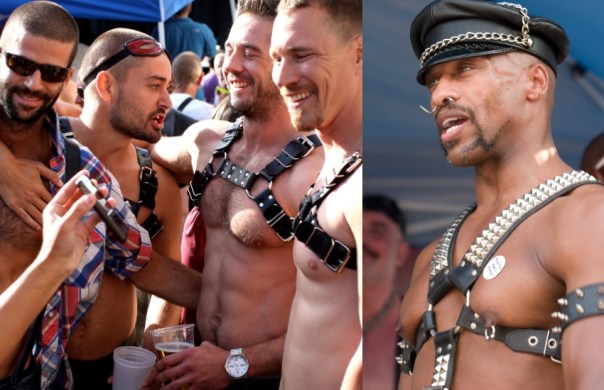



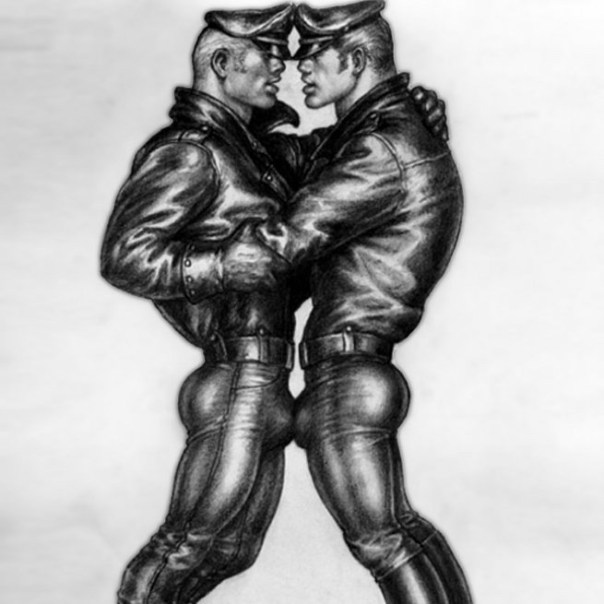


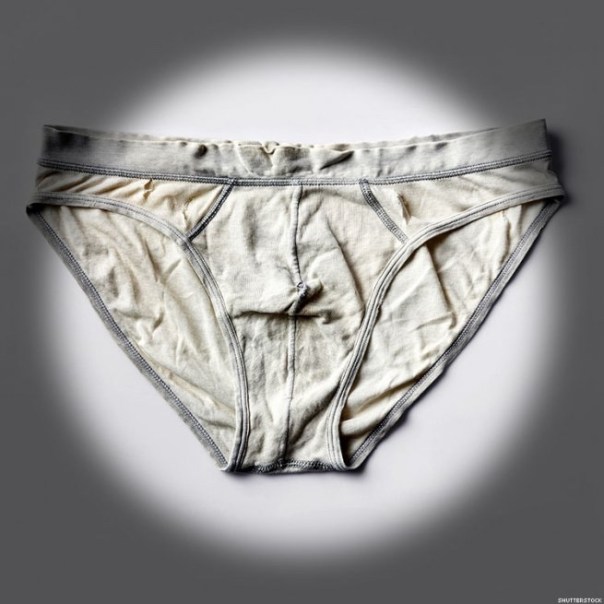


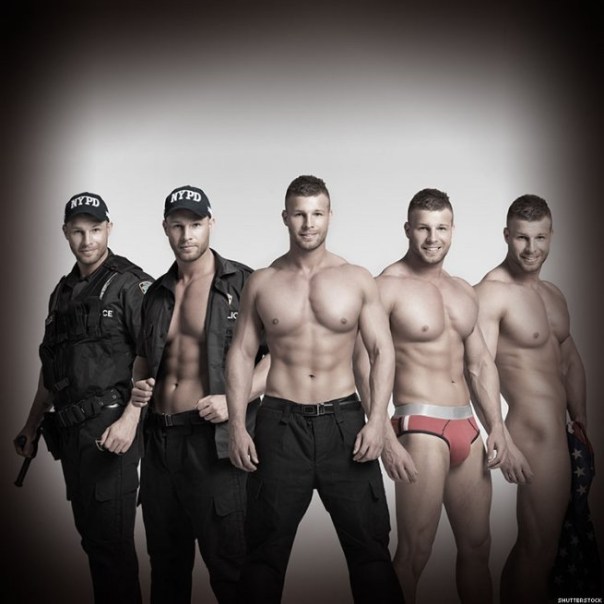




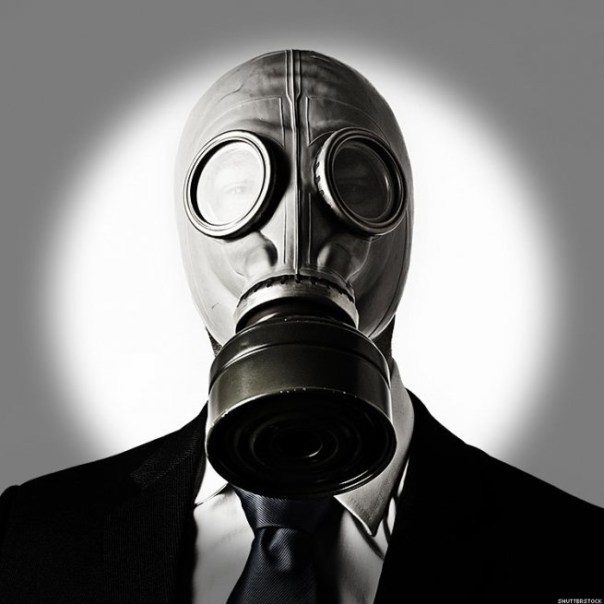
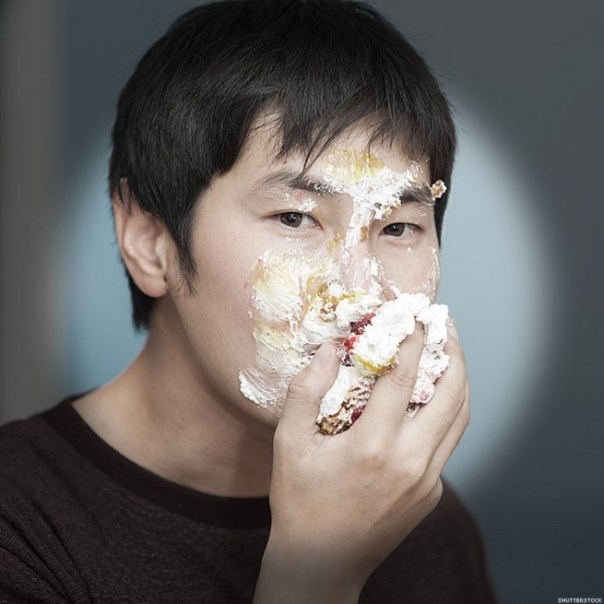








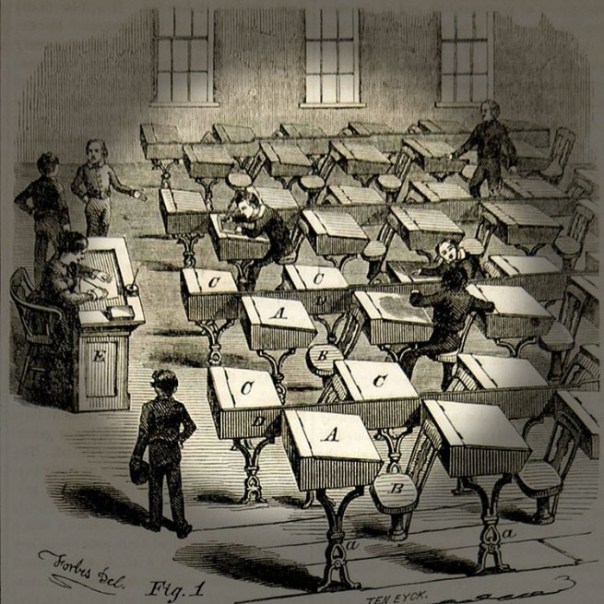
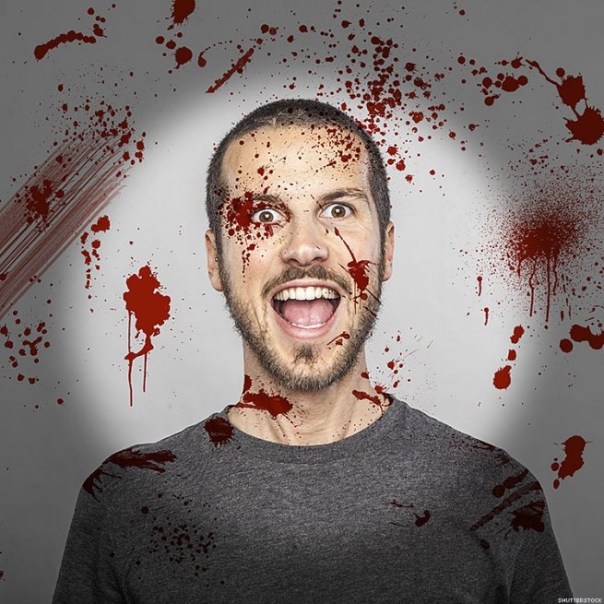


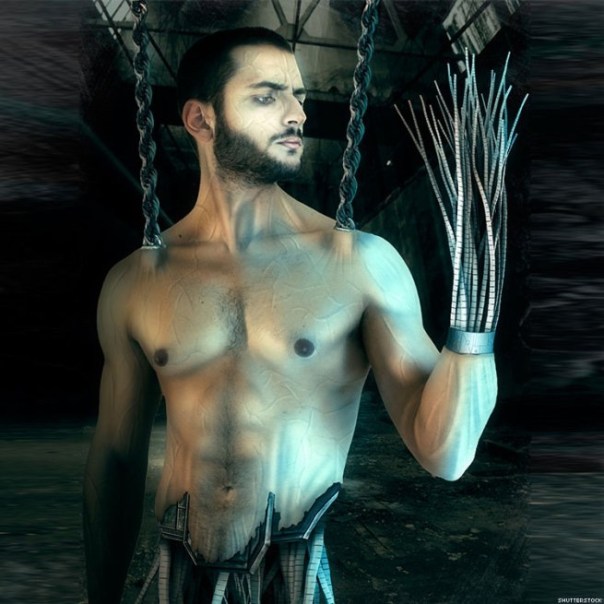


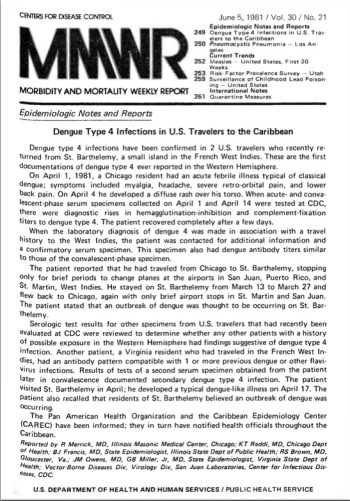


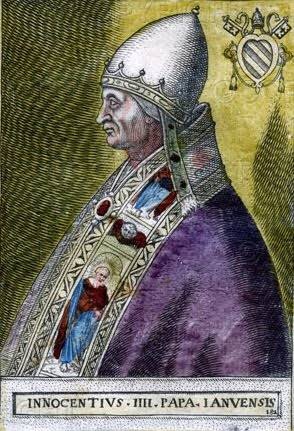
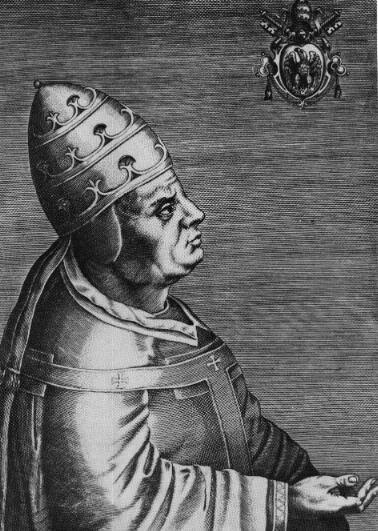
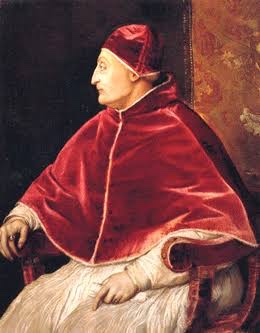
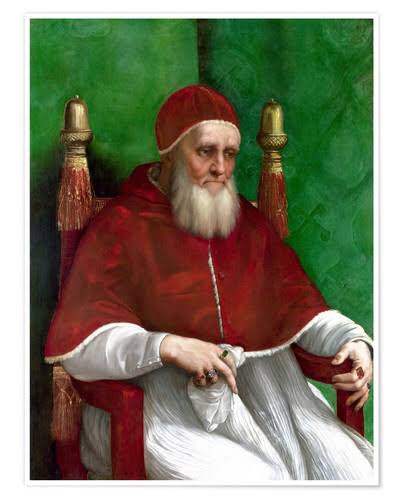







 timalderman