White Tara; detail from a Tibetan Tangka painting. Zzvet / Dreamstime.com
Tara is an iconic Buddhist goddess of many colors. Although she is formally associated only with Buddhism in Tibet, Mongolia, and Nepal, she has become one of the most familiar figures of Buddhism around the world.
She is not exactly the Tibetan version of the Chinese Guanyin (Kwan-yin), as many assume. Guanyin is a manifestation in the female form of Avalokiteshvara Bodhisattva. Avalokiteshvara is called Chenrezig in Tibet, and in Tibetan Buddhism Chenrezig usually is a “he” rather than a “she.” He is the universal manifestation of compassion.
According to one story, when Chenrezig was about to enter Nirvana he looked back and saw the suffering of the world, and he wept and vowed to remain in the world until all beings were enlightened. Tara is said to have been born from Chenrezig’s tears. In a variation of this story, his tears formed a lake, and in that lake, a lotus grew, and when it opened Tara was revealed.
Tara’s origins as an icon are unclear. Some scholars propose that Tara evolved from the Hindu goddess Durga. She appears to have been venerated in Indian Buddhism no earlier than the 5th century.
Tara in Tibetan Buddhism
Although Tara probably was known in Tibet earlier, the cult of Tara appears to have reached Tibet in 1042, with the arrival of an Indian teacher named Atisa, who was a devotee. She became one of the most beloved figures of Tibetan Buddhism.
Her name in Tibetan is Sgrol-ma, or Dolma, which means “she who saves.” It is said her compassion for all beings is stronger than a mother’s love for her children. Her mantra is om tare tuttare ture svaha, which means, “Praise to Tara! Hail!”
White Tara and Green Tara
There are actually 21 Taras, according to an Indian text called Homage to the Twenty-One Taras that reached Tibet in the 12th century. The Taras come in many colors, but the two most popular are White Tara and Green Tara. In a variation of the original legend, White Tara was born from the tears from Chenrezig’s left eye, and Green Tara was born from the tears of his right eye.
In many ways, these two Taras complement each other. Green Tara often is depicted with a half-open lotus, representing night. White Tara holds a fully blooming lotus, representing the day. White Tara embodies grace and serenity and the love of a mother for her child; Green Tara embodies activity. Together, they represent boundless compassion that is active in the world both day and night.
Tibetans pray to White Tara for healing and longevity. White Tara initiations are popular in Tibetan Buddhism for their power to dissolve obstacles. The White Tara mantra in Sanskrit is:
Green Tara is associated with activity and abundance. Tibetans pray to her for wealth and when they are leaving on a journey. But the Green Tara mantra actually is a request to be freed from delusions and negative emotions.
As tantric deities, their role is not as objects of worship. Rather, through esoteric means, the tantric practitioner realizes himself as White or Green Tara and manifests their selfless compassion.
Other Taras
The names of the remaining Taras vary a bit according to the source, but some of the better-known ones are:
Red Tara:is said to have the quality of attracting blessings.
Black Tara:is a wrathful deity who wards off evil.
Yellow Tara:helps us overcome anxiety. She is also associated with abundance and fertility.
Blue Tara:subdues anger and turns it into compassion.
Cittamani Tara:is a deity of high tantra yoga. She is sometimes confused with Green Tara.
Reference
O’Brien, Barbara. “Buddhist Goddess and Archetype of Compassion.” Learn Religions, Feb. 11, 2020, learnreligions.com/tara-archetype-of-compassion-450180.
There is some research suggesting a link between being closeted and being anti-gay. But while the notion feeds many jokes, it also obscures very real homophobia.
Photo Illustration by The Daily Beast
2017 has been a banner year for the armchair psychological theory that anti-gay public figures are secretly gay themselves.
Never mind the long-running jokes and memes about Mike Pence covering up some secret homosexual identity. There have been actual examples this year of outspoken anti-LGBT figures exhibiting behavior that seems to contradict their political ideology.
The same idea emerges every time: The hypothesis is that their bigotry doesn’t just make their sexual behavior hypocritical, it actually functions as a cover for it, consciously or otherwise.
Recently, there has been former Ohio state Rep. Wesley Goodman, who resigned late last week after it came out that he had had sex with a man in his office.
In March, former Oklahoma state Sen. Ralph Shortey resigned after being hit with child prostitution charges for allegedly soliciting sex from a 17-year-old boy. Shortey has reportedly decided this week to plead guilty to a child sex trafficking charge.
Both Goodman and Shortey are married men who were clear political opponents of the LGBT community while in office.
After Shortey was arrested, the Associated Press noted that he “routinely” voted for anti-LGBT bills, quoting the director of the LGBT advocacy organization Freedom Oklahoma who said, “He was never vitriolic about it, but he would make the bad votes.”
More strident was Goodman who, as the Columbus Dispatch reported, “consistently touted his faith and conservative values,” with a Twitter bio that read: “Christian. American. Conservative. Republican.”
As more information about their alleged misdeeds emerges—Goodman now stands accused of fondling an 18-year-old man at a conservative event, and of pursuing several young gay men—there is a certain grim catharsis in seeing such hypocrisy exposed.
The LGBT community will never tire of bringing up the long history of Republican gay sex scandals every time new—and increasingly unsurprising—allegations emerge, precisely because they seem to be so predictable in hindsight.
(As GQ sarcastically put it in response to the Goodman news: “Anti-Gay Ohio Republican Resigns After, Surprise, Having Sex with a Man in the State Capitol.”)
A 2012 study in the Journal of Personality and Social Psychology generated a fair number of headlines that year—including The New York Times’ “Homophobic? Maybe You’re Gay”—for suggesting that some self-avowed straight people who showed signs of same-sex desire were more likely to hold discriminatory attitudes.
Two authors on the study—psychologists Richard M. Ryan and William S. Ryan—wrote in their accompanying New York Times opinion piece that they had asked 784 college students to rate their sexual orientation on a 10-point scale and then told them to sort “images and words indicative of hetero- and homosexuality” into categories.
The “twist,” as they put it, were subliminal flashes of the words “me” or “other” before each image that can theoretically reveal subconscious bias based on how long it takes the subjects to sort images that don’t match their self-described sexual identity into the right category.
The result: The researchers isolated a “subgroup of participants”—more than “20 percent of self-described highly straight individuals”—who “indicated some level of same-sex attraction,” and who were “significantly more likely than other participants to favor anti-gay policies; to be willing to assign significantly harsher punishments to perpetrators of petty crimes if they were presumed to be homosexual; and to express greater implicit hostility toward gay subjects.”
“Thus our research suggests that some who oppose homosexuality do tacitly harbor same-sex attraction,” they concluded.
The psychological mechanism behind this subgroup’s anti-LGBT vitriol is, in theory, relatively simple: They are taking out their own issues with sexual identity on other people.
As Netta Weinstein, the study’s lead author, said in a press release, they “may be threatened by gays and lesbians because homosexuals remind them of similar tendencies within themselves.” So if you’re an American politician, there may be no more effective way to prove to yourself that you’re straight than to target LGBT people.
The 2012 study is certainly suggestive. It’s continually cited whenever it seems to apply to a homophobic figure, like after Pulse nightclub gunman Omar Mateen was rumored to have frequented the LGBT nightclub in the buildup to the shooting.
There are other studies that have come to similar conclusions. As Science magazine reported after Pulse, there is a “scattering of research” that suggests “some conflicted gay men might indeed be homophobic,” like a small 1996 study in the Journal of Abnormal Psychology that measured penile arousal and found a link between “homophobia” and “homosexual arousal.”
But the keyword in all of the above literature is “some.”
There is, at this point, enough research in this area to suggest that there may be something deeper to the armchair psychology. But the “secretly gay homophobe” theory is far from being a complete explanation of anti-LGBT prejudice in American politics.
Twenty percent of people who describe themselves as “highly straight” is still 10 percent fewer than the 32 percent of Americans who oppose same-sex marriage.
Just because that 20-percent subgroup is “significantly more likely” to tout an anti-LGBT ideology doesn’t mean we can assume someone like Mike Pence is likely to be covering up a secret past as a gay clubgoer just because of his anti-LGBT track record. So-called closet cases may be abundant, but there’s no way to prove that every Republican who tries to legalize anti-LGBT discrimination is hiding something.
In fact, overgeneralizing and joking as if that were the case may hurt LGBT people.
On Twitter, comedian Cameron Esposito, herself a lesbian, has criticized the homophobic undertones of the constant Mike Pence jokes—and has called out the media for being seemingly more interested in the salacious “homophobe caught having gay sex” story than in the mistreatment of LGBT people writ large.
The Wax-Encased Remains of Blessed Anna Maria Taigi
Basilica of San Crisogono, Rome, Italy
The mystic whose incorrupt corpse still attracts the faithful.
HOUSED IN THE BASILICA OF San Crisogono, is a small chapel with a glass coffin. Inside are the remains of Anna Maria Taigi, covered in a wax visage made from her death mask.
Born in Sienna, Anna Maria and her family moved to Rome when she was six years old. She later married and had seven children. Known for her charity and devotion, she joined the Secular Trinitarians in 1802. Of the many holy gifts attributed to her, the most impressive was the “miracle of the mystic globe-sun.” She would have visions of a sun-shaped globe that held images of current, past, and secret events.
When she died in 1837 it was only a few days before pilgrims started to visit her resting place despite a cholera epidemic (which some believe she was holding off while alive). In 1868 her coffin was opened and though her clothes had deteriorated, her body was found to be incorrupt. When examined again in 1920, she had begun to decompose and so her visible hands and face were covered in wax replicas. Pope Benedict the XV declared her protector of families and mothers in 1920. Special masses are still held in her chapel to this day.
Arciconfraternita Santa Maria dell’Orazione e Morte
Rome, Italy
At the crypt of St. Mary of Eulogies and the Dead you are left alone to ponder mortality among piles of skulls.
WITH SKULLS CARVED ABOVE THE doorway and winged skeletons etched into plaques outside, the exterior of St. Mary of Eulogies and the Dead suits its macabre name.
Once inside, visitors can make a small donation to the church and a nun will unlock the crypt for you. The nun will take you down a short flight of stairs and leave you alone, surrounded by skeletons. There are skeletons set in the wall, etched skulls stacked on shelves, bones piled by the altar and made into a cross. Even the chandeliers are made with human vertebrate. A scythe lurks near the altar.
The stretcher in the corner offers a clue to the story behind the crypt. The church was established in 1576 to provide a proper burial for abandoned corpses. While it used to include huge vaults where over 8000 bodies were buried, most of the vaults were destroyed during other construction in 1886. This chamber is all that remains.
22 Papal Hearts at Santi Vincenzo e Anastasio a Trevi
Bulgarian Orthodox Church
Rome, Italy
This former Roman Catholic Church still contains the embalmed hearts and organs of 22 popes.
IN 2002, POPE JOHN PAUL II gifted use of Santi Vincenzo e Anastasio a Trevi in Rome to the Bulgarian Orthodox Church, but 22 hearts of the popes remain in the marble urns.
The popes are listed to the left of the altar and their reigns range form Sixtus V in 1583 to Leo XIII in 1903. The custom of separating the organs from the corpse was called praecordia and was done to prevent decay while funeral arrangements were made.
There is a large collection of ex voto in this church, most depicting the Sacred Heart. These are small metal ornaments that are left by the faithful as a token of thanks when their prayers are answered.
The church faces the more famous Trevi Fountain. As with many churches in Italy, the dress code is strictly enforced. Bare shoulders and knees are prohibited.
The Head of St. John the Baptist at San Silvestro in Capite
San Silvestro
Rome, Italy
One of four skulls claiming to belong to the beheaded St. John the Baptist is on display at this Roman church.
THOUGH CHURCHES IN FRANCE, SYRIA and Germany also claim the skull of St. John the Baptist, the relic is what gives this church its name. The skull can be viewed in the first chapel to the left of the entrance. Don’t miss the stained glass in this room depicting St. John’s head on a plate.
The church was built to house relics from the catacombs. These are not normally on display. Instead they’re housed in the confessio under the altar and listed near the front door of the church.
Santa Francesca Romana
St. Francesca Romana Church
Rome, Italy
St. Francesca Romana, patron saint of drivers, resides in the church she founded.
THIS 8TH-CENTURY BASILICA HOUSES THE skeleton of its namesake, still wearing her habit and clutching her prayer book in the crypt below.
St. Francesca Romana founded the Olivetan Oblates of Mary in 1421, a religious order for widowed women that cared for the poor and sick. Despite her piety, she had a dark side too. She was known for her unusually harsh mortifications including whipping herself with metal chains and burning herself with animal fat. For a while she even drank from a human skull in an effort to ward off the devil.
During the restitution of the Forum to its original form, many constructions that had covered the sites of ancient imperial temples and basilicas were destroyed. The St. Francesca of Romana church is rumored to be the only surviving example of Christian intervention in the Forum. The church itself is said to be built on the spot where Simon Magus (a favourite of emperor Nero at the time) used black magic to fly, as part of a “miracle contest” between Simon and St. Peter. The apostles Peter and Paul prayed that he would fall. When God granted the apostles’ request Simon fell from the sky, broke both legs and was then stoned to death by an angry mob. The marble where the apostles knelt miraculously had their knee-prints pressed into it. The stone was removed and inlayed in the floor of the church. It can be found on the right hand side wall of the sanctuary, close to the tomb of Gregory XI.
In the sacristy is a 6th century colossal painting Vergine col Bambino, which may have come from Santa Maria Antiqua, and it is one of the most ancient Christian paintings in existence.
Francesca Romana is also the patron saint of drivers since it’s said that her path was always lit by an angel. On her feast day, March 9th, people park as closely to the church as possible to have their cars blessed (which of course causes an unbelievable traffic jam even by Roman standards).
The Sweating Cenotaph at the Archbasilica San Giovanni in Laterano
Rome, Italy
Stone memorial that’s said to predict the death of the pope and the site of the Cadaver Synod.
THIS FORMER PAPAL PALACE HOUSES an unusual monument- Pope Sylvester II’s cenotaph (a funeral moment for a person whose remains are entombed elsewhere) that’s said to sweat profusely when the death of a pope is near. If it’s clammy or damp, the death of a cardinal or bishop is immanent.
Interestingly, Pope Sylvester II has long been associated with the supernatural. His contemporaries (likely amazed by and maybe jealous of his intellect) said he was a sorcerer who built an automaton which acted like an oracle. The automaton told him that if he ever went to Jerusalem he would be taken by the devil. Taking the warning literally, he avoided the Holy Land but was struck dead when he said mass at Santa Croce in Gerusalemme, a basilica just down the street from San Giovanni in Laterano. His remains are still there and an alternate version of the legend says his bones rattle when a pope is about to die.
San Giovanni in Laterano was also the site of the Cadaver Synod in 897 when the rotting corpse of Pope Formosus was dug up and put on trial by Pope Stephen VI. Records show that an earthquake damaged the church during the trial and shortly after it concluded a fire nearly destroyed it completely. These events are usually viewed within the church as a sign of God’s displeasure with the macabre spectacle.
St. Valentine’s Skull
Basilica di Santa Maria
Rome, Italy
The skull of the patron saint of lovers lies in the Basilica di Santa Maria in Cosmedin—maybe.
A SKULL RESIDES IN A glass reliquary in Rome’s Basilica di Santa Maria in Cosmedin, surrounded by flowers. Lettering painted across the forehead identify the owner as none other than of the patron saint of lovers, St. Valentine.
Knowing just exactly whose skull it is, though, is complicated. There was more than one Catholic saint known as Saint Valentine, and there was approximately 1500 years between those martyrs’ deaths and the enthusiastic distribution and labeling of bodies in the Victorian era. Finally, and most troubling, there is the fact that no less than 10 places around the world claim to house the saint’s relics.
Though not much is really known of the real men behind the myth, at least two of the Saints Valentine lived in Italy in the late 3rd century, and another in North Africa around the same time. Over time, the stories of these different men seem to have merged. Most of the mythology about Valentine centers around him being a patron of lovers. In 496, Pope Gelasius I made February 14—originally part of the Roman festival of Lupercalia—a feast day dedicated to St. Valentine.
The Basilica di Santa Maria in Cosmedin itself is very old, standing on the site of an ancient Roman temple that dates to the second century B.C. Most of what you see today dates to the 8th and 12th centuries, including the crypt located beneath the altar.
The skull can be found in the side altar on the left side of the church. While you’re there, stop by the portico to visit with the famous Bocca della Verità (mouth of truth).
The Catacombs of San Sebastian
Rome, Italy
Jesus’ footprints and the first catacombs in the world.
KNOWN AS ONE OF THE Seven Pilgrim Churches of Rome, the Catacombs of San Sebastian have long attracted devout Christian pilgrims and curious visitors.
Along the first four mile stretch of Via Appia, are The Catacombs of San Sebastian. The martyred remains of San Sebastian were buried at the site in 350, and a basilica was erected over the grounds to worship the saint in the early 4th century. At the time, the subterranean burial area became known as ad catacumbas, which means “near the hollows,” due to the excavated mines near the site. This was the first use of term catacombs, and it has since signified underground Christian burials chambers.
Since the site was erected, many pilgrims have come to visit and see the relics held at the basilica as well. The basilica is dedicated to San Sebastian, who was martyred, and it houses the arrow that allegedly struck San Sebastian during his murder.
Besides the arrow relic, the basilica also possesses a set of marble footprints, that are attributed to Jesus, during his walk to Rome along the Via Appia.
Museum of the Holy Souls in Purgatory
Rome, Italy
A collection of objects supposedly singed by the hands of souls in purgatory.
LOCATED IN THE BACK OF the Chiesa del Sacro Cuore del Suffragio on the banks of the Tiber, the tiny century-old Piccolo Museo Del Purgatorio, or “Museum of the Holy Souls in Purgatory,” holds a collection of bibles, prayer books, tabletops, and articles of clothing said to have been singed by the hands of souls in purgatory.
According to Catholic belief, the soul is stranded in purgatory until it atones for its sins, but can hasten its ascent to heaven through the prayers of loved ones still on earth. The scorched handprints and other burn-marks collected in this museum are believed to be the product of souls begging their earth-bound loved ones to pray harder.
Though not mentioned in the Bible, the idea of purgatory is a very old part of the Catholic faith, dating back to at least the 11th century. The notion that trapped souls might need to be freed comes from a story allegedly told to the Abbott Odilo of Cluny by a monk returning from the Holy Land. He told the Abbott how his ship had been wrecked, and he had been cast ashore on a mysterious island. A hermit who lived on the island related his own story of a mysterious chasm, from which burst forth demonic flames and the agonized screams of trapped souls. He pointed out that the demons were always complaining about losing souls when the living prayed or gave alms to the poor on their behalf.
The freeing of these trapped souls became a priority for the Church, and for family members grieving dead loved ones. November 2 was established as All Soul’s Day, whereon it was believed that prayers by the living could intercede on behalf of the faithful dead who had died without absolution, or babies who had died before baptism, thus freeing them for Heaven. (According to Catholic doctrine, one cannot go to hell from purgatory.)
Victor Jouet, the collector and French missionary, was supposedly inspired to build this purgatorial museum after a fire destroyed a portion of the original Chiesa del Sacro Cuore del Suffragio, leaving behind the scorched image of a face that he believed to be a trapped soul.
Santa Maria della Concezione Crypts
Rome, Italy
The crypts of Capuchin friars decorated with the bones of over 4,000 friars, including an entire “crypt of pelvises.”
IN 1775, THE MARQUIS DE Sade wrote of it, “I have never seen anything more striking.” Granted, the crypt was to his tastes.
Mark Twain wrote about it in his 1869 book Innocents Abroad. When Twain asked one of the monks what would happen when he died, the monk responded, “We must all lie here at last.” And lie there they do. Some 4,000 Capuchin friars who died between 1528 and 1870 are still lying, hanging, and generally adorning the Santa Maria della Concezione crypt in Rome.
In 1631, the Capuchin friars, so-called because of the “capuche” or hood attached to their religious habit, left the friary of St. Bonaventure near the Trevi Fountain and came to live at Santa Maria della Concezione, of which only the church and crypt remain. They were ordered by Cardinal Antonio Barberini (the Pope’s brother and a member of the Capuchin order) to bring the remains of the deceased friars along with them to their new home so that all the Capuchin friars might be in one place.
Rather than simply burying the remains of their dead brethren, the monks decorated the walls of the crypts with their bones as a way of reminding themselves that death could come at any time. A plaque in the crypt reads, “What you are now, we once were; what we are now, you shall be.”
The ossuary contains a crypt of skulls, a crypt of leg bones, and perhaps the oddest—a “crypt of pelvises.” Mummified monks were dressed in friar’s clothes and hung from the walls and ceiling. With the addition of electricity, light fixtures were incorporated into some of the hanging monks, bringing a new meaning to the phrase “the eternal light.”
A particular highlight of the crypt is the skeleton enclosed in an oval of bones holding a scythe and scales—tools made entirely out of, yes, bones. The crypt is said to have been the inspiration for Sedlec Ossuary in the Czech Republic.
The body of St Francis Xavier
Goa
Francis Xavier was a 16th century Roman Catholic missionary in Goa, India. He also worked in Japan and China, among others, but he’s most famous for his work in India. Most of his body is on display at the Basilica of Bom Jesus in Goa, India. You’ll find him in a glass container and he’s been in there since 1637.
His right forearm was detached in 1614 and is now at the Jesuit church in Rome, Il Gesù. Another arm bone, the humerus, is in Macau, having been kept there for safety instead of going on to Japan.
The Basilica of Bom Jesus, and indeed the Saint’s body, appear in my ARKANE thriller, Destroyer of Worlds, as Morgan and Jake race to stop an ancient weapon being unleashed.
The Holy Right Hand
Budapest
The Holy Right Hand is thought to have belonged to King Stephen, the first Hungarian King, who died in 1038.
His death provoked unrest and his followers worried that his body might be desecrated. When he was exhumed, they discovered his right arm was perfectly preserved.
His arm was added to the Basilica’s Treasury. It was stolen and kept in Romania for a while, though it’s now back in the Basilica of St. Stephen in Budapest.
A chronicler noted that while it was in Romania, the hand wore St Stephen’s ring. The Holy Right Hand on display doesn’t wear one and doesn’t look like it’s ever worn one. Some wonder how genuine the Holy Right Hand actually is …
In my political thriller One Day in Budapest, the Holy Right is stolen and a right-wing faction move against the Jews of the city, as they did in the dark days of the Second World War. The right is rising
Mary’s Holy Belt
Prato
Most religious relics seem to take the form of body parts, but the Virgin Mary left her belt behind instead. Her handwoven belt is kept in a silver reliquary in Prato Cathedral. The arrival of the relic allowed the Cathedral to add a transept and a new chapel.
According to legend, she gave the belt to the apostle Thomas before she ascended to Heaven. That’s Doubting Thomas – and the Virgin allegedly gave him her belt as physical proof of her ascension. The belt, known as Sacra Cintola, is displayed five times a year in the chapel built especially to house it. In centuries gone by, it was venerated by pregnant women.
St Antoninus’ body
Florence
St Antoninus was a popular priest in Florence, getting by with only the bare essentials of life. He was so popular that Pope Eugene IV wanted to make him an Archbishop, and he threatened to excommunicate Antoninus when he declined the offer.
St Antoninus died in 1459 but his body wasn’t immediately embalmed as it should have been. Left to the elements for eight days, his body didn’t decompose. His followers took this as a sign of his incorruption, so he was placed in a glass coffin to display his divinity. You can see his corpse at the Church of San Marco.
Shrine of the Three Kings
Cologne
The bones of the Three Wise Men apparently rest in the ornate gold-plated sarcophagus inside Cologne Cathedral. According to legend, their remains originally lay in Constantinople, before being taken to Milan, then Cologne in 1164. The shrine is the largest reliquary in the western world. Some of the images on the shrine depict the dawn of time, as well as the Last Judgment.
It was damaged when it was hidden in 1794 to keep it from French revolutionary troops, but it was largely restored during the 1960s. Cologne is so proud to house the Three Magi that there are even three crowns on the city’s coat of arms.
The Blood of San Gennaro
Naples
St Gennaro was beheaded by Emperor Diocletian in 4th century. His dried blood is presented to local residents and pilgrims at Naples Cathedral on September 19, December 16 and the first Sunday in May. They wait for the blood to liquefy, making this a grisly religious relic.
As the patron saint of Naples, the liquefaction of his blood is thought to signify a miracle and protects Naples from disaster. In 1527, it failed to liquefy and Naples suffered an outbreak of plague. In 1980, they were struck by an earthquake. The relic was even venerated by Pope Francis in March 2015.
The Heart of St Camillus
Church of St. Mary Magdalene in Rome,
St Camillus started out life as a soldier and a gambler. He later repented and devoted his life to caring for the sick. After being denied entry to the Capuchin order thanks to a leg injury, he established the Order of Clerics Regular, Ministers to the Sick. They specialised in assisting injured soldiers on the battlefield. A large red cross was a symbol of the Order – centuries before the Red Cross was formed.
Many were so struck by his charity that they thought it must have left an imprint on his heart. So after he died, his heart was removed and preserved with salt. This religious relic is definitely more weird than wonderful. It’s now kept in a gold and glass container and it even went on tour. It visited Thailand, Ireland and the Phillippines.
The hand of St Teresa de Avila
Ronda
St Teresa de Avila reformed the Carmelite Order, and after she died, her remains were found to be incorrupt. Her left hand became a relic, but it was seized by General Franco in 1937. St Teresa had once been a contender for Spain’s national saint, and Franco used her during the Spanish Civil War as an ideal of traditional Spain.
According to legend, he kept the hand by his bedside until he died in 1975 – allegedly while holding the mummified hand. It now rests at the Iglesia de Nuestra Señora de la Merced in Ronda, Andalusia.
The Tongue and Jaw of St Anthony
Padua
At the age of 35, St Anthony of Padua succumbed to ergot poisoning – also known as St Anthony’s Fire. He sealed himself in a small cell under a walnut tree and waited to die. He actually died on the way back to Padua where he was buried in 1231.
32 years later, his followers pried open his vault. Most of his body had turned to dust, but his tongue was strangely still fresh. Many believe this is a testament to the power of his words while alive.
St Bonaventure had St Anthony’s tongue, lower jaw and vocal chords mounted in a metal shrine. His tongue even went on a tour of UK churches in 2013.
8 Missing Religious Relics That Have Never Been Found
Throughout Christian history there has been devotion to many relics. These are objects that are either the blood and bones of religious figures, or items that these figures have touched or been associated with. During the Middle Ages, these relics increased in popularity to the point where each altar was expected to possess at least one. A good relic could increase the economy of a town, as pilgrims would travel to come and see the sacred relic of a treasured saint.
This led to many fake relics and the stealing of relics, such as the body of Saint Nicholas. Strangely enough, the thefts were always admitted in order to verify the authenticity of the relic. Countless relics were destroyed during the reformation, and those that survive today are often called into question. Here are just a few relics from medieval and ancient history that are missing today. Some are rumored to have been destroyed, while others are believed to be hidden, their locations a mystery.
A piece of flesh believed to be the holy foreskin of Jesus. Catholic.org
The Holy Foreskin
Jesus was circumcised as an infant and it was believed by many that the skin cut from the infant was preserved. There was some reference to the foreskin being preserved by an old Hebrew woman in an alabaster box of old oil of spikenard. However, the foreskin largely disappeared after that, with no real mention of it again until the Middle Ages.
On December 25, 800, Charlemagne was purported to have given it to Pope Leo III in gratitude for crowning him Emperor. When asked where he got the holy foreskin, Charlemagne responded that it had been brought to him by an angel as he was praying at the Holy Sepulchre. Another report claims that it was given to him as a wedding present by Empress Irene. Pope Leo III then took the foreskin and placed it Sancta Sanctorum and there it remained until Rome was sacked in 1527.
A German soldier stole the foreskin during the attack and took it to Calcata where he was captured. The soldier managed to hide the relic in his cell and there it stayed until it was found in 1557. From then on, the foreskin remained in Calcata and had several miracles attributed to it. The story and the miracles were enough to have the Catholic Church approve the authenticity of the skin in Calcata over the numerous other claims of holy foreskin.
In 1900, the Church grew tired of the celebration of the foreskin. So the Vatican issued a warning that anyone who so much as talked about the Holy Prepuce would be excommunicated. This did little to deter the people of Calcata ,who were proud of their sacred relic and would march it through the streets every year on the Feast of the Circumcision. However, the practice stopped when the relic was stolen in 1983. Some believe that it was stolen by or sold to the Vatican in order to get people to stop talking about the foreskin. It has not been seen since.
Stained glass of Edward the Confessor and his ring. wjartuso.wordpress.com
Ring of Saint Edward
Saint Edward the Confessor was born in 1005 as the son of King Elthelred the Unready and his Norman Queen Emma. In 1042 he ascended to the throne. Edward was seen by many of his proponents as a deeply religious leader who removed unjust taxes, healed the sick and took a vow of chastity in order to remain devoted to his people and his religion. He built a cathedral to replace the Saxon church at Westminister in replace of the vow. The church then became known as Westminister Abbey.
There is one miracle that is attributed to Edward known as the miracle of the ring. It was said that while riding he was approached by a beggar who asked for alms. As Edward had no money on him, he took off his ring and gave it to the beggar. Years later, two pilgrims became stranded in the Holy Land.
There they were saved by St. John the Evangelist. With him, he carried the ring that Edward had given the beggar. He asked that when the pilgrims returned home to England that they give it to Edward with the message that he would be dead in six months.
The ring was one of many sacred relics that were kept from Edward the Confessor and were highly prized after he was made a saint 100 years after his death. The ring was kept at Westminister Abbey with other sacred relics. However, all the relics disappeared after the dissolution of the monastery in 1540. While the ring is lost, the sapphire that was in the ring is believed to be the center jewel on the cross atop the Imperial State Crown.
One of the largest purported pieces of the True Cross rests at Santo Toribio de Liébana in Spain. Wikipedia
The True Cross
There are many churches claiming to have fragments of the True Cross. It is believed that the cross was lost until Constantine’s mother Empress Helena traveled to the Holy Land in search of religious relics in 326-328. She traveled to the place where Jesus was said to have been crucified to discover that a temple had been built over it. Helena ordered that the temple be destroyed and the dirt beneath the temple removed.
Beneath the temple three crosses were found, the crosses were believed to be those that crucified Jesus and two thieves, St. Dismas, and Gestas. In order to discover which cross was the True Cross, a lady of rank that had long been suffering from disease was called to touch the crosses. The instant the woman touched one of the crosses, her disease disappeared and she was healed. Thus, Helena believed that she had found the True Cross and the Holy nails.
The Holy Nails were sent to Constantinople where they were added to Emperor Constantine’s helmet and the bridle of his horse. Part of the cross was also sent to Constantinople, while the rest was covered in silver and then given to the bishop of the city whom was asked to care for it carefully. The cross was cared for and taken out periodically for ceremonies until the fall of Jerusalem in 614.
The pieces of the cross in Jerusalem and in Constantinople were largely broken apart as both regions were conquered. Claims of splinters of the cross were found all over the world and men would wear small splinters in golden reliquaries around their necks. There are few who believe that most of these fragments are real, or that the story of Helena finding the cross is true. There is no definitive proof that the True Cross was ever really found, or that it survived at all.
Picture of Joan of Arc from a 1505 manuscript. Wikimedia
Relics of Joan of Arc
Joan of Arc was nothing more than a peasant girl until she rose to fame as leader of the medieval French forces. Joan was found guilty of heresy and witchcraft and burned at the stake in 1431 at the mere age of 19. It was said that her heart and intestines would not burn in the flames and therefore it was ordered that all of the ashes and remains of the body be thrown into the Seine River.
For this reason, there are no verified first class relics of Saint Joan of Arc. There is a jar of remains at the Chinon Castle Museum that is said to have been taken from the ashes at the stake of Joan of Arc, but it cannot be proven.
There are some other relics from Joan that survived for a time. There was a wax seal to one of Joan’s letters that she had placed one of her hairs. The hair disappeared during the second half the 19th century and no one knows where it is now. There was also a grey hat that was owned by Joan and given to Charlotte Boucher. It was given to the Oratorian Order of Priests in the 1600s where it stayed until it was taken by revolutionaries and purportedly burned in 1792.
There was also a sword that belonged to Joan and was kept by the descendants of her brother Pierre until it was lost during the chaos of the revolutionary period in France. It was also during the height of the French Revolution that Joan’s standard was believed to be burned and destroyed. Joan also kept a ring that was described during her trial. This relic is claimed to have been found and now in the possession of a private collector but the ring does not match the description given by Joan at her trial.
King David bearing the Ark of the Covenant into Jerusalem. Getty Images
The Ark of the Covenant
The Ark of the Covenant is one of the most famous relics of the Christian and Jewish faiths. The Ark of the Covenant was built by Moses according to a pattern provided to him by God. The Book of Exodus tells that the Ark was built while Moses was on Mount Sinai. The Ark was created to hold the Ten Commandments and was connected to numerous miracles, including clearing obstacles from their path and stopping the flow of the Jordan River so that the Israelites could cross.
In 597 and 586 BC, the Babylonian Empire conquered the Israelites. The Ark at the time was said to be housed in the temple of Jerusalem. After the Temple fell to the Babylonians, the Ark disappeared. There is no evidence as to whether the ark was destroyed, was hidden by the Israelites, or was stolen by the Babylonians.
There are several theories as to the fate of the Ark, and a few people have claimed to have found it. One theory is that the Ark was smuggled away to Ethiopia before the Babylonians reached Jerusalem. It is now believed by some to be at the St. Mary of Zion cathedral in Askum. Church authorities have only permitted one man, the guardian of the ark, to see it and have never allowed it to be studied for authenticity.
There was another theory that said that the Ark was hidden beneath the First Temple in Jerusalem before it was destroyed in 586 BC. The site is home to the Dome of the Rock shrine, and is sacred in Islam and therefore no digging to find the Ark is allowed. In 1982, Ron Wyatt claimed to find the Ark beneath the hill on which Christ had been crucified. The Ark was never seen again and Ron Wyatt was known for dubious archaeological finds.
Statue of Saint Christopher with missing relic. Metmuseum.org
Relic of Saint Christopher
The missing relic of Saint Christopher is particularly interesting because there are some who claim that he never existed. Some people debate whether or not he was a real person or if the term “Christopher” or “Christ-bearer” was a general title that was given to several people. The story for which he is most known was that he carried a child across a river before the child was later discovered to be Christ.
Saint Christopher was later said to have visited Lycia where he tried to comfort the Christians who were being martyred. The local king attempted to get Christopher to make a sacrifice to pagan gods but he refused. Then the king tried to tempt him with women and riches, but instead he converted the women to Christianity. The king then ordered that Christopher be killed, and the Saint was beheaded.
There is one relic that is said to be the gold plated head of Saint Christopher that is kept at the Museum of Sacred Art at Saint Justine’s Church in Croatia. The head is rarely seen but church tradition tells the story of when the bishop showed the relics in 1075 in order to convince the Italo-Norman army to stop the siege on the city. That is the only recorded relic of the Saint, but a statue at the Metropolitan museum suggests that there have been more.
This elegant statue beautifully depicts Saint Christopher with Christ upon his shoulder. The statue also features the staff which was said to bring the miracle of Christ for when Christopher planted the staff in the ground, it bore leaves and fruit the following morning. At the base of the statue is the spot where a now missing relic once resided. The relic would have been placed in a small box of crystal so that the relic could be seen.
Painting depicting Veronica holding her veil. Wikipedia
Veil of Veronica
The story of the Veil of Veronica was not recorded in its present form until the Middle Ages. The stories of Veronica and her veil began appearing in different forms in the 11th century, and the final Western version tells of a meeting between Saint Veronica and Jesus. Saint Veronica encountered Jesus along the Via Dolorosa and stopped to wipe the blood and sweat from his brow with her veil. When she did so his image was transferred onto the veil.
The veil was then believed to have mythical powers including heading the Roman Emperor Tiberius. It was said that it could quench thirst, allow the blind to see and even raise people from the dead. The veil then became a venerated symbol of the Church. There is written evidence that the Veil of Victoria was displayed through the 13th, 14th, and 15th centuries.
The fate of the veil became shrouded in mystery following the Sack of Rome in 1527. Some writers said that the veil was destroyed. Others say that it continued to be a presence in the Vatican and a witness to the sacking recounted that the veil was not found. Still another account tells that the veil was stolen and made its way through the taverns of Rome.
The mystery over whether or not the veil survived led to numerous people making replicas and copies which were passed around. In 1616, Pope Paul V prohibited the creation of copies of the veil, and in 1629 Pope Urban VIII ordered that all copies of the veil be destroyed. Anyone who refused to have their copy brought to the church to be destroyed faced excommunication. The fate of the veil has not been mentioned since.
Painting depicting the Holy Grail. History.com
Holy Grail
Few religious relics are as recognizable or as idolized as the Holy Grail. The cup is believed to have untold power and be the cup that caught the blood of Christ at the crucifixion. The Holy Grail was also the cup that Jesus drank from at the Last Supper and as such there are few religious artifacts with as much history to them. But there is no evidence the cup really existed.
The Holy Grail first started to be mentioned around the 12th century when it was presented as a divine object in “Perceval.” The poem “Joseph d’Arimathie” by Robert de Boron spoke of the grail being at the Last Supper and the death of Christ, which only added to the religious significance of the cup. After the cup grew in prominence, Knights such as Sir Galahad in the 13th century would set off in search of the relic. It was believed that anyone with a charitable spirit could set off in search of the Grail and have a chance at finding it.
There is no solid evidence that the grail was ever held in anyone’s possession. There are only written literary accounts of the grail and depictions of the grail in paintings and artwork. The mythology surrounding the grail and whether or not it ever truly existed have led numerous historians on a quest to find it.
There are some who believe the story of the grail emerged from Celtic mythology. Others attribute the grail to the sacrament of the Eucharist the medieval period believing that the story of the Grail might have been an attempt to renew the traditional sacrament. The story of the grail continues to be retold to this day and there are many who believe that the grail existed and is out there somewhere.
Throughout history, tales of brave, courageous people being executed for their beliefs, usually religious ones, are well known but the men who became known as the Tolpuddle Martyrs were not persecuted for their religion.
Tolpuddle is a village near Dorchester in Dorset, where in the years 1833 and 1834 a great wave of trade union activity took place and a lodge of the Friendly Society of Agricultural Labourers was established. Entry into the union involved payment of a shilling (5p) and swearing before a picture of a skeleton never to tell anyone the union’s secrets.
Lord Melbourne was Prime Minister at this time and he was bitterly opposed to the Trade Union Movement, so when six English farm labourers were sentenced in March 1834 to 7 years transportation to a penal colony in Australia for trade union activities, Lord Melbourne did not dispute the sentence.
The labourers were arrested ostensibly for administrating unlawful oaths, but the real reason was because they were trying to protest at their already pitiful wages. The labourers at Tolpuddle lived in meagre poverty on just 7 shillings a week and wanted an increase to 10 shillings, but instead their wages were cut to 6 shillings a week.
The Whig government had become alarmed at the working class discontent in the country at this time. The government and the landowners, led by James Frampton, were determined to squash the union and to control increasing outbreaks of dissent.
Six of the Tolpuddle labourers were arrested: George and James Loveless, James Brine, James Hammett, Thomas Stansfield and his son John. It was George Loveless who had established the Friendly Society of Agricultural Workers in Tolpuddle.
At their trial, the judge and jury were hostile and the six were sentenced to 7 years transportation to Australia. After the trial many public protest meetings were held and there was uproar throughout the country at this sentence, so the prisoners were hastily transported to Australia without delay.
The people were incensed at this treatment and after 250,000 people signed a petition and a procession of 30,000 people marched down Whitehall in support of the labourers, the sentences were remitted. After some delay, the the six were given a free passage home from Australia.
When finally home and free, some of the ‘martyrs’ settled on farms in England and four emigrated to Canada.
The tree under which the ‘martyrs’ met is now very old and reduced to a stump, but it has become a place of pilgrimage in Tolpuddle, where it is known as the ‘Martyrs Tree’. A commemorative seat and shelter was erected in 1934 on the green by the wealthy London draper Sir Ernest Debenham.
The story of the Tolpuddle Martyrs is perhaps the best known case in the early history of the Trade Union Movement.
Amitabha Buddha in the Pure Land of Suvakti. Rubin Museum of Art
The “pure lands” of Buddhism can sound a little like heaven; places where “good” people go when they die. But that’s not what they are. There are, however, many different ways to understand them.
A “pure land” often is understood to be a place where dharma teachings are everywhere and enlightenment is easily obtained. This “place” may be a state of mind rather than a physical place, however. If it is a physical place, it may or may not be physically separate from the mundane world.
However one enters a pure land, it is not an everlasting reward. Although there are many kinds of pure lands, for the unenlightened they are best thought of as a place where one may dwell only for a time.
Although pure lands are mostly associated with the Pure Land traditions, such as Jodo Shinshu, you can find references to pure lands in commentaries by teachers of many Mahayana schools. Pure lands also are mentioned in many Mahayana sutras.
Origins of Pure Lands
The concept of a pure land appears to have originated in early Mahayana.in India. If enlightened beings choose to not enter Nirvana until all beings are enlightened, it was thought, then these purified beings must live in a purified place. Such a purified place was called a Buddha-ksetra, or Buddha-field.
Many different views of pure lands arose. The Vimalakirti Sutra (ca. 1st century CE), for example, teaches that enlightened beings perceive the essential purity of the world, and thus dwell in purity — a “pure land.” Beings whose minds are muddled by defilement perceive a world of defilement.
Others thought of pure lands as distinctive realms, although these realms were not separate from samsara. In time a kind of mystical cosmos of pure lands emerged in Mahayana teaching, and each pure land became associated with a particular Buddha.
The Pure Land school, which emerged in 5th century China, popularized the idea that some of these Buddhas could bring unenlightened beings into their pure lands. Within the pure land, enlightenment could easily be realized. A being who did not achieve Buddhahood eventually might be reborn elsewhere in the Six Realms, however.
There is no fixed number of pure lands, but there are just a few widely known by name. The three you will most commonly find referenced in commentaries and sutras are Sukhavati, Abhirati, and Vaiduryanirbhasa. Note that directions associated with particular pure lands are iconographical, not geographical.
Sukhavati, the Western Pure Land
Sukhavati the “realm of bliss,” is ruled by Amitabha Buddha. Most of the time, when Buddhists talk about THE Pure Land, they are talking about Sukhavati. Devotion to Amitabha and faith in Amitabha’s power to bring the faithful into Sukhavati is central to Pure Land Buddhism.
Sutras of the Pure Land school describe Sukhavati as a place filled with gentle light, the music of birdsong and the fragrance of flowers. Trees are adorned with jewels and golden bells. Amitabha is attended by the bodhisattvas Avalokiteshvara and Mahasthamaprapta, and he presides over all sitting on a lotus throne.
Abhirati, the Eastern Pure Land
Abhirati, the “realm of joy,” is thought to be the purest of all pure lands. It is ruled by Akshobhya Buddha. There was once a tradition of devotion to Akshobhya in order to be reborn in Abhirati, but in recent centuries this was eclipsed by devotion to the Medicine Buddha.
Vaiduryanirbhasa, the Other Eastern Pure Land
The name Vaiduryanirbhasa means “pure lapis lazuli.” This pure land is ruled by the Medicine Buddha, Bhaisajyaguru, who is often depicted in iconography holding a lapis blue jar or bowl containing medicine. Medicine Buddha mantras often are chanted on behalf of the sick. In many Mahayana temples, you will find altars to both Amitabha and Bhaisajyaguru.
Yes, there is a Southern Pure Land, Shrimat, ruled by Ratnasambhava Buddha and a Northern Pure Land, Prakuta, ruled by Amoghasiddhi Buddha, but these are far less prominent.
Reference
O’Brien, Barbara. “The Buddhist Pure Lands.” Learn Religions, Feb. 11, 2020, learnreligions.com/pure-lands-450045.
American comedian, character actor, and Hollywood center square. He began his career doing stand-up before moving into theater, where he got his biggest break playing the father in the musical Bye Bye Birdie. He reprised the role in the film adaptation to great success. From there, he was sought after to make appearances on television and variety shows including The Munsters, I Dream of Jeannie, and most notably in the role of Uncle Arthur on Bewitched. In 1966, Lynde made his first appearance on the new gameshow Hollywood Squares. His snarky one-liners were so popular, he became the regular center square for most of the show’s run. Throughout his career, Lynde’s humor was built on camp and a flamboyant persona; during Hollywood Squares, his jokes were often thinly veiled references to his own homosexuality. But although he made subversive gay humor palatable for American homes, he never actually came out, except to close friends. He sometimes blamed his sexuality for keeping him from better roles, but it also may have been his reputation as a mean and occasionally violent alcoholic. He managed to quit drinking at the age of 53, but died of a heart attack two years later.
Real People: The “Openly Closeted” Paul Lynde
Despite the entertainment industry being hindered for years in portraying explicitly homosexual characters, those “in the know” were well aware of how this restriction was subverted by the very presence of certain actors and celebrities whose outrageous, decidedly “unmanly” personas could be interpreted as covertly gay. The movies had such jittery, effete ninnies like Edward Everett Horton and Franklin Pangborn, while television offered the likes of glittery, flamboyantly attired Liberace, who rocked the boat in the staid ‘50s by pushing his camp mannerisms to the limit; the mincingly nervous Charles Nelson Riley; and perhaps the most hilariously “sissified” of the bunch, the exasperated, acid-tongued Paul Lynde.
Despite his initial efforts to be taken seriously as an actor, Lynde realized early on that his exaggerated vocal inflections and stinging way of delivering a line got him easy laughs, so he accepted comedy as his future. He first gained attention on the Broadway stage as one of the comedic highlights of the revue New Faces of 1952, doing a version of his “African Hunter” monologue that had gained him a New York nightclub following. From this more specialized universe he leaped into the big time with his performance as the uptight dad in the hit musical Bye Bye Birdie (introducing the hit song “Kids”), a role he was asked to repeat on the big screen in 1963. Lynde was soon being hired both for film and television to deliver his patented acerbic remarks, often done with a shake of the head, a nasally snarl, and a drip of prissy sarcasm, certain words emphasized with campy relish for added impact. Fellow gays cherished Lynde for honing to perfection what could only be described as “the bitchy queen,” lobbing a withering retort at straight-laced America, who laughed as well at what they perceived to be nothing more than a “quirky” comedian, since there was no thought of casting Lynde in roles that were deliberately gay.
While fans fondly remembered him for playing prankster warlock Uncle Arthur on Bewitched or as the host of one of the kitschiest of all ‘70s variety offerings, The Paul Lynde Halloween Special, it was being added to the cast of the daytime game show The Hollywood Squares that brought him his greatest fame. Positioned in the “center square,” he became the go-to favorite among the celebrity guests, being fed questions that ensured a tart, often surprisingly risqué reply, some of his answers clearly suggesting a coded, campy gay sensibility: i.e., the question “Why do Hells Angels wear leather?” received the reply, “Because chiffon wrinkles too easily.” During his eleven-year run as a series regular (1968–79), Lynde became revered as one of show business’s great “put down” comics. To most of America he was just a “smart ass” who talked kind of funny, but to the gay community his unapologetic, scalding manner was something to which they responded, perhaps interpreting the Lynde wit as a defense mechanism against an intolerant world.
There was a reference made to a MAP (Minor Attracted Persons) Pride flag in the article. This is not a legitimate or recognised Pride flag, and here is the information about it.
NO, THIS ISN’T A REAL PRID4 FLAG – IT REPRESENTS PEDOPHILES
Groups of pedophiles are attempting to be part of the LGBTI community.
A group known as MAPs (or Minor Attracted Persons, not to be confused with the Multidisciplinary Association for Psychedelic Studies) has been circulating its own version of the Pride flag.
Another term for ‘pedophile’
MAPs attempts to soften the idea of pedophilia by insisting it’s not wrong if there is no contact.
‘”John” was suicidal. He had been bullied by trolls on social media for most of his life for being different. The bullies were primarily people who claimed, based on their religious beliefs, that “John” was going to hell and deserved to die. They described how they would kill him on his twitter page and people supported their hate. Desperate for help, John sought treatment for his shame, depression, and suicidality. Although he was scared to share about himself with a stranger, he felt desperate for help as he had NO desire to harm anyone, ever. Once he shared about his attraction to children, his therapist told him, “I don’t treat sex offenders,”’ a passage on The Prevention Project about MAPs reads.
‘First, let’s be clear. “John” is not a child molester nor is he a sex offender. He has an attraction to children. He is also fervent about helping prevent child sexual abuse by speaking out against it and by showing his support of global child sexual abuse prevention programs on his social media. “John” deserves support as do others who have a minor attraction. After all, isolation and depression are known to increase one’s risk of doing something they might regret.
By the way, we have talked to “Janes” who are women who identify as anti-contact, non-offending pedophiles and like “John”, they have no desire to sexually harm children.’
Considering the long-standing trope that LGBTI people are rapists and/or child molesters, the fact those who actually have attraction to children are attempting to co-opt LGBTI spaces is disturbing.
Social media reactions
Many on social media are warning LGBTI people and allies to be wary of the MAPs flag during Pride season. Additionally, many also called out the problematic nature of using a term like ‘minor attracted persons’ to normalize pedophilia.
Offline and in the real world
This isn’t just happening online, either. A photo of drag kid Desmond Napoles was recently used on a flyer in Oregon, promoting a fake Pride event for pedophiles. The posters were allegedly distributed by a group called the National Association of Man-Boy Love (NAMBLA).
When Napoles and his family learned about his picture being featured on the flyer, they took to Instagram to urge people in Oregon to ‘tear them down immediately.’
UPDATE 28 July: Fact-checking website Snopes has concluded that this flag was a hoax. Not officially associated with MAPs or NAMBLA, it seems to have originated on Tumblr. It is unclear what the motivations behind the hoax were.
It’s time to recognize these trolling tactics for what they are.
Wesley Johnson
The LGBTQ+ community has long been maliciously associated with pedophiles by people who wish to further stigmatize us. Internet trolls are aware of this violent tradition, and are taking advantage by spreading propaganda that, on first glance, resembles an embrace of pedophiles by LGBTQ+ people. It’s an effective tactic if we accept the false premise: that there is a link between sexual predators and queer people. But there isn’t, and it’s time we stopped meeting that propaganda on the trolls’ terms.
Last month, Central Oregon Pride organizers were targeted by an insidious campaign that distributed fake posters claiming NAMBLA was sponsoring the event along with the Human Dignity Coalition, an LGBTQ+ advocacy group in Bend, Oregon. Jamie Bowman, president of the organization, says, “Several people sent me photos asking if it was the real thing.” The posters prominently featured a photo of 10-year-old Desmond Napoles, known as Desmond is Amazing in drag, who was the subject of debate thanks to professor and YouTuber Jordan Peterson saying on Twitter that Desmond’s drag was child exploitation.
Desmond’s mother, who runs Desmond’s social media, took to Instagram where Desmond has over 75,000 followers to disavow the poster. “THIS IS DISGUSTING!” the caption reads. “I am offended, angry, and yes, hurt. If you see these signs, please tear them down immediately.” Bowman says she did just that, walking around and pulling the posters down.
[THERE IS A BLOCK OF TEXT MISSING DUE YO AN OBSTRUCTION ON THE PAGE]
Since debunked by internet sleuths at Snopes, “clovergender” is an invented identity meant to mock nonbinary people by claiming that some adults have not mentally matured past the age of 13 and therefore should be allowed to date underaged people. Shkreli asked people to spread awareness of “clovergender” on Twitter, and the call for volunteers on 4Chan asked for help to “troll SJW’s.”
Besides the obvious goal of causing distress to queer people, the goal of “clovergender” proponents and of the Oregon Pride trolls is bifold: to get cisgender heterosexual people to associate the LGBTQ+ community with sexual predators, and to get the LGBTQ+ community to mount a genuine defense against the accusation that it is harboring pedophiles within our circles, thus, on some level, validating the assertion. These repudiations, while virtuous in intent, still give the trolls what they want. They want to use the preexisting stigma against LGBTQ+ people to demonize us.
Another recently debunked hoax was the “Minor Attracted Persons” flag that emerged in Pride season this year. “Minor Attracted Persons” is indeed a term some pedophiles have attempted to use to breach mainstream acceptance, but the flag appears to be a hoax that, again, was taken at its word. It fits nicely with other hoaxes that use rainbow flag imagery and inclusive language that support pedophilia.
But perhaps the most malicious campaign came in 2016, when a faction of 4Chan users attempted to create a false movement to include the letter “P,” for pedosexuals, into the LGBTQ+ acronym. Snopes has debunked this as well, but what’s most chilling about this campaign is the planning and patience the organizers exhibited when putting it together. “If they want to demand that society accept their horseshit identities, then it’s time we slip in one of our own,” wrote the post’s author. “How do we do this? We convince them that Pedos deserve rights too. Think about it, if this were to catch any traction at all it would only further remove any legitimization they’ve gained.”
Ethan Edwards, a cofounder of the group “Virtuous Pedophiles” who uses a pseudonym, advocates against acceptance of pedophilia and monitors the movements of groups like NAMBLA online. He says he hasn’t seen any attempts on their end to integrate with the LGBTQ+ community. “Perhaps there is some genuine pedophile somewhere pushing this new rainbow flag. Maybe a few others are trying to infiltrate LGBT+ groups by the backdoor,” he says over email. “But I haven’t seen any evidence of this in a group setting.”
That hasn’t stopped some well-meaning LGBTQ+ people from speaking out against this alleged movement. Attitude, a UK-based gay mag, ran a story on the supposed “MAPS” Pride flag, which, again, is a hoax. It’s completely understandable why one might exercise an abundance of caution by calling this out, but it still validates a false premise that this is part of some larger movement.
It’s also worth noting that oppression of LGBTQ+ people in the modern day relies on the falsehood that queer people are child predators. In Russia, for example, Vladimir Putin said in 2014 that gay people would be safe at the Sochi Winter Olympics so long as they “leave kids alone.” It’s a not-so-subtle reminder that people often invoke the safety of children when trying to legislate against the LGBTQ+ community.
But obvious troll campaigns like these, while they do invoke that reality, must be dealt with on a different level. Our current political climate is an example of what happens when we assume every argument, no matter how ridiculous or odious, has merit and must be met halfway. It’s how we ended up with Donald Trump, whose litany of ridiculous and bombastic statements, like assertions that Mexicans are rapists, earned him even more coverage but little accountability.
We should bear this in mind when responding to incidents like what happened in Oregon, and be aware of the offending party’s goal: to paint a picture in which LGBTQ+ people are having an internal debate over where pedophiles fit into our community. It’s a debate that, at the moment, is not happening on any meaningful scale. Our response should not necessarily be to ignore it. Our response should, however, call a spade a spade and place the blame where it rightfully lies: on the trolls.
A standing Buddha figure in Thailand. Image Source/Getty Images
The Sanskrit / Pali word Tathagata usually is translated “the one who has thus gone.” Or, it is “one who has thus come.” Tathagata is a title for a buddha, one who has realized enlightenment.
Meaning of Tathagata
Looking at the root words: Tatha can be translated “so,” “such,” “thus,” or “in this manner.” Agata is “came” or “arrived.” Or, the root may be gata, which is “gone.” It’s not clear which root word is intended — arrived or gone — but an argument can be made for either.
People who like the “Thus Gone” translation of Tathagata understand it to mean someone who has gone beyond ordinary existence and will not return. “Thus come” could refer to one who is presenting enlightenment in the world.
Other of the many renderings of the title include “One who has become perfect” and “One who has discovered truth.”
In the sutras, Tathagata is a title the Buddha himself uses when speaking of himself or of buddhas generally. Sometimes when a text refers to the Tathagata, it is referencing the historical Buddha. But that isn’t always true, so pay attention to context.
The Buddha’s Explanation
Why did the Buddha call himself Tathagata? In the PaliSutta-pitaka, in Itivuttaka § 112 (Khuddaka Nikaya), the Buddha provided four reasons for the title Tathagata.
First, everything in this world, “whatever is seen, heard, sensed, cognized, attained, sought, and reflected upon by the mind,” is fully understood by a Tathagata.
Second, from the moment a being realizes complete enlightenment until he passes intoNirvana, leaving no trace behind, whatever he teaches is just so (tatha) and not otherwise.
Third, what he does is in the manner of (tatha) what he teaches. Likewise, what he teaches is what he does.
Fourth, among all other beings in this world, a Tathagata is the conqueror, unvanquished, all-seeing, and the wielder of power.
For these reasons, the Buddha said, he is called the Tathagata.
In Mahayana Buddhism
Mahayana Buddhists connect Tathagata to the doctrine of suchness or tathata. Tathata is a word used for “reality,” or the way things really are. Because the true nature of reality cannot be conceptualized or explained with words, “suchness” is a deliberately vague term to keep us from conceptualizing it.
It is sometimes understood in Mahayana that the appearance of things in the phenomenal world are manifestations of tathata. The word tathata is sometimes used interchangeably with sunyata or emptiness. Tathata would be the positive form of emptiness — things are empty of self-essence, but they are “full” of reality itself, of suchness. One way to think of the Tathagata-Buddha, then, would be as a manifestation of suchness.
As used in the Prajnaparamita Sutras, Tathagata is the inherent suchness of our existence; the ground of being; the dharmakaya; Buddha Nature.
Reference
O’Brien, Barbara. “Tathagata: One Who Is Thus Gone.” Learn Religions, Feb. 11, 2020, learnreligions.com/tathagata-449867.
One of many hoaxes involving the claim that a common food product has somehow become contaminated with HIV.
Capriccio Bubbly Sangria beverages are contaminated with HIV.
In May 2018, the Capriccio Bubbly Sangria beverage generated a good deal of publicity online and in news coverage, drawing frequent comparisons to Four Loko as well as speculation about its ingredients and rumored effects on consumers:
One of the most prominent rumors about the beverage involved a supposed screen shot from an alleged news report aired by Chicago television station WFLD (Fox 32 Chicago) stating that Capriccio Sangria was “spreading HIV worldwide”:
We (Snopes) found no evidence that WFLD, or any other legitimate news organization, aired such a report. This image appears to be a digitally doctored one in which a fake chyron was overlaid onto a screenshot of an ordinary Fox News/WFLD report about the drink’s sudden popularity.
The Capriccio Sangria rumor is just the latest entry in a long string of hoaxes positing that various food items have been contaminated with HIV. As we often note, such rumors fail the reality check that HIV would not survive in this type of environment long enough to pose a real danger to unwitting consumers:
Hoax: Beware of HIV-infected oranges
One joke got out of hand while a false declaration was used to promote the anti-immigrant agenda. Here are some recent hoaxes spreading on social media.
Several poor-quality shots of sliced oranges with red spots and a brief description stating they come from Libya were used to spread a popular rumour: the oranges were sprayed with blood infected with the HIV virus.
Croatian customs officers were said to have made this socking discovery, the Sme daily wrote recently. More then 8,000 people on Facebook shared the fake information that has been spreading for at least three years. In August 2017, the antipropaganda.sk website was already writing about the hoax.
More recent alarm
The Czech version of the hoax has been spreading since at least spring 2016. The current version of the hoax is probably identical to the one Antipropaganda noticed: it’s in the Czech language, and both versions contain the same typo – instead of “pomeranče“ (oranges), it reads “pomenanče“. In 2016, more than 16,000 people shared this status.
HIV does not spread through food
The English version has been spread since February 2015, and was analysed by the snopes.com website. The server reminded readers that even if someone really injected the HIV virus into oranges, one cannot get infected in this way.
“Except for rare cases when children ate a meal previously chewed by an HIV-infected person, this virus cannot spread via meals,” Snopes writes. The virus cannot live for long outside of the human body nor survive cooking or exposure to stomach acids.
Joke looses control
Sometimes there is no bad intention or efforts to impact public opinion behind a hoax: from time to time, a mere joke morphs into hoax that isn’t too amusing.
Recently, Czech social media has been flooded by the news that Prague will lose one of its most famous monuments. The popular Charles’ Bridge is allegedly damaged beyond repair, and thus, it has to be demolished. Instead, a modern replica will be built.
This is not the case, however.
A man named Martin Topič created a paste-up that looks like an article from the Czech website iDnes concerning the end of a famous monument. The article states that the walls, thought to be 700 years old, cannot be renovated anymore, and the city has to get rid of the bridge. It claims the European Union ordered the bridge’s demolition as it does not fulfill EU standards anymore, and this news has to be shared.
The author intended this as a joke, targeting fans of such hoaxes and fake news by sending it to several groups in which they meet. In fact, he only misrepresented the original news about the demolition of the Výtoň Bridge, according to the Manipulátoři.cz website.
Facts and fiction
The Výtoň Bridge is the Prague railway bridge that has so many problems it doesn’t make sense to repair it, according to Czech railways. As it is protected by the Monuments Board, however, it could be replaced by an exact replica.
But hoax enthusiasts did not bother to check on anything, resulting not only in rude and enraged comments but also the spread of news that was originally meant as a mere joke.
Is there any lesson to learn? Hardly, if you know how embarrassing it is to explain the meaning of jokes, Sme wrote.
Monaco is not Marrakesh
In May, people started sharing information on the Monaco Declaration, according to which Slovakia has to accept 11,000 Africans, starting on July 1, 2018. After someone noticed that there is no such thing as the Monaco Declaration but rather the Marrakesh Declaration, the hoax was updated and the alarming news continued to spread, the Denník N daily wrote.
The first website to share this hoax was the Czech disinformation website Parlamentní Listy, according to Czech TV. On May 7, it published a story headlined “Africans to Europe, Babiš’ minister signed in Africa. Hungary: this will change the population of Europe, let us not sign it”. The story spread en mass across Facebook, while other Czech and Slovak websites immediately grasped the issue. “An avalanche of migrants from Africa is being prepared, supported by the legislation on the European and national levels,” the Slobodný Výber website wrote one day later.
Slovak politicians use the hoax
For example, the Supreme Court Justice and potential presidential candidate, Štefan Harabin, recorded a video in which he said that 150 to 200 million Africans will arrive in Europe.
“This is a fatal threat to citizens of Slovakia, and an existential threat to our sovereign state,” he noted for the video, which has more than 40,000 clicks. “Do our families want to have children raped, do we want to have window shops broken and zones where even police do not dare to enter?” he asks.
The Facebook site Zdrojj then published a picture where duties allegedly steaming from the Marrakesh Declaration are listed, garnering around 300,000 shares in two days. This is the third most successful disinformation news in the whole week, according to the blbec.online project.
The extreme right ĽSNS party also joined in, according to Denník N. Its MP Natália Grausová described at a parliamentary session in mid-May how Slovakia would be obliged to accept Africans and pay for their accommodation, paired with €800 in pocket money and other benefits.
The state tried to officially disprove these rumours through repeated explanations by the Foreign Ministry. The Facebook site for the police joined in, calling it nonsense and an “absolute hoax”.
The Foreign Ministry’s state secretary Ivan Korčok warned of the hoax through a special status on his Facebook profile.
The Marrakesh Declaration can be read in English on the European Commission websites. It was created as part of the so-called Rabat process, a long-term dialogue of European and African countries on solutions in the sphere of migration.
What is the Marrakesh Declaration?
The latest conference concerning the declaration took place in Marrakesh, Morocco, and one of the participants was Czech Interior Minister Lubomír Metnar; on the Slovak side, nobody participated. Moreover, none of the Slovak ministers even formally signed it. Slovak diplomacy joined the declaration with the Slovak ambassador to Brussels expressing his support remotely.
The working agreement does not mention anything about Slovakia being forced to accept Africans.
The Marrakesh Declaration is not an international contract obliging Slovakia to anything. It is a mere political declaration which is legally non-binding, according to Denník N.
HOAX ALERT: HIV injected into ‘bloody’ bananas, again
“That is Satanism,” a religious group says on its Facebook page, claiming that fruit is being injected with HIV-infected blood by groups of people “with the aim of killing millions of people around the world”.
The post by the Spiritual Warfare and Tactics Squad warns people not to eat any fruit with a “red weird colour.” It’s illustrated by two pictures: one shows a banana being injected with a fluid that looks like blood. The other shows a peeled banana with a red colour inside.
Hoax debunked three years ago
The post was flagged by Facebook users in Nigeria. Africa Check has found a number of versions of the claim. It has been so popular it was debunked by Snopes in November 2015 and Hoax-Slayer in February 2016.
“This form of reddish discolouration in bananas has nothing to do with blood of any sort,” Snopes explained. “It’s a hallmark of fungal or bacterial diseases that affect bananas grown in some areas and can cause their centres to turn dark red.”
The US Centers for Disease Control states that HIV does not live for long outside the body. And the virus can’t be caught from food, even if the food contains small amounts of HIV-infected blood. – Allwell Okpi (24/10/2018)
Rumor: Someone Put HIV+ Blood in Pepsi Cola
A viral rumor has been circulating since at least 2004 claiming that a worker put HIV-infected blood into a cola company’s products. The rumor is false—a complete hoax—but read on to find out the details behind the urban legend, how it got started, and the facts of the matter according to health officials
“Urgent Message”
The following posting, which was shared on Facebook on Sept. 16, 2013, is fairly representative of the rumor alleging HIV-infected cola:
There’s news from the police. Its an urgent message for all. For next few days don’t drink any product from pepsi company’s like pepsi, tropicana juice, slice, 7up etc. A worker from the company has added his blood contaminated with AIDS.. Watch MDTV. please forward this to everyone on your list.
Versions of the same rumor have made the rounds previously, in 2004, and again in 2007-2008. In those previous instances, the food products allegedly contaminated with HIV-positive blood were ketchup and tomato sauce, but the status of the claim was the same: false.
No legitimate sources, media or governmental, have reported any such occurrence. Moreover, even if such an incident had occurred, it would not have resulted in the spread of AIDS, according to medical experts.
CDC Debunks Myth
This is how the Centers for Disease Control and Prevention explains it:
You can’t get HIV from consuming food handled by an HIV-infected person. Even if the food contained small amounts of HIV-infected blood or semen, exposure to the air, heat from cooking, and stomach acid would destroy the virus.
A CDC fact sheet also reported that the agency has never documented any incidents of food or beverage products being contaminated with HIV-infected blood or semen, or incidents of HIV infection transmitted via food or beverage products.
The Myth Resurfaces
As recently as 2017, the urban legend resurfaced—this time in a viral rumor posted on. Aug 21 of that year. The post, which appeared on the website of Washington, D.C., television station WUSA 9, reads in part:
WUSA9 News was contacted by several viewers who saw thistext message being shared on social mediaas a warning. The message reads: Important message from Metropolitan Police to all citizen of United Kingdom. “For the next few weeks do not drink any products from Pepsi, as a worker from the company has added blood contaminated with HIV (AIDS). It was shown yesterday on Sky News. Please forward this message to the people who you care.” WUSA9 News researchers contacted United Kingdom Department of Health Media & Campaigns Executive, Lauren Martens who confirmed the message is a hoax and also not shown on Sky News. Martens also said Metropolitan Police did not have any issued statement about this message.
The television station also contacted the CDC, which—as noted above—said that you can’t get HIV “from consuming food handled by an HIV-infected person.” WUSA also contacted PepsiCo spokesperson Aurora Gonzalez from who called story an “old hoax.”
HOAX: This photo with a warning about tainted chocolates is false
A photo warning consumers about consuming Cadbury chocolates actually shows a terror suspect being extradited
A Facebook post warning social media users not to consume Cadbury chocolates ‘for the next few weeks’ because a HIV-positive worker allegedly added his contaminated blood to them is a HOAX.
The post cautions against consuming Cadbury products due to the risk of getting infected with HIV/AIDS..
Reverse image searches on Google and TinEye reveal that the man in the photo being escorted by two police officers was not arrested for contaminating Cadbury products as the post claims, but is actually Aminu Sadiq Ogwuche, the alleged mastermind behind the April 2014 bombing of a bus station in Abuja, the Nigerian capital, in 2014.
The photo in the post was taken on his arrival in Nigeria following his extradition from Sudan.
The claim of potential HIV infection from blood in chocolate contained in the post is also factually incorrect, because the HIV virus does not survive long outside the human body and cannot reproduce outside a human host. Contracting the virus from consuming food items, even if they are contaminated with HIV, is extremely unlikely as explained by the CDC.
Cadbury took to Twitter in March 2018 to caution its clients about the false information being spread about its products being contaminated with the HIV virus.
PesaCheck has looked into the claim that tainted Cadbury products could transmit HIV to unsuspecting consumers and finds it to be a HOAX.
Urban Legend: Needles Hidden Under Gas Pump Handles
A viral alert warns that evildoers are exposing innocent victims to theAIDS virusby attaching HIV-contaminated needles to gas pump handles. This is a long-discredited hoax that has been circulating since 2000 but continues to crop up years and even decades later
The samples of the hoax postings are included for your comparison. If you receive a similar warning via email or social media, you can safely ignore it. It’s best not to continue circulating this hoax.
Please read and forward to anyone you know who drives.
My name is Captain Abraham Sands of the Jacksonville, Florida Police Department. I have been asked by state and local authorities to write this email in order to get the word out to car drivers of a very dangerous prank that is occurring in numerous states.
Some person or persons have been affixing hypodermic needles to the underside of gas pump handles. These needles appear to be infected with HIV positive blood. In the Jacksonville area alone there have been 17 cases of people being stuck by these needles over the past five months.
We have verified reports of at least 12 others in various states around the country. It is believed that these may be copycat incidents due to someone reading about the crimes or seeing them reported on the television. At this point no one has been arrested and catching the perpetrator(s) has become our top priority.
Shockingly, of the 17 people who where stuck, eight have tested HIV positive and because of the nature of the disease, the others could test positive in a couple years.
Evidently the consumers go to fill their car with gas, and when picking up the pump handle get stuck with the infected needle. IT IS IMPERATIVE TO CAREFULLY CHECK THE HANDLE of the gas pump each time you use one. LOOK AT EVERY SURFACE YOUR HAND MAY TOUCH, INCLUDING UNDER THE HANDLE.
If you do find a needle affixed to one, immediately contact your local police department so they can collect the evidence.
********* PLEASE HELP US BY MAINTAINING A VIGILANCE AND BY FORWARDING THIS EMAIL TO ANYONE YOU KNOW WHO DRIVES. THE MORE PEOPLE WHO KNOW OF THIS THE BETTER PROTECTED WE CAN ALL BE. **********
Social Media Posting
As posted on Facebook, Jan. 26, 2013:
HIV/AIDS Needles hidden under gas pumps
In Florida and other places on the East Coast a group of people are puttingHIV/AIDS infectedand filled needles underneath gas pump handles so when someone reaches to pick it up and put gas in their car, they get stabbed with it. 16 people have been a victim of this crime so far and 10 tested HIC positive. Instead of posting that stupid crap about how your love life will suck for years to come of you don’t re-post, post this. It’s important to inform people, even if you don’t drive, a family member might, and what if they were next? CHECK UNDER THE HANDLE BEFORE YOU GRAB IT!!! IT MIGHT SAVE YOUR LIFE!
Analysis of Viral Warnings
On June 20, 2000, mere days after the overwrought warning above first slammed inboxes across the Internet, the Jacksonville Sheriff’s Department issued a press release declaring it a hoax.
“The Jacksonville Sheriff’s Office has had no reports of such incidents and there is no ‘Capt. Abraham Sands’ at the JSO,” the statement said. Nor had any such incidents been reported elsewhere in the United States. Moreover, according to the CDC, there are no documented cases of HIV being transmitted via needle-sticks in non-health care settings, ever.
The viral warning was, and is, entirely fictitious. It did add an interesting new wrinkle to the HIV needle-stick rumors already circulating online in various forms since 1997. Previous variants warned of tainted syringes planted in movie theater seats and pay phone coin slots, not to mention random “stealth prickings” (for lack of a better phrase) in nightclubs and other crowded public places.
Copycat Pranks
All these variants have been investigated and deemed false by authorities with the sole exception of a spate of apparent copycat pranks that occurred around the beginning of 1999 in western Virginia. According to police there, actualhypodermic needleswere found in the coin slots of public phones and bank night deposit slots in a couple of small towns in the area. None were found to be contaminated with HIV or any other biological agent. Presumably, the pranksters were imitating rumors that had already been circulating online for months.
Groundless though it may be, the conviction that unknown assailants are intentionally spreading AIDS by hiding contaminated needles in public places remains popular, especially on the email forwarding circuit. One reason is that these tales and otherurban legendslike them provide an outlet for unspoken fears—of strangers, of the motives of some of the more marginal members of society, of AIDS itself. They’recautionary tales, albeit ones that don’t really function as such—not literally, at any rate—in that they fail to address the primary way HIV isactuallytransmitted: unsafe sex.
Personal Risk
By virtue of the fact that each of these fictitious scenarios depicts the transmission of HIV via acts of penetration, each works as ametaphorfor sex. Consider the claim that one risks exposure to HIV simply by inserting one’s finger into the coin slot of a public phone. The imagery isn’t pretty, but it’s apt. Now we’re being warned to be careful whenpumping gas, to take all due precautions before sliding the nozzle into the tank. Sound advice? Metaphorically speaking, yes!
CDC Statement
This statement appeared on the CDC.gov site in 2010.
Have people been infected with HIV from being stuck by needles in non-health care settings?
No. While it is possible to get infected with HIV if you are stuck with a needle that is contaminated with HIV, there are no documented cases of transmission outside of a health-care setting.
CDC has received inquiries about used needles left by HIV-infected injection drug users in coin return slots of pay phones, the underside of gas pump handles, and on movie theater seats. Some reports have falsely indicated that CDC “confirmed” the presence of HIV in the needles. CDC has not tested such needles nor has CDC confirmed the presence or absence of HIV in any sample related to these rumors. The majority of these reports and warnings appear to be rumors/myths.
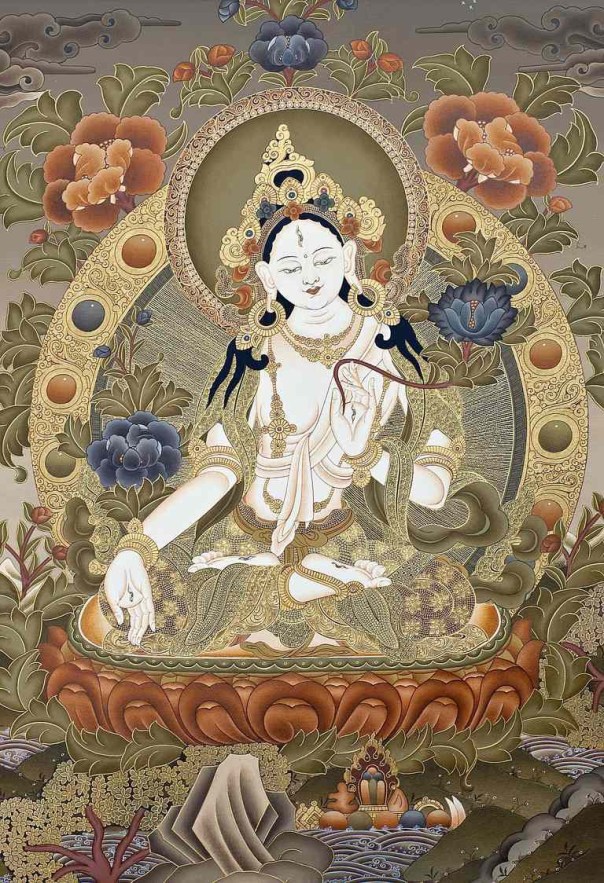

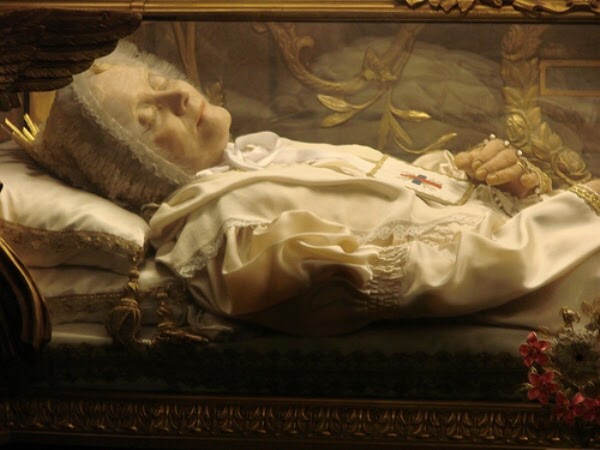
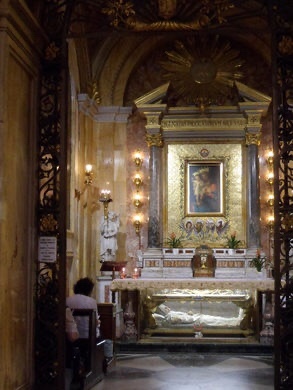



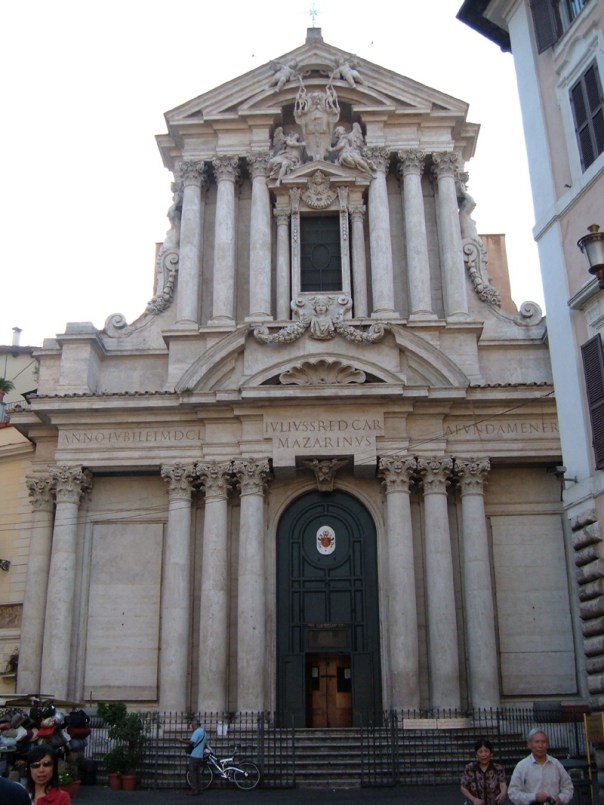

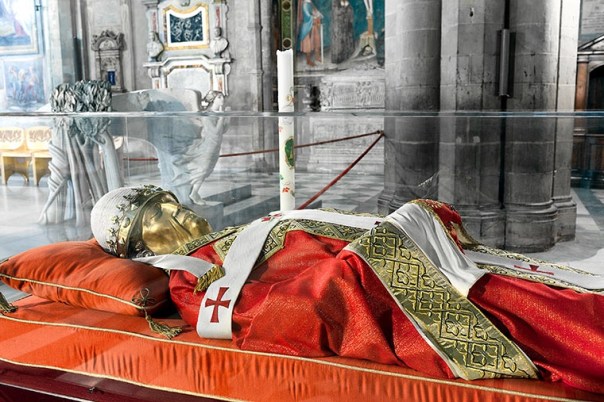
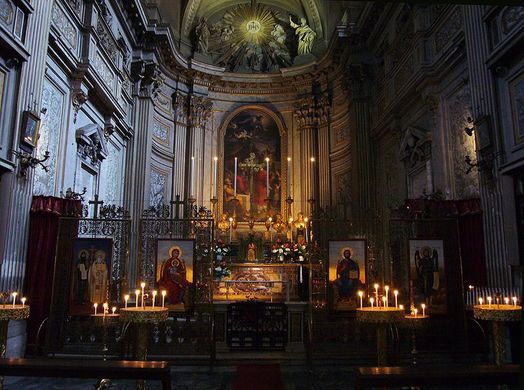
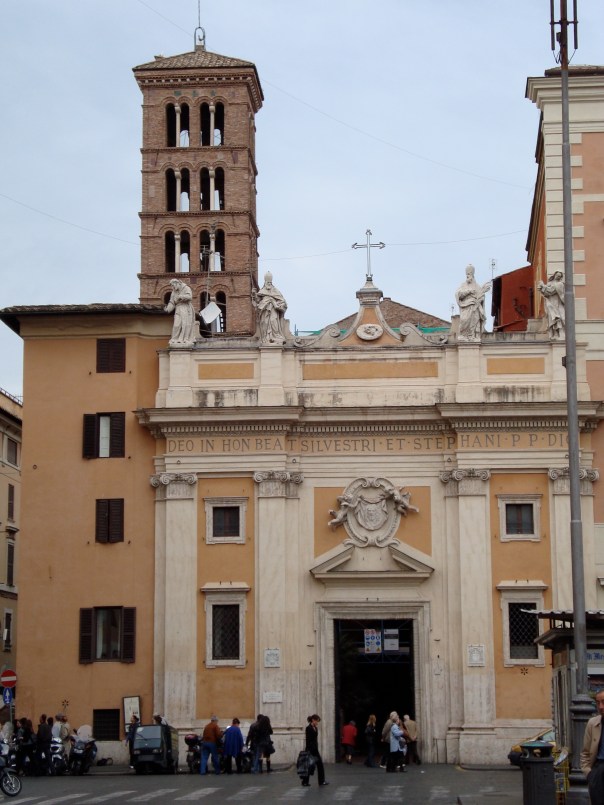


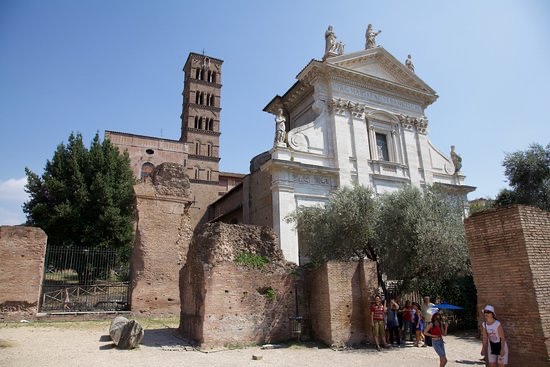

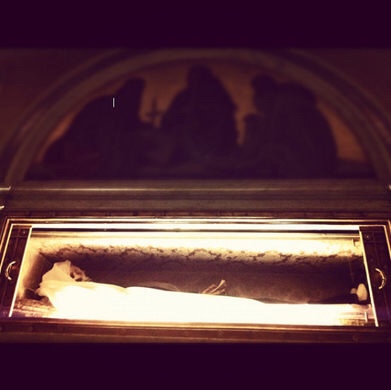


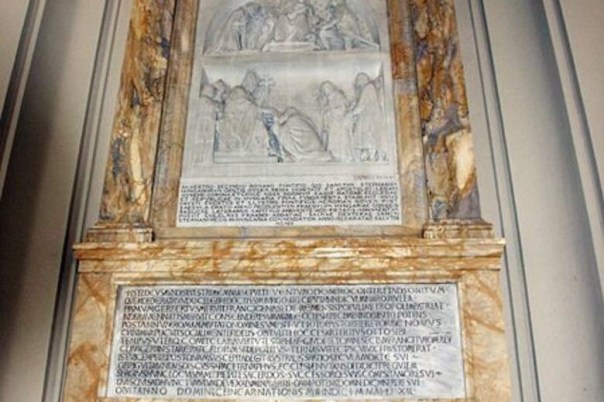
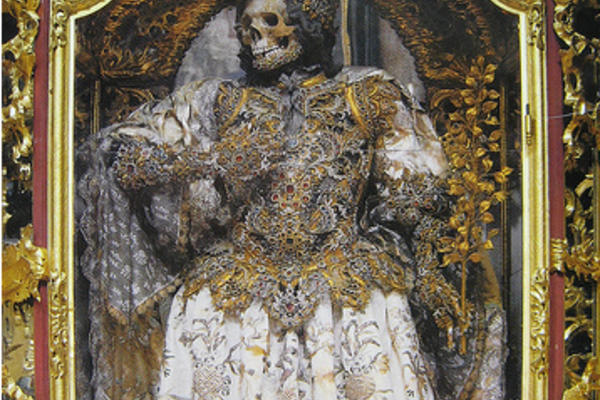

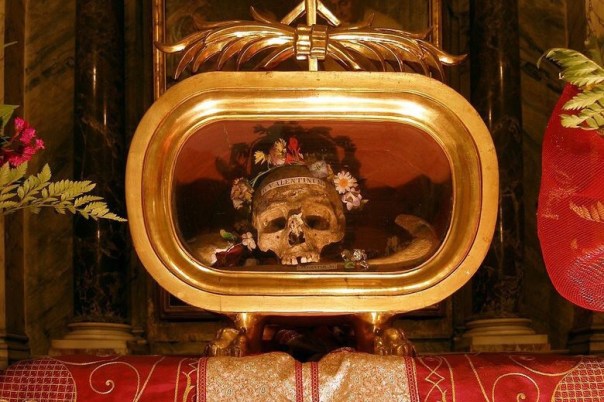

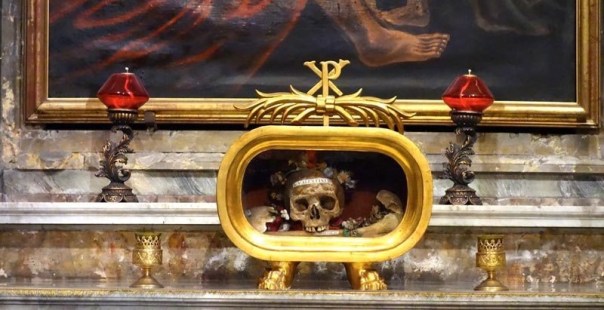

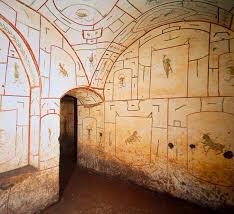

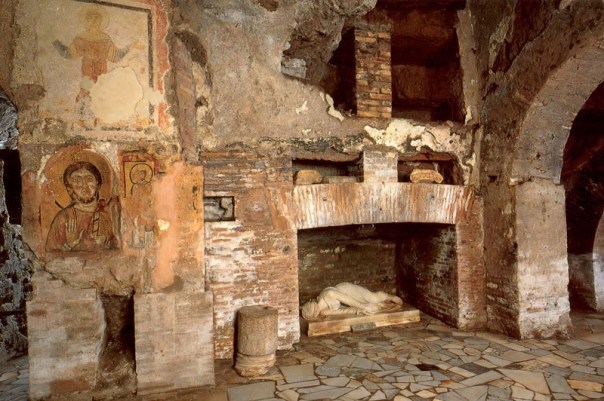

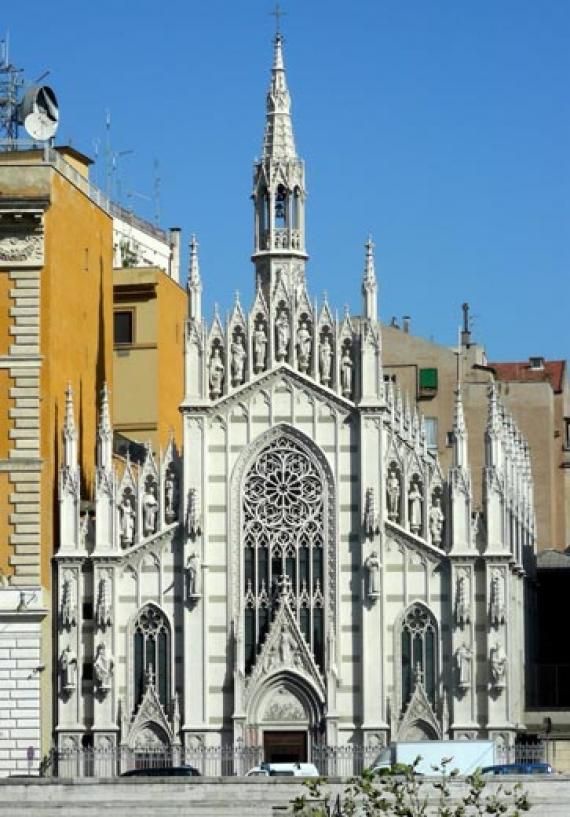
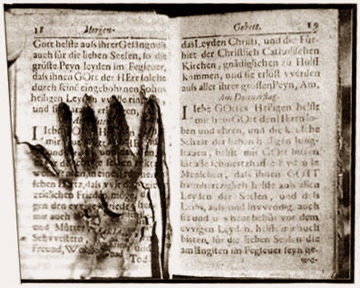


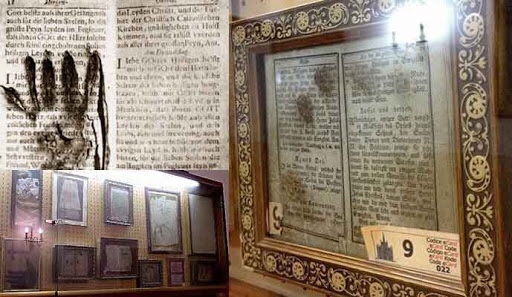
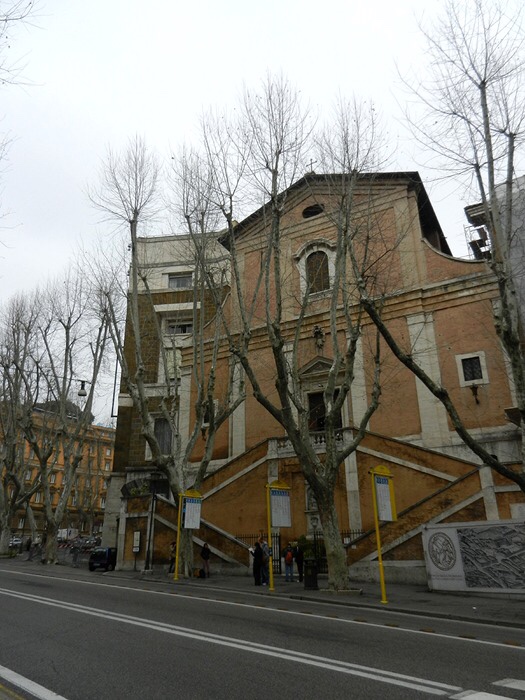
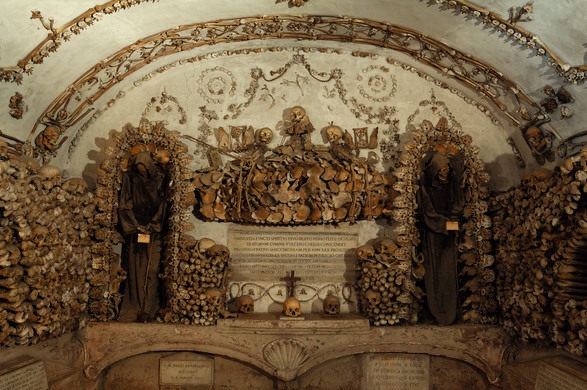
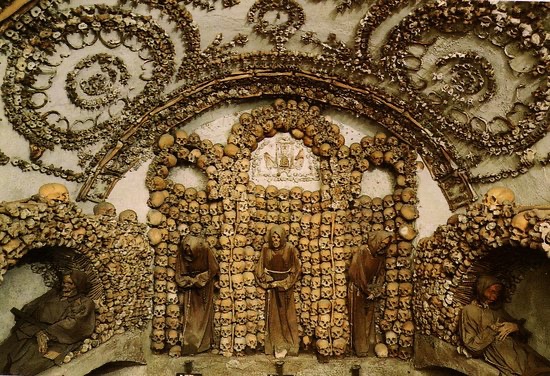
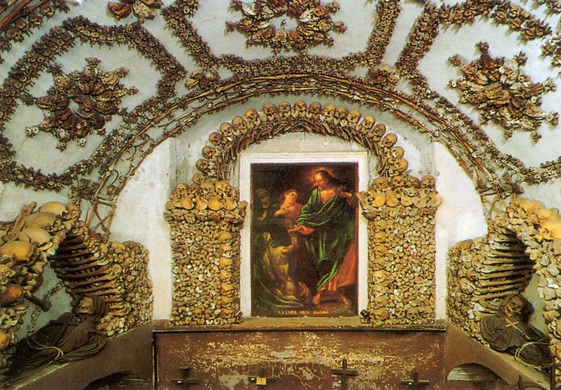
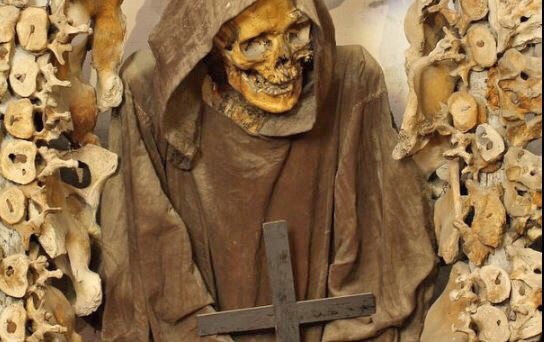

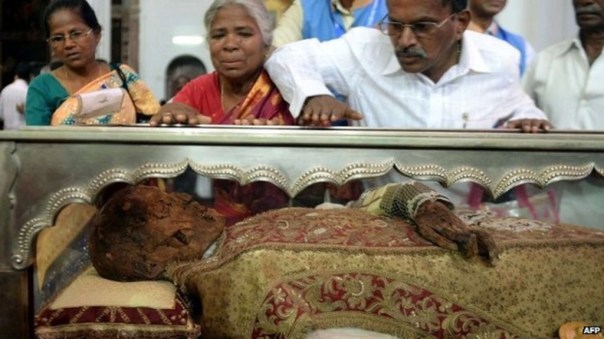
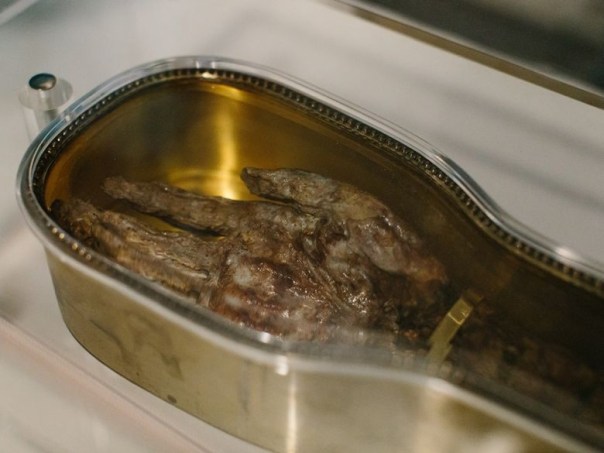
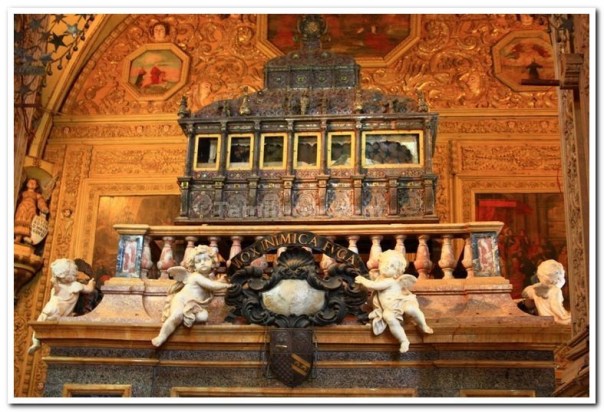
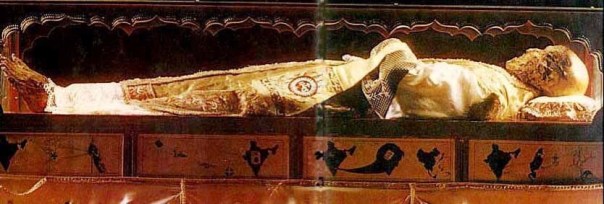
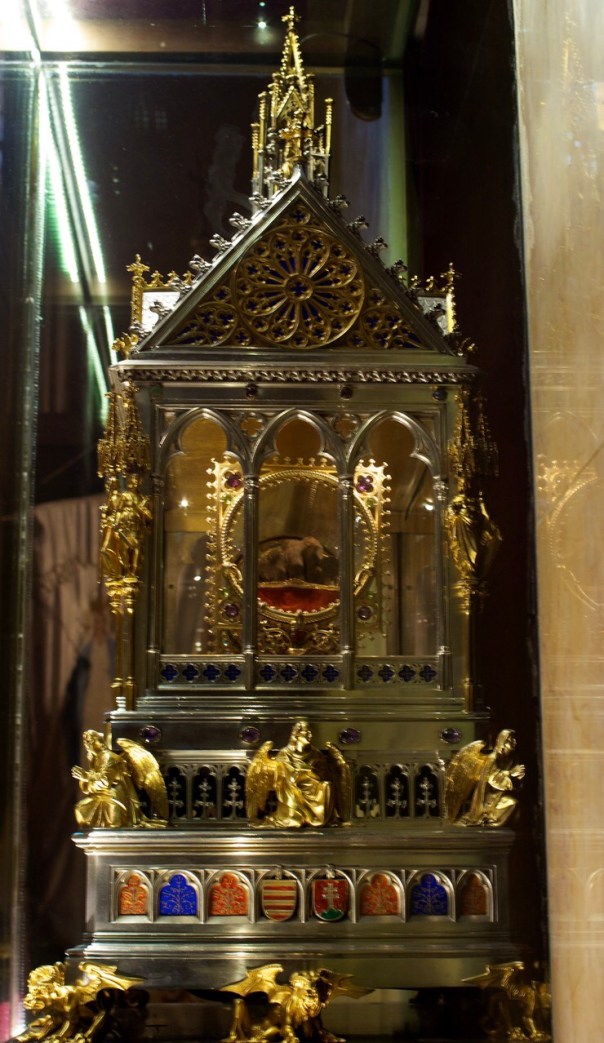

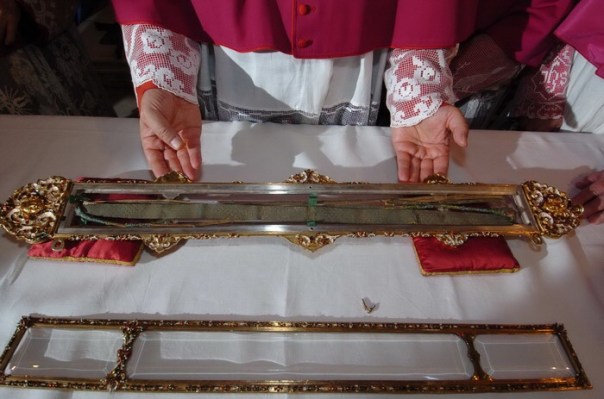
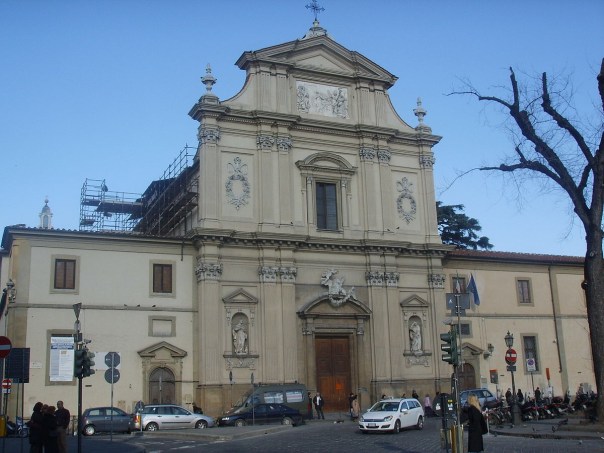
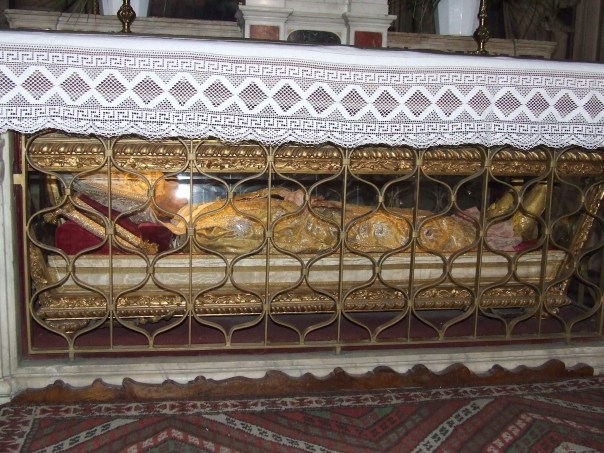
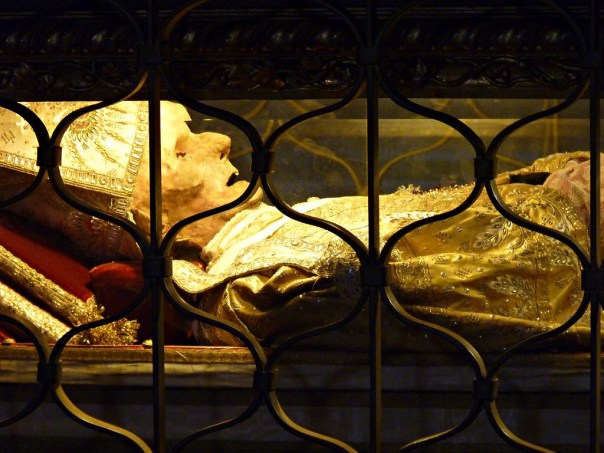
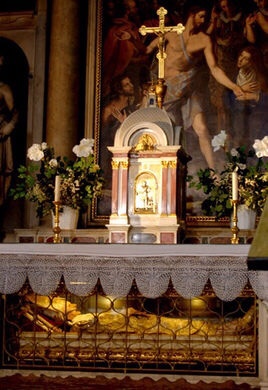

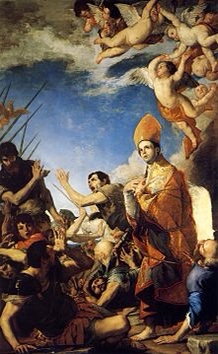

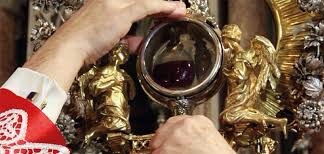


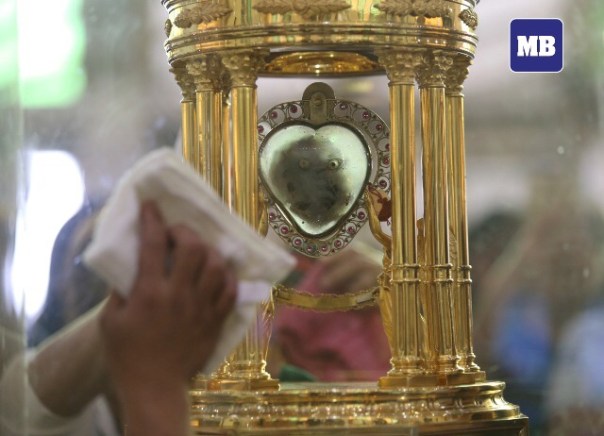
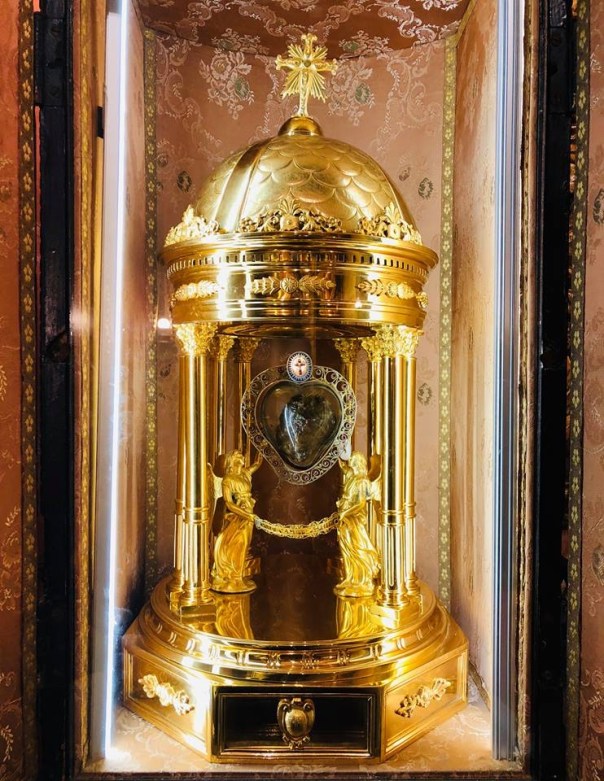
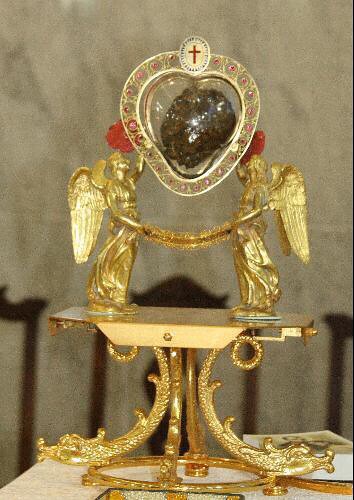
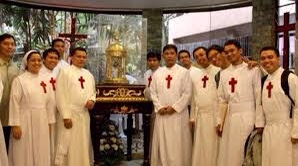

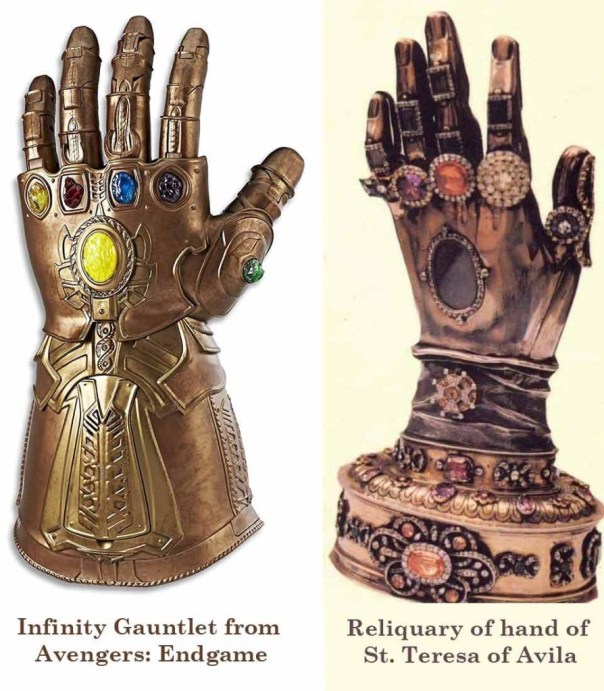
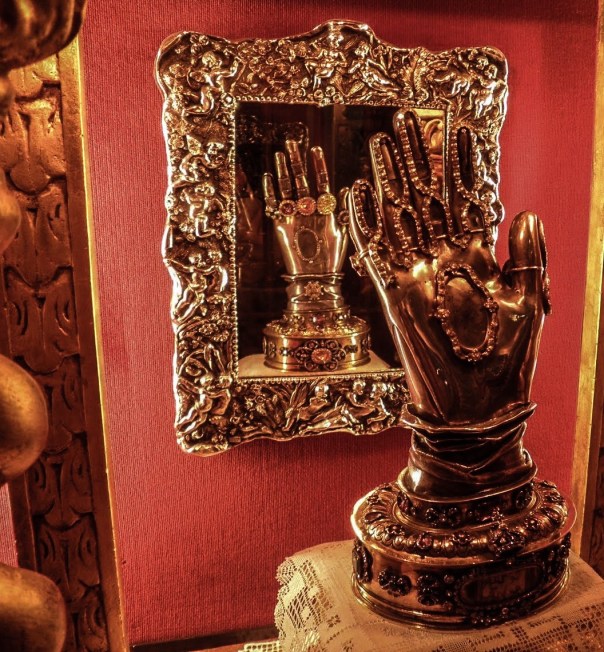
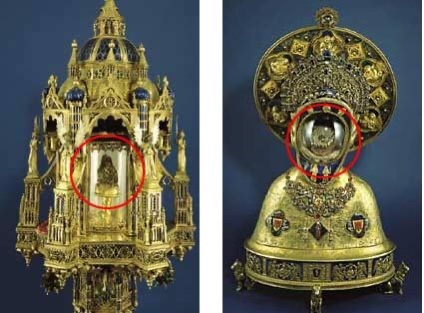
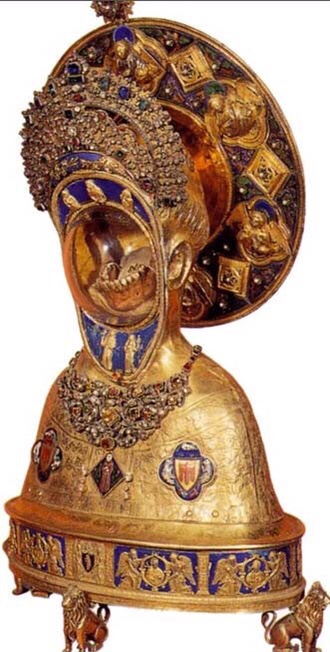
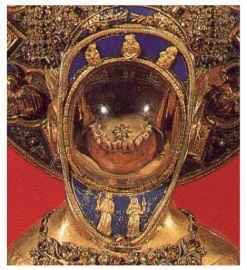

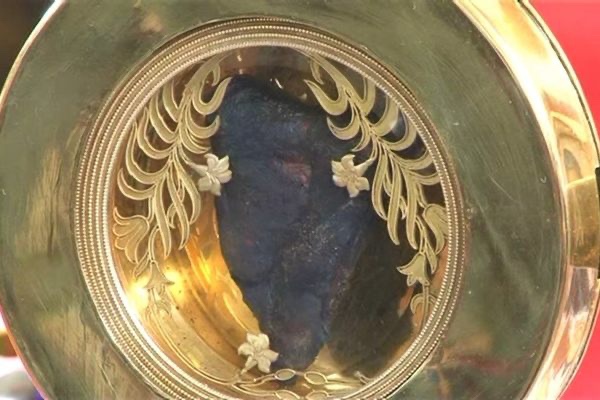

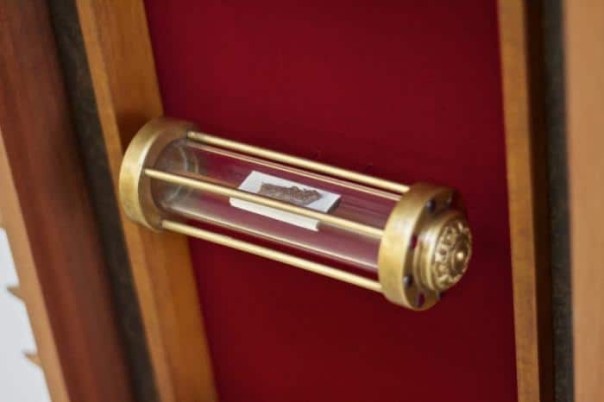
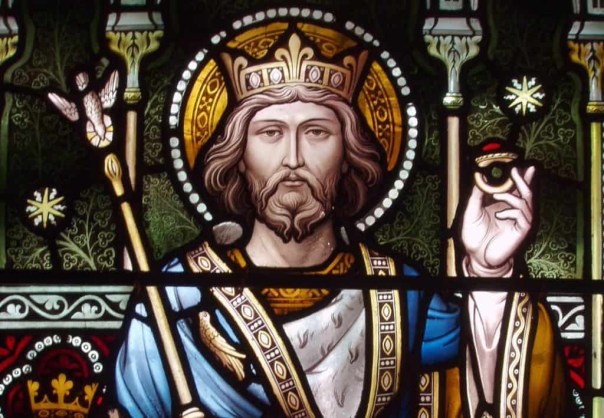





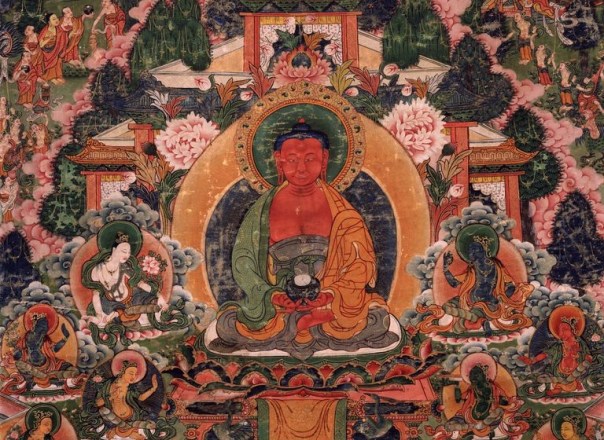










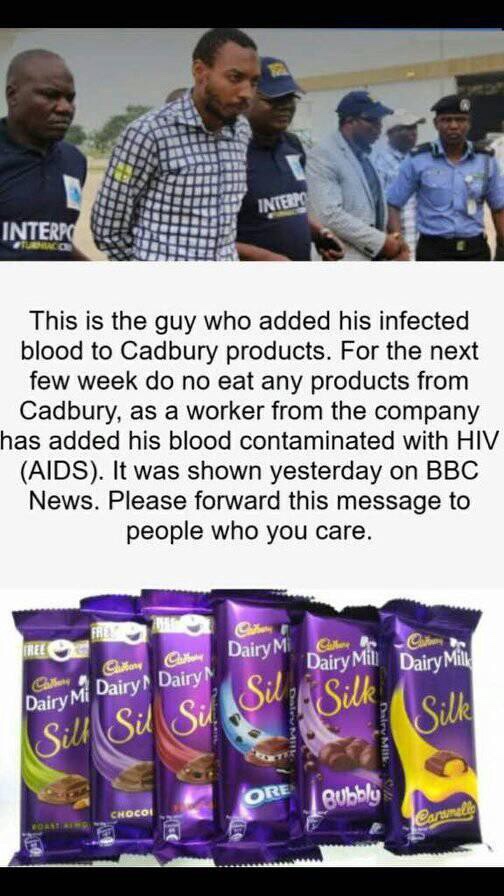


 timalderman