Category Archives: General Interest

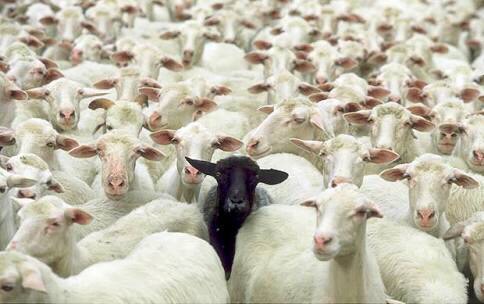
On Being A Black Sheep!

“Regrets? I’ve had a few! But then again…too few to mention! I did what I had to do, and saw it through without exemption…but more, much more than this – I did it my way!”

“In the English language, black sheep is an idiom used to describe an odd or disreputable member of a group, especially within a family.”

I never planned to be the black sheep of my family. Perhaps genes had something to do with it; perhaps environment; or we can poke a finger at the times we grow up in – all are likely causes! But sure as hell, life experience, that need to survive (stronger in some of us than others, I’ve noticed) is a very definite cause.
I’m not the first in my family. My Great Grand Uncle, George Rickinson Swan Pickhills, was another. For the times he grew up in (the mid-1800s up), he was not a conformist. Outspoken, openly critical of others including governing bodies,  had no tolerance for idiots, and went about things with an actions-speak-louder-than-words attitude that gained him respect amongst his peers, and set him firmly against the establishment. A true role model if ever there was one! My cousin Dianne was also one who bucked the fitting-in trend, and did things her own way. I think she saw aspects of me that no one else in the family noticed. 

Even for someone growing up through the 50s& 60s, I don’t think I ever really conformed. It wasn’t an obvious choice to not fit in, but more like a realisation that if I didn’t stand up for myself, I would always be doing that which I didn’t want to do. Surprisingly, I always seemed to be accepted as an individual, even in a world where individuality was not an accepred norm. Perhaps the most difficult aspect of it, and certainly would have caused the most frustration in my family – oblivious to me, of course – was that I had a definite leaning towards the more creative side of life, rather than a sporting or physically active side. This showed up in various ways in my pre-teen years – I avoided sports for starters, much to my fathers frustration. He tried initially to get me to play soccer – I loathed it, and did everything possible to avoid contact with the ball. After that…tennis – but no, not interested. I managed to avoid sports for the entirety of my school life – no mean feat – by hiding, wagging it with other boys who felt the same, or volunteering for other duties. Truth be told, I didn’t hate sports altogether. My experiences with softball were very positive – but it’s not an Aussie sport, is it! And I loved athletics. I was a fery good runner, triple jumper and high jumper, but no one ever offered athletics as a viable alternative within sports, nor offered any encouragement to be trained in or follow such a path, so it went by the boards. Over the years, I’ve had cause to reflect on that!

I had a furtive imagination, which showed itself in my essay writing, my love of reading science fiction, and my ability to invent games to play at home. I loved nothing more than to be tucked out of sight, in a quiet corner with my hound, devouring a book. In high school, I was active in the choirs, theatrical productions, and writing – successfully, and often  with hilarious results – my own twisted interpretations of Shakespearean classics, performed during parent & teacher occasions at the schools. 

But of all the driving forces that create black sherp, the three singular and most significent events were the ones that had the potential to destroy me, but instead hardened me, radicalised me, and instilled the survival instinct in me. The acquired abilities to see through all the bullshit of others around me; to cut those out of my life who either let me down, or disappointed me; to realise early in my life that I was different to most around me, to embrace the difference, and despite making some very bad decisions along the way, always remaing true to myself; going against the grain, which created its own sets of problems; defying authority – ditto for creating problems; and the ability to live alone, to be able to be a solitary individual yet never let it drown me, has served me well all my life, has given me a tough exterior (and often interior) that has helped ne survive even bigger issues as life has trundled along. 

The first toughening came when, in early 1965, with me at the grand age of eleven, my mother left home. I can’t say I didn’t understand why she left. I was an intuitive child, and had, on occasion, seen and heard things I oerhaps shouldn’t have, and drew my own conclusions on things happening around me. This created, at home, a first taste of independence. Years of watching my mother do things around the house paid off, and with the help of neighbours we scraped by. I learnt not to iron nylon socks. The second thing that happened – bringing Nancy Thompson in as a housekeeper – was a catalyst for the third – the death of my 7 year-old brother, Kevin. Nancy taught me real survival skills, however not enough to prevent my brothers fate. Enough has been written about his death – there is a long article on my blog here “Kevin Pickhills – The Unspoken Name” – for me not to go into it here, however the effects on my life from this catastrophic event were to have repercussions for decades to come. To stand up to Nancy, you had to be tough – she was a bitch of the first degree – and she unintentionally taught me mental toughness – something one really shouldn’t have to learn at 11 going on 12 – and to alienate myself from all that was going on around me. She was the first to publicly acknowledge – in a newspaper –  that there was an “effeminate” side to my nature. I don’t know how I would have reacted if I’d known of it at the time. Perhaps I would have breathed a deep sigh of relief! She taught me survival against all odds!

My relationship with my father – not the best at any time, as I and Kevin had both been bullied by his hair-trigger temper, and the leather strap he weilded in the name of discipline – was fraught with tension, distance and disassociation after Kevin’s death. My final toughening had been invoked, and from that time on, whatever was thrown at me rolled off…at least on the exterior. From that time on, I was at war with my father, his family, and the world. He hated rock music…so I played heavy rock. He told me not to drink…so I drank…to excess. He told me not to smoke…I smoked. He forbade me growing my hair…I grew my hair. He told me to finish school…I left at 4th form. He told me to get a trade…I ended up in retail. Whatever he wanted, I did the opposite. At one stage, he threatened to “knock my block off”…I left home, and never went back. When he committed suicide in 1978 (carbon monoxide poisoning, in his car, in the bushland around Vincentia) I went through the motions of grief, but inside I was glad. Not only had Kevin’s horrendous death been avenged, but I no longer had to fear whatever retribution would have happened by finally fully living my own life. I could publicly acknowledge my sexuality as a gay man, and get on with it! It was exhilerating! 

I don’t know that contracting HIV in 1982 really impacted my life as much as it should have. I have always thought that I had fought tougher battles, and indeed when asked about it in an interview in the late 90s, I stated that despite everything I had been through with HIV and AIDS, the death of my brother had impacted my life more. By this time, I had found ways to be a black sherp in the community. My years of managing a sex shop in Darlinghurst, my forays into “gutter” drag, my taking charge of many aspects of my health care, my defiance at taking drug regimes the way I want to take them, instead of how they should supposedly be taken, my refusal to allow HIV to be a “secret” part of my life, my refusal to see the negatives of a very negative disease, by empowering jyself by not becoming a victim, all pointed me in different directions to what most others were taking. I made one atrempt to return to jy old trade of retail, hut it felt like a step back, a return to a world that I had now left behind. I went to university, I went to TAFE. I started my own husinesses, took my life off into directions that I wanted…and fuck the world, and fuck anyone who thought they could tell me what to do! Even my vision-impairment has pushed me into black sheep territory. I learnt to use a white cane, then refused to use it because it can be as much of a hindrance as a help. I still do things my own way, and despite sometimes being my own worst enemy, at least I feel like an individual. There is not a single thing I do that my father – or mother – would approve of…but then, I’m happy. I don’t know that they ever were!

Back in the late 70s I reconnected with my mother. It was as much a curiosity thing as anything else. She had remarried, and I had a half-sister, with 18 years between us. I didn’t particularly like my step-father, but I didn’t have to live with him, so didn’t much care. With so much water under the bridge, my mother and I had little in common. By the time I reconnected, I was on the verge of coming out (after my fathers death), and by the time I returned from Melbourne in 1982, not only had some friends accidently outed me to her anyway, but I was well and truly an out gay man. She tried the “Oh, it’s all my fault” victimised mother line, but I told her to get over it. In many respects I hever clicked into her family (or her into mine, I have to say). She was hospitalised to have her bladder remived – due to cancer – in late 1997. No one rang to tell me she was in hospital. Being a bit peeved at not being notifued, I rang to enquire why. I was told that there just wasn’t time to ring everyone – though mind you, the rest of the family knew. Made me realise just how far down the pecking order I was in her new family. I rang her in Westmead Hospital on Christmas eve, wished her a happy Christmas – and that was the last time we spoke. She made no attempt to contact me, nor I her. The last I heard she was still alive, and in her 80s. When asked recently if I shouldn’t contact her, being as she possibly won’t be around much longer, and I might have regrets if I didn’t – I replied…no, and I won’t! We all make our own beds!

I’ve lived most of my life on the outer edges of things. I have no regrets about that. If being a black sheep makes me an individual; if it gives me unrestrained freedom to express myself; if it means I don’t quite fit in; that I can just be me – then I luxuriate in it. Life took the 11 year-old child, and bashed (figuratively) and moulded him into the adult I became, and the senior (who still refuses to be what society expects me to be) that I am developing into. Its led me down some dark allies, crossed some roads against the lights, and balanced on the edges of many cliffs – but at all times there was light, safety and balance at the end of it. I have walked in the illustrious company of others who also follow the outer paths of life. It us never the easy road, though perhaps the more satisfying. 

I don’t know that a black sheep can ever be white, or even a shade of grey – but then…perhaps we don’t want to be! 

Tim Alderman (C) 2016
Henry Moorsom Pickhills (1840-1866)

We kniw very little about our early family histories, other than what we can glean from records. From these, we have to try to piece together some sort of story of their life. Some records are too-the-point, others sketchy – but very occasionally they can be gems that give us very intimate glimpses into who they were. My Great Grand Uncle, Henry Moorsam Pickhills, is one such. He lived for a very short 25 years, yet I feel I know him well.

Henry was born in Halifax, Yorkshire in 1840, just in time to be included in the very first census held in England. The second-born son of Rickinson Pickhills & Elizabeth Appleyard, he was given his  Great Grandmothers maiden name – Moorsom – as a middle name. Apart from being included in the 1851 census, where he resided in Manningham, Yorkshire along with two additions to the family – Catherine, and Charles Edward, this is all we know of his first ten years of life.

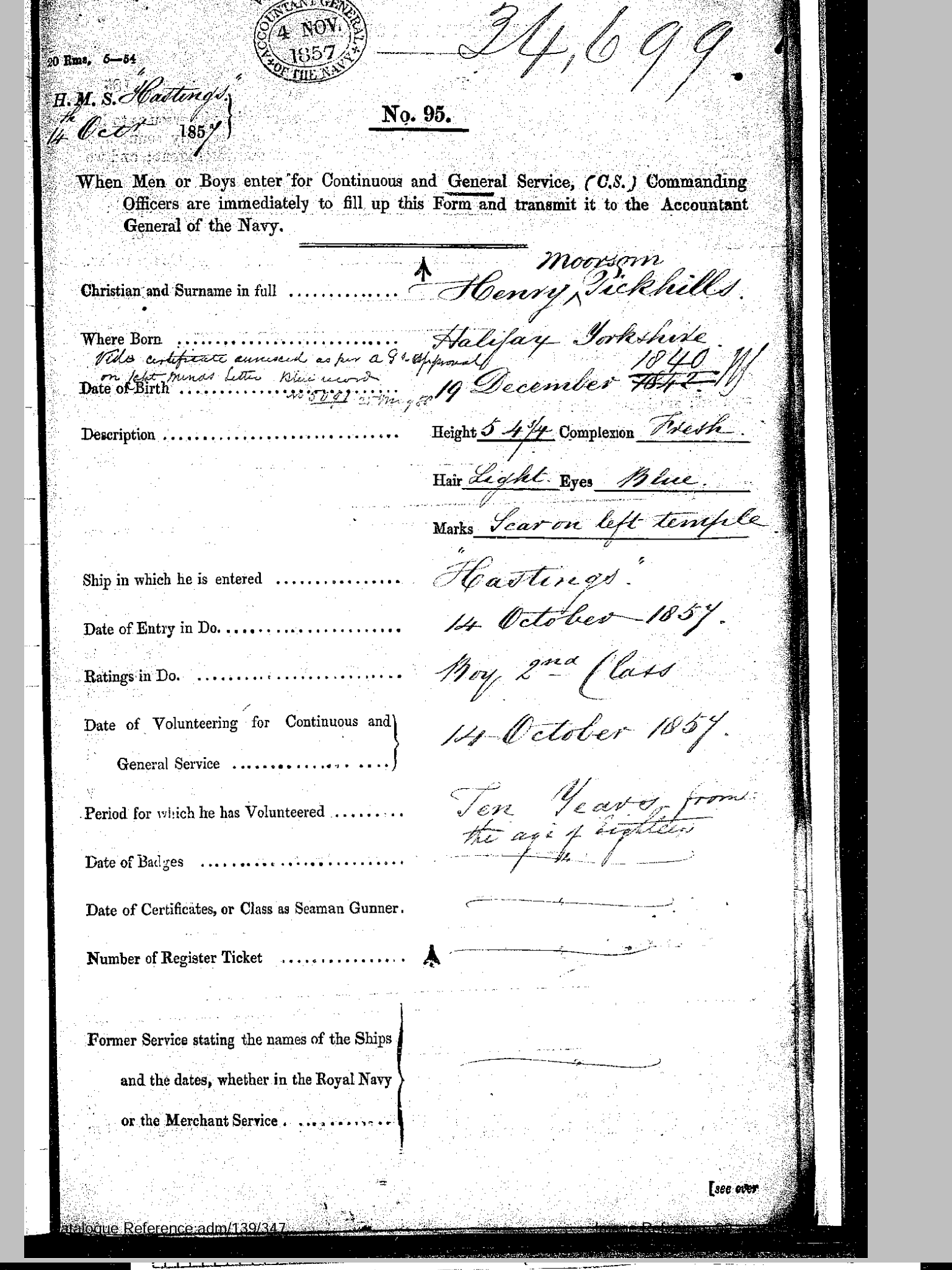
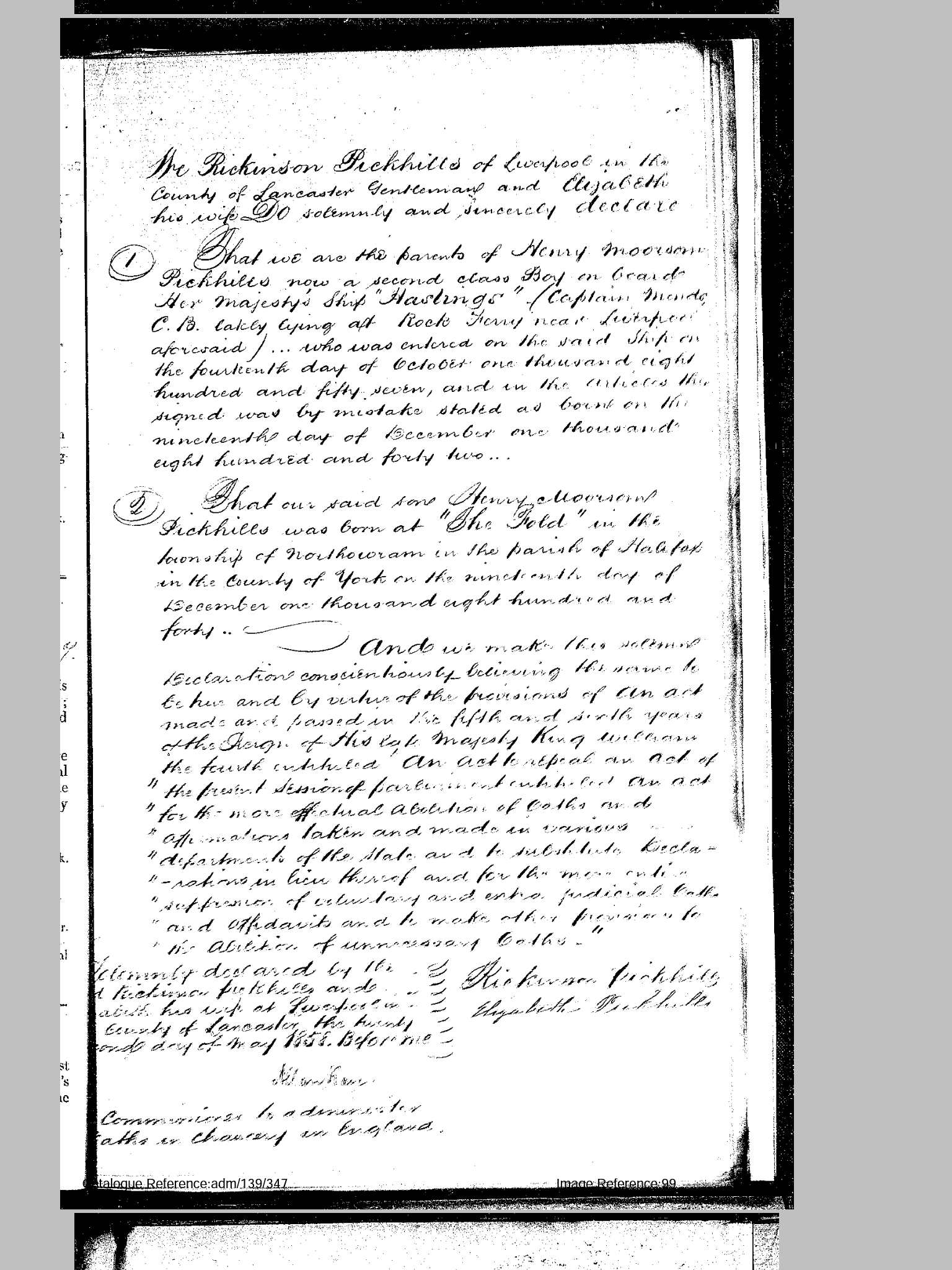
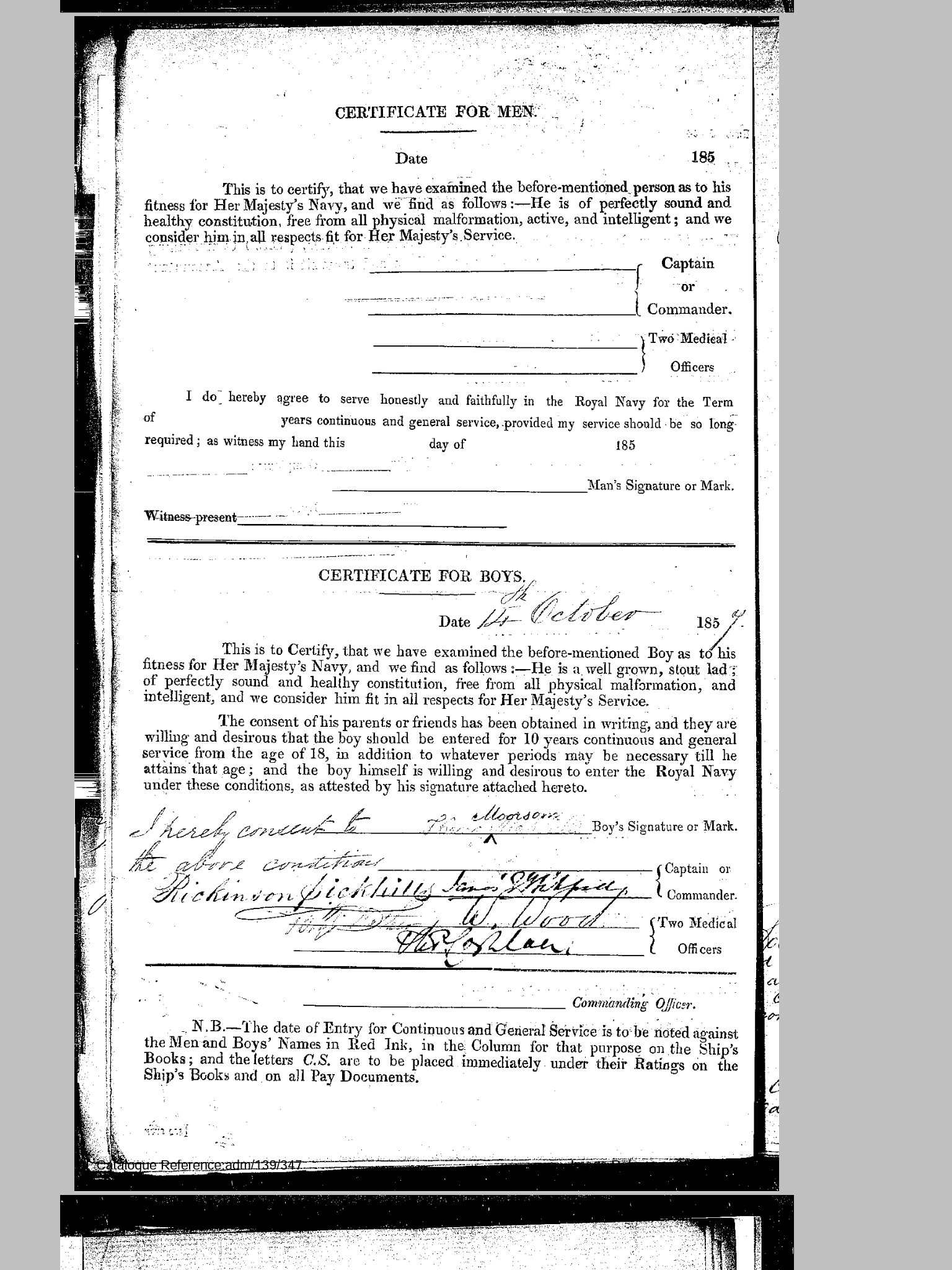
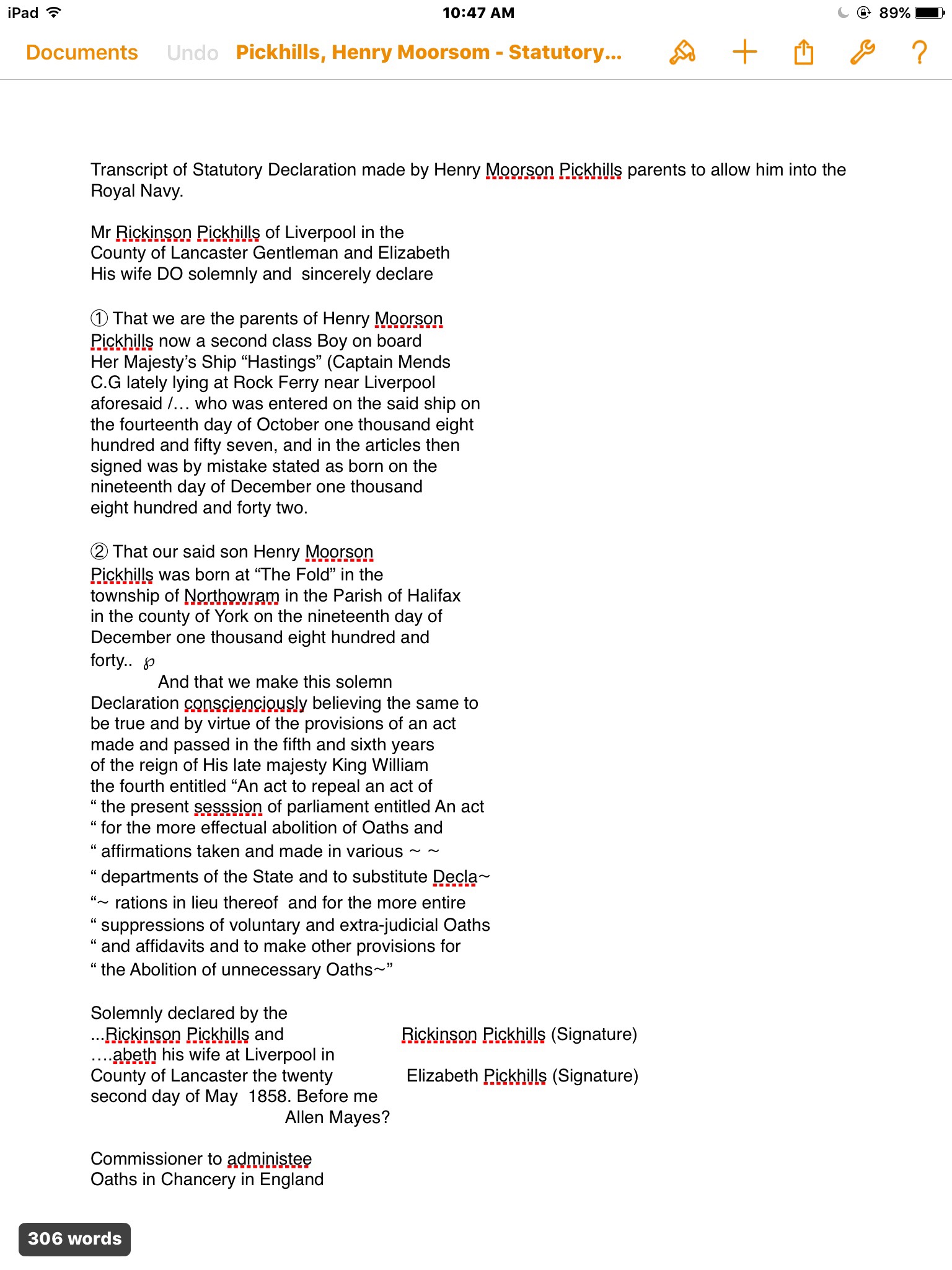
We hear nothing more about him until 14 October, 1847, when he volunteered for service with the Admiralty. Getting Henry’s Admiralty papers was a true find for several reasons – it gives us a description of him,, tells us his ranking and ship, who the captain was – and a statutoty declaration from Rickinson & Elizabeth, written in Rickinson’s hand, giving him permission to join, Henry being only 16 years-old at the time.

We know from this record of 3 pages that he enlisted on HMS Hastings. He was born on the 19 December 1940. He was 5’43/4″ tall, with a fresh complexion, light hair, and blue eyes. He has a scar on his left temple. His ranking is Boy, 2nd Class, and he has joined for 10 years from the age of 18. The actual Boy Certificate is signed by Rickinson, Henry, the Captain and 2 medical officers.The statutory declaration gives the Captains name as Captain Mends (William Robert, as per research). It tells us, rather unnecessarily, that at that time the ship was lying at Rock Ferry near Liverpool. Rickinson had mistakenly given Henry’s birth year as 1842. Henry was born at The Fold, in Northowram (Yorkshire). Rickinson goes into quite a starement in legalese towards the end of the declaration. Was he showing off? As an Articled Clerk training to be an Attorney did he want the readers of the declaration to know that he was a learned man? The reasoning is unknown, though it seems a quite unnecessary addition to the statement.

Our next encounter with Henry is on the 19 December 1858, in the UK Royal Navy Registers of Seaman’s Service, where he is noted on the Hastings. 

We next hear of Henry at the 1861 census, where he is counted amongst those “at sea”. 

We finally encounter Henry on the 8th April 1866. He had died onboard the SV Aracan, from Cholera, at Calcutta, Bengal. He was buried on the 9th October 1866 in Calcutta. £3/13/1 is owing to the family. Other goods sold. He was 25 years-old.

Notes

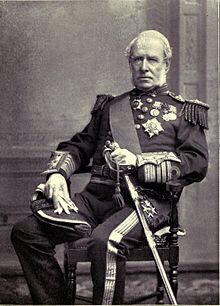
  • Captain William Robert Mends GCB (27 February 1812 – 26 June 1897), was a British admiral of the Royal Navy, son of Admiral William Bowen Mends[1] and nephew of Captain Robert Mends. William Mends was born at Plymouth into a naval family. He married Melita, daughter of Dr Joseph Stilon R.N. on 6 January 1839. From 3 April 1857 to 1 February 1860 he was captain of HMS Hastings on Coast Guard service. He moved to take command of HMS Majestic on 1 February 1860 when she replaced Hastings on coast guard service and was then appointed deputy controller general of the coast-guard in 1861. He spent May 1862 to February 1883 as Director of Transport at the Admiralty. Mends retired at the rank of rear-admiral on 1 January 1869, was promoted to vice-admiral on 1 January 1874 and then a full admiral on 15 June 1879.
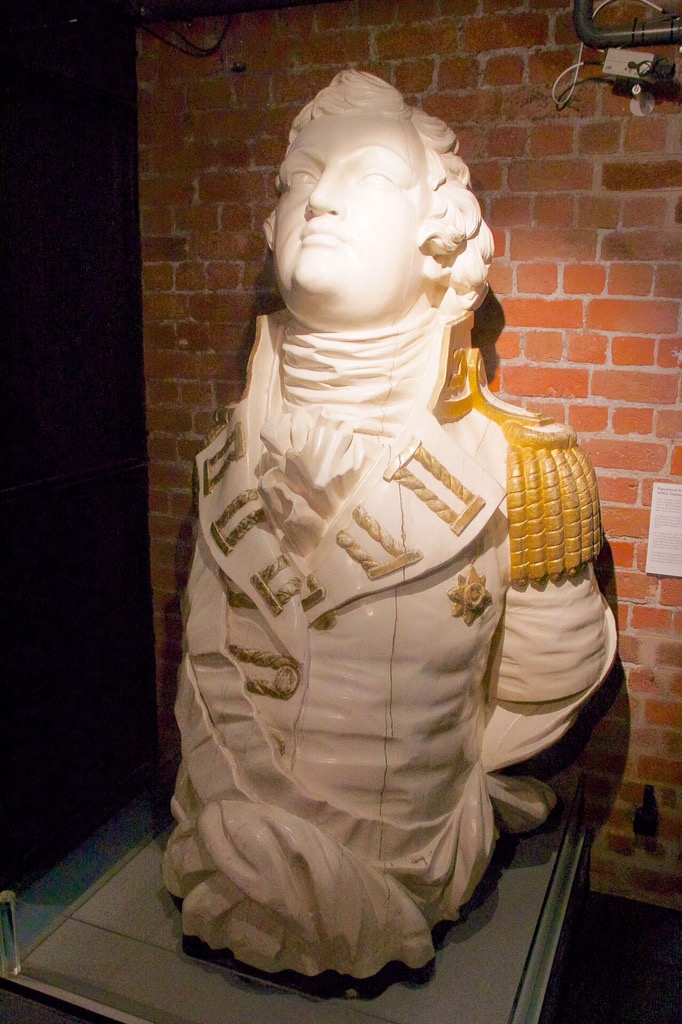
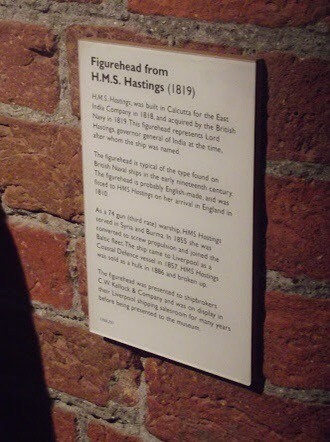
  • HMS Hastings was a 74-gun third rate ship of the line of the Royal Navy. She was built in Calcutta for the Honourable East India Company, but the Royal Navy purchased her in 1819. The Navy sold her in 1886. Hastings was built of the highest quality “saul”, “sissoo”, “Pegue”, and “Java” teak wood, following Sir Robert Seppings’s principles, which resulted in a vessel both longitudinal and transverse support. Her construction cost Sicca ruppees (Sa.Rs.) 8,71,406 (£108,938), which the merchants of Calcutta and other patriotic individuals subscribed via shares. The full cost of getting her ready for sea was Sa.Rs. 8,71,406 (£116,375). Captain John Hayes sailed Hastings from Calcutta on 28 March 1818. She reached Madras on 13 April, and Port Louis on 2 July. From there she reached St Helena on 15 September, and arrived at The Downs on 3 November. The Ship’s figurehead is now on display at the Merseyside Maritime Museum.
  • SV Aracan; nationality: British; purpose: transport; type: fully rigged ship; propulsion: sailing ship; date built: 1854; tonnage: 864 grt; dimensions: 56.8 x 9.8 x 6.6 m; rigging: 3 masts full rigged; IMO/Off. no.: 1080; call sign: HGMW H G M W; about the loss cause lost: collision; date lost: 09/03/1874; casualties: 0; builder: Whitehaven Shipbuilding Co. Ltd., Whitehaven; owner:   Brocklebank T. & J. Ltd. – Thomas & John; captain: Charles Hartwood. 
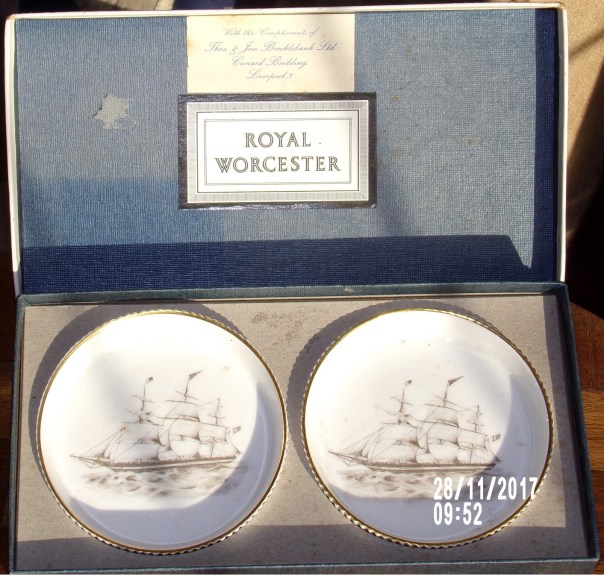
  • The Brocklebank family who owned the Aracan that traded between England, India and China from the opening of Chinese ports in 1858. She was sunk in collision with the SS American at 10 p.m. on 9th March 1874, 16 miles off Portland Bill, England, with 116 men on board. All survived and were taken on board the SS Syria that was being towed by the American on a 0.25 mile long hawser. I still have a presentation case containing two Worcester dishes, as was given to 1st class passengers, and a copy of the newspaper articles about the accident and the subsequent court cases that found the captain of the American solely to blame.The Aracan was for many years known as the unknown vessel as it took 18 years after the wreck was found in 1996 by diver Grahame Knott of Weymouth. The wreck is now a prime dive site and attracts many divers. Unfortunately it sits in the middle of a military bombing range and can only be accessed during cease-fire periods.

Photo curtesy of Jonathan Clarke-Irons

  • Rock Ferry is an area of Birkenhead on the Wirral Peninsula, England. Administratively it is a ward of the Metropolitan Borough of Wirral. Before local government reorganisation on 1 April 1974, it was part of the county of Cheshire. At the 2001 Census, the population of Rock Ferry was 13,676 (6,444 males, 7,232 females),[2] increasing to 14,298 (6870 males, 7,428 females) at the Census 2011.[3]. In the 17th century Derby House, an occasional seat of the Minshull family, covered most of the grounds covered by present-day Rock Ferry. Thomas Oakshott, Mayor of Liverpool, lived there in the 19th century. The house, located on Rock Lane West close to the New Chester Road, was demolished in the early 20th century. Residential building did not really happen until the early part of the 19th century, the rise of the ferry and the railway, and the establishment of the Royal Rock Hotel and bath house in 1836. Between then and 1870, the area received an influx of luxurious housing, the villas of Rock Park and many other large houses around the Old Chester Road making Rock Ferry one of the most desirable addresses in the North West.[citation needed] In the later part of the 19th century, Rock Ferry expanded due to the need to house the increasing population of workers, especially at Birkenhead’s Cammell Laird shipyard. By 1901, the population stood at 2,971. In 1910, the Olympian Gardens were opened adjacent to the Royal Rock Hotel. These pleasure gardens were considered a great attraction and customers travelled from the whole of Wirral and, using the nearby ferry terminal, from Liverpool. The gardens hosted classical piano concerts and also slapstick comedy shows, with performers including Arthur Askey and Tommy Handley. At times the gardens held a prestige similar to the more famous Vauxhall Gardens in London. Shows were held in a large tent set amongst the trees and shrubs of land owned by Charles Boult. The gardens closed in the late 1920s after Mr Boult’s death. The decline of local industries in the 1950s took its toll. Many of the splendid buildings were dilapidated and unrestored. This decline was reflected in the loss of the Royal Rock Hotel, as well as many of the shops in the Old Chester Road and Bedford Road; whereas before Bedford Road had supported a wine merchant, a jeweller, two tailors, three banks, and two bookshops, most shops stood vacant. Large-scale regeneration work in the 1990s, which involved the demolition or restoration of many such derelict properties, and the building of new housing, means that the area has improved considerably, although many buildings of considerable character have been lost.

Tim Alderman 2016


    Captain William Robert Mends
    Figurehead from HMS Hastings

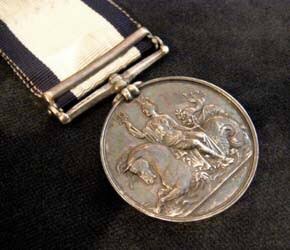
    General Service Medal HMS Hastings
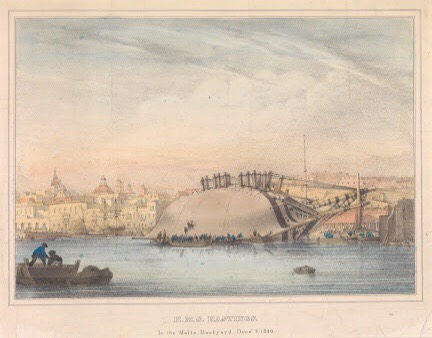
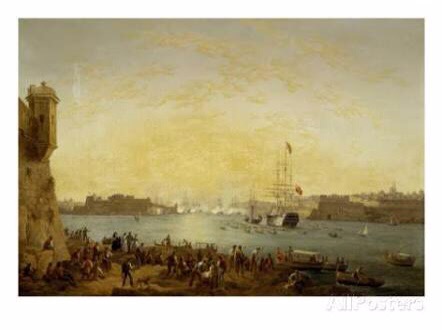
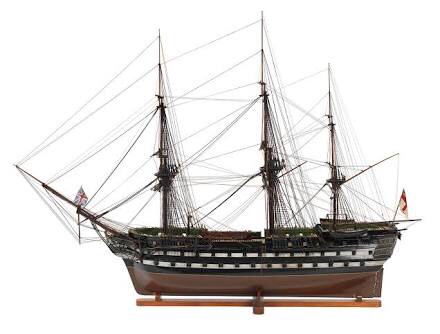
    HMS Hastings
    HMS Hastings
    HMS Hastings
    HMS Hastings
    Newspaper piece on the collision and sinking of SV Aracan

    Political Snippet: When Will We Be Taken Seriously!

    “plebiscite

    ˈplɛbɪsʌɪt,-sɪt/

    noun

    the direct vote of all the members of an electorate on an important public question such as a change in the constitution.

    “the administration will hold a plebiscite for the approval of constitutional reforms”

    synonyms: vote, referendum, ballot, poll

    “a plebiscite for the approval of constitutional reforms”

    ROMAN HISTORY

    a law enacted by the plebeians’ assembly.”

    This $54-odd million plebiscite is just another dodgy way for the government to by-pass the issue of Marriage Equalit for the LGBT community.  Turnbull has had the temerity to inform us that NO Coalition MPs, including members of his Cabinet are bound by the results of it, and indeed it is Liberal policy to have a free vote surrounding issues like this. What a fucking disgrace this government is!

    How long is this issue going to hang around for, before someone has the balls to do something about it! As someone who is actually blasé about the issue, as I have no interest in getting tied up into such traditions, I am really angry that friends of mine who want to marry their partners are STILL being denied the right! 

    The current political stand is not just about the waste of money to “validate” what the majority of the community already agree with; it just further demeans the LGBT community, continues to point out to us just how easy it is to deprive us of what are our rights as members of the general community; continues to bow to the religious right who have no right to have a say in an ussue that is NOT religious antway; continues to promulgate homophobia, as it appears that the government supports an anti-gay stance; denigrates and demotes us to the status of second-class citizens. 

    In a country that USED to pride itself on its modernist, progressive stance on issues like this, this is a huge let down, and shows just how out-of-touch with what the voters – yes, the people – want, and the government, in turn, are. Thiscera of right wing conservatism is NOT what this country was built on, nor the direction most want it to go in.

    This election is an opportunity for those who really care about this country to have a say not in just what they do want – but in what they don’t want! In my opinion, and I’m sure nany others, any LGBT person who votes for the Coalition in this election should hand in their gay card! There…I’ve said it! Enough is enough! It’s time to turn this country back around before it’s too late – if it’s not already! It’s time to shake our government up…and they are already netvous at the swing to minor parties and independents showing up in polls. Our two-party system no longer gives us the government we want…and it IS in our power to change it! 

    Think before you vote this election! 

    Tim Alderman 2016

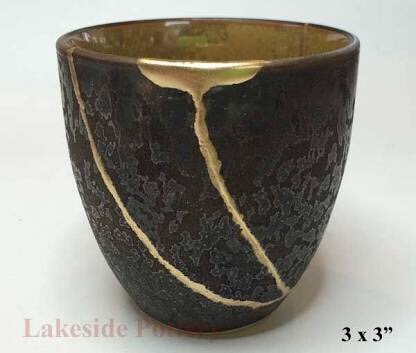
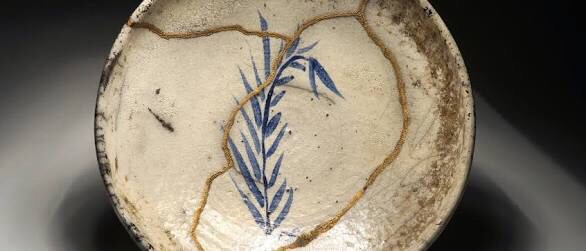
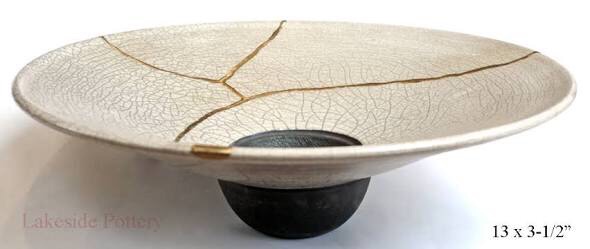
    Kintsukuroi “golden mend”

    “More beautiful for having been broken”

    kintsukuroi tea bowl

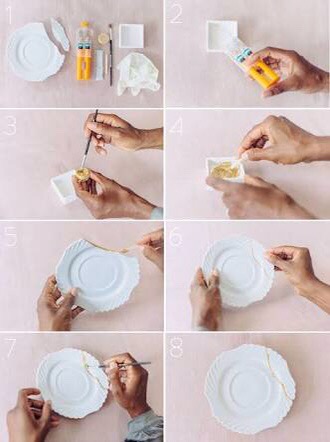
    Kintsukuroi (“golden mend”) is the Japanese art of mending broken pottery using lacquer resin laced with gold or silver. As well as a nifty form of repair, kintsukuroi has a deeper philosophical significance. The mended flaws become part of the object’s design, and some people believe the pottery to be even more beautiful having gone through the process of being broken and repaired.
      

    Through kintsukuroi, the cracks and seams are merely a symbol of an event that happened in the life of the object, rather than the cause of its destruction.


    Like pots, bowls, cups, and plates, we endure our own bumps and scrapes. We experience drops from a dizzying height and unexpected knocks.


    Sometimes we experience things that plant the seeds of shame: rejection, betrayal, abandonment, failure. So we try to avoid experiences that leave us vulnerable to these feelings as much as possible, lest the people around us see the evidence of just how imperfect, flawed, and “not good enough” we really are.


    In other words, we stay hidden in the cupboard, right behind the best silver, because we don’t want to get a chip, a crack, or a complete break.


    That’s not to say that I believe trauma or tragedy automatically makes us more beautiful—I don’t. I’ve known people who have dealt with these things and come out on the other end about as ugly as it gets.


    I do believe these experiences change us though—and I think we have a choice.


    We can choose to reject our bitter experiences and flaws, to wish and will them away, to regret, to pine, and to live in the land of “If only…” We can disguise with false-self personas, cover up with defences, distract with busyness.


    Or we can choose to see these experiences for what they are: our golden seams.


    The times when we get scratched, chipped, cracked and broken can feel totally shitty, but there can also be a strange beauty in the way we process them and the lessons we take from them afterwards… if we want.


    Our experiences don’t define us, but they do influence us. We can decide to hide, or we can decide to embrace these experiences that have shaped us in some small way, the experiences to which we’ve applied our own special coating of gold-laced resin. We can decide to cover up, or we can decide to walk out into the world as ourselves, mended breaks and all.


    Your story is yours to be told. Embrace the experiences that have influenced you. 
    http://www.becomingwhoyouare.net/japanese-pottery-can-teach-us-feeling-flawed/

    THE FABLE OF KINTSUKUROI

    Once upon a time, in the far, far east, east even of Eden, lived a great emperor, in a great palace, gorgeously stocked with the richest of goods. It was early spring, and the season of royal visits, when kings and princes called on one another and admired each others’ choicest possessions, gave wonderful gifts and enjoyed bountiful banquets. And this year was special, because the visitors would see the investiture of his beloved son Kintsukuroi as Crown Prince of the empire.
    The emperor was excited this year because he had a new and beautiful bowl to show to his friends, specially made for him by the finest of craftsmen from the finest of materials. Imagine then his horror when on going to his cabinet he discovered that it was broken apart, into a hundred pieces. How could it have happened? No-one knew. What could be done about it before the first visitors arrived? No-one could offer any idea, for the time was too short to start again and make another one.
    The emperor was dismayed, sad that he could not show off his beautiful bowl, but even sadder that something so beautiful should have broken. He retired into his private apartments with only his beloved son to share his sorrow, and they talked long into the night together.
    Next morning the emperor woke to the sound of a great commotion. His senior ministers demanded to see him urgently. The cabinet of treasures had now been broken into, and this time the great new golden diadem that has been made for his beloved son, ready for the investiture, was quite simply gone – along with the broken pieces of the broken bowl, but who cared about those now.
    What is more, the thief had been seen, but not recognized, since he was covered in dirt and scars, with nothing to distinguish him from a thousand other down-and-outs who hung around the palace, for the emperor – to the annoyance of his ministers – refused to turn them out but shared his food with them.
    No-one knew for sure where the thief had gone, but he had, they thought, run off towards the princes apartments. There the doors were most unusually now locked and there was no answer to their knocking, though they could hear sounds inside. Would the emperor give his permission for them to break down the door: they dare not act without it.
    The emperor was silent for many minutes. On his face his ministers saw sadness but not anger, lament but also love. What was going on? Eventually the emperor spoke. “Leave the prince and his apartments alone. If he is ready to rule, he must be allowed to act. His will and my will are as one.” The ministers were not at all sure just what this meant, but the message was clear. They were to do precisely nothing.
    So the day passed. The emperor remained in his private apartments. Those of the prince remained locked, though smoke could be seen coming out of the chimney and a fire had obviously been lit. And eventually the ministers tired of their waiting and went to bed. The important guests were expected the very next day.
    Imagine now their surprise in the morning when they went to the treasure cabinet to prepare its items for display and found the precious bowl back in its place, whole again, but glistening with veins of gold where the cracks had been. Its beauty seemed all the greater. And by it the prince’s crown, a slim band now, but speaking in its simplicity of a strength, an authority all the more striking, because it had given itself away and given glory to another, but was the greater itself for it. The investiture could go ahead.
    A smile of secret understanding passed between the emperor and the son whose newly scarred hands had shown him worthy to come into the kingdom.
    https://philipchircop.wordpress.com/2013/11/10/the-fable-of-kintsukuroi/

    A Mineral Worth Its Salt

    3/4/2010 The Sydney Morning Herald

    Author: Helen Greenwood

    Section: Good Living

    Page: 8

    This often-maligned compound now comes in a dazzling array of flavours and textures from countries across the globe, writes Helen Greenwood.

    We all know too much salt is bad for us. Yet we can’t live without the ionic compound known as sodium chloride or NaCl. Remove salt from the diet and you die. What’s more, your food tastes better with salt.
    Thomas Keller writes in The French Laundry Cookbook: “The ability to salt food properly is the single most important skill in cooking … Salt opens up flavours, makes them sparkle. But if you taste salt in a dish, it’s too salty.”
    The question is, which salt? In the past few years, Sydney cooks have been deluged with a flood of artisan salts. They are extracted from the Himalayas in Pakistan, skimmed at Halen Mon in Wales, drawn from pans in Brittany in France or evaporated from the sea at Trapani in Sicily. We are now inundated with choices. And colours. And textures.
    Gourmet salts can be white (Maldon), pink (Murray River), black (Cypriot), red or green (Hawaiian) and grey or natural (Italian). They can be flaky or grainy, pyramid- or crystal-shaped. They can be damp, dry or powdery.
    More importantly, these gourmet salts have different mineralities that give each one a different flavour. They have depth, power and pungency and need only to be used sparingly to great effect.

    At Rock Restaurant in the Hunter Valley, chef and owner Andrew Clarke has been playing with gourmet salts. “We use anywhere up to 12 different salts in the restaurant,” he says. “We use the vanilla Halen Mon with balmain bugs after they’ve been grilled. We use a coarse-grain curing salt for meats. We use iodised salts to flavour blanching water. We use the Cyprus black salt to finish off our wood-roasted goat. We put Maldon on the table because it’s clean and has a soft sea-saltiness.”
    All salt comes from the sea, whether it’s mined high in the Himalayan mountains or collected from salt flats in Bolivia. Yet this inorganic mineral carries the flavour of the environment in which it was formed. In the case of the famous French fleur de sel, or flower of the salt, which is “young” crystals that form on the surface of salt evaporation ponds, the flavour varies from region to region – like fine wines.

    Alderman Providore is a specialist online food retailer that sells Himalayan, Hawaiian, Bolivian and French sea and rock salts. Former co-owner Tim Alderman maintains salts from different countries impart different flavours. “Each one has a different minerally quality, as distinct from Saxa,” he says. “The grey salt has a distinct mineral taste, the pink and rose salts tend to be more subtle and are different the Murray River salt. The textures change, too.”
    This is a contrast to the traditional view of salt as a mono-flavouring. Most of us grew up with an iodised salt that just tasted, well, salty. It was mined and refined to remove most of its minerals and took away bitter – and any other – tastes. Plain table salt was also available but most people preferred iodised salt, which manufacturers starting producing in the 1920s after US studies found people were suffering from goitre, an enlargement of the thyroid gland caused by iodine deficiency. It is believed Australians’ consumption of iodine has dropped considerably in the past few decades.
    Humans need less than 225 micrograms of iodine a day. The mineral is found in seafood and sea salts, both natural replacements for refined salt.
    Sea salts are harvested from salt pans, ponds or marshes, or by channelling ocean water into large clay trays and allowing the sun and wind to evaporate it naturally. Sea salts are less treated than other commercial salts so they retain traces of iron, magnesium, calcium, potassium, manganese, zinc and iodine. Sea salts’ fans rave about their bright, subtle flavours.

    Gourmet salts can be used for cooking or for finishing a dish and sometimes both. Like a spice or herbs, different salts lend themselves to being used at different times as you cook.
    Kala Namak, or Indian black salt or sanchal, is an unrefined mineral salt that, despite it’s name, is a pearl-pink grey. It’s strong, sulphuric odour dissipates when used in Indian cooking and is magic with eggplant. You can also sprinkle it on melon or yoghurt as a final seasoning.

    Italian sea salts, such as Ravida from Trapani, is produced from the low waters along the coast of Sicily. They are rich in iodine, fluorine, magnesium and potassium with a lower percentage of sodium chloride than regular table salt. Delicate but with a defined flavour, they are finishing salts that bring a salad or a sauce to life.
    Both these salts were part of a tasting held by The Salt Book. A dozen gourmet, plain and flavoured salts were lined up and paired with a variety of foods.
    The exercise was fascinating. Strips of rare, grilled sirloin fared better or worse depending on which salt you used.

    The coarse rock crystals of pink Himalayan salt looked pretty but the Ravida sea salt from Sicily made the meat jump in your mouth. The green Hawaiian salt was recommended with yellow fin tuna but added a polish to prawns.
    James Ballingall, program director at the William Blue College of Hospitality Management in North Sydney, which hosted the tasting, used a brine made from Olsson’s macrobiotic salt to cure a chicken before roasting. The wonderful, tender, firm flesh tasted more like chicken than most birds, apart from organic chooks.
    Good all-rounders, favoured by chefs and home cooks, are the Maldon sea salt and the home-grown Murray River salt. Guerande Fleur de Sel stood out as a pure, light seasoning that should only be used at the table.
    Fleur de sel is a soft, moist salt that looks like sea foam and surprises consumers who are used to their salt being dry and grainy. Italian salts such as those from Trapani are also moist and often off-white.
    The wonderful Riserva Camillone from Cervia in the Emilia Romagna region is strangely sweet. Flavoured salts such as Netherlands smoked salt, Tetsuya’s truffle salt, Cyprus lemon salt flakes and vanilla fleur de sel figured in the tasting, too.
    They overpowered the plain ones and need to be used carefully.
    Suggestions include salmon, kipfler potatoes, poached prawns and desserts respectively.
    The key to a healthy diet is to cook fresh produce and then season it with a salt that has personality and provenance.

    The Salt Book, Arbon Publishing, by Fritz Gubler and David Glynn, $34.99.
    PROCESSED FOODS: THE REAL SINNERS
    About 20 per cent of the world’s salt production is used in food. The remainder is used in the chemical industry and applications such as de-icing roads.
    Most of the 20 per cent we consume is “hidden salt” in manufactured foods, from breakfast cereals to instant soups.
    The Australian division of World Action on Salt and Health (AWASH) has reported many Australians consume 10 times the amount of salt they need for a healthy diet. The recommended daily intake for salt is four grams but many Australians regularly consume up to 40 grams.
    The chairman of AWASH, Professor Bruce Neal, has asked manufacturers of processed food to reduce the salt content of their products by 5 per cent a year.
    AWASH’s research has shown excessive consumption of salt comes mainly from eating processed food and can lead to high blood pressure, kidney damage and stomach cancer.
    A leading nutritionist, Rosemary Stanton, (pictured), advises people to avoid such products in the first place. “The problem is we eat so much of it,” she says. “That’s why our salt intake has increased so much in the past few decades.”

    KNOW YOUR SODIUM CHLORIDE

    COOKING SALTS

    Kala namak (also known as sanchal) Use in Indian cooking, on raw tropical fruits and cooked vegetables. It’s sold at Indian grocery stores.
    Celtic salt, French grey sea salt Use for general purpose, soups, stews and sauces. Buy Coarse Guerande Salt.
    Coarse salt Use for salt crusts on meat or fish, curing and flavouring in soups, stews and sauces. Buy Himalayan Pink, La Baleine, Esprit du Sel.
    Rock salt Use for curing and brining. Not ideal for the table.

    FINISHING SALTS

    Flake salt Use as an all-round general salt in cooking or at the table. Buy Maldon, Murray River, Halen Mon, Pyramid.
    Fleur de Sel (Flower of Salt) Use for salads, cooked fresh vegetables and grilled meats. Buy Le Paludier.
    French sea salt Use in salads and on cooked fresh vegetables and grilled meat. Buy Le Paludier.
    Grey salt (sel gris, Celtic sea salt) Use at the end of the cooking process or on the table. Good for casseroles and stews. Buy Le Paludier, Riserva Camillone sale di Cervia, Trapani.
    Hawaiian sea salt (alaea, Hawaiian red salt) A natural mineral called alaea (volcanic baked red clay) adds iron oxide and imparts a mellow flavour. Used to preserve and season native Hawaiian dishes. Good for meats. Buy Alaea.
    Italian sea salt Use for salads and to finish roasts and sauces. Great as a garnish on bruschetta. Buy Ravida.
    Organic salt Standards include purity of the water, cleanliness of salt beds and how the salt is harvested and packaged. Certifiers include Nature et Progres (France), BioGro (New Zealand), Soil Association Certified (Wales). Buy Halen Mon, Olsson’s.

    SUPPLIERS

    GJ Food The Fine Food Connection (Le Paludier Fleur du Sel and others from Guerande).
    Cantarella Bros (Ravida).
    Lario Imports (Trapani, Riserva Camillone sale di Cervia).
    Alderman Providore, aldermanprovidore.com.au (Himalayan Pink, Alaea, Bolivian Rose, Sel Gris de Guerande).
    Simon Johnson (Halen Mon).
    F. Mayer Imports (Maldon).
    The Essential Ingredient (Murray River Salt).
    Waimea Trading, 0409 219 280 (Cyprus Black sea salt).
    Olsson Industries, olssons.com.au (Olsson’s Pacific Salt).
    HBC Trading, 9958 5688 (Himalayan Pink).
    Kirk Food (Pyramid).

    Salts


    A Ghost of a Business

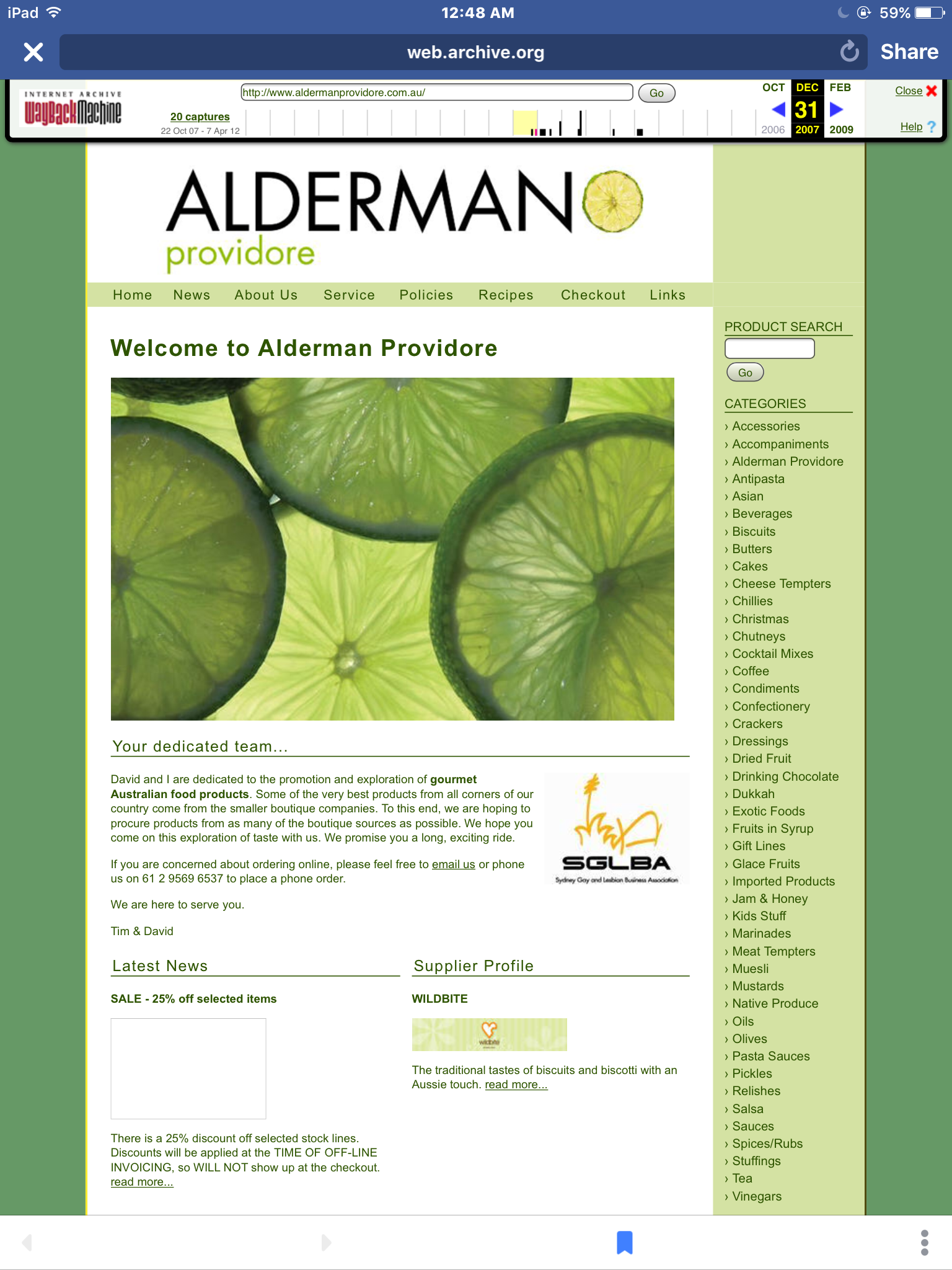
    The original font & graphics for Alderman Providore

    The ghosts of my business still survive in cyber-space. Alderman Providore started in 2006 as the next step along from Alderman Catering – a truly exhausting, though exciting business doing top-end party catering. The Providore was designed as an online business – still a very daring and risky step to take in 2006. It was started with $5000 that I begged, borrowed and stole (not really) and was originally a small store on Ebay, created from Ebay templates. 
    By the end of 2006, I paid a website designer to create a site for a business, registered the name and domain, used a friend who is a graphic artist to design the typeface and graphic, and aldermanprovidore.com.au hit the internet. I bought gourmet grocery products from all sorts of rare and unique mum ‘n dad, hobby, localised, unknown businesses and created a unique space for their products. The sales started as a small trickle, but grew exponentially over time. David & I introduced product tasting parties, and along with some targeted advertising the business grew and grew. 

    At the end of 2008, due to a personal interest in tea and teawares, and due to the rapid expansion of that area, I launched a second web site TeaCoffeeChocolate using the same premise as for the providore, along with a very large range of organic and free-trade products. 

    Alderman Providore products in a magazine Christmas gift guide

    By this time I had altered the business plan to embrace products from outside Australia IF it was a product that could not be sourced from within Australia. At this time an overhaul of the Alderman Providore site resulted in a fresher, more contemporary look. Magazines started approaching us for both advertising, and to supply products to use as props and in gift guides. Reps from companies contacted me about stocking their products. Sales grew and grew, and we had built a reputation for service, quality, uniqueness, pricing, and product delivery. Ideas were added – and subtracted ,often through being impractical. 

    As Christmas 2009 approached, I started early purchasing preparations, and started to stock up on what should gave been our biggest Christmas ever. Like all small retail businesses, I purchased 20% more stock each year, which usually just covered growth, and ensured I wasn’t stuck with stick at the end of the season. If you didn’t get in early, and the product sold out…then bad luck. And the stock rolled in. Cakes, puddings, glacé fruit, sauces, relishes, fruit mince, biscuits and more. I was excited, and pumped for the excitement to come.


    Then greed came to town. People who abuse the systems, deal illegally and fraudulently, who use other peoples money to satisfy their own selfish need. They created a monster that came to be known as the Global Financial Crisis (GFC). Everyone stopped buying. Online purchasing, in a growth phase at that time, was the first to be hit. That Christmas I sold…nothing. Thousands of dollars tied up in stock…and no market. By the time Christmas Eve rolled around, I was effectively broke. Money the business earned was sunk back into it. There was no excess. I remember ringing David, and a pudding supplier in tears, because, thanks to somebody else’s greed my business, my dream, was destroyed.
    Early 2010 I put the business, good will, and web sites on the market. It sold to a mum in Brisbane who had an interest in food (but as I was to see…not a passion), and so it changed hands, and eventually a new name. Before we moved from Dulwich Hill to Brisbane, we had a HUGE market in our backyard to clear out the remainder of the stock. Anything left from that went to Vinnies.
    So, for some unknown reason, today I searched for the ghost of my business. And it’s still there. A lot more than I expected, in fact. And a story of a past glory came out of it. Who knows what the future holds, as dreams do live on!

    http://www.homemadefood.com.au/index.php?option=com_sobi2&sobi2Task=sobi2Details&catid=40&sobi2Id=676&Itemid=73

    http://newsstore.fairfax.com.au/apps/viewDocument.ac;jsessionid=A5A960B20A0BA88AA9B4AFAA81406D95?sy=afr&pb=all_ffx&dt=selectRange&dr=1month&so=relevance&sf=text&sf=headline&rc=10&rm=200&sp=brs&cls=2353&clsPage=1&docID=SMH1004131I1G64QPB2R

    The Alderman Providore masthead

    Tim Alderman (C 2016)

    So! Just WHO Owns Your Family History?

    This is a question I have been asking myself, especially in the light of a recent experience.

    I had started using the app for Find-a-Grave to locate any family members listed, and to add family that I have details of. I became a member of the group, but after finding that someone had added death details and pictures of the memorial for my Pickhills grandparents, and finding I couldn’t edit it to add birth details I enquired why. These two people are, after all, my family. A reply to my enquiry informed me “Hello Tim, Thank you for contacting Find A Grave. In order to update a memorial, please go to the memorial on the website, http://www.findagrave.com Click on the edit tab located in the upper right of the memorial page. Choose an option to update the memorial. The update will be sent to the manager of the memorial page. If you are related within transfer guidelines, http://www.findagrave.com/cgi-bin/fg.cgi?page=listFaqs#79 you may ask for a transfer with the edit tab under “suggest any other correction or addition”.Sincerely, (name withheld)”. 

    In othe words, someone who is not a member of my family, and doesn’t know them from a bar of soap, currently has the management of grave details for my family in this app/web site! Okay, I can request that management be transferred to me, but the point is…if I hadn’t wanted to edit the details, and request the teansfer as a relative of the deceased, this person would have had control of my grandparents details at this sire permanently! 

    These are the guidelines for requesting a teansfer “How do I get a relative’s memorial transferred to me? First, Determine if you really need the memorial transferred to you for management. Only request transferring of management if you have extensive changes to make to a memorial. You can add photos and suggest corrections without having to request management. Simply having someone in your family tree is not grounds for a management transfer request. With hundreds of thousands of contributors, we have many overlapping family trees and it would be impossible for all contributors to manage their entire tree. 

    Second, Transfer requests will be for direct relatives within four generations. This would be your siblings, parents, grandparents, great-grandparents, children, grandchildren, and great-grandchildren. 
    Third, If you have extensive additions/changes to make to a memorial, please contact the Find A Grave member who created the memorial via the “Suggest a Correction” link under the “Edit” tab on the memorial in question with your request to have the memorial management transferred to you. This will send an email request to the contributor, even if there is not an email address listed on their contributor page.
    Fourth, Explain your relationship in the request! Any non-direct relatives (aunts, uncles, cousins, etc) are not required to be transferred. Keep in mind that the original contributor may also be related to the memorial and may not make the transfer. Again, always include your relationship to the memorial on a transfer request, in order for it to be considered. You may also want to include your specific interest in the memorial. Bulk surname requests must not be made. Be advised that memorials listed as famous or maintained by Find A Grave will not be transferred. 
    Fifth, The “Suggest a correction” feature may also be used to submit corrections, an original biography, and family links to memorials that do not fall under the above definition. (Be sure to include the memorial ID#s for the family links and how they are related, father, mother or spouse. The original contributor will make any corrections and add any additional information you have for that memorial, such as links to parents and spouses, provided the information is accurate. 
    Sixth, Please note that it is not appropriate to request a transfer and then, after receiving the transfer, delete that page and substitute it with a new memorial that you have created. This practice denies credit to the original contributor. Please use the original memorial page to make updates and add information.
    NOTE: If you are unable to edit a memorial after it has been transferred to your account, try logging out of Find A Grave then logging back in.” 

    The same applies to a memorial for one of my mother’s brothers. Personally, I find this a bit distressing. I have, needless to say, requested the memorials be transferred to my name.

    The second incident involved a photograph of my great grandparents headstone. Yes, I did request through Find-a-Grave that someone photograph the memorial for me – though in the future I’ll organise it myself – and a photographer snapped it for me. When checking out the shot, I noticed that to the right, and in shot, another Barron memorial. I cropped the picture, and added the edited photograph to his memorial on the site. Naturally, within the hour, the photographer contacted me, reminding me that the photo was hers, and I was in breach of the apps photographs policy. I apologised, and removed the “offending” photo’s. But then I started thinking about it. I am the first to acknowledge the intellectual property rights of artists, and perhaps that is what niggles me! It s not as though she had photographed her own families graves. Again, this was a memorial with no connection to her whatsoever, total strangers who are nothing more than hames carved into stone. In a just world, the copyright on these types of ohotographs would be turned over – lock, stock & barrel – to the family of the graves photographed. I feel it is only just to do so, instead of blithly crying thief, and grasping control of the material.

    Everybody involved in the distribution of family history information and documents greedily has their hands out these days. Anything advertised as “free” will only give you the bare bones. If you want the body and soul…fork out the money, honey!  Even to look and see if there is any material pertaining to your family will cop you a fee on some sites. If there are records being held, it will cost you even more. Subscriptions to genealogy sites like Ancestry don’t come cheap, and often come with a catch 22. I subscribe to record collections of Australia and United Kngdom on Ancestry. Very little of my family history resides in America, and to add America to my subscription adds a lot to its cost, with little value, in my view. So I get my records from Australa and the UK within my monthly fee, but for any of the rest of the world I pay per record – which can be anything from $1.49 to $2.49 per record. In the meantime, Ancestry has access to all the information that goes onto my tree – for which they pay…zilch! 

    So, it would appear that we don’t own any of our family history, except that that can be added from personal or family recollection. It would appear that our families are owned by bureaucrats, big business, ancestry sights, photographers, apps, and just about anyone else who can make a quid out of it. There are even people with family tree’s who think that those accessing information from it should pay! For the record – if you want information from mine…help yourself. If others can benefit from my research, then good!

    In many respects, it us appalling that others can lay claim to our family name, our family history. It is appalling that we often have to say “no” to accessing a snippet of information, as the cost is too high. Unfortunately, we live in a greedy, grasping world. Our relatives would literally “turn in their graves” if they knew. Just as well they don’t!

    Tim Alderman (C 2016)

    PS I am not the only person to have had bad experiences with Find-a-Grave. Read Julie’s story hear https://itsabeautifultree.com/2015/04/14/confessions-of-a-grave-robber/

    What Exactly is a Great Grand Uncle…or a 1st Cousin, Twice Removed?

    When genetic counselors attend family reunions, their unofficial job becomes Namer-of-Relationships. “Keith, you and I are first cousins once-removed. Viola is my great aunt. Margo, you are my mother’s second cousin’s second wife so you would be…..well, some kind of in-law or kissing cousin, I guess.” It gets confusing, even for experts. It is even more difficult for patients or referring providers who try to relate a family history of a second cousin with a cleft palate and a heart defect but who is actually a first cousin once-removed.
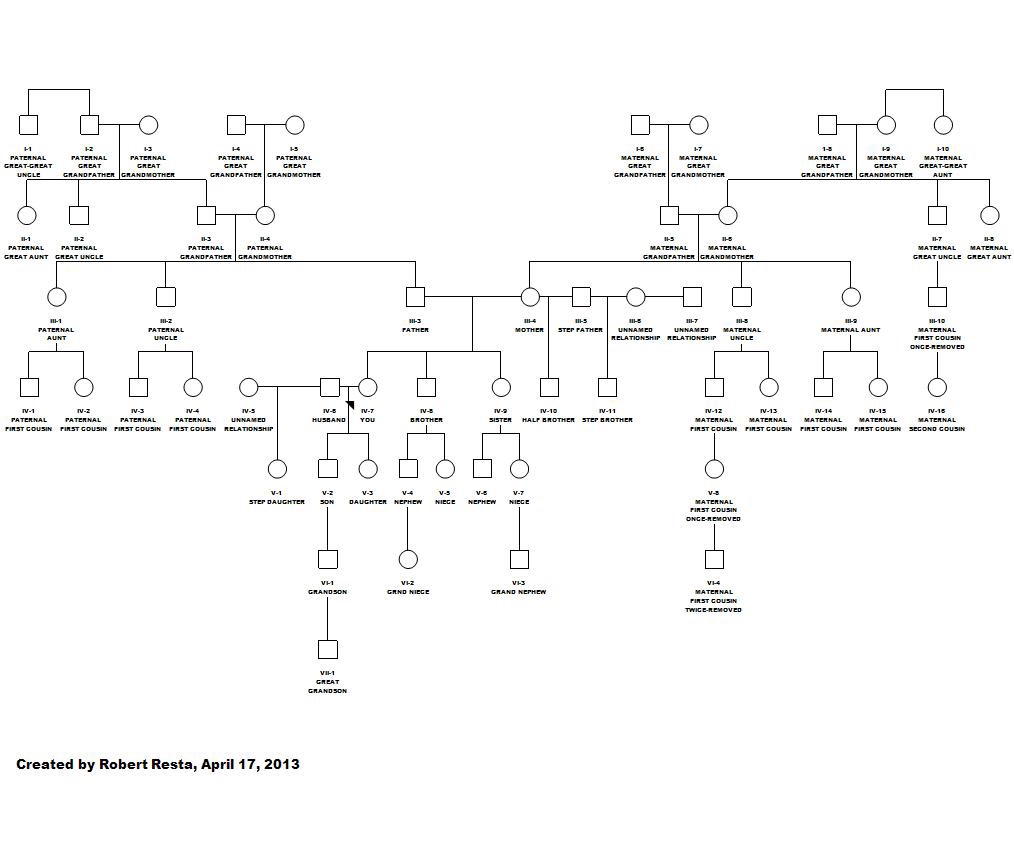
    Below I have created a generic pedigree that illustrates the most common familial relationships in the kinship system of the modern Western English-speaking world. The pedigree undoubtedly contains errors and omissions. So, in the spirit of crowd sourcing, I encourage my fellow pedigree wonks to scrutinize it and report mistakes, mislabelings, missing relatives, and thoughtful commentary in the Comments section below (this would also be a great discussion topic for a few hours of a genetic counseling student seminar).
     
    The accompanying explanatory table supplies details, controversies and inconsistencies. I am cowardly avoiding the complicated relationships that stem from assisted reproductive technologies such as donor eggs, donor sperm, surrogate mothers, etc. Of course, the person you decide to call Mother, Father, Uncle, Cousin, etc. is based not on genetic relationship but on personal experience, family preferences, and social norms.

    For those not familiar with pedigree arcana, each individual is identified with a numbering scheme such that relatives in the first generation (at the top of the pedigree) are identified with a Roman numeral (e.g., I) and an Arabic numeral (e.g., 2). This indicates, reading from left to right, that I-2 is the second person on the first line of the pedigree. The next generation down is numbered II, and so on. Thus, IV-7 is the seventh person in the fourth generation and who is the the proband or propositus, the reference point for the relationships. IV-7’s father is III-3, IV-7’s paternal great grandfathers are I-2 and I-4, and so on.
    There seems to be no widely accepted guidelines for when to include hyphens in a relationship name (e.g., great-grandfather vs. great grandfather). Since this is my blog post, I get to decide the grammatical rules. Thus, because I tend to be a minimalist, I hyphenate only when there is more than one “great” in a title. In the pedigree, I-1 is a great-great-uncle, but I-2 is a great grandfather. I also use hyphens in “removed” relationships (e.g., first cousin once-removed) because, well, it just looks right. Stepmother seems to be more common than either step mother or step-mother. However, “stepbrother” is infrequent. For consistency, I recommend the spaced-but-not-hyphenated style for “step” and “half” descriptors” (e.g., half brother, step mother).
    An alternative graphic to describe family relationships is the Canon Law Relationship Chart.
      
    Image from Wikipedia Commons, under the GNU Free Documentation License. http://en.m.wikipedia.org/wiki/File:Canon_law_relationship_chart.svg#section_2
    The relationships illustrated in the pedigree are described as follows:
    Self, You, (AKA Proband, Propositus): IV-7, the person who is the reference point for all relationships in the pedigree.
    Parents:
    Genetic Father: III-3
    Genetic Mother: III-4
    Step Parent: III-5, the new or former spouse of your genetic mother or father.
    Siblings
    Full Brother: IV-8. Male siblings with whom you share both genetic parents.
    Full Sister: IV-9. Female siblings with whom you share both genetic parents.
    Half Sibling: IV-10. A sibling with whom you share only one genetic parent. Or, as one of my patients said to me the other day “She is my half of a sister.”
    Step Sibling: IV-11. A sibling with whom you share no genetic parents, e.g., the son your stepfather had with his previous wife.
    Children
    Son: V-2. A male child.
    Daughter: V-3. A female child.
    Step Child: V-1. The son or daughter that your spouse had with a previous spouse.
    Grandchildren
    Grandson, Granddaughter: VI-1. Your child’s son and daughter, respectively.
    Great Grandson, Great Granddaughter: VII-1. The son and daughter, respectively, of your grandson or your granddaughter.
    Grandparents
    Grandfather: II-3, II-5. The father of your mother or father. But note the inconsistent use of grand and great. The brother and sister of your grandfather is your great uncle and great aunt (vide infra, Great Uncle, Grand Nephew). Presumably the word stems from the French grand-père, which itself goes back to the 12th century. Prior to the French influence, a grandfather was referred to as a grandsire, and prior to that, in Old English, the Germanic-derived ealdefæder or eldfader.
    Great Grandfather: I-2, I-4, I-6, I-8. The father of your grandparent.
    Grandmother: II-4, II-6. The mother of your mother or your father.
    Great Grandmother: I-3, I-5, I-7, I-9. The mother of your grandparent.
    Uncles, Aunts
    Uncle: III-2, III-8. A brother of one of your parents
    Aunt: III-1, III-9. A sister of one of your parents
    Great Uncle: II-2, II-7. A brother of one of your 4 grandparents. I thought about recommending the less commonly used title Grand Uncle (or Grand Aunt) because these individuals are in the same generation as your grandparents. When they are referred to as Great relatives, it seems to imply that they are in the generation prior to your grandparents’ generation. I suspect, though, that Great is so well established that it is unlikely to replaced by Grand. And you share more genetic information with your Grandparents than you do with your Great Uncles, so perhaps using Great rather than Grand is an acknowledgment of that genetic difference (vide supra, Grandfather; vide infra, Grand Nephew vs. Great Nephew).
    Great Aunt: II-1, II-8. A sister of one of your 4 grandparents
    Great-Great Uncle: I-1. A brother of one of your 8 great grandparents. Note the slightly confusing terminology – the siblings of your great grandparents have two “greats” in their relationship title, compared to only one “great” in their sibling, your great grandparent.
    Great-Great Aunt: I-10. A sister of one of your 8 great grandparents.
    Nephew, Nieces
    Nephew, Niece: V-4, V-6, V-5, V-7. The son and daughter, respectively, of your sibling.
    Great Nephew (Grand Nephew), Great Niece (Grand Niece): VI-2, VI-3. The son and daughter, respectively, of your nephew or niece. In genealogy circles, it is more common to use Grand rather than Great, on the basis that this relative is as many generations removed from you as your grandparent is, only in the other direction. However, in my view, if the siblings of your grandparents are Great Uncles and Great Aunts, then it seems to me that there is greater symmetry in calling them Great Nephew rather than Grand Nephew. Besides, you share as much genetic information with your Great Nephew as you do with your Great Aunt, so from that standpoint it makes more sense to go with Great rather than Grand (vide supra, Great Uncle, Grandfather.
    Cousins
    First Cousin: IV-1, IV-2, IV-3, IV-4, IV-12, IV-13, IV-14, IV-15. The children of your aunts and uncles.
    Second Cousin: IV-16. The children of your parents’ first cousins.
    First Cousin Once-Removed : V-8, III-10. The children of your first cousins OR the parents of your second cousin (who could also be properly called your second cousins once-removed). Once-removed refers to the fact that the relative is one generation removed from you, either one generation above or one generation below. The children of your second cousins could also be called your second cousins once-removed. This is one of the confusing areas where different relatives can have the same title and the same title could be applied to different relatives.
    First Cousin Twice–Removed: VI-4. The grandchildren of your first cousins.
    Unnamed Relationships:

    IV-5, III-6, III-7. As far as I am aware, in Western European kinship systems, there is no title for your spouse’s previous spouse IV-5), your step parent’s previous spouse (III-6), or the previous spouse of your step parent’s previous spouse (III-7).

    Questioning the “genetic counselor” professional title


    Daily (Or When The Mood Takes Me) Gripe: The Quiet Desperation of Getting Older…and Being Gay!

    Recently, anothe member of a group I am a member of posted that, at 45 and again single, he felt that it was now so hard to meet people that he feared he was destined to never have a serious, long-term relationship again. At 60, a short two years ago, I was at the end of a 16-year relationship – monogamous on my part, polygamous on his – and churned back to my single status. I had thought -naively – that this would be the relationship that I would grow old(er) in, that may finally give me the security of home-ownership, of stability, and a sense of contentment. Being cast adrift into the sea of old age – at least as far as the gay community is concerned – has given ne cause to consider this situation exactly as that much younger man has…that I will probably never have a relationship again. It is a scary prospect, though in the gay world, not unique to me.

    The one thing technology has not given us is the tools to meet people. The whole online/app approaches to dating or even attempting to meet others with views to friendships or relationships is just not happening for many of us. In a past time – not all that long ago, mind you – meeting people was as easy as planning a night out to your local pub or bar. Going out to your “local” gave you an impressive number of alternatives for how, planned or unplanned, your night could pan out. You could ring friends and arrange to meet them; go out on your own and choose to be solitary; just turn up, knowing there was a good chance of meeting people you know. Having progressed this far, the middle and end of the night also offered many alternatives, all in the atmosphere of the bar, or in the convivial company of friends. You could get pissed, go home and pass out. Or you could peruse the bar, decide the pickings were slim and go home alone. You could make plans with your friends to move on, or decide that the guy you are playing eye games with could be a bit of fun, and so you stay, buy him a drink, sit down and have a chat, and if the vibe is right, decide where to take it from there! However it did – or didn’t – turn out you, still had a set of alternatives all based around a real place, with flesh and blood people. There was potential for scenarios to happen, and you had control over them. But this us a bygone world! You didn’t have to lie about your age, or your body type, or your sexual preferences…it was there for everyone to see!

    Unless you want sex and nothing else but sex, the world of online gay dating abd apps is an alien one, full of lies, deception and fakery. I spent 12-months – unsuccessfully – on them! It has left me disillusioned, feeling belittled and degraded,  and with an eerie sense of futility. It is a shallow, dishones, ageist, prejudicial, and stigmatising world! To enter this world at 60, subtract 10-15 years from your ago, drop – or lie about –  around 15-20 kgs of weight, tell everyone you are versatile, add a few centimetres to the length of your cock, lie about uour HIV status, don’t admit to any disabilities, and upload a profile photo that is a few years old. I’m not kidding! You need to invent-a-person…but it doesn’t really matter, as you are unlikely to mert anyone for a date, and anyone you invite over for sex isn’t going to be there long enough to evaluate. I subscribed to Grindr, Gaydar, Scruff, Squirt, Man Hunt, BBRT, and a HIV+ apps or sites. At the beginning of last year, I either deleted or stopped using them altogether. The list of my encounters from these “dating” services is brief, and tragic.

    • Gaydar – Michael. A guy I just messaged out-of-the-blue because I liked his profile. We messaged each other for a while, then arranged for him to come over for dinner one night. We hit it off really well, had a great night, and decided to meet again. He “forgot” about our second meeting. Messages got more and more abrupt, and I took the hint. I still don’t know what happened. Lecko – a Russian boy. Yes, I do know what it was all about, but I wanted the experience of seeing where it went. I called it off, but I did let him know that I realised where it was heading. Some guy who kept conracting me, and telling me that taw sex needed discussion, despite me messaging him back a number of times to tell him it wasn’t open to discussion. Yes, I do negotiate raw sex – I’m a mature adult, and hopefully dealing with same. I have done so since the 80s.
    • BBRTS – Phil. Phil liked playing hard-to-get. I wore him down, and we finally met up at my home, in the company of mutual friends. Phil had evidently worked for Bretts Boys back in the 80s. We liked the look of each other (he was 55, and like me, lied about his age on dating sites). However, he was either damaged, or screwed up. He liked the tease, but that was as far as it went. Turns out he had his 80yo parents flating with him, who actually dictated what time he should get home. I know…very sad! Once again, messages got vety abrupt and I eventually gave up. Not even a head job there! Also the site for my one and only encounter with blow ‘n go sex – the coldest, most unfulfilling sexual encounter of my life. Just leaves you feeling empty and used. Daniel. Nice guy, but a bit too hairy, and a bit too overweight for my taste…though good sex. We arranged to meet again, but then with my eye operations, and a potential return to Sydney, it never happened. Out of a sense of politeness, I messaged him that I was returning to Sydney. He couldn’t remember who I was! Nice! Oliver. Just messaged me out of the blue one night and asked if he could visit. He turned up shortly after…good looking, very tall, and stating that he was waiting for a message from a friend he was about to visit in Logan. I really couldn’t work out what he was about. He got his message, and left. 2 glasses of wine wasted.
    • Grndr – nothing but wank chat – something I’m (evidently) good at, judging from the number of return requests. Probably due to me having a vivid imagination, and taking them on a sexual journey. Good for them – you always knew when they had blown, as chat suddenly stopped – but not for me.
    • Scruff – see above, but really massively overweight, overly hairy American guys. The ultimate turn-off for me, and I ignored return requests. 

    So, that was the sum total of my online sex life. Sending winks, woofs or anything else to other guys resulted in either being ignored, or a nice thanks-but-no-thanks. The only people who consistently contacted me were Asians and Indians, despite my profile stating I was only interested in Caucasian guys. The whole sordid affair was unpleasant, and I just breathed a sigh of relief when I gave it all away. I have since subscribed to Elite Dating Services, and Disabled Dating, but as soon as they start hassling me to subscribe – at between $25-$40 a month, I just dropped it. I’m setiously not thst desperate!

    So, I am reconciled to the ageist, body fascism of the gay community. I am very fit for a 62yo, but my days of six-packs and bulging muscles are long gone. And I really don’t need to impress people that way anymore. 

    Oh, don’t get me wrong! I think I have a lot to offer a guy. I’m past the shallow stage of my life, and I know who I am, and what I want. I’m not dog ugly, have a full head of hair – a plus at my age, I’m still slim, and when I have the opportunity to work out, quite fit looking. I eat a healthy diet, I have a university degree (and several others), a great sense of humour, intelligent (I can hold a conversation), articulate. I’m a great cook, love entertaining, love eating out, and know a good bottle of wine. I dress well – fashionably, but not to extremes – and groom well. I’m houseproud, and collect glass and Asian teawares…all controlled collections. I love technology, have a modernist view to social issues, not bogged down in tradition, and still get the urge to throw an Ecstacy down my throat (or some acid, if I could get my hands on it) and let my hair down on a dance floor in a nightclub – though I’d rather be leaving at 1am than arriving!

    So, I have it all to offer. The oroblem is, the only people I have to offer it to are friends and acquaintances! That is not going to get me anywhere, and there is no longer any other alternative. With the disassembly of the gay ghetto, there is really nowhere I can go to meet anyone. Oh yeah, I could go to places like The Bank, or Coopers…but I’d be in with a younger, and baducally straight, group. It is a true contradiction that the very community I belong to, and with a reputation for acceptance, intergeation and tolerance is, in fact, the fery community that alienates those who reach an age whereby they no longer fulfil the perceptions of youth. The straight community seems to be better placed as far as dating services go, and though sex is there, is not the defining end to getting to meet someone. Likewise, their gars are far more inclusive, and orientated to having a good time, and potentially going able to meet someone. For me to sit on my own in a gay gar these days – if I could find one I felt comfortable in – is to be ignored. 

    So, like many others, I’m reconciled to a life of quiet desperation. As I joked with a friend recently, I’m glad my hand is a good kisser! Short of meeting someone by sheer coincidence, it’s the single life from hereon in. Not something I am going to relish. If there us light at the end of the tunnel, it is not as yet visible to me. Though I have made the conscious decision to not let it bother me, in the recesses of my mind the doubt lingers. 

    In the words of Mae West “Save a boyfriend for a rainy day – and another in case ut doesn’t rain”

    Tim Alderman (C) 2016