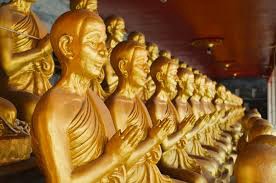
Buddhism is one of the world’s oldest and most influential spiritual traditions, originating more than 2,500 years ago in northern India. Founded upon the teachings of Siddhartha Gautama — later known as the Gautama Buddha — Buddhism offers not only a religion but also a philosophy and practical way of life. At its core, Buddhism seeks to answer one of humanity’s oldest questions: why do people suffer, and how can suffering be overcome?
Unlike many religious traditions, Buddhism places strong emphasis on personal experience, ethical conduct, mindfulness, and wisdom rather than blind faith or divine revelation. Over centuries, Buddhist teachings spread across Asia and eventually the wider world, influencing art, culture, psychology, ethics, and spirituality. Today Buddhism exists in many forms, including Theravāda, Mahāyāna, and Vajrayāna traditions, yet all share common principles and moral foundations.
Central to Buddhism are its precepts — ethical guidelines for living — and its principles, which shape the Buddhist understanding of life, suffering, compassion, and enlightenment.
The Life of the Buddha
According to Buddhist tradition, Siddhartha Gautama was born around the 5th century BCE into a royal family in what is now Nepal. Raised in luxury, he was shielded from the harsh realities of life. However, upon leaving the palace, he encountered what are known as the “Four Sights”: an old man, a sick person, a corpse, and a wandering holy man. These encounters revealed the unavoidable realities of aging, illness, death, and the search for spiritual meaning.
Deeply troubled by human suffering, Siddhartha renounced his royal life and embarked upon a spiritual quest. After years of meditation and ascetic practices, he attained enlightenment while meditating beneath the Bodhi tree at Bodh Gaya in India. Thereafter he became known as the Buddha, meaning “The Awakened One.”
The Buddha spent the remainder of his life teaching others the path to liberation from suffering.
The Core Principles of Buddhism
The Four Noble Truths
The foundation of Buddhist philosophy rests upon the Four Noble Truths. These truths explain the nature of existence and the path toward freedom from suffering.
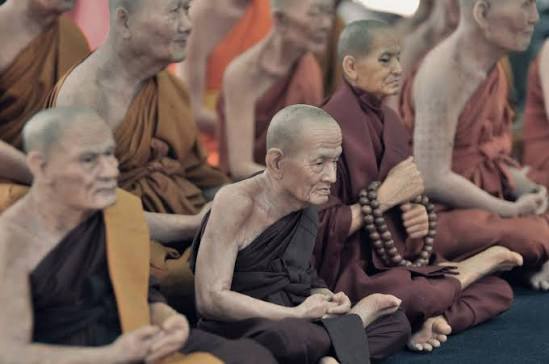
1. The Truth of Suffering (Dukkha)
Buddhism teaches that suffering is an inherent part of life. This suffering includes obvious forms such as pain, grief, sickness, and death, but also subtler forms of dissatisfaction, anxiety, and impermanence. Even pleasurable experiences are temporary and can therefore become sources of suffering when they end.
The Buddha did not present this truth pessimistically. Rather, he encouraged people to honestly recognize the reality of human existence.
2. The Cause of Suffering
The Buddha taught that suffering arises primarily from craving, attachment, and ignorance. People cling to material possessions, relationships, desires, identities, and expectations. Because everything in life changes, attachment inevitably leads to disappointment and suffering.
Ignorance also plays a major role. Humans often misunderstand the nature of reality, believing things to be permanent when they are not.
3. The End of Suffering
Buddhism teaches that suffering can be overcome. By eliminating craving and attachment, individuals can attain liberation, peace, and enlightenment, known as Nirvana.
Nirvana is not a heavenly paradise but a profound state of freedom from greed, hatred, delusion, and suffering.
4. The Path to the End of Suffering
The Buddha outlined a practical method for overcoming suffering known as the Noble Eightfold Path.
The Noble Eightfold Path
The Eightfold Path serves as a guide to ethical living, mental discipline, and wisdom. Its eight aspects are often grouped into three categories: wisdom, ethical conduct, and mental cultivation.
Wisdom
Right View
Understanding reality correctly, especially the Four Noble Truths and the law of karma.
Right Intention
Cultivating thoughts of compassion, kindness, renunciation, and non-harm rather than hatred or selfishness.
Ethical Conduct
Right Speech
Avoiding lying, gossip, harsh language, and harmful communication.
Right Action
Behaving ethically by refraining from violence, stealing, and sexual misconduct.
Right Livelihood
Earning a living in ways that do not harm others. Traditional Buddhism discourages professions involving killing, exploitation, or deceit.
Mental Discipline
Right Effort
Developing positive states of mind while overcoming harmful thoughts and habits.
Right Mindfulness
Cultivating awareness of body, emotions, thoughts, and surroundings through mindfulness and meditation.
Right Concentration
Practising deep meditation to develop clarity, calmness, and insight.
The Eightfold Path is not intended as a rigid set of commandments but as a practical framework for living consciously and compassionately.
The Five Precepts
For lay Buddhists, the Five Precepts are the primary ethical guidelines. They are not considered divine commandments but voluntary commitments to reduce suffering and cultivate compassion.

1. Refraining from Killing
Buddhists are encouraged to respect all forms of life and avoid intentionally harming living beings. This principle promotes compassion, non-violence, and reverence for life.
2. Refraining from Stealing
This precept encourages honesty, generosity, and respect for the property and rights of others.
3. Refraining from Sexual Misconduct
Buddhism promotes responsible and ethical sexual behaviour that avoids exploitation, betrayal, or harm.
4. Refraining from False Speech
Truthfulness is highly valued in Buddhism. Lying, slander, gossip, and malicious speech are discouraged because they create suffering and conflict.
5. Refraining from Intoxicants
Alcohol and drugs that cloud the mind are discouraged because they impair awareness and mindfulness, leading to harmful actions.
Many Buddhists interpret these precepts flexibly according to circumstance and personal understanding, while monastic communities often follow stricter rules.
Karma and Rebirth
Two important Buddhist principles are karma and rebirth.
Karma
Karma refers to intentional actions and their consequences. According to Buddhism, actions motivated by greed, hatred, and ignorance tend to produce suffering, while actions motivated by compassion and wisdom lead toward happiness and spiritual growth.
Karma is not viewed as divine punishment or reward. Instead, it reflects the natural moral law of cause and effect.
Rebirth
Buddhism teaches that existence is cyclical, involving repeated birth, death, and rebirth, known as samsara. Rebirth continues until enlightenment is attained.
However, Buddhism differs from some religions in that it does not teach the existence of an eternal soul. Instead, rebirth involves the continuation of consciousness and karmic influence rather than a permanent self.
The Principle of Impermanence
Impermanence, or anicca, is one of Buddhism’s central teachings. Everything in existence changes constantly — relationships, emotions, health, possessions, societies, and even life itself.
Suffering often arises because humans resist change and cling to temporary things as though they were permanent. By accepting impermanence, Buddhists believe people can develop greater peace, resilience, and freedom.
This principle has profound psychological relevance today, particularly in coping with grief, anxiety, aging, and uncertainty.
The Principle of Non-Self
Another distinctive Buddhist teaching is anatta, or non-self. Buddhism teaches that what people consider the “self” is not fixed or permanent but a constantly changing combination of physical and mental processes.
This idea challenges the belief in a permanent ego or soul. By understanding non-self, Buddhists aim to reduce attachment, pride, fear, and selfishness.
Rather than encouraging nihilism, this teaching promotes humility, interconnectedness, and compassion.
Compassion and Loving-Kindness
Compassion lies at the heart of Buddhism. Buddhists strive to cultivate kindness not only toward friends and family but toward all living beings.
Two important concepts are:
Metta — loving-kindness and goodwill
Karuna — compassion for those who suffer
Meditation practices focused on loving-kindness encourage individuals to extend compassion universally, even toward enemies or difficult people.
This emphasis on compassion has influenced Buddhist involvement in peace movements, social justice, humanitarian aid, and environmental activism.

Meditation and Mindfulness
Meditation is one of Buddhism’s most recognised practices. It is used to cultivate mindfulness, concentration, insight, and emotional balance.
There are many forms of Buddhist meditation, including:
Mindfulness meditation
Breathing meditation
Loving-kindness meditation
Insight meditation (Vipassana)
Zen meditation
Mindfulness, in particular, has become widely adopted in modern psychology and healthcare. Many secular mindfulness programs are rooted in Buddhist practices, though often separated from religious beliefs.
Buddhism teaches that meditation helps individuals observe thoughts and emotions without attachment, allowing greater inner peace and wisdom.
The Middle Way
The Buddha taught the importance of the Middle Way — avoiding extremes of self-indulgence and severe asceticism.
Before enlightenment, Siddhartha Gautama experienced both luxury and extreme deprivation. He concluded that neither led to wisdom or liberation. Instead, balance, moderation, and mindful living were the healthiest spiritual path.
This principle remains highly relevant in modern life, encouraging balance in work, relationships, consumption, and emotional life.
Buddhist Ethics and Modern Society
Buddhist principles continue to resonate in the modern world because they address universal human experiences: stress, fear, suffering, conflict, and the search for meaning.
Many contemporary movements draw upon Buddhist ideas, including:
Mindfulness-based therapy
Non-violent activism
Environmental ethics
Compassion-focused psychology
Minimalist and mindful living movements
Prominent Buddhist figures such as Dalai Lama have advocated peace, compassion, interfaith dialogue, and human rights on the global stage.
Buddhist ethics also contribute to debates about consumerism, mental health, social inequality, and ecological responsibility.
Differences Among Buddhist Traditions
Although united by core principles, Buddhism developed into several major traditions.
Theravāda Buddhism
Common in Sri Lanka and Southeast Asia, Theravāda emphasises monastic life, meditation, and personal enlightenment.
Mahāyāna Buddhism
Popular in China, Japan, Korea, and Vietnam, Mahāyāna emphasises compassion and the ideal of the bodhisattva — one who seeks enlightenment for the benefit of all beings.
Vajrayāna Buddhism
Practised mainly in Tibet and the Himalayan regions, Vajrayāna incorporates rituals, symbolism, and advanced meditative techniques.
Despite differences in ritual and philosophy, all traditions share the fundamental teachings of the Buddha.
Conclusion
The precepts and principles of Buddhism offer far more than religious doctrine; they provide a practical framework for understanding human suffering and cultivating wisdom, compassion, and inner peace. Through teachings such as the Four Noble Truths, the Noble Eightfold Path, the Five Precepts, mindfulness, and compassion, Buddhism encourages individuals to live ethically and consciously while recognising the interconnected and impermanent nature of existence.
In an increasingly fast-paced and anxious world, Buddhist teachings continue to attract people seeking meaning, emotional balance, and spiritual insight. Whether approached as a religion, philosophy, or mindfulness practice, Buddhism remains one of humanity’s most enduring and influential paths toward understanding the mind, reducing suffering, and fostering compassion for all living beings.
Tim Alderman ©️ 2026

