Introduction
Few religious institutions have captured the imagination of the world quite like the Shaolin Monastery. Known variously as the birthplace of Chan (Zen) Buddhism, the legendary home of warrior monks, and the spiritual cradle of Chinese martial arts, Shaolin occupies a unique place where religion, philosophy, culture, and physical discipline meet.
For more than 1,500 years, the monastery has survived warfare, political upheaval, destruction, and rebuilding. It has inspired countless stories, films, novels, and martial arts traditions while remaining an active Buddhist temple devoted to spiritual practice.
Although popular culture often emphasizes the spectacular fighting abilities of Shaolin monks, the monastery’s deeper significance lies in its role as a centre of Buddhist learning and meditation. The martial arts associated with Shaolin were historically viewed not as ends in themselves but as disciplines that supported mental focus, physical health, and spiritual development.
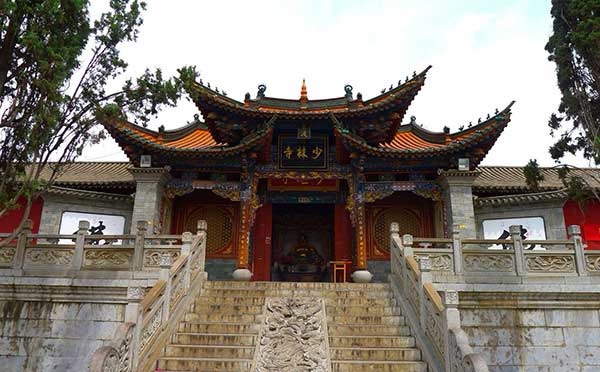
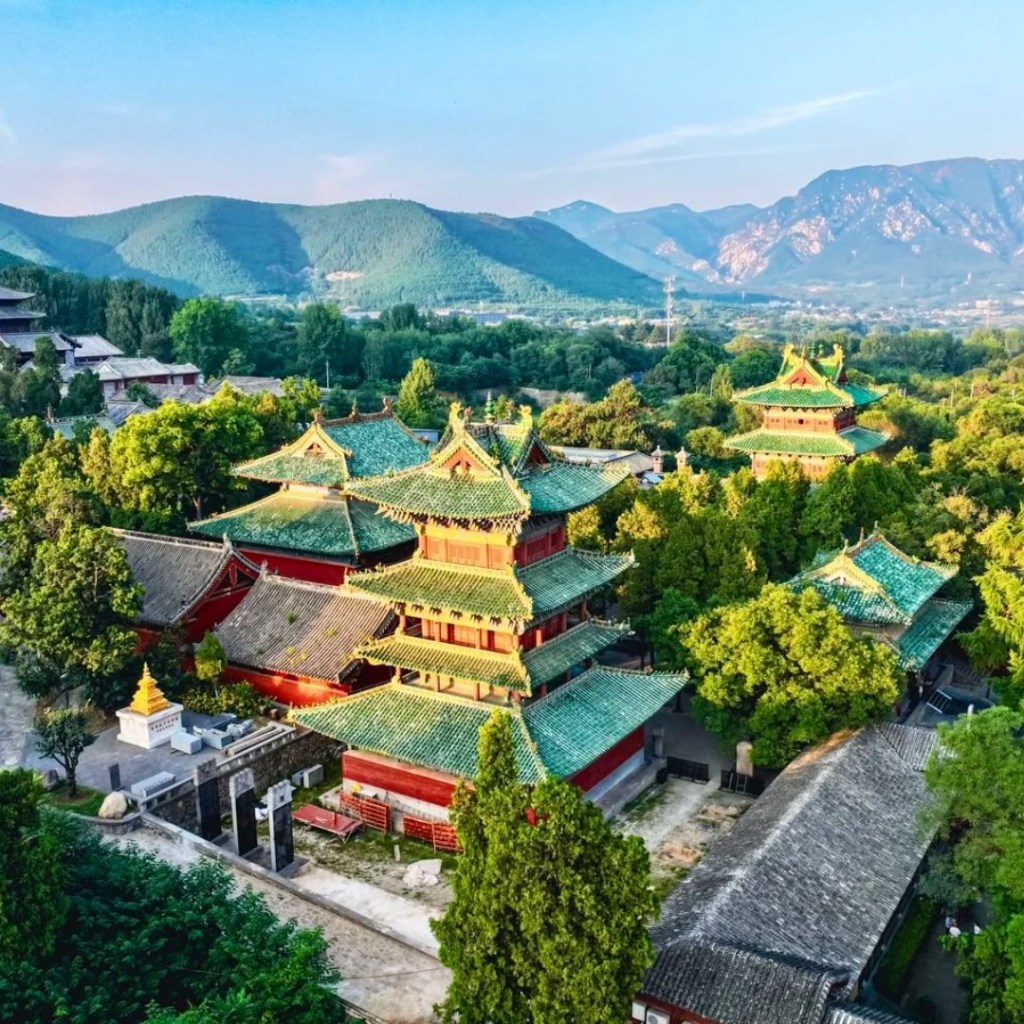
The Founding of the Shaolin Monastery
The Shaolin Monastery was established in 495 CE during the Northern Wei Dynasty. It was built on the slopes of Mount Song, one of China’s five sacred mountains, in what is now Henan Province.
The temple was constructed by Emperor Xiaowen to house an Indian Buddhist monk named Batuo (also known as Buddhabhadra), who had travelled to China to spread Buddhist teachings.
At the time, Buddhism was gaining influence throughout China. Originating in India centuries earlier through the teachings of the Buddha, the religion had gradually spread along trade routes into Central Asia and China.
The location chosen for the monastery was both beautiful and strategically secluded. Nestled among forests and mountains, it offered an ideal environment for meditation and religious study.
The name “Shaolin” literally means “Young Forest,” referring to the forests surrounding the temple.
Bodhidharma and the Birth of Chan Buddhism
No figure is more closely associated with Shaolin than Bodhidharma.
According to tradition, Bodhidharma was an Indian monk who arrived in China during the sixth century. While historians debate many details of his life, he became one of the most influential figures in East Asian Buddhism.
Legend states that Bodhidharma travelled to Shaolin and found the monks physically weak and struggling to maintain the rigorous demands of meditation.
One famous story claims that he meditated in a cave near the monastery for nine years, facing a wall in uninterrupted contemplation. The cave associated with this practice remains a pilgrimage site today.
Bodhidharma’s teachings emphasized direct personal experience over reliance on scriptures or rituals alone. He taught that enlightenment could be realized through disciplined meditation and insight into one’s own nature.
These teachings became the foundation of Chan Buddhism in China, which later evolved into Zen Buddhism in Japan and influenced Buddhist traditions throughout East Asia.
The Origins of Shaolin Martial Arts
The relationship between Bodhidharma and martial arts is one of the most debated topics in Shaolin history.
Popular tradition credits him with introducing exercises that eventually developed into Shaolin Kung Fu. However, most modern historians believe the connection is more symbolic than historical.
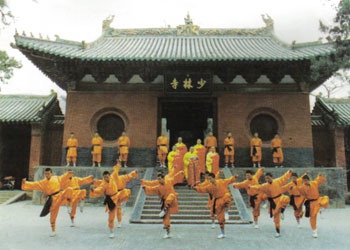
It is likely that martial arts practices evolved gradually over centuries within the monastery. Monks required physical fitness to endure long hours of meditation and to protect themselves from bandits who sometimes threatened remote religious communities.
Over time, techniques from military training, local fighting traditions, and physical conditioning exercises became integrated into monastic life.
The resulting martial arts system became known as Shaolin Kung Fu.
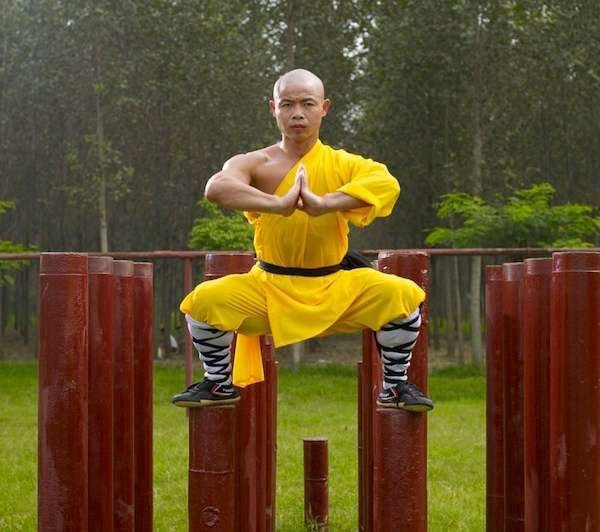
The Warrior Monks
Shaolin’s reputation as a community of warrior monks grew significantly during the Tang Dynasty.
Historical records describe occasions when Shaolin monks assisted imperial forces in military conflicts. One famous account tells of monks helping the future Emperor Li Shimin during a struggle for political power in the seventh century.
Their support reportedly earned imperial favour and recognition for the monastery.
These events contributed to the enduring image of Shaolin monks as both spiritual practitioners and skilled fighters.
However, contrary to many modern portrayals, martial activities represented only a small part of monastic life. Meditation, study, chanting, and religious observance remained the primary focus of the community.

Chan Buddhism at Shaolin
At its heart, Shaolin has always been a Buddhist monastery.
Chan Buddhism emphasizes:
Meditation
Mindfulness
Direct experience
Self-discipline
Simplicity
Insight into the nature of reality
Rather than focusing solely on philosophical study, Chan encourages practitioners to experience truth directly.
Many famous Chan masters lived and taught at Shaolin throughout its history.
The monastery became a major centre for Buddhist scholarship and spiritual practice, attracting monks and pilgrims from across China.
The famous Zen emphasis on being fully present in each moment reflects principles that were cultivated at Shaolin for centuries.
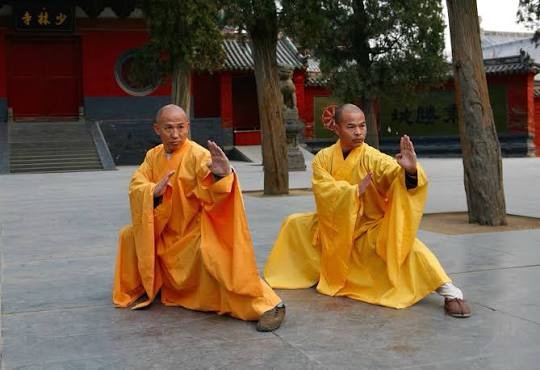
Daily Life of Shaolin Monks
Life within the monastery has traditionally followed a strict routine.
A typical day often begins before sunrise.
Activities include:
Morning chanting
Meditation sessions
Temple duties
Scriptural study
Physical exercise
Martial arts training
Communal meals
Evening prayers
Monks generally live according to Buddhist precepts that encourage ethical behaviour, compassion, simplicity, and non-attachment.
Meals are usually vegetarian, reflecting Buddhist principles of non-harm toward living beings.
Discipline is considered essential. Every aspect of daily life is viewed as an opportunity to cultivate awareness and mindfulness.
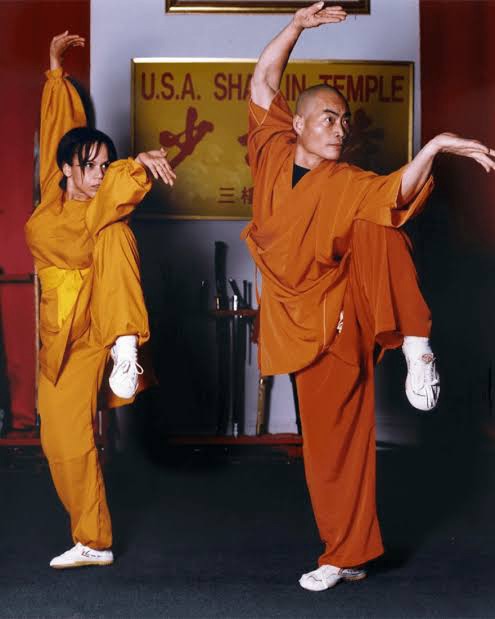
Shaolin Kung Fu
Shaolin Kung Fu developed into one of the world’s most famous martial arts traditions.
Rather than a single style, Shaolin Kung Fu encompasses hundreds of forms and techniques.
Training includes:
Striking techniques
Kicking techniques
Joint locks
Throws
Acrobatics
Weapons training
Breathing exercises
Conditioning practices
Students learn not only physical movements but also principles of discipline, patience, humility, and mental focus.
Traditional training can be extremely demanding, requiring years of dedicated practice.
Many practitioners regard Kung Fu as a moving form of meditation in which mind and body operate in harmony.
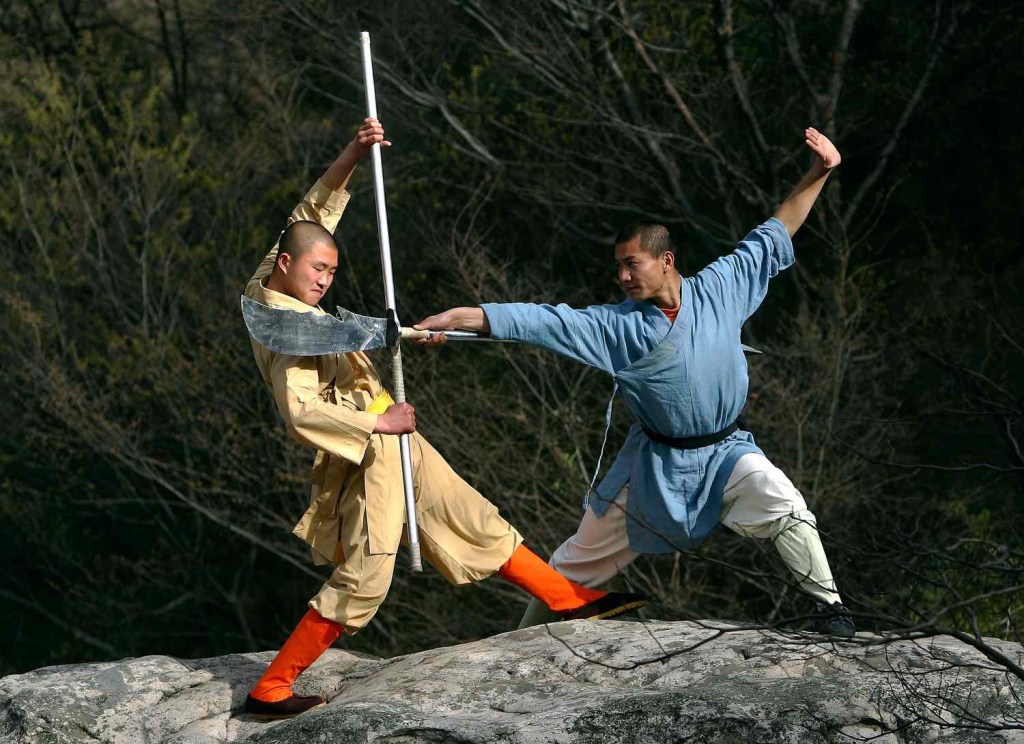
Shaolin Weapons
Historically, Shaolin monks trained with numerous traditional weapons.
These included:
Staffs
Spears
Swords
Broadswords
Halberds
Chain weapons
The staff became particularly associated with Shaolin and remains one of its most recognizable symbols.
Weapon training was never intended merely for combat. It cultivated coordination, concentration, timing, and self-discipline.
Many elaborate forms are still practiced today as part of traditional training.
The Pagoda Forest
One of the monastery’s most remarkable features is the Pagoda Forest.
This extraordinary collection of stone pagodas serves as a cemetery for generations of distinguished monks.
The forest contains hundreds of pagodas dating back many centuries.
Each structure commemorates a respected monk and reflects the individual’s status and accomplishments.
The Pagoda Forest is considered one of the most significant collections of ancient Buddhist funerary architecture in China.
Destruction and Rebuilding
Like many historic religious institutions, Shaolin has experienced repeated periods of destruction and renewal.
Over the centuries, the monastery suffered damage from:
Warfare
Political conflict
Bandit attacks
Natural disasters
One of the most devastating events occurred in 1928 during China’s warlord era when large sections of the temple were destroyed by fire.
Ancient scriptures, artworks, and historic buildings were lost.
Despite these setbacks, Shaolin repeatedly rebuilt and restored itself.
Its survival became a powerful symbol of resilience and continuity.
Shaolin During Modern China
The twentieth century brought profound changes to China and to religious institutions generally.
During the Cultural Revolution (1966–1976), many temples and religious sites throughout China experienced severe disruption.
Shaolin was not immune to these challenges.
However, in subsequent decades the monastery underwent extensive restoration and gradually regained its status as an important religious and cultural centre.
Today it functions as:
An active Buddhist monastery
A pilgrimage destination
A cultural heritage site
A centre for martial arts education
A major tourist attraction
Visitors arrive from around the world to experience its history and traditions.
Shaolin in Popular Culture
Beginning in the twentieth century, Shaolin became internationally famous through books, films, and television.
Martial arts cinema played a major role in spreading the monastery’s reputation worldwide.
Actors such as Jet Li gained international recognition through films depicting Shaolin history and Kung Fu traditions.
Countless movies have portrayed Shaolin monks as heroic warriors possessing extraordinary physical abilities.
While these portrayals often contain elements of historical truth, they also incorporate considerable myth and dramatic exaggeration.
The real monastery’s history is far more complex and deeply rooted in Buddhist spirituality.

Myths and Misconceptions
The popularity of Shaolin has generated many myths.
Among the most common are claims that:
Bodhidharma invented Kung Fu.
Shaolin monks possessed supernatural powers.
Martial arts were the monastery’s primary purpose.
Historical evidence suggests a more nuanced reality.
Martial arts certainly became important at Shaolin, but meditation and Buddhist practice remained central.
Likewise, while some stories describe miraculous feats, these are generally understood as legends rather than verifiable historical events.
The enduring appeal of such stories reflects the powerful cultural symbolism of Shaolin rather than literal history.
Shaolin Today
Today, Shaolin continues to attract monks, martial artists, pilgrims, and tourists from every continent.
The monastery remains a living institution where Buddhist practice continues alongside cultural preservation.
Modern Shaolin monks still engage in:
Meditation
Chanting
Religious study
Community service
Martial arts training
International schools and cultural programs have helped spread Shaolin traditions worldwide.
Yet despite global fame, the monastery’s essential purpose remains much the same as it was fifteen centuries ago: the cultivation of wisdom, compassion, discipline, and spiritual awakening.
The Shaolin Monastery occupies a unique place in world history. Founded as a Buddhist temple in the forests of central China, it became a centre of Chan Buddhism, a repository of spiritual learning, and the legendary home of one of the world’s most influential martial arts traditions.
Its story is one of endurance through centuries of change. Emperors, armies, revolutions, and modern globalization have all left their mark on the monastery. Yet Shaolin has retained its identity as a place where physical discipline and spiritual cultivation are inseparable.
Although popular culture often celebrates the monastery’s martial prowess, its greatest legacy may be its demonstration that true strength arises not merely from physical power, but from mastery of the mind. For more than 1,500 years, Shaolin has embodied the Buddhist ideals of discipline, mindfulness, perseverance, and compassion—values that continue to inspire people throughout the world today.
Tim Alderman ©️ 2026

