In a private cemetery in small-town Arkansas, a woman single-handedly buried and gave funerals to more than 40 gay men during the height of the AIDS epidemic, when their families wouldn’t claim them.
One person who found the courage to push the wheel is Ruth Coker Burks. Now a grandmother living a quiet life in Rogers, in the mid-1980s Burks took it as a calling to care for people with AIDS at the dawn of the epidemic, when survival from diagnosis to death was sometimes measured in weeks. For about a decade, between 1984 and the mid-1990s and before better HIV drugs and more enlightened medical care for AIDS patients effectively rendered her obsolete, Burks cared for hundreds of dying people, many of them gay men who had been abandoned by their families. She had no medical training, but she took them to their appointments, picked up their medications, helped them fill out forms for assistance, and talked them through their despair. Sometimes she paid for their cremations. She buried over three dozen of them with her own two hands, after their families refused to claim their bodies. For many of those people, she is now the only person who knows the location of their graves.
“When Burks was a girl, she said, her mother got in a final, epic row with Burks’ uncle. To make sure he and his branch of the family tree would never lie in the same dirt as the rest of them, Burks said, her mother quietly bought every available grave space in the cemetery: 262 plots. They visited the cemetery most Sundays after church when she was young, Burks said, and her mother would often sarcastically remark on her holdings, looking out over the cemetery and telling her daughter: ‘Someday, all of this is going to be yours.’
‘I always wondered what I was going to do with a cemetery,’ she said. ‘Who knew there’d come a time when people didn’t want to bury their children?’”
Levis 501 jeans. Skin tight. Sanded down at the knees and crotch for that perfectly worn-in look. Third button unbuttoned to create a bit of allure. T-shirt, also skin tight. A Levis snap-front plaid. That was the uniform of the Castro clone, the gay fashion icon spawned in the 70s that — with surprisingly minor evolution or alteration — can still be seen on the streets of San Francisco today.
Danny Glicker, thankfully, is in love with the look. As the costume designer on Milk, Gus Van Sants biopic of the slain civil rights leader Harvey Milk, Glicker had to outfit hundreds of actors, from leading men Sean Penn, James Franco and Emile Hirsch to an army of extras, all dressed to span a full decades worth of fashion dos and donts.
Period films always present challenges to their costumers, but those based on true stories are that much more complicated. Glicker was saddled with another great expectation while preparing the highly anticipated film: Milks characters are not only real, they lived during a time many viewers can still recall themselves. And Milk owned a camera shop and lived an incredibly well documented life, which took some of the guesswork out of the equation, but also meant that there would be no excuse with eagle-eyed fans for anything less than absolute authenticity.
Simply recreating the clothes wouldnt have been sufficient — the bodies on todays actors are more defined and muscled than those of the leaner Milk and his comrades. Instead Glicker had to tailor the clothes to look as if they were hanging off of a 70s frame.
We created these enormous books of research that specifically address each character within the timeline, says Glicker, a young, unassuming, bespectacled man with a head of thick black curls whose previous work include Transamerica, Thank You For Smoking and HBOs True Blood. It was sort of overwhelming, because after awhile it was hard to edit down the material. I was very interested in recreating outfits exactly as they were, partially because I knew that Gus was going to be incorporating so much archival footage into the movie, and I didnt know exactly where.
Given access to the archives of the San Francisco GLBT Historical Society, Glicker and his team managed to get their hands on a fair amount of Milks actual clothing. Then they went shopping. Glicker, who prefers vintage pieces, combed hundreds of stores and amassed a huge collection of items, which he then authenticated using his research books before altering to fit the actors. No tiny detail of the evolution of fashion went unchecked — there are, after all, key differences between a 1976 shirt and a 1978 shirt (such as the collar width), and Glicker was determined to be accurate.
What couldnt be bought was recreated (and sometimes what was bought was still recreated so that spare sets were available), including T-shirts from now-defunct Castro bars, protest Ts found in the archive, and the suit Milk was killed in, which they had viewed at the Historical Society. That was a very, very meticulous recreation, says Glicker, who had to wear cotton gloves while handling the suit, which is kept in a temperature and light controlled environment and wrapped in acid free tissue. We were measuring everything from the lapels to the belt loops and leg openings. The fabric, every aspect of the fit, it was all done to match as closely as possible.
And when the thrift stores and archives didnt have what he needed, Glicker went to Levis corporate headquarters in San Francisco. The uniform of choice for Harvey Milk, his friends and many in the LBGT community at the time was the Levis 501 button fly jean, says Robert Hanson, President of Levi Strauss & Co.s Levis Brand Division. If you saw anything but Levis in the film it would have been wrong.
Levis gave me a tremendous amount of access to both their archive and retail store, says Glicker. Hanson (who is gay) and Levis, an early pioneer and longtime stalwart supporter for gay causes, thought the film was a perfect match for the brand. The movie is really about a very specific movement at a specific time in the city, Glicker says. These people wore Levis. It was what they were about and where they were. Its more than just a brand of clothes in this case, its an iconic part of America and the Castro.
When I started reading about what people wore, adds screenwriter Dustin Lance Black. I thought, What was that Levis clone look about? It didn’t take much to realize that it was about a group of people who had been called pansies and fags reclaiming their masculinity and being men.
That held true even when going butch went beyond the basics. I remember reading someone complaining that the guys were actually going too far with it — trying to be too butch, actor James Franco, who plays Milks longtime lover, Scott Smith, told Black in his Out cover interview. I saw a lot of guys from the Castro where they [actually] looked like construction workers.
Thats why the Castro clone, Glicker says, is actually a deceptively simple look. It has to be perfectly played, he says. In order to make it look good, you have to find the perfect fit and you have to feel great in it to be able to sell the outfit. It was a uniform because it was accessible for everybody. It wasnt out of peoples grasp. It was about the wearer more than the means of the wearer. And whether or not Milk launches a vintage resurgence, the basic elements havent been put out to pasture. I see the influence of it everywhere. Its not going anywhere. Its like the gay communitys little black dress.
Next-door neighbours: The website of Europe’s largest gay sauna, Europa Multiclub, which is housed in an apartment part-owned by the Holy SeeLocation, location, location: The Europa Multiclub in Via Carducci, Rome, where several priests live nearbyRed faces all round: Cardinal Ivan Dias (pictured), the so-called ‘prince of the church’ has a 12-room apartment located just yards from the Europa MulticlubIn turmoil: Revelations of the sauna come amid claims Pope Benedict XVI (above) resigned in response to a gay cabal in the curia, the Vatican bureaucracyArray
It is already reeling from claims Pope Benedict XVI resigned because of a gay cabal in the Vatican.
Now, as the College of Cardinals prepares to elect his successor later today, the scandal-hit Catholic Church has broken into another sweat, this time over news several priests share an apartment block with Europe’s largest homosexual sauna.
The Holy See owns 19 apartments in the block in Rome after buying a £21million share of the building in 2008.
Several of the flats house priests, notably Cardinal Ivan Dias, the so-called ‘prince of the church’ whose 12-room apartment at 2 Via Carducci is located just yards from the Europa Multiclub.
The 76-year-old, who is the head of the Congregation for Evangelisation of Peoples, would no doubt be horrified to discover what was happening on the floor below.
Cardinal Diaz, who is Indian and a former archbishop of Mumbai, will take part in the conclave to elect a successor to Pope Benedict XVI later today.
According to the Independent, he believes that gays and lesbians can be cured of their ‘unnatural tendencies’ through the ‘sacrement of penance’.
But it’s not known if he has ever nipped downstairs to impart his views on those attending the sauna.
The facility, billed as ‘Italy’s best-known gay sauna’, boasts a Turkish bath, Finnish sauna, whirlpools and massages.
Its website ironically touts one of its ‘bear nights’ with a video of a hairy man stripping down and changing into a priest’s outfit.
It says Bruno is ‘free to the music of his clergyman, remaining in a thong, because he wants to expose body and soul’.
The purchase was apparently the brainchild of Cardinal Tarcisio Bertone, Pope Benedict’s much-disliked right-hand man who held the Vatican’s purse strings during the last pontificate.
Visitors of Italian gay websites were quick to make jokes about the sauna.
One said on Gay.it: ‘Oops, I took the wrong door, I thought it was the chapel.’
The Vatican has declined to comment on the proximity of the sauna to the priests’ accommodation.
The revelations come days after Italian newspapers published claims of homosexuality and blackmail within the Church, with one allegation centering around a secret ‘gay cabal’ of priests.
The Vatican has also been hit with further charges of hypocrisy against the Church’s stance on homosexuality following the resignation of disgraced Scottish cardinal Keith O’Brien.
The 74-year-old had been preparing to help choose the next Pope. But earlier this month effectively admitted that allegations that he made homosexual approaches to young trainee priests were true.
He conceded his ‘sexual conduct’ had ‘fallen below the standards expected of me as a priest, archbishop and cardinal’.
The former archbishop will face a Vatican investigation into his behaviour and could be subjected to further punishment if evidence of wrongdoing is found.
His admission left the Roman Catholic church in both England and Scotland in deep crisis over sexual standards and apparent hypocrisy on the part of its most senior priest.
Vatican purchases €23m building that houses Europe’s biggest gay sauna
Faces at the scandal-struck Vatican are even redder than usual after it emerged that the Holy See had purchased a €23 million share of a Rome apartment block that houses Europe’s biggest gay sauna.
The senior Vatican figure sweating the most due to the unlikely proximity of the gay Europa Multiclub is probably Cardinal Ivan Dias, the head of the Congregation for Evangelisation of Peoples, who is due to participate in the election at the Sistine Chapel.
This 76-year-old “prince of the church” enjoys a 12-room apartment on the first-floor of the imposing palazzo, at 2 Via Carducci, just yards from the ground floor entrance to the steamy flesh pot. There are 18 other Vatican apartments in the block, many of which house priests.
The Holy See is still reeling from allegations that the previous pontiff, Benedict XVI, had quit in reaction to the presence of a gay cabal in the curia.
And with disgraced Scottish cardinal Keith O’Brien lending new weight to charges of hypocrisy against the Church’s stance on homosexuality, La Repubblica newspaper noted that the presence of “Italy’s best known gay sauna in the premises is an embarrassment”.
Cardinal Dias, who is seen as a social conservative even by the current standards of the church hierarchy, is no doubt horrified to learn of the activities taking place a floor below.
It is not known, however, if the former archbishop of Bombay has popped downstairs to give spitiual guidances to the clients of the Europa Multiclub, given his belief that gays and lesbians can be cured of their “unnatural tendencies” through the “sacrement of penance”.
The sauna’s website promotes one of its special “bear nights”, with a video (below) in which a rotund, hairy man strips down before changing into a priest’s outfit. It says Bruno, “a hairy, overweight pastor of souls, is free to the music of his clergyman, remaining in a thong, because he wants to expose body and soul”.
There was further embarrassment for the Holy See when the press observed that thanks to generous tax breaks it received from the last Berlusconi government, the church will have avoided hefty payments to the Italian state. The properties are recognised as part of the Holy City.
Cardinal Tarcisio Bertone, Pope Emeritus Benedict’s widely disliked right-hand man, who held the Vatican’s purse strings during the last pontificate, was said to have been the brains behind the purchase of 2 Via Carduccio in 2008.
Readers on Italian gay websites were quick to make jokes at the cardinals’ expense. One on the Gay.it site quipped: “’Oops, I took the wrong door, I thought it was the chapel.’…If you can’t go to the gay sauna for fear of being seen what do you do if you have millions of Euros stolen from Italians? You buy the apartment block with the sauna inside.”
Was John Lennon gay? “Why are you bringing up such a ridiculous question? Who cares if he was gay? I thought this article was about John Lennon almost beating a guy to death.” Well, it is, it is, keep reading and you will see all the pieces to this incredible, little-known chapter in the life of John Lennon and how perilously close his temper came to ending the Beatles entirely, almost before they really got started. This savage beating also helped change Lennon’s life, as he said “It was the last fight I ever got into. That’s when I gave up violence, because all my life I’d been like that.”
In 1963, the Beatles’ were beginning to become famous in England and Europe. A little over a year earlier, they signed with a manager named Brian Epstein (who incidentally died of a drug overdose just four years after this). Epstein was unequivocal in his sexual preferences- he was as gay as they come. (As a point of note, being gay was actually against the law in Britain at the time, and was to remain so until 1966.)
According to Pete Best, the Beatles drummer before Ringo, Brian had tried making passes at all four Beatles (including himself) and was met, each time, with a polite but firm, rejection. Many Beatles fans knew about Brian’s “secret life” and assumed that Paul, the “cute Beatle”, and the one most of the girls liked, was the object of his affections. Nothing could be further from the truth. It was the loud, overbearing, and aggressive John Lennon who Brian was crazy about.
In April of 1963, the Beatles were now one of the hottest acts in Europe. Their records were selling like the proverbial hotcakes. The first album was sitting in the #1 spot on the charts; their concerts were selling out to capacity crowds; and within a few brief months, they would be playing the Royal Variety Performance in front of the Queen herself.
The Beatles arrived at London Airport on Sept. 22, 1964, after a tour of the United States and Canada. From left, George Harrison, Paul McCartney, Ringo Starr, Brian Epstein — the group’s original manager — and John Lennon. Credit… Keystone/Getty Images
It was at this time, out of the blue, that John and Brian decided to take a break in the Beatles’ very busy schedule and go off together for a holiday in Spain. The first suspicious thing about this amongst fans was “Why did John go on holiday, as his wife had recently given birth to a new son?” (Cynthia had gave birth to Julian, John’s first son, on March 8, 1963). John admitted, years later, what a rotten and selfish thing this was for him to have done, but nonetheless, he went with Brian, sparking rumors that it was a romantic get-a-way.
Fellow Beatle, Paul McCartney, has his own take on John’s Spain trip with Brian. According to Paul, the trip’s purpose was for John to assert who the real leader of the Beatles was with Brian. That John took Brian on the holiday “…to make sure Mr. Epstein knew who to listen to in this group”. It is interesting that even in these very early Beatles’ days, John and Paul were already jockeying for an upper hand.
Whatever the case, John and Brian spent 12 days together in Spain. “We used to sit in cafes together”, recalled John, “looking at the boys. I’d say, ‘do you like that one? Do you like this one?’ …I was rather enjoying the experience, thinking like a writer all the time.”
The details of the trip were sketchy, at best, but soon John and Brian had returned and were ready to get back to the business of making Beatles records, performing concerts, and making appearances. But in Liverpool, the “gay” rumors were now intensely swirling. Things came to a head with a disc jockey the Beatles knew named Bob Wooler (1926-2002).
Wooler was a very close friend of the Beatles and had introduced them on stage some 300 times. This incident happened at Paul’s 21st birthday party, on June 18, 1963. At the party, Wooler was joking around with John and said (with heavy gay intimations): “Come on John, what really happened with you and Brian? Everybody knows anyway, so tell us.”
John had been heavily drinking that night and Lennon was a notorious “bad drunk”. In a blind rage, John proceeded to beat the stuffing out of a very surprised Bob Wooler, literally kicking him repeatedly in the ribs as he lay on the ground in a bloody heap.
According to John, the only reason he actually stopped the savage beating was because, “I realized I was actually going to kill him… I just saw it like a screen. If I hit him once more, that’s really going to be it. I really got shocked and for the first time thought: ‘I can kill this guy.’”
Wooler was rushed to the hospital by Brian, who was also present at Paul’s party, and given treatment for a variety of things, including broken ribs. Luckily for John Lennon- and the Beatles’ future amazing run- Wooler survived the ordeal.
Incredibly, John refused to apologize. “He called me a bloody queer, and I bashed in his ribs for it”, he said defiantly. Because of this refusal to apologize, Brian had a writer for The Daily Mirror, Don Short, send a telegram on John’s behalf, apologizing. The telegram read, “Really sorry Bob. Terribly sorry for what I have done. What more can I say? -Signed, John Lennon” In addition to that, a payment of 200 pounds (around $2200 today) was also given as compensation.
Despite their very recent fame in Europe in musical circles, this incident actually got the Beatles their first national press coverage in England in an article in the Daily Mirror. (One can easily imagine what kind of coverage an incident like this would have gotten nowadays, with our current tabloids, twitter, and the blogosphere. And, of course, had Bob Wooler not been the forgiving type, he could easily have raked John over the coals, but chose not to. Or what if John had actually killed Wooler by perhaps kicking him a few more times with Wooler’s broken ribs perhaps puncturing his lungs? It would have finished the Beatles as we remember them right there, not to mention the fact that John Lennon would have been sent to prison for murder!)
Despite the severity of the incident and the coverage in the Daily Mirror, the incident was soon forgotten and the Beatles went on to conquer the musical world.
The one murky question for Beatles fans is obviously “Did John and Brian really?…” Beatles fans and aficionados have been debating the question all these years later.
In 1971, in his classic “Rolling Stone” interview, John stated that of all the Beatles he “was the closest to Brian”. (was this one of John’s inside jokes, did he really mean?…) John later briefly commented on the lingering question about Brian and himself shortly before his tragic death in 1980. “It was almost a love affair, but not quite. It was not consummated. But it was a pretty intense relationship”, he said.
About the gay accusations setting him off, Lennon went on to add, “You know, when you’re 21, you want to be a man. If someone said it now, I wouldn’t give a shit”. (1980). But at the time, John was a very macho, young rock star and he had to prove it to everyone.
One marvels when looking at the incredible, unbelievable career of John Lennon- and the Beatles- at just how close it all came to going up in smoke, because of a needless, drunken beating, all those years ago at a birthday party.
BonusFact:
While he may or may not had a romantic encounter with Brian Epstein, Lennon definitely also loved the ladies. In 1968, he confessed to his first wife, Cynthia, that he had had over 300 extra-marital affairs with women during their six-year marriage. He may have been underestimating himself.
I have not been able to locate the Newsweek actively “Straight Jacket” at the centre of this 2010 controversy…though from what I can gather this is a reproduction.
This story was first posted on the Web on April 26, 2010.
The reviews for the broadway revival of Promises, Promises were negative enough, even though most of the critics ignored the real problem—the big pink elephant in the room. The leading man of this musical-romantic comedy is supposed to be an advertising peon named Chuck, who is madly in love with a co-worker (Kristin Chenoweth). When the play opened on Broadway in 1968, Jerry Orbach, an actor with enough macho swagger to later fuel years and years of Law & Order, was the star. The revival hands the lead over to Sean Hayes, best known as the queeny Jack on Will & Grace. Hayes is among Hollywood’s best verbal slapstickers, but his sexual orientation is part of who he is, and also part of his charm. (The fact that he came out of the closet only just before Promises was another one of those Ricky Martin “duh” moments.) But frankly, it’s weird seeing Hayes play straight. He comes off as wooden and insincere, as if he’s trying to hide something, which of course he is. Even the play’s most hilarious scene, when Chuck tries to pick up a drunk woman at a bar, devolves into unintentional camp. Is it funny because of all the ’60s-era one-liners, or because the woman is so drunk (and clueless) that she agrees to go home with a guy we all know is gay?
This is no laughing matter, however. For decades, Hollywood has kept gay actors—Tab Hunter, Van Johnson, Richard Chamberlain, Rock Hudson, etc.—in the closet, to their detriment. The fear was, if people knew your sexual orientation, you could never work again. Thankfully, this seems ridiculous in the era of Portia de Rossi and Neil Patrick Harris. But the truth is, openly gay actors still have reason to be scared. While it’s OK for straight actors to play gay (as Jake Gyllenhaal and Heath Ledger did in Brokeback Mountain), it’s rare for someone to pull off the trick in reverse. De Rossi and Harris do that on TV, but they also inhabit broad caricatures, not realistic characters like the ones in Up in the Air or even The Proposal. Last year, Rupert Everett caused a ruckus when he told The Guardian that gay actors should stay in the closet. “The fact is,” he said, “that you could not be, and still cannot be, a 25-year-old homosexual trying to make it in the?.?.?.?film business.” Is he just bitter or honest? Maybe both.
Most actors would tell you that the biographical details of their lives are beside the point. Except when they’re not. As viewers, we are molded by a society obsessed with dissecting sexuality, starting with the locker-room torture in junior high school. Which is why it’s a little hard to know what to make of the latest fabulous player to join Glee: Jonathan Groff, the openly gay Broadway star. In Spring Awakening, he showed us that he’s a knockout singer and a heartthrob. But on TV, as the shifty glee captain from another school who steals Rachel’s heart, there’s something about his performance that feels off. In half his scenes he scowls—is that a substitute for being straight? When he smiles or giggles, he seems more like your average theater queen, a better romantic match for Kurt than for Rachel. It doesn’t help that he tried to bed his girlfriend while singing (and writhing to) Madonna’s “Like a Virgin.” He is so distracting I’m starting to wonder if Groff’s character on the show is supposed to be secretly gay.
This is admittedly a complicated issue for the gay community, though it is not, in fact, a uniquely gay problem. In the 1950s the idea of “colorblind casting” became a reality, and the result is that today there’s nothing to stop Denzel Washington from playing the Walter Matthau role in the remake of The Taking of Pelham 1 2 3. Jack Nicholson, by the force of his charm, makes you forget how he’s entirely too old to win Helen Hunt’s heart in As Good as It Gets. For gay actors, why should sexual orientation limit a gay actor’s choice of roles? The fact is, an actor’s background does affect how we see his or her performance—which is why the Denzels or the Tom Hanks-es of the world guard their privacy carefully.
It’s not just a problem for someone like Hayes, who tips off even your grandmother’s gaydar. For all the beefy bravado that Rock Hudson pro-jects onscreen, Pillow Talk dissolves into a farce when you know the likes of his true bedmates. (Just rewatch the scene where he’s wading around in a bubble bath by himself.) Lesbian actresses might have it easier—since straight men think it’s OK for them to kiss a girl and like it—but how many of them can you name? Cynthia Nixon had a male partner when she originated Miranda on Sex and the City, Kelly McGillis was straight when she steamed up Top Gun’s sheets, and Anne Heche went back to dating men (including her Men in Trees costar); we believed their characters before their sexuality became an issue. If an actor of the stature of George Clooney came out of the closet tomorrow, would we still accept him as a heterosexual leading man? It’s hard to say. Or maybe not. Doesn’t it mean something that no openly gay actor like that exists?
Newsweek’s Setoodeh Responds to ‘Straight Jacket’ Backlash
As BroadwayWorld has previously reported, in a recent Newsweek article, Ramin Setoodeh posed the question: “Heterosexual actors play gay all the time. Why doesn’t it ever work in reverse?”
Setoodeh went on to state that Sean Hayes, currently starring in the Broadway revival of PROMISES, PROMISES, cannot come across as straight in the role. He writes “Hayes is among Hollywood’s best verbal slapstickers, but his sexual orientation is part of who he is, and also part of his charm. (The fact that he only came out of the closet just before Promises was another one of those Ricky Martin-duh moments.) But frankly, it’s weird seeing Hayes play straight. He comes off as wooden and insincere, like he’s trying to hide something, which of course he is. Even the play’s most hilarious scene, when Chuck tries to pick up a drunk woman at a bar, devolves into unintentional camp. Is it funny because of all the ’60s-era one-liners, or because the woman is so drunk (and clueless) that she agrees to go home with a guy we all know is gay?”
The comments have drawn the wrath of many, including Hayes’ PROMISES co-star Kristin Chenoweth, who authored a strongly worded response. Writes the actress: “I was shocked on many levels to see Newsweek publishing Ramin Setoodeh’s horrendously homophobic “Straight Jacket,” which argues that gay actors are simply unfit to play straight. From where I stand, on stage, with Hayes, every night — I’ve observed nothing “wooden” or “weird” in his performance, nor have I noticed the seemingly unwieldy presence of a “pink elephant” in the Broadway Theater.”
Cheyenne Jackson and Michael Urie – openly gay actors themselves – weighed in at a Temperamentals Talk back, afterelton.com reported, calling Setoodeh an outright “asshole” and “unconscionable.”
Said Jackson, “It was infuriating on so many levels. Not only does [Setoodeh] say that a gay man can’t play straight, he got personal, picking on Sean Hayes in Promises, Promises, [pointing out] certain scenes where he thinks [Sean] is stiff and uncomfortable…It was very veiled self-loathing. Really upsetting…Everytime we go forward, some asshole like this takes us back a bit.”
Added Urie: “We’re all actors, and the audiences get it. When I saw Sean Hayes in Promises, Promises, it was a full house and everyone was completely in love with him…And to attack, to quote Ugly Betty, someone [like Groff] recently ‘hatched from the gay egg’ is unconscionable and he should strung [up]. [Groff] made everyone want him in Spring Awakening. And Cheyenne was f*cking Elvis in All Shook Up. He was sexy and hot. He’s always playing straight. And people buy tickets to see him. No straight critics accuse Sean Penn of not being able to play Harvey Milk or [criticize] Tom Hanks in Philadelphia.”
Setoodeh has just released a response on Newsweek.com in defense of his original article:
“I wrote an essay in the May 10 issue of NEWSWEEK called “Straight Jacket” examining why, as a society, it’s often hard for us to accept an openly gay actor playing a straight character. You can disagree with me if you like, but when was the last time you saw a movie starring a gay actor? The point of my essay was not to disparage my own community, but to examine an issue that is being swept under the rug…
But what all this scrutiny seemed to miss was my essay’s point: if an actor of the stature of George Clooney came out of the closet today, would we still accept him as a heterosexual leading man?…
I realize this is a complicated subject matter, but the Internet sometimes has a way of oversimplfying things. My article became a straw man for homophobia and hurt in the world. If you were pro-gay, you were anti-NEWSWEEK. Chenoweth’s argument that gay youth need gay role models is true, but that’s not what I was talking about. I was sharing my honest impression about a play that I saw. If you don’t agree with me, I’m more than happy to hear opposing viewpoints. But I was hoping to start a dialogue that would be thoughtful-not to become a target for people who twisted my words. I’m not a conservative writer with an antigay agenda. I don’t hate gay people or myself.”
He was not faster than a speeding bullet. He was not more powerful than a locomotive. He was not able to leap tall buildings in a single bound.
In the great pantheon of characters to emerge from the “Superman” universe — Lois Lane, Lex Luthor, Jor-El, General Zod — Jimmy Olsen probably ranks below even Richard Pryor’s wisecracking embezzler in the much-maligned “Superman III.” Jimmy just isn’t that cool. He’s often described as a “cub” reporter. He needs saving more than he saves. He says “Golly.” And he’s sometimes drawn as a redhead.
“Oh, I’m not going in there!” Jimmy whines when hustled into a secret prison after falling prey to the treacherous Von Klaven brothers, identical twins who steal radium, during the 1952 Superman adventure “Double Trouble.” Jimmy’s line when rescued by Man of Steel George Reeves: “Right now, you’re prettier to me than all the movie stars in the world!”
But in a franchise that’s seen its share of tragedy — George Reeves’s reported suicide, Christopher Reeve’s spinal injury — the woes of the actor who played Jimmy in the 1950s went underreported. Jack Larson, who died at 87 on Sunday, was a gifted writer and gay man whose talents and personal struggles were overshadowed by his role as Superman’s flunky.
Even worse: He knew it would turn out this way.
“If I won the Nobel Prize for Literature at 75 and died, they would still say, ‘Jack Larson, best remembered as Jimmy Olsen in the ‘Superman’ series,”’ he said in 1982.
Though Larson never won the Nobel, his swipes at literary greatness were more than the flailing of a teen star gone to seed. Born in California, Larson had dreams of making it big on Broadway as an actor and playwright. After being signed by Warner Brothers while still in high school and a stint in the Marines, the budding thespian found himself at a crossroads.
It was 1951. The old studio system was dying. Though just in his early 20s, Larson had done a few films, but was running out of work — and wanted to get to the Great White Way.
His agent came up with a solution: Play the terrible supporting role of Jimmy Olsen in “Adventures of Superman.”
“I didn’t want to do it,” Larson said, ”but my agent said, ‘Look, you want to get to New York. You don’t have any money. Nobody will ever see this show so take the money and run.”’
Larson did. For $350 an episode, he completed the show and went to the Big Apple. And he was living there when the show he had dismissed became one of the most iconic in TV history — even though it was pretty bad.
“Adventures Of Superman was frequently barely a superhero show — it was more like a dirt-cheap police procedural sprinkled with a few minutes of unconvincing special effects — but it still featured the most famous, popular superhero of all time,” the Onion’s A.V. Club wrote in 2013. “So what else was the nascent geek clan going to watch?”
Larson, meanwhile, became a would-be aesthete fixed in amber as a hapless hanger-on. With a terrible bowtie, no less.
“To me, it was a nightmare,” he said in 2006. “Everywhere I went, it was, ‘Jimmy! Jimmy! Hey, Jimmy, where’s Superman?’ Suddenly, I couldn’t take the bus or the subway anymore. It absolutely freaked me out.”
However, Larson rode the wave. He played Jimmy in 101 episodes of “Adventures of Superman” between 1952 and 1958. And after Reeves’s death — which Larson never believed was a suicide — they tried to get him to do more.
“I refused point blank,” he said. “It made me sick that George had died. He was Superman, and that was the show. I felt, ‘Why go on with it?’ I decided then to quit acting.”
Feeling typecast, he “took up the life of a playwright in New York,” he told the New York Times in 1976 — in a piece that identified him as a “bachelor.”
Larson was far from that. It seemed that one good thing had come of his time as Jimmy: a sexual awakening. While in Hollywood, he became involved with screen legend Montgomery Clift, and met his future longtime companion, director James Bridges (“The Paper Chase,” “The China Syndrome”).
“He realized, in retrospect, that some of his adolescent angst had been due to turmoil over his sexual orientation,” the Times wrote in 1998.
Jack Larson in 2011. (Fred Prouser/Reuters)
That turmoil would be given voice in “The Relativity of Icarus,” a dance piece that premiered at New York’s prestigious Joffrey Ballet in 1974. Larson wrote a poem that accompanied the work. Four decades ago, what some saw as an attempt to mask gay themes in the charged relationship between Daedalus and Icarus was met with controversy.
“It is strange in this day of liberation movements that a homosexual pas de deux has to masquerade as a duet between father and son,” the Times wrote.
Amid the “Icarus” publicity, Larson was outed — as Jimmy Olsen. But Jimmy, he found, was no longer repugnant to him. He began to work the TV nostalgia circuit, and was contemplating hosting a tribute show in 1982.
“I want to host it,” he said. ”I want very much to do it — join up my life with Jimmy Olsen. If you can’t beat ’em, join ’em.”
In the coming decades, he would produce films directed by Bridges and write more plays. And he would appear in what CNN called “winking roles” in “Superman” fare such as “Superboy,” “Lois & Clark” and the film “Superman Returns.”
His sexuality — once hidden — was now an asset.
“Gay fans are gushing over the fact that the director of the new ‘Superman Returns’ (opening June 28) is a gay man, Bryan Singer,” the Chicago Tribune wrote in 2006, “and that, besides the fact that Superman is a real hunk, a new trading card featuring scenes from the film shows the big guy — get this! — actually emerging from a closet.”
The paper, noting Larson’s sexual orientation, added: “What was fun about that show was just the ambiguity of it all. It wouldn’t have mattered if Clark was secretly in love with a co-worker named Lois or Louis Lane.”
Somehow, Larson had ended up with it all: a literary career bolstered by his status as a pop-culture footnote, and both inextricably linked to his life as a gay man.
In some ways, Jimmy had given it to him.
“Everywhere I go, I get the warmest feelings from people about Jimmy,” he said. “They love him, and I grew to feel that I could never have done anything more special than be Jimmy Olsen.”
Los Angeles: Actor and playwright Jack Larson (1928–2015) died yesterday at the age of 87. Best known for his role as Jimmy Olsen, Clark Kent’s boy-reporter sidekick in the 1950s television series “Superman,” Larson met his longtime partner, film producer James Bridges, in 1957; they had been a couple for nearly four decades when Bridges died in 1993.
For many years, Larson and Bridges shared a home in the Brentwood Heights neighborhood. Known as the Sturges House, the structure was designed in 1939 by architect Frank Lloyd Wright. “It was obvious to anyone that since we lived together we were partners,” Larson told the Los Angeles Times in 2011. “We always went places together. We never pretended.'”
Located at 449 Skyway Road, Sturges House is formally listed as a Historic-Cultural Monument by the City of Los Angeles. Larson continued living in the house until his death.
Knowing the Sturges House
I first encountered Frank Lloyd Wright’s Sturges House in courses in the History of Architecture at the University of Wisconsin, Madison, where I was a graduate student in the 1960s. This was indisputably “FLW Country.” He had been born nearby in 1867 in Richland Center, Wisconsin and had lived as a child and teenager and had gone to high school in Madison and had then matriculated as “special student” at the University of Wisconsin. Long after that he had built “Taliesin,” his great longtime home and studio in Spring Green, Wisconsin, northwest of Madison. In 1937, also in Madison, Wright had built his first so-called “Usonian” house for Herbert and Katherine Jacobs, a small, wood and brick, two bedroom, flat-roofed, moderately-priced structure that took its name from various sources, including a play on “US-ian.” It was followed, in the late 1930s and 1940s, by other Usonians in Wisconsin, and in neighboring Illinois and Michigan. Wright’s similar, though distinctive, Sturges house (1939) in the Brentwood district of Los Angeles is generally considered to be his “California Usonian.”
Selma Sturges on the roof of the residence, 1940. Image used with permission, courtesy of the Sturges family. Photographer unknown.
When, in 1968, I received an appointment at UCLA to teach urban, architectural and cultural history, I was fortunate to live first in the 1937 Strathmore Apartments in Westwood, designed by Richard Neutra, one of Wright’s already famous former apprentices—about whom I would soon begin to write a book. At the same time, I began to explore Los Angeles architecture, including ten Neutra structures in Westwood alone and not far away, in neighboring Brentwood: Wright’s great Sturges house. Unlike the generally flat sites of the Usonians in the Middle West, I was surprised to find the Sturges residence perched high on a steep lot among rolling hills. Eager to explore this treasure, I unabashedly knocked on the door one day and was cordially welcomed by its owners, the film director James Bridges and his longtime partner, the actor and writer Jack Larson.
Bridges (1936–1993) directed such acclaimed films as: The Paper Chase (1973), The China Syndrome (1979), and Urban Cowboy (1980). Larson (1928–2015) was best known–to his eternal dismay–for his role as Jimmy Olsen, the cub reporter, in the long-developing series Adventures of Superman. He always lamented that he was not as well known for the libretto he wrote for his and Virgil Thomson’s opera Lord Byron (1972). The couple acquired the house in 1967 and lived there together until Bridges’ death in 1993. Larson continued to inhabit it alone until his death in 2015.
Jack Larson as ‘Jimmy Olsen’ and Noel Neill as ‘Lois Lane’ (Photo by ABC Photo Archives/ABC via Getty Images), c. 1951. Vintage print from the collection of Jack Larson sold to benefit The Bridges/Larson Foundation.Film Director James Bridges on location. Vintage print from the collection of Jack Larson sold to benefit The Bridges/Larson Foundation.
Jim and Jack were the first to tell me of how the Sturgeses were told that it was medically impossible for them to have children and how, as a consolation, they decided to commission a house by Wright, whom they had long admired. It was an ideal cottage for two people, but soon after they moved in, Mrs. Sturges realized that she was, in fact, pregnant. Wright altered the house design to accommodate a nursery. But after another child came along, the couple gave up their dream house and moved around the corner to a larger residence. Their name, however, would always be attached to their Wright-designed home as it went through several owners until Bridges and Larson acquired it.
Robert Imandt photograph of the residence, c. 1946. Vintage print from the collection of Jack Larson sold to benefit The Bridges/Larson Foundation.
Built of steel, concrete, brick and wood, the house is approached from the west at the rear just off the carport at the top of the hill. Visitors could either proceed around the encircling deck to enter through the living room on the eastern side or, as most did, through the small kitchen to the west. With less square footage than the Usonians in the Middle West, the house contains a relatively large living-dining room, two small bedrooms, and one bath on the main level. Tiny stairs lead up to the roof deck and down into the windowless basement, which Bridges used as a dark room and studio. In 1939, Wright had deputized his recent Taliesin disciple, John Lautner, to complete final details of the design and to supervise construction. Both Wright and Lautner created specially designed furniture and other accouterments, such as lamps. Small cabinet spaces were cleverly concealed behind fold-out wall panels. Larson and Bridges would also enjoy pointing out various movie treasures they had acquired over the years such as the actual wrench used by Charlie Chaplin in Modern Times (1936).
Sturges Residence appears on the cover of California Arts and Architecture magazine, April 1940. Vintage magazine from the collection of Jack Larson sold to benefit The Bridges/Larson Foundation.
The house was long enjoyed by such Hollywood visitors as writer Gore Vidal and director John Houseman as well as by actors Jane Fonda and Debra Winger, who starred in Bridges’ films and continued to be friends. Jack and Jim also seemed happy to open the house to admiring architecture people such as historians Vincent Scully and Colin Rowe, museum curators Arthur Drexler and Carter Brown, and architects Richard Meier, Peter Eisenman, Richard Weinstein, Jaque Robertson and Frank Israel. The house thus had several incarnations in the public imagination, first, as it was initially published in the Forties and Fifties and again in later years after it had become so famous that it seemed indispensable to any publication on Wright or on modernist Los Angeles.
It remains a vitally significant monument in the history of both.
Hijras occupy a special place in Hinduism. But their relationship to modern Mumbai, where transgender people are legally recognized, remains fraught.
Radhika’s “daughters,” as she affectionately calls them, pose for a portrait near their shared settlement in Mumbai, India. The hijra community is hierarchical, such that more experienced and mature hijras act as guardians and superiors to younger hijras. Credit… Sara Hylton for The New York Times
MUMBAI, India — When Lord Rama was exiled from Ayodhya and his entire kingdom began to follow him into the forest, he told his disciples: “Men and women, please wipe your tears and go away.”
So they left. Still, a group of people stayed behind, at the edge of the forest, because they were neither men nor women. They were hijras, which in Urdu means something like eunuchs. Those people waited in the woods for 14 years until Lord Rama returned, which won them a special place in Hindu mythology. There’s a bit of a mystery about the story’s origin — scholars say it’s not in the early versions of ancient Hindu texts — but in the past century this folk tale about the hijras’ loyalty has become an important piece of their identity. Hijras figure prominently in India’s Muslim history as well, serving as the sexless watchdogs of Mughal harems.
Today hijras, who include transgender and intersex people, are hard to miss. Dressed in glittering saris, their faces heavily coated in cheap makeup, they sashay through crowded intersections knocking on car windows with the edge of a coin and offering blessings. They dance at temples. They crash fancy weddings and birth ceremonies, singing bawdy songs and leaving with fistfuls of rupees.
Many Indians believe hijras have the power to bless or curse, and hijras trade off this uneasy ambivalence.
Gurvinder Kalra, a psychiatrist who has studied the hijra community, recalled the time when a troupe showed up uninvited at his nephew’s birth.
“The first thing people said was, ‘Oh my God, the hijras are here.’” Then there was a nervous pause, he said. Then laughter.
“There is this mixture of negativity and positivity, a laughter, a fear, this sense they are oddities,” Dr. Kalra said.
Radhika, 24, originally from Andhra Pradesh makes a living in Mumbai by performing blessings, begging on trains and through sex work. Credit… Sara Hylton for The New York Times
Behind the theatrics are often sad stories — of the sex trade and exploitation, cruel and dangerous castrations, being cast out and constantly humiliated. Within India’s L.G.B.T. community, the hijras maintain their own somewhat secretive subculture.
Radhika, a hijra living near a railway station in Mumbai, didn’t think of herself as different until she started school, a chapter of her life that did not last long. After being teased by other children, she realized she wasn’t exactly a girl, but she wasn’t a boy either. Her mother told her not to dwell on it.
“She told me, ‘You’re a girl. Stick to it.’”
It hasn’t been easy for Radhika. Her parents split up when she was young, and her mother died soon afterward. None of her relatives wanted to take care of her. After she was essentially abandoned , an older prostitute discovered her and put her to work in a garbage-strewn park selling sex. She was 8.
A decade and a half later, Radhika is still a sex worker. She wears dark saris, chipped purple nail polish, a gold ring in her left nostril and her hair down the middle of her back.
When asked how she feels each evening as she heads off to work, to stand in a line of other prostitutes along the railway tracks, waiting for customers, she shrugged.
“Ever since I was a little girl, I learned the world runs on money,” she said. “I learned that if I don’t have money, I don’t exist.’’
Honey, 22, originally from Hyderabad, outside of the room where she has been staying for one year near the Bandra train station in Mumbai. Credit… Sara Hylton for The New York TimesMany hijras live and work around train stations in Mumbai because begging is more profitable in high-traffic areas. Credit… Sara Hylton for The New York Times
In many ways, Radhika’s story is no rougher, lonelier or more desperate than those of many other hijras. Many are engaged in sex work, locked into service for a guru who takes most of their earnings.
Radhika wouldn’t utter her guru’s name. She seemed scared to talk about her. Within the hijra world, gurus fulfill the hybrid role of den mother, godfather, spiritual leader and pimp. The gurus are hijras as well, usually in their 40s or 50s.
There is a bit of a pyramid sales scheme within the hijra community. Younger “chelas,” or disciples, are managed by midranking hijras who report up to gurus, who are often steered by their own elder mentors. For every hijra, the idea is to get as many chelas working for you as possible. The money flows up; the protection from abusive customers or police officers flows down.
Lata, 61, is known as a guru in the hijra community and has live-in disciples: younger hijras who look to her for guidance and survival. Credit… Sara Hylton for The New York TimesLata holding a picture of her guru. Credit… Sara Hylton for The New York Times
When I tried to interview a guru in Radhika’s neighborhood, the guru shook her head and said she had to get permission from her guru.
But one guru opened up. She lives on the second floor of a slum house in Mumbai, up a narrow metal ladder, like on a ship. Different from Radhika and most hijras, who spend their years in small, airless shanties with the smell of feces wafting through cracks in the walls, this guru, who calls herself Chandini, rents a relatively large apartment. She sat on a cleanly swept floor, slumped against a Whirlpool fridge.
“These days, it’s so much easier to be a hijra,” Chandini said. “Now there are doctors. When I had my sex change, we had to do it ourselves.”
In the past, she said with a sigh, countless young men died from sloppy castrations. They were often performed by people with no medical training.
India has come a long way from that. In some states, such as Kerala, in the south, a person can now get a sex change at a government hospital. A few years ago, India officially recognized transgender as a third gender, eligible for welfare and other government benefits. Not all transgender people are hijras or members of guru families.
Mita, 23, applies makeup and gets ready to go out on the trains to give blessings to passengers. In Hinduism, hijras were once revered as demigods. Credit… Sara Hylton for The New York Times
Hundreds of years ago, under traditional Hindu culture, hijras enjoyed a certain degree of respect. But Victorian England changed that. When the British colonized India in the mid-19th century, they brought a strict sense of judgment to sexual mores, criminalizing “carnal intercourse against the order of nature.” That was the beginning, scholars say, of a mainstream discomfort in India with homosexuality, transgender people and hijras.
Rajni, 20, and Puja, 23, from Orissa pose for a portrait while waiting for the train at the Bandra station. Credit… Sara Hylton for The New York TimesFeet symbolize the most impure part of the body in Hinduism. Credit… Sara Hylton for The New York TimesSapna, 23, originally from Andhra Pradesh has been living in Mumbai for six years. She went through part of a sex reassignment surgery last year: “My inside tells me I’m a woman, so now I feel nice.” She is still saving to have breast surgery which she estimates costs $1,500. Credit… Sara Hylton for The New York Times
Many hijras feel a sense of alienation, of being looked at as freaks. They complain about being heckled, harassed and assaulted. Gurus help the young hijras navigate some of this; their networks of disciples are known as “houses” or “families.” The houses operate a bit like street gangs — they fight over territory for begging and prostitution and settle disputes among themselves, sometimes violently, in the shadows of train stations and slums.
Chandini made no bones about how it worked among her 15 chelas.
“They give me what they earn,” she said.
She even keeps a stack of receipt books, heaped by her TV, so anyone making a donation to a hijra in her neighborhood can keep a record of it.
A hijra showing off a tattoo. Credit… Sara Hylton for The New York Times
Rithika, 23 and Ammu, 21, live with their Guru in the Koliwada area of Mumbai. They have adopted each other as sisters. “If we walk on the road or on the street, people watch us like an alien, as something differently created,” Ammu said. “That has to be changed, we have to be seen as an equal.” Credit… Sara Hylton for The New York Times
Puja, a 28-year-old hijra, said she felt a “sisterhood” with the other hijras in her house. Puja seemed a lighter spirit, happy in her own skin. She lives with three other transgender women and they cover their rent by dancing at temples and begging on the street.
“Personally, I don’t want to beg. Nobody wants to beg,” Puja said. “And the situation is worse now for begging. The police harass us. They don’t let us beg anymore on trains. But we aren’t given any other opportunity, and now you ask us not to beg? This is not fair. This is not justice.”
At end of interview, Puja looked at me and asked very earnestly:
“What do transgenders do in your country? Do they do sex work?”
Simran, 30, walks through the Banstand area of Bandra in Mumbai. Each day Simran visits this area and asks tourists and locals for money. She must give a portion of all the money she makes to her guru. Credit… Sara Hylton for The New York Times
(Jeffrey Gettleman is the South Asia bureau chief, based in New Delhi. He was the winner of a Pulitzer Prize in 2012 for international reporting.)
The male athletes who’ve come out recently reinforce the obvious: Gay men can be masculine. But people should also be accepting of men, gay or straight, who don’t conform to traditional gender norms.
When Los Angeles Galaxy midfielder Robbie Rogers took the pitch on Sunday, he became the first openly gay man to play on a major professional team in the U.S. (Danny Moloshok/Reuters)
A couple weeks ago, Mark Carson, a 32-year-old gay man dressed in a tank top, cut-off shorts, and boots, was walking with his friend in the West Village when they were approached by Elliot Morales. “Look at you faggots,” Morales allegedly said. “You look like gay wrestlers.” Morales followed the men down the street shouting anti-gay slurs before fatally shooting Carson at point-blank range just blocks from the Stonewall Inn. Carson’s murder comes at a time when anti-gay crimes in New York City are on the rise, according to the NYPD. There have been 29 reported this year, up from 14 in the same period last year, even as hate crimes overall have declined during that time by almost 30 percent.
This recent uptick in anti-gay violence also comes during the same month that three more states passed laws legalizing same-sex marriage and just weeks after NBA veteran Jason Collins revealed that he is gay—and was largely greeted with open arms by the sports world. Last week, soccer player Robbie Rogers, who had said he would leave the game when he came out back in February because he didn’t “want to deal with the circus,” had a change of heart. When he took the pitch in a Los Angeles Galaxy match on Sunday night, he beat Collins to the punch to become the first openly gay athlete to play in a major U.S. men’s professional sport.
This moment of staggering contradictions seems like a good time to take stock of how far we have—and haven’t—come in dismantling homophobia. And the hopes we pin on these pioneering athletes may offer some key lessons.
Shortly after Collins came out, Brendon Ayanbadejo, former Ravens linebacker and advocate for marriage equality, explained the importance of his announcement on Meet the Press. Of course, given the sheer number of Americans who tune in to watch professional sports, athletes have an unprecedented platform to offer positive representations of LGBT people to large swaths of the population. But Ayanbadejo got to the heart of why the importance of a figure like Jason Collins extends beyond the celebrity factor: “People think gayness has something to do with femininity when really we just need to erase that stereotype from our minds,” he said. “LGBT people come in all different types and shapes and forms.”
As many commentators noted, this helps explain why college basketball phenom Brittney Griner’s casual “coming out” just weeks before Collins’ was greeted with so little fan-fare. The belief that sports—and perhaps team sports particularly—are a masculine endeavor lingers even 40 years after Title IX ushered millions of American women into the game. And since for women, we think gayness “has something to do with” masculinity, we hold the opposing set of assumptions about female athletes: “In sports right now, there are two different stereotypes—that there are no gay male athletes, and every female athlete is a lesbian,” Patrick Burke of the gay sports advocacy group You Can Play explained to the New York Times. The news that Griner, who wore a white tux on her 6-foot-8 frame at the WNBA draft, is gay didn’t fundamentally challenge our notion that sexuality has something to do with gender—and it just confirmed the stereotypes we had about women who excel in sports. As Garance Franke-Ruta put it, “Female professional athletes are already gender non-conforming. Male ones are still worshiped as exemplars of traditional masculinity.”
Within this context, the hope is that a high-profile gay male athlete—or, more realistically, a few of them—could finally smash the stereotype that “gay” equals “unmasculine” once and for all. And, in fact, to some, Collins and Rogers don’t have enough macho mojo to do the trick. Writing at The American Prospect, Joel Anderson argued that Collins’ underwhelming performance on the court has taken away from the potential power of his announcement. The New York Times’s John Branch noted that Major League Soccer is probably only the nation’s fifth-most popular league—and, at least in the American sports landscape, soccer players hardly have an uber-masculine image. (In fact, according to the Onion, soccer became the “world’s first openly gay sport” in 2010.) The real game-changer, Anderson wrote, would be if a player in the NFL, that bastion of “a certain kind of masculinity if not outright machismo,” came out. “Football players are supposed to be our manliest men,” he explained. “Their acceptance of a gay man into that world could go a long way toward unpacking some of the most insidious stereotypes about gay people.
There’s no doubt those are stereotypes that need unpacking. Sociologists have long noted that homophobia is a fundamental ingredient of masculinity in modern American culture. In his seminal 1994 article “Masculinity as Homophobia,” sociologist Michael Kimmel, author of Guyland: The Perilous World Where Boys Become Men, argued that “homophobia is a central organizing principle of our cultural definition of manhood.” Since homosexuality is associated with femininity, feminizing and anti-gay comments are the primary mechanism for enforcing the boundaries of masculinity. If a guy steps ever so slightly outside of gender norms, his peers will bring him back into line by calling his heterosexuality into question (which implicitly challenges his gender). The pressure to prove and re-prove hetereosexuality is part of what it means to “be a man”—and it pushes men to embrace both homophobia and hypermasculinity. “Homophobia, the fear of being perceived as gay, as not a real man, keeps men exaggerating all the traditional rules of masculinity, including sexual predation with women,” Kimmel wrote. “Homophobia and sexism go hand-in-hand.”
Homophobia, then, is not simply social disapproval and discrimination against gay people, but an entire cultural structure that disqualifying all but the “most virulent repudiators of femininity” from “real manhood”—in the process upholding gender inequality and maintaining a hierarchy of men based on sexuality, race, class, ability, and so on.
It’s entirely understandable, then, why Collins took pains to highlight his masculinity in his Sports Illustrated article announcing the news. “I go against the gay stereotype, which is why I think a lot of players will be shocked: That guy is gay? But I’ve always been an aggressive player, even in high school. Am I so physical to prove that being gay doesn’t make you soft? Who knows? That’s something for a psychologist to unravel.”
But where does that leave the guys who do fit the “gay stereotype”?
After all, while it’s certainly true that not all gay men are “soft,” it’s also true that some of them are. The gay guy who would rather be belting out some Barbra Streisand than shooting hoops is not just a stereotype. He exists, too. He’s probably been spared the awful loneliness and anxiety of living for 34 years without being open about his sexuality to those closest to him, as Collins did, but he probably had less of a choice in the matter. The first time he had an anti-gay slur hurled at him may have happened before he even came out to himself. In fact, like 11-year-old Carl Joseph Walker-Hoover, he may only be perceived as gay.
Mainstream gay rights advocates seem largely optimistic that the visibility—and acceptance—of gay male athletes like Collins and Rogers will help that guy, too. “By doing what he did, Jason Collins has extended gay kids a lifeline,” Fred Sainz, VP for communications and marketing for the Human Rights Campaign, told Time. “The message to that gay kid, even if he’s not involved in athletics, is reassuring. Even the jocks are gay. And there’s a message to bullies: gay kids are not second-class citizens.”
But it’s not completely clear that showing that “even the jocks are gay” necessarily makes things better for those guys (gay or straight) who don’t so readily conform to traditional masculine norms. Since gayness and femininity are still so linked, it’s nearly impossible to determine what homophobia’s driving factor is. As Kimmel explained to me, “As long as we think homosexuality is about effeminacy in men—as long as we think we can tell if a guy’s gay if he’s acting ‘feminine’—then we can’t tease it out.” But if that link is successfully broken—say, by the growing visibility of “macho” gay athletes who challenge the stereotype—then it will be possible. “Then the effeminacy part will be about subscribing to gender norms, not revealing anything about your sexual orientation.”
For now, though, it’s hard to say: Is being a feminine man bad because it’s considered evidence that you’re gay? Or is being gay bad because it’s seen as feminine? Or are both bad? And if the association between femininity and gayness is severed, what happens next?
The changes over the last two decades may provide some clues. After all, anti-gay attitudes in the United States have declined dramatically since the 1980s and ’90s. As recently as ten years ago, the public was evenly divided on whether homosexuality should be accepted or discouraged by society. Today, 59 percent of Americans say it should be accepted, according to a Gallup poll released recently. For the past three years, more Americans support same-sex marriage than oppose it. The most recent Pew Research Center survey, conducted this past March, found 49 percent in favor, compared to 44 percent opposed—and other polls have put the level of support even higher. About two-thirds of the public thinks that gay and lesbian couples can be as good parents as heterosexual couples and that they should have the same legal rights as their straight counterparts.
Among young people, especially, anti-gay views are decidedly the exception. About three-quarters of millennials believe homosexuality should be accepted and 70 percent support same-sex marriage. And, in large part, it is young men who have been driving this trend. Ever since we’ve been asking about it in public opinion polls, men have been more likely than women to espouse anti-gay views—a fact that buttressed the theory that masculinity is intimately connected with homophobia, says Tristan Bridges, assistant professor of sociology at The College at Brockport, SUNY. But just recently that gender gap has begun to narrow. Among millennials, it’s virtually non-existent: 69 percent of young women support same-sex marriage, compared to 65 percent of young men. Though homophobia is by no means eradicated—after all, Bridges points out, straight men especially still seem be far more comfortable with gay identity than actual gay sex—the largely supportive response to Collins and Rogers coming out would seem to reflect a real and rapid change in anti-gay attitudes, which should certainly be celebrated.
What’s far less clear is whether this shift is actually changing the way homophobia is used as a weapon for maintaining traditional masculinity. “Surely, it’s incontestable that the attitudes that people have about gay people have changed a lot—largely for the better.” Kimmel tells me. “But the attitudes that people have toward what constitutes masculinity, and how to enact being a ‘real man,’ haven’t changed very much at all.” Consequently, the use of homophobic slurs as a “mechanism of gender policing remains relatively intact”—even if those words have become less likely to be applied to actual gay people.
That’s what sociologist C.J. Pascoe found when she spent a year and a half at a California high school doing research for her 2007 book, Dude, You’re a Fag: Masculinity and Sexuality in High School. Homophobic slurs were tossed around constantly, but the students insisted they weren’t really about sexual orientation. “When I talked to these boys about what they were teasing about, they would go out of their way to say, ‘Oh no, we would never actually call a gay boy a fag. That’s just mean,'” she told me. Instead, boys labeled their peers “fags” for things like dancing, being too emotional, caring about clothing, being incompetent, or not have success with girls. While actually being gay wasn’t exactly accepted, Pascoe discovered that it wasn’t nearly as bad as being considered an unmasculine guy. As one student told her, “Well, being gay is just a lifestyle. You can still throw a football around and be gay.” Indeed, of the three out gay boys at the school, the two who were traditionally masculine weren’t really bullied by their peers much at all. But the third boy, who broke both the norms of sexuality and gender, faced such severe tormenting that he eventually dropped out of school.
Some scholars see cause for optimism, though. For example, Eric Anderson, an American professor of sociology at the University of Winchester, England, argues that declining homophobia is already starting to create “inclusive masculinities.” According to Anderson, homophobia only serves a weapon for enforcing gender norms in an environment of “homohysteria”—in which there is both widespread social disapproval of homosexuality and being gay is associated with femininity. As anti-gay attitudes decline and “the stigma of being called gay doesn’t sting” anymore, Anderson explained to me, the boundaries of acceptable masculinity expand. “It’s not to say that there are no hyper-macho men,” he says. “But it is to say that those who are more feminine are perfectly acceptable, because they’re not regulated by homophobia anymore.” And a similar transformation would be expected to happen if the link between femininity and gayness were broken. If being feminine is no longer considered incontrovertible “evidence” that you’re gay, who cares if you bend gender norms? Anderson’s research backs up his theory. He’s found that the male college athletes and fraternity members he studied in the U.K. and the U.S. are increasingly more accepting of their gay peers—as well as less aggressive and sexist, and more emotionally intimate and physically affectionate with their male friends.
But others aren’t convinced of such a large-scale transformation. Anderson argues that since sports have historically been highly homophobic spaces, other male groups are likely to be moreinclusive than the primarily white, straight, middle-upper class college athletes he has researched. But studies suggest that, paradoxically, those are the guys who may actually have the most freedom to bend the rules of masculinity. Pascoe describes it as “jock insurance.” In effect, men who have the most status have the masculine capital to be able to get away with flouting some gender norms. “Gender is at the heart of all this stuff,” Pascoe explains. “It can really make up for your deviance in other ways.” Bridges agrees: “I think it might be the case that gender flexibility is becoming more ok for young men today than it was in previous generations. But I would say that that is the case for a very select group of men.”
Research on LGBT students’ experiences in K-12 schools also suggests that anti-gay harassment may be driven as much by gender anxiety as by homophobia. For starters, the growing acceptance of homosexuality has been slow to translate into a change for LGBT youth, according to GLSEN’s national school climate survey, which has been conducted every two years since 1999. There has been some improvement: The frequency of anti-gay comments has slowly but steadily decreased over the last decade. The most recent report from 2011 found the percentage of students who reported hearing slurs like “faggot” or “dyke” was about 70 percent, a drop from over 80 percent in 2001. Even the pervasive use of the expression “that’s so gay” seems to have slightly declined in recent years (though “no homo” may have risen to take its place). Yet LGBT students’ reports of being harassed or assaulted held steady from 2001 to 2009, before finally dropping somewhat in 2011. And there has been no change at all in incidence of negative comments about gender expression.
Furthermore, gender non-conforming LGBT students are more likely to be bullied than their fellow gender-conforming LGBT peers. Of course, some of that may be because bending gender norms is conflated with being gay in a culture that still hasn’t let go of the idea that gender and sexuality are linked. But the high rates of harassment and violence faced by transgender people—who most radically reject the gender binary—suggest that gender policing is playing a role over and above the role of homophobia. A whopping 80 percent of transgender students reported that they felt unsafe at school because of their gender expression. And it doesn’t get much better for adults: Ninety percent of the trans and gender non-conforming people surveyed by the National Gay and Lesbian Task Force and the National Center for Transgender Equality reported experiencing harassment, mistreatment, or discrimination on the job, or hid their identities to avoid it. A 2012 report on anti-LGBT violence from the National Coalition of Anti-Violence Programs found that trans people were 28 percent more likely to be physically assaulted, and trans women specifically made up 40 percent of hate murder victims.
It’s not just boys who are punished for breaking gender norms, of course. Take Griner for example. In an op-ed in the New York Times, she recalled that in seventh grade “the teasing about my height, appearance and sexuality went on nonstop, every day.” Notably, it seemed to have more to do with her gender than her sexual orientation: “People called me a dude and said there was no way I could be a woman. Some even wanted me to prove it to them.”
Still, at this moment in history, it is easier to be a gender non-conforming girl. “Girls are allowed a lot more leeway to be outside of traditional femininity than boys are allowed to be outside of traditional masculinity,” says Barbara Risman, head of the department of sociology at the University of Illinois at Chicago and senior scholar at the Council on Contemporary Families. So while girls also hold each other to rigid standards, and are vicious when someone doesn’t conform (one word: slut-shaming), they’re far less likely to be homophobic. The GLSEN report, for example, found that over half of students reported hearing remarks about students not acting “masculine enough,” but just over a third heard comments about students’ “femininity” as often. Up to a certain age, girls can usually get away with being tomboys, while “sissy” boys are discouraged from very early on—and not just by their peers. Studies have shown that parents—especially fathers—are more uncomfortable with their young sons playing with dolls or dresses than with their daughters doing stereotypically “boy” activities. And though stepping too far outside of acceptable gender norms is seen as a problem for everyone, to a degree, women may even be rewarded for distancing themselves from femininity at times.
This is not to say that declining homophobia doesn’t have the potential to lead to a serious reimagining of masculinity more broadly. And obviously this isn’t the kind of change that happens overnight. After all, the millennial generation that’s driving the momentum towards marriage equality is just beginning to create families of their own; I have no doubt that we will raise kids who are more accepting of different sexualities than any before them. And I’m also optimistic that millennials are well-poised to finally retire rigid, outdated versions of masculinity for good. After all, we’ve come of age in an era of unprecedented gender equality, and as traditional gender differences continue to converge, a masculine ideal that still defensively defines itself primarily against what it is not no longer makes any sense. The crisis of masculinity—predicted by a zillion trend pieces on the so-called “end of men”—offers a real moment of opportunity for my generation. As Thomas Page McBee wrote in the Atlantic last year, “Feminism allowed women to unlock the parts of themselves society kept from them, and now men are doing the same.”
But there are dangers to seeing these two trends as inevitable—and inevitably linked. After all, Bridges warns, “the most important and most dangerous forms of inequality are really capable of shifting.”Indeed, Pascoe points out that our ideas about what it is to “be a real man” are constantly changing—gender roles are always in flux—and “the important thing is not really what is included or excluded in the definition, but that that definition maintains gender inequality.” So while “sexuality might not be as big of a deal anymore,” what remains “a big deal is differentiating yourself from femininity.” In other words, we may well be moving toward a culture in which being gay is no longer on the list of things that are considered automatically “unmasculine.” However, unless we throw out the list altogether, the gender-enforcing function that homophobia currently serves—and the sexist culture it supports—will continue relatively unchanged. In such a world—to take another (extreme) example from sports—perhaps the Mike Rices of the future won’t call their players “faggots” and “fairies.” But if they still shout “cunt” and “pussy” as they physically abuse their athletes, that will be superficial progress indeed.
In fact, if the association between gayness and femininity is broken without more fundamentally expanding masculinity, it may even make things worse. Kimmel emphasizes that we don’t really know yet how this will all play out, but it could end up creating two tiers of gay men: “the really gay guys and the macho gay guys.” To some extent, that distinction already exists. Being “straight-acting” is valued—not only in the heteronormative culture at large but within gay communities, too. Gawker’s Rich Juzwiak explained last year, “As a gay, you understand that while you’ll always find peers who allow you to be exactly as queeny as you are, there is still a social hierarchy that puts a premium on masculinity.” Kimmel notes that, if that’s the direction we’re headed, gender non-conforming gay guys, who used to provide a critique of the dominant masculinity, “are gonna be seen as a real problem. If even gay men can be real men, what’s wrong with you? So in a funny way this could be another reassertion of the power of traditional ideas of masculinity.”
But, hopefully, instead it will be the first step in an important cultural change. “It’s a very good and powerful conceptual shift to decouple sexuality and gender,” Risman explains. “That is, to show there are very masculine gay men and effeminate gay men, but there are very masculine straight men and effeminate straight men, too.”
The brave decision by Collins and Rogers to come out should not be so narrowly taken as proof that even “real men” can be gay. Instead it should remind us that human beings^mdash;yes, even men—”come in all different types and shapes and forms.”
“You’re too ugly to be gay,” a man in a Huddersfield gay bar told Jakeb Arturio Bradea.
It was the latest in a series of comments from men that Jakeb says made him feel worthless. Last summer, following the comments, he tried to kill himself.
Manchester-based charity the LGBT Foundation has warned that body image issues are becoming more widespread in gay communities. It says gay and bisexual men are “much more likely” than heterosexual men to struggle with them.
A number of gay men have told the BBC they are going to extreme lengths to change their bodies – including using steroids and having plastic surgery – just to become “accepted” by others in the LGBT community.
Several said pressure from social media platforms and dating apps was exacerbating their body issues.
“Guys with stunning bodies get the comments and the attention,” says Jakeb. “I’ve not gone on dates because I’m scared of people seeing me in real life. I would honestly have plastic surgery if I could afford it.”
Instead of surgery, a few years ago Jakeb turned to anabolic steroids – class C drugs that can be misused to increase muscle mass.
I got to a certain weight from just working out and going to the gym, but I couldn’t get any bigger, and I got into my head that I needed to be bigger,” he says.
“My friend said he knew a steroid dealer, so I thought maybe I’ll just do a low dose to see what happens.”
But anabolic steroids can be addictive. Jakeb soon found himself unable to stop.
“I got to the size I wanted to be, but it didn’t feel good enough,” he says. “I kept wanting more. It was like there was a harsh voice telling me I’m skinny.”
Jakeb had his second near-death experience in November last year when – after several years of heavy steroid use – he suffered heart failure.
“I couldn’t breathe, I couldn’t sleep, I was days away from dying,” he says. “The cardiologist said if I had done one more injection or gone to the gym a few more times I would have dropped dead.”
Months later, Jakeb has stopped taking steroids and has lost the extra muscle he gained, but he continues to have health problems for which he is receiving hospital support. “It just hasn’t been worth it at all,” he says.
And Jakeb is not alone in taking drastic measures to try to appeal to men.
James Brumpton – a software engineer from Lincoln – found himself “catapulted into this world of self-consciousness”, after he hooked up with a man at a local gay bar.
When James went back to the man’s house and took off his T-shirt, his date looked at him and made a disgusted noise. “Nice arms though,” the man added.
Image captionOther men have shamed James about his body many times, he says
Eventually, the experience led to James deciding to have an abdominoplasty – otherwise known as a tummy tuck.
“I allowed another man to influence me to a point where I literally had part of me removed,” he says.
Prof Afshin Mosahebi, of Baaps, says gay men are currently having more cosmetic procedures done than straight men, although he notes that women have more procedures than men overall.
The surgeon believes the pressure of social media is pushing people to go under the knife.
“Some patients don’t need surgery, they need psychological help, and even the patients that do need surgery need to be appropriately informed of all the potential risks,” he says.
Image copyrightJAMES BRUMPTONImage captionJames’s abdomen after having a tummy tuck
After James’s tummy tuck went wrong, he was left with permanent scarring, which made him even more conscious of his body.
“I’ve been shamed many times since then,” says James. “A guy I was dating once said that I needed to go and find jeans in the maternity section because I have wide hips.”
Dating apps have fuelled body image concerns, he says. “People having in their profiles ‘no fats’, or that they’re only into masculine and muscular guys, so they don’t want anyone that’s super skinny,” he says.
Images on social media and in leading gay magazines have also led James to feel he is an “invader in the space”.
“The idea in your head is that to be a gay man, is to look like a Calvin Klein model,” he says.
Photos of “sexy bodies” drive sales of gay magazines, according to Matthew Todd, a former editor of one such publication, Attitude.
“It was a tension the whole time and I continually tried to put people on the cover that weren’t like that: the first trans man, the first trans woman, the first lesbian,” says Matthew.
“I kept doing those kinds of things, but they didn’t sell well.”
When Matthew put a photo of Stephen Fry on the front of the magazine in 2010, “it was one of the worst selling editions ever”, he says.
“That’s not a reflection on Stephen Fry, because he’s incredibly popular,” he says. “I think it says more about what readers are coming to gay publications for.”
Low self-esteem
Matthew, the author of Straight Jacket: How to be gay and happy, says homophobia has fuelled gay men’s body issues.
“It’s really important to remember that there is unprecedented pressure on everybody to present themselves in a visual way,” he says.
“But I think you can’t take out of this discussion the fact that LGBT people grow up, shamed, not able to be themselves.
“And I think for lots of people, that’s a massive trauma that manifests as low self-esteem. If you don’t like yourself, that manifests as not being happy with the way you look.”
The result has been that gay men are under more pressure than straight men to have the perfect body, Matthew says.
“If you go on to some gay dating apps, you would think that the vast majority of gay men are supermodels,” he continues.
“If you’re a gay man, the act of finding another man attractive is also making a judgement of yourself. Many gay men confuse ‘Do I want to be with him?’ with ‘Do I want to be him?'”
Jeff Ingold, from LGBT charity Stonewall says it is “crucial” that we see more diverse representations of gay and bisexual men with different body types in the media.
“Not only would this help gay and bi men see themselves reflected in what they watch, it would also help break down harmful stereotypes that affect gay and bi men’s body image and self-esteem.”
But as it is, Jakeb says he still gets people online telling him they “wouldn’t leave the house if they looked like me”.
“I didn’t go on pride marches and have bricks thrown at me to have the community we’ve got now,” he says.
“We have equality, but we’re horrible to each other.”
When Hollywood mogul Merv Griffin died on Aug. 12, queer-savvy media watchers wondered whether notices of his passing would maintain his preference for passing as straight. In recent years, celebrity obituaries have continued the long tradition of burying the departed closet cases in journalistically closed coffins, taking the not-so-secret truth with them to the grave. Singer Luther Vandross, writer Susan Sontag and film director Ismail Merchant had all been accorded the privilege of “inning” by the press, however open a secret their homosexuality had been while they were alive. Nil nisi bonum appears to be the rule for editors, and noting that a deceased famous person was gay certainly seems to count as speaking evil.
In Griffin’s case, though, I was somewhat pleasantly surprised, as The New York Times, The Washington Post all noted in their obituaries that Griffin had been the target in the early 1990s of unsuccessful palimony and sexual harassment suits, both brought by men who claimed that he had done them wrong, though in different ways, and both dismissed in court. Still, these lawsuits brought out into the open, if briefly, what had long been known in Hollywood: namely, that the divorced father of one, and highly visible public escort of Eva Gabor, was also gay. In the years since his legal outing, Griffin was sometimes questioned about his sexuality and always deflected the question with a joke: “You’re asking an 80-year-old man about his sexuality right now! Get a life!” In 2005 he told The New York Times with a sly grin: “I tell everybody that I’m a quatre-sexual: I will do anything with anybody for a quarter.”
The Associated Press, however, played the game the old way, limiting its obituary to Griffin’s early marriage:
Griffin and Julann Elizabeth Wright were married in 1958, and their son, Anthony, was born the following year. They divorced in 1973 because of “irreconcilable differences.”
“It was a pivotal time in my career, one of uncertainty and constant doubt,” he wrote in [his] autobiography. “So much attention was being focused on me that my marriage felt the strain.” He never remarried.
Merv Griffin’s Beverly Hills funeral was a major Hollywood event, headlined by Nancy Reagan and Arnold Schwarzenegger and co-starring Larry King, Ellen Degeneres and a host of TV old-timers such as Dick Van Dyke, Jack Klugman and Steve Lawrence. For some, the event was reminiscent of the funeral of another famous tycoon, an occasion that played a key role in launching the controversial journalistic-political tactic that came to be known as outing.
The New York gay magazine Outweek introduced the practice of outing closeted public figures, mostly politicians and show business celebrities who were unwilling to enlist in the cause of fighting AIDS. When prominent publisher Malcolm Forbes died in February 1990, the exposure of his homosexual side was not long in coming. The March 18, 1990, cover of OutWeek showed a photo of Malcolm Forbes on his motorcycle, with the bold headline: “The Secret Gay Life of Malcolm Forbes.” The article, by Michelangelo Signorile, begins with Forbes’ funeral, noting the presence among the mourners of many prominent homophobes — Richard Nixon, William F. Buckley, Al Neuharth — and asks whether they knew “that they were coming to pay homage to someone who embodied what they ultimately detested?”
Signorile concluded his article with a defense of outing Forbes. First, he noted that, “All too often history is distorted,” and the fact that one of the most influential men in America was gay should be recorded. Second, “it sends a clear message to the public at large that we are everywhere.” The third reason Signorile gave was that this story illuminated a choice made by many gay people. In researching the story Signorile tried to interview a gay man who had been close to Forbes and his family, someone who could have shed light on “the real inner workings of Forbes’ mind.”
But, after considerable thought, he decided not to speak to me. Currently living a closeted existence with regard to his own family and business, he said, “My choice in speaking to you is between myself and the greater gay community. And — at this moment — I have to go with myself.”
The Outweek story set off a firestorm of controversy about outing, with most condemning the tactic. The L.A. Times, which also editorialized against outing, named only dead people: Forbes, Rock Hudson, Liberace, Roy Cohn, Terry Dolan, Perry Ellis and Oliver Sipple; Newsweek limited itself to Forbes (reproducing the OutWeek cover photo and headline) and Liz Smith, a “favorite target” of the outers who is quoted as saying, “I may be a gossip columnist, but I do respect the right of people not to tell me ‘everything,’ and I reserve the same right for myself.” The New York Times would refer only to “a famous businessman who had recently died.” Times spokesman William Adler took a hard line, saying that the paper would not print “hearsay” even if the subject is no longer living: “The thinking at the Times is that in most cases an individual’s private sex life should not be the subject of coverage by the newspaper unless the person wishes it to be so,” Adler said. “That perspective extends through their lifetime and even after their death.”Seventeen years later, the situation is vastly different, but celebrity closets remain dangerous journalistic territory, even when their inhabitants are deceased and therefore immune from being libeled. The day before Merv Griffin’s funeral, the Hollywood Reporter, one of the industry “bibles” read by everyone in showbiz, ran a front-page story by regular writer Ray Richmond that began, “Merv Griffin was gay.” Richmond, who had worked for Griffin in the 1980s, went on to note that “Merv’s secret gay life was widely known throughout showbiz culture, if not the wider America.” Richmond made clear why he thought it important to set the record, um, straight about Griffin’s sexuality:
He certainly didn’t owe us an explanation, but maybe he owed it to himself to remove the suffocating veil he’d been forced to hide behind throughout his adult life. Then again, Merv carved his niche in the entertainment world at a time when being gay wasn’t OK, when disclosure was unthinkable and the allegation alone could deep-six one’s career.
If you’re Griffin, why would you think a judgmental culture would be any more tolerant as you grew into middle and old age? Even in the capital of entertainment — in a business where homosexuality isn’t exactly a rare phenomenon — it’s still spoken of in hushed tones or, more often, not at all. And Merv’s brush with tabloid scandal no doubt only drove him further into the closet.
While it would seem everything has changed today, little actually has. You can count on the fingers of one hand, or at most two, the number of high-powered stars, executives and public figures who have come out. Those who don’t can’t really be faulted, as rarely do honesty and full disclosure prove a boon to one’s showbiz livelihood.
Nonetheless, the elephant that was his sexual orientation never really stopped following Griffin from room to room. He could duck it for a while, but it would always find him. It’s disheartening that Merv had to die to shake it for good.
Incoming editor Elizabeth Guider opined upon reflection that the column was not “malicious, mendacious or unfair-minded” and therefore [she] was comfortable not merely with its legality but its message as well. She understood that it’s sometimes the job of columnists to shake up the status quo as well as to “spark more discussion and deal with different viewpoints. That’s what free speech is about.”
Reuters, however, which had run the story when THR first posted it, took it down and did not put it back. Reuters explained: “This was a story from The Hollywood Reporter that ran as part of a Reuters news feed. We have dropped the story from our entertainment news feed, as it did not meet our standards for news.” Officials of the news service did not explain, however, why the article seemed to meet their standards when they originally ran it (Yahoo News, which picked up the Reuters story, kept it up even after Reuters took it down).
So, how far have we come in the years between Malcolm Forbes’ and Merv Griffin’s funerals? Quite a way, to be sure, but at least for many power-wielders, things are much the same. Hollywood, like its East Coast counterpart in image manipulation, Washington, D.C., is endlessly engaged in the selling of constructed personae on the mainstream media’s pages and screens. If, as Churchill said, in wartime truth has a bodyguard of lies, then Hollywood’s image factory is always at war. Its defensive strategy relies heavily on a fifth column within the ranks of the press: gossip writers. The progeny of Louella Parsons and heirs of Hedda Hopper follow in the footsteps of their infamous ancestors, “two vain and ignorant [columnists who] tyrannized Hollywood” in the 1940s, as they were characterized by historian Otto Freidrich. Early in the 20th century the component parts of the image-manufacturing complex were firmly in place: On the one side studio publicists, publicity agents and public relations flacks, and on the other side an array of media writers ranging from freelance stringers to writers working for supermarket tabloids and magazines, whose contemporary counterparts work for mainstream personality gossip magazines like People and US, television programs like Entertainment Tonight, syndicated gossip columnists that reach millions of readers through their local newspapers, and the latest venue, commercial and amateur websites. But despite the occasional adversarial pretense, these groups really collude in providing the sort of gossip they believe the public wants to know. Gossip may not have the journalistic respectability of “hard” news, but it is an increasingly visible feature of the media landscape.
It may be a commonplace of journalism courses that the ultimate standard for news media is honesty — never knowingly to report something that is untrue, even if the “whole” truth may not be reportable for a variety of reasons (such as protecting one’s sources). But when it comes to celebrity gossip, “The standards are different,” said Jerry Nachman, then editor of the New York Post. “That’s why I always say gossip pages should come with little warning labels: The rules of regular journalism were not followed in reporting these stories.”In the case of homosexuality, we begin with a topic that already puts a strain on the rules of journalism. Former New York Times columnist Roger Wilkins, the first black writer appointed to the paper’s editorial board, said that during his two years as the urban affairs columnist in the late 1970s, only three of his columns were killed — and two of them were on gay topics. So, it should surprise no one that one of the most common departures from the rules of regular journalism is the collusion of gossip writers, and other, more “respectable” journalists, in maintaining the security of celebrity closets.
During the outing furor of the early 1990s, gay journalist Randy Shilts, while not supporting outing, did describe the system clearly:
Hundreds of publicity agents in Hollywood and New York make their living by planting items in entertainment columns about whom celebrities are dating. Many of these items are patently false and intended only to cover up the celebrity’s homosexuality. Many newspaper writers and editors know this and cheerfully participate in the deception because the bits help fill their columns. Editors who would never reveal that a public figure was gay have no problem with routinely saying that same person is straight.
“Celebrity publications are lied to up, down and sideways,” said a longtime editor at Ladies Home Journal and US, but this is highly disingenuous and ignores the fact that celebrity writers and publications are willing participants in a process that might be called inning. The gossip writers, many of them lesbian or gay, who speculated about when Malcolm Forbes would marry Elizabeth Taylor, or when Merv Griffin would marry Eva Gabor, knew what they were doing.
When singer Luther Vandross died in 2005, the media obituaries politely ignored the widespread speculation that he was gay. Using familiar inning code in their Vandross obit, the AP reported that, “the lifelong bachelor never had any children, but doted on his nieces and nephews. The entertainer said his busy lifestyle made marriage difficult; besides, it wasn’t what he wanted.” As blogger Pam Spaulding put it:
The real problem is that the news media, which has no problem recounting the endless het romances of stars (real or alleged), is squeamish about even asking a star whether or not they are gay — how is this journalism? In Vandross’s situation (as well as in the posthumous media de-gaying cases of Susan Sontag and Ismail Merchant), the coverage bends over backwards, straining any sense of credibility, to avoid any fact-finding about the subject in question that might reveal they were gay, even if the person was openly gay in their social circles, but not to their fan base. Why is there a need to preserve a straight fantasy in death?
In the end, of course, the issue is not whether Merv Griffin’s secret would be buried with him. In the age of Wikipedia, it’s a given that anyone interested enough to Google Merv would quickly get the gist of the story, if not the gory details, or even the less savory details, such as those recounted by Michelangelo Signorile in his 1993 book, “Queer in America,” in which an unnamed Hollywood “Mogul” is described as firing men from his company for being openly gay. The real point of the episode is the enduring power of the Hollywood closet that held even a billionaire locked in its embrace, paying homage to the presumed prejudices of the public.

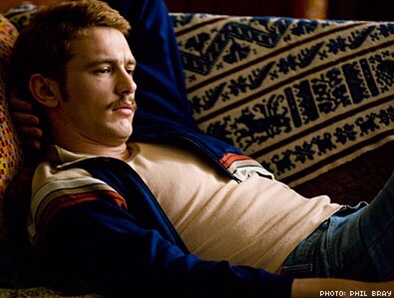
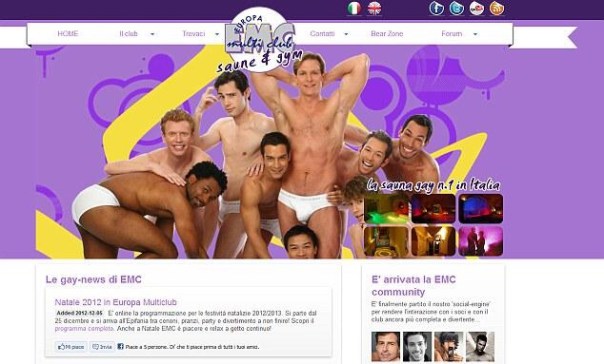


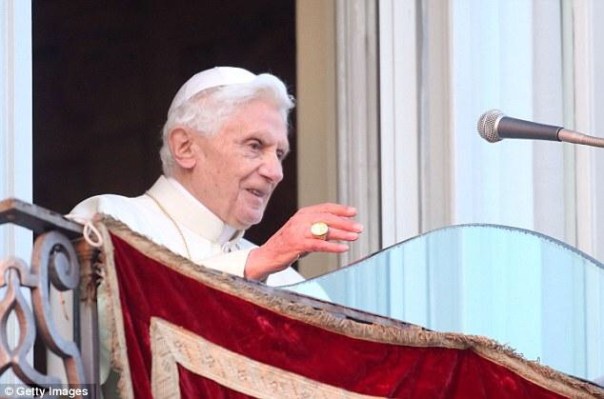
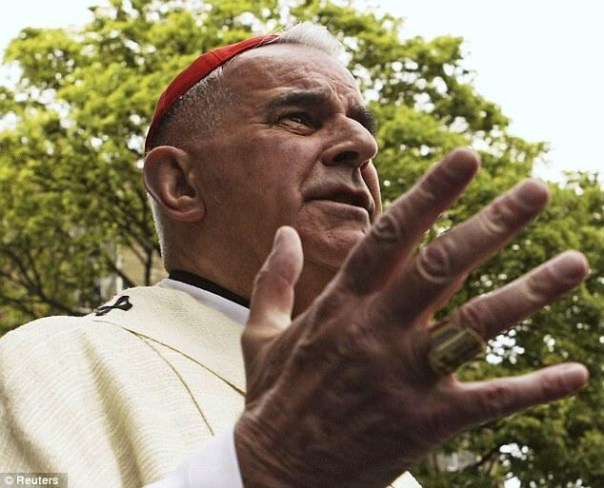

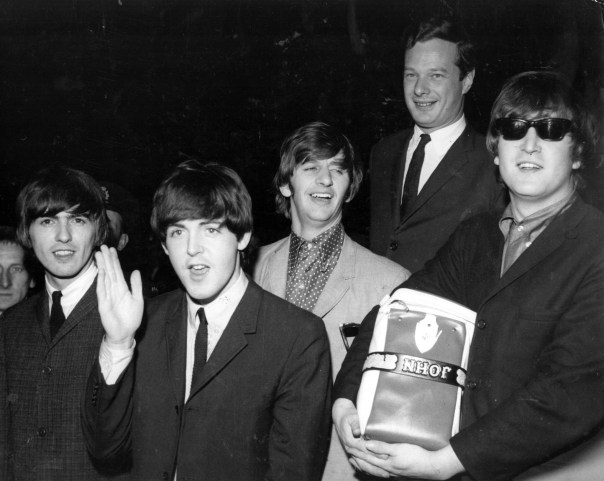


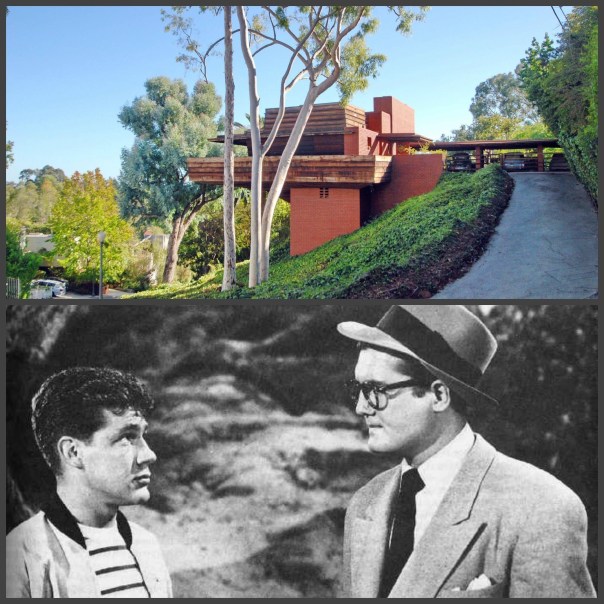

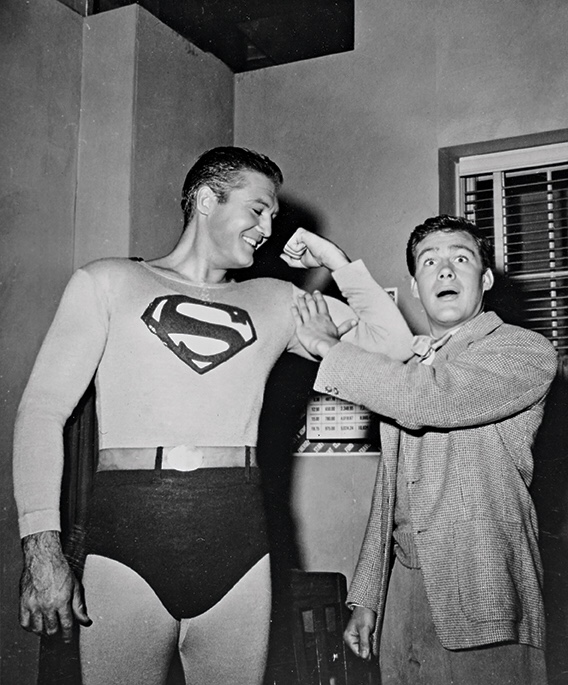



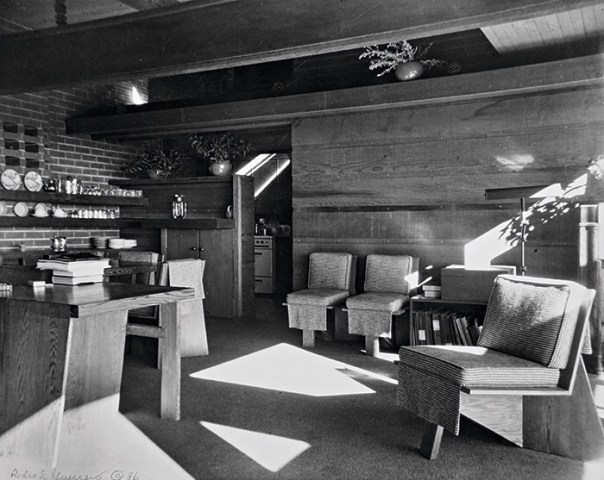




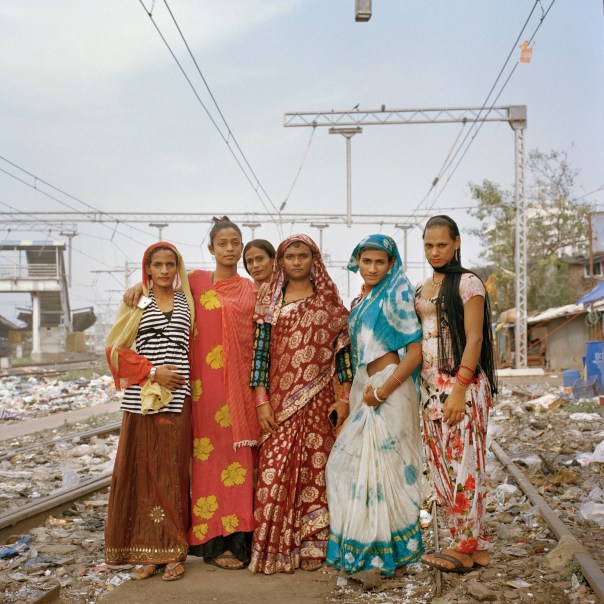
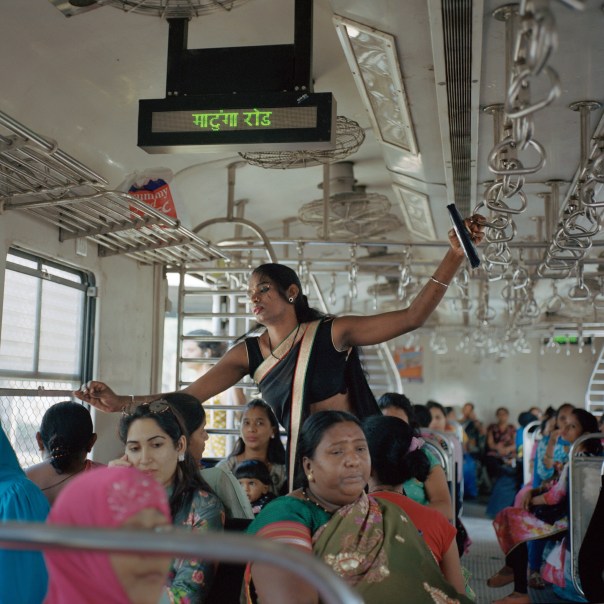

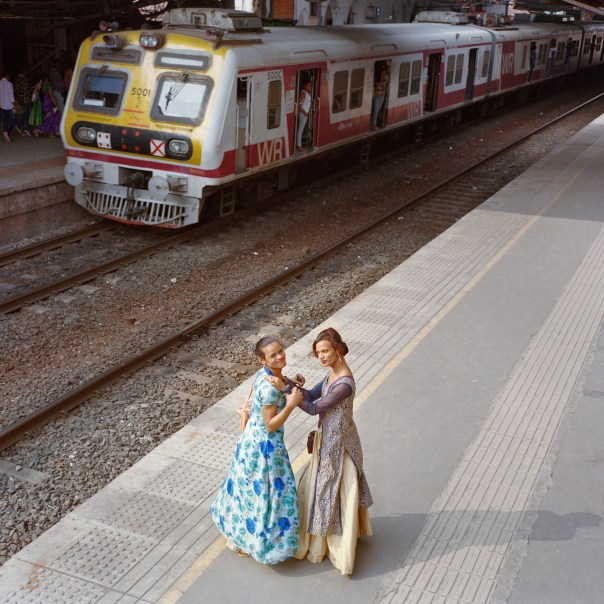
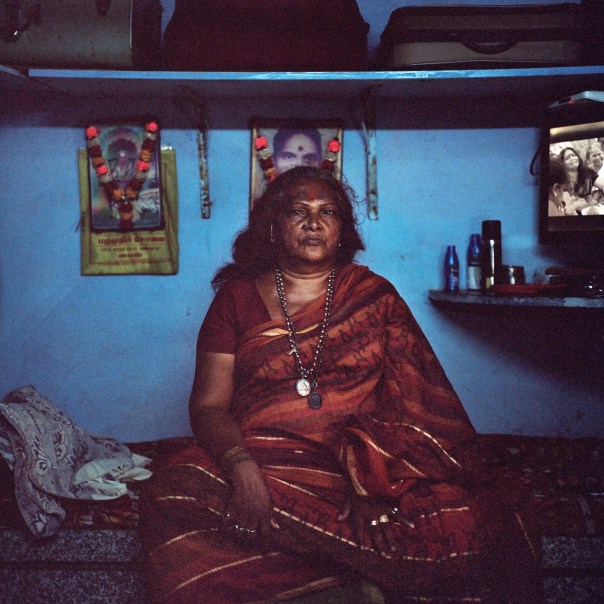
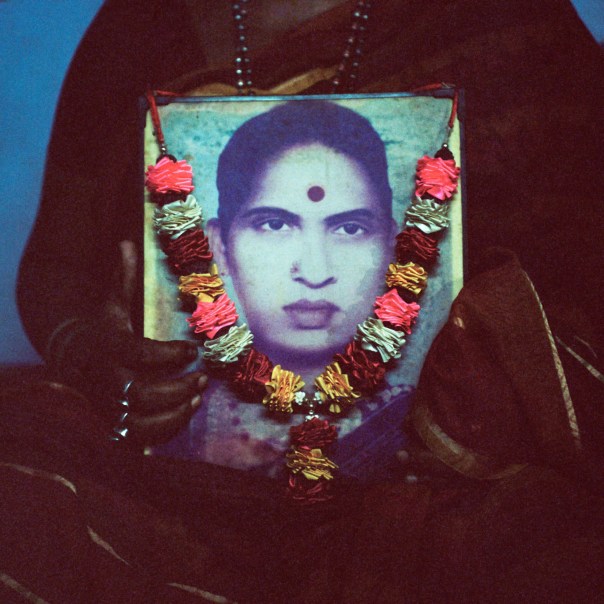
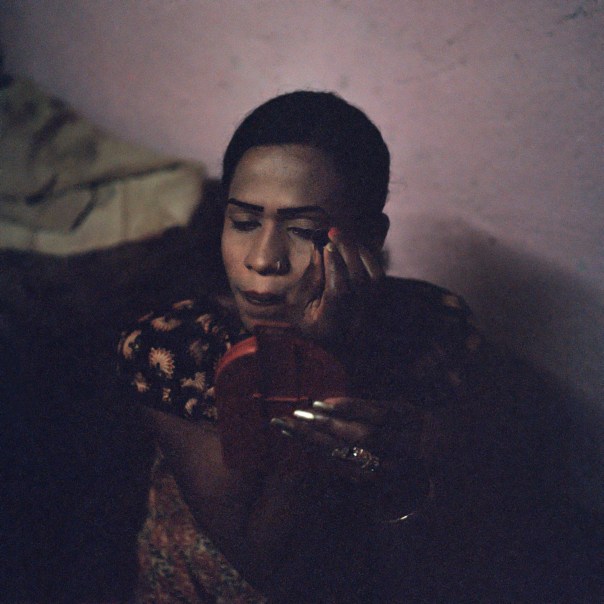

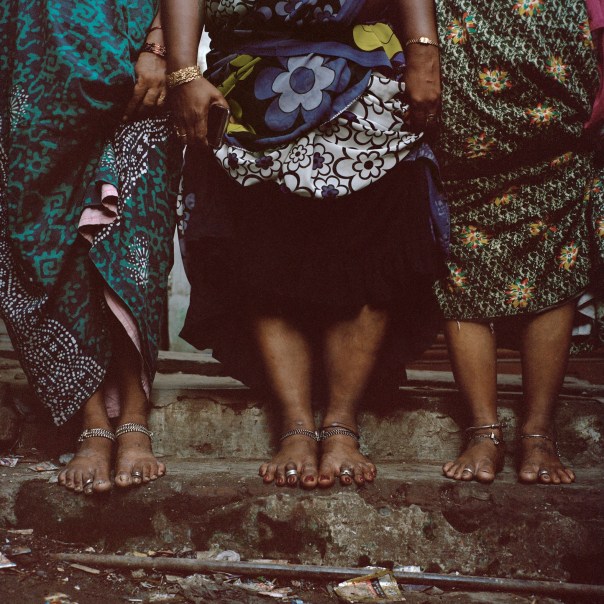





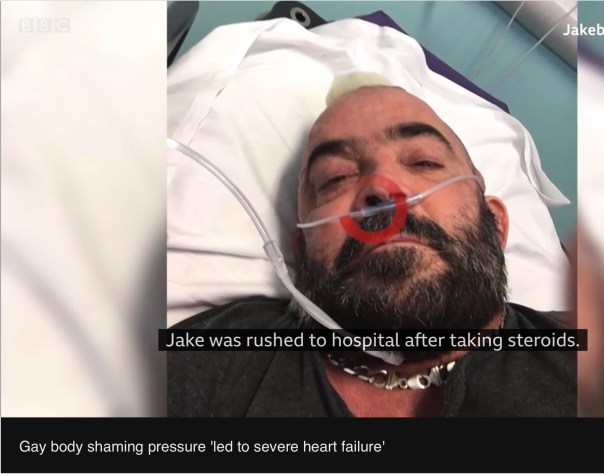
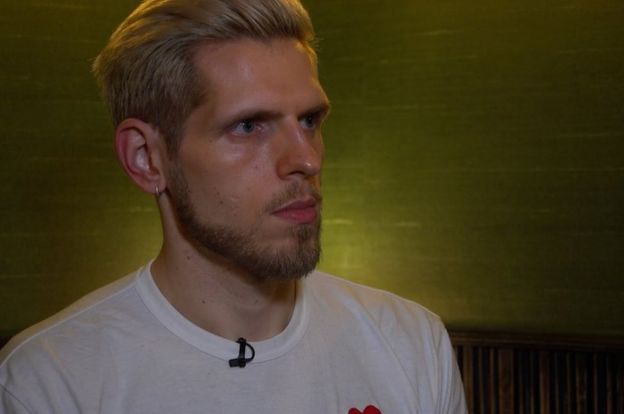

 timalderman