All posts by timalderman

Unknown's avatar

About timalderman

Gay, visually-impaired guy writing professionally (and freelance) about disabilities, being gay, articles, opinion pieces, poems and short stories for over 15 years, mainly for small, local magazines. Obtained my Graduate Certificate in Writing from the University of Technology, Sydney in 2004.

The Troll Affair

This was a comic story I started when writing at UTS. It is an ongoing story and obviously not finished.

‘Bloody trolls!’ Cadfel muttered, slamming the front door behind him and entering the small dining room.
‘What are they up to now?’ Fingel asked, putting the morning edition of ‘Gnome News’ on the table, glancing at Cadfel as he plonked himself into a chair opposite.
‘They’s got the bleedin’ Fairies up in arms, they has,’ he said, thumping the table, making the teapot, cups and saucers jump several inches. ‘Tryin’ to take over the garden fountain, filthy creatures that they is!’ he yelled, thumping the table again. The teapot moved precariously towards the edge of the table. ‘Fairies ain’t happy at all. You know how they feel about the fountain, especially after all the wand tapping and sprite spells they’ve used to get it right.’ He folded his hands on the table and peered at Fingel over the top of his glasses. ‘They’s talking about a strike! They want the trolls out, and I can’t says I blame them. Where goin’ to have to talk this out with them.’ He tapped his fingers on the table, suddenly giving it another thump. This was too much for the teapot. It teetered for a second, then crashed to the floor. Steam emanated from its remains, tea leaves splattering the table legs, and the shoes of the gnomes seated at the table.
Fingel jumped, a look of exasperation crossing his wrinkled face. ‘Please Cadfel, not another meeting. You know trolls and fairies can’t be in the same room together. Shit, can’t we find some other way to negotiate? Bloody trolls will stink the place out! They only want the fountain out of spite. You know that!’
‘Yeah, I knows,’ Cadfel answered, bending down and starting to collect the pieces of broken china scattered over the floor. ‘Bloody rotters never wash, so I don’t know what they ’s wantin’ with the bleedin’ fountain. Probably just want to muck it up, just to give them fairies the shites.’
‘Reckon you’re right’ Fingel replied. ‘Best we go and see the fairies and try to sort this out right now. I don’t want a meeting if I can help it. Bloody fairies flitting all around the room, tapping their bloody wands on everything, and making out they’re so bloody high and mighty.’ He rolled his eyes. ‘Then the trolls humping and grumping everywhere, shaking their fleas over the fairies just to give them the shits, scratching and moulting everywhere. Hell, Cadfel, we have to sort this out without a meeting.’ He headed towards the door.
‘Come on, let’s go and see if we can calm Pookie and her lot down a bit!’
Cadfel dropped the pieces of the broken pot in the garbage tin, and followed Fingel out, slamming the door behind him.
The cup and saucer crashed to the floor.

Leaving the gum tree, they waddled down the path towards the dell. Elves, now resident in the plots of Kangaroo Paw that had been planted in groupings down the path edge, peered out at them as they passed, tittering to each other in elf-talk. Pretending that nobody could see them was one of their favourite games, though Cadfel occasionally ventured the opinion that is was pretty stupid pretending no one could see you when they were looking straight at you. Still, that was elves, and like everything else they did, none of it made sense.
Continuing down the path, a group of six fairies floated toward them – you could tell they were fairies from the gossamer wings on their backs – bearing placards with ‘GIVE US BACK OUR FOUNTAIN’, ‘DOWN WITH TROLLS’ and ‘FAIRY POWER’, rounding a bend that led around to the wishing well. Pookie, the lead fairy, was in a tizz, buzzing backward and forward through the group, yelling rousing chants and trying hard to get the group agitated. They halted when Cadfel and Fingel approached, grouping tighter together to form a barrier across the pathway.
‘Okay Pooks! What’s going on?’ Fingel asked, ducking his head to avoid a shower of fairy dust aimed straight at him. ‘Can we try to keep this civilised. We don’t want any trouble from you lot.’
‘Don’t talk to us about trouble,’ Pookie warbled, swooping over his head, swishing her wand and sending out another shower of dust. ‘It’s those awful trolls. It’s not enough that they go around stinking up the garden. They’re now leaving tide marks in the fountain, splashing around in it like they owned it. The waters polluted, Fingel! Polluted, I tell you!’ she grabbed a ‘TROLLS LEAVE TIDE LINES’ placard off the fairy closest to her, and shook it in their faces. ‘No more favours from the fairies, boys! We’re on strike! No pleasant dreams, no magic mushroom rings, and no fairy bread, fairy floss or fairy cakes until we get our fountain back!’ She thrust the placard back at the fairy she had grabbed it from, and with a heave-ho of her tiny hand, ushered the hovering, glittery group straight through the middle of the two gnomes.
‘Shite!’ said Cadfel, watching them as they vanished up the path, thrusting the placards at the elves as they passed by, as if the elves would care! Too bloody busy pretending nobody could see them, as usual. ‘What we gunna do now, Fingel?’ Cadfel asked, turning back to his friend.
‘Guess we’d better go and see what the trolls are up to,’ Fingel replied. ‘Let’s go and see what damage they’ve done, and try to negotiate a peace.’ He started to work his way down the path, ‘Shit Cadfel, they threatened no fairy bread. We can’t have this! We can’t go without fairy bread!’
Cadfel sighed, following him towards the wishing well.

They continued on down the path, kicking up fairy dust litter as they went. Turning a bend just past a bed of Aster daisies, the tiny-pitched roof of a wishing well came into view. A light plume of steam rose from behind the well, then suddenly a small dragon appeared, nipping at their heels and singeing their shoelaces with tiny licks of fire emitting from its mouth.
‘Calm down, Scales,’ A tiny water sprite appeared from the bucket suspended over the opening to the well. ‘It’s only the gnomes! Don’t carry on so. I’m sorry guys,’ the tiny figure replied, climbing out of the bucket and standing on the edge of the well. ‘Scales is still a baby, and a bit on the naughty side. You know what these Australasian dragons are like. They either say bugger-all, or you can’t shut them up!’
‘What’s ya doin’ in the well?’ Cadfel inquired, peeking over the edge.
‘Hiding from the bleeding fairies. Cor, ain’t they on the warpath,’ the sprite replied, grabbing the dragons lead, and attempting to bring it to heel, without much luck. A small shrub near the edge of the path went up in flames, causing Fingal to jump.
‘Well, trolls will be trolls,’ Fingal said, blowing on the small fire in an attempt to put it out. He gave up, turning back to the sprite, who was walking back from the well with a pail of water in his tiny hand. He threw it over the flames.
‘Bad boy!’ he shouted at the dragon, shaking a finger. The dragon ignored him, singeing a patch of grass as he snuffled around.
‘The fairies are a bit upset, losing their fountain and all. We’re on our way to negotiate with the trolls. We’ll try to broker some sort of agreement. Want to join us, Gaddy?’
‘Naw, don’t think so, Fingal. Got my hands full with Scales at the moment. Anyway, never have liked that Pookie. A bit high and mighty for my liking,’ he replied, finding himself being dragged back towards the well by Scales. ‘Good luck, all the same. It’s time those trolls were put in their place. Always causing trouble.’
The dragon was on its back, and Gaddy was rubbing its belly. Steam puffed out the dragon’s mouth as it rolled around, obviously enjoying the attention.
‘Yeah, we understand. Cute dragon!’ Fingal said, starting to move back down the path. A sudden whoosh caused them to look back. Gaddy was stamping his feet, a puff of smoke rising up from his shoes.
‘Can we gets a dragon?’ Cadfel asked. ‘They sure looks like fun!’

The sound of splashing water and raucous laughter reached them before the fountain even came into view. As the gnomes came out from behind a poinsettia tree, a stream of water hit them, knocking them to the ground. They stood, wiping water from their faces. A grizzled figure stood a short distance from them, watching the shenanigans going on in the fountain. Five trolls jumped and splashed about in the murky water.
‘Your boys enjoying themselves, Wiggat?’ Fingel asked. The troll towered over him.
‘And what can we do for you nosey gnomes,’ Wiggat replied, guffawing as one of the swimmers did a double somersault, knocking a concrete frog off the edge of the fountain. The frog smashed, green concrete spraying in all directions.
‘This is Pooky’s territory,’ Fingel said, bending down and picking up some shards of concrete that had skittered as far as his feet. ‘She’s not happy about you boys dirtying up her fountain, and I can’t say that I blame her. Just look at it! It’s a right disgrace.’
The usually blue fountain water was dark grey, a scum mark noticeable where the water had retreated to, as the trolls frolicked about.

To be continued…

IMG_9565.JPG

Seeing In Time

This article – now edited – was written in 2001. I intended to sue St Vincent’s for causing my loss of sight by not testing me for CMV in 1996. I had been given a list if solicitors by HALC (HIV/AIDS Legal Centre), and had picked one out. It was pro bono, and I had several discussions with him. However, charges such as searches and photocopying etc were my responsibility and when the first bill for $1500 came in, I just had to drop it. 13 years on, the predicted retinal detachment has happened and a lot if other shit besides. I am now contemplating having my left, totally blind eye, removed and replaced with a prosthetic. What happened here was just an introduction!

I have come to realise, perhaps a bit late in life, that you spend far too much time bending in the general direction of things instead of sticking up for yourself and saying no, this is not what I want, or the way I want things to go!

I have decided to sue a local hospital. That I have chosen to do this has come as a tremendous shock to me, though those around me seem to have been waiting for me rectify what has been, for me, a life changing event.

By 1996 I had accepted that sooner or later, AIDS was going to get me. What I hadn’t counted on was that St. Vincent’s hospital was going to assist in my chances of survival! – and in the one ward they had where I always felt I would be safe – Ward 17, the dedicated HIV/AIDS ward.

It was a sudden change in health status that delivered me to the A&E department. I had collapsed outside my apartment building, gasping for breath, clutching my chest, thinking that a heart attack was going to beat AIDS to the crunch, or that PCP had finally caught up to me, as it seemed to do to all in my state. It turned out to be neither – I had a collapsed left lung, though being HIV, they moved me into Ward 17 after inserting a tube to keep the lung inflated. Most of us assume that we go into hospital to be cured of health problems, or at least receive a better standard of medical care to assist you to a slightly higher standard of health than you have when you enter. Well…I have to tell you it doesn’t always happen that way!

I firmly believe that some people go into health care because they truly believe in what they are doing. They truly believe they can make a difference, that they can benefit people who are ill or are disabled. These people are not professors of medicine, do not have a fancy examination room with a prestigious address, and are not heads of departments. The well-heeled medico’s who share these attribute have strings of initials after their names. They do ward rounds with a string of nose-in-the-air arse lickers and sycophants. St Vincent’s at this time had more than its fair share of the latter, and unfortunately, some of them were in HIV medicine!

Now, I don’t want to give the impression that I was just in hospital with a collapsed lung – it was more complicated than that. I was in the midst of changing doctors, so didn’t actually have a GP when I was admitted to Ward 17. My scripts for AZT had just run out, I had chronic anaemia, chronic Candida, and weighed in at about 50-something kilos. In other words, I was a very sick boy. Now, under normal circumstances, with a CD4 count of about 10, they would test and examine you for ALL AIDS related illnesses – PCP, CMV, MAC, neurological and psychological problems. For some unknown reason. Sure, they treated – and eventually repaired – the collapsed lung. They tested me for PCP – negative result – and gave me a blood transfusion, but that was it. No eye examination, no dietician, no occupational therapist – no, that’s a lie, I did have one session with an OT, and though she promised other sessions – she never quite madeit back.

So I lay there for 10 days, drifting in and out of sleep, as you tend to do when you are in this bad a condition, suffering in silence the daily ward rounds with a
professor who seemed more interested in prestige than care, with his little band of sycophants, who seemed to assume that this was what was expected of theM. No one seemed to particularly care, so I was thankful for friends, for without them I think I would have gone mad.

Death seemed pre-ordained at this time I felt I had outlived everyone else anyway, and that my time was drawing to a close. I had predicted 2 years when I quit work to go on the pension in 1993, and had managed 3, so in many respects I felt I had survived beyond expectation, and short of a miracle, I was going through the final stage of my life. I was, to all intended purposes, fulfilling expectation.

So, with a repaired lung, a couple of pints of fresh blood, and some Candida medication, I was discharged 10 days later. No HIV medications, no doctor. I had my discharge papers sent to a local HIV GP, who I didn’t know from a bar of soap, hoping that she would feel sorry for me, and rush me through the waiting list. Thankfully, she did just that!

Two days out of hospital, and her receptionist rang to say my discharge papers had arrived, and that even though they didn’y know who I was, the doctor wanted to see me. I would like to think, in hindsight, that this was almost like some sort of sign, as having my hospital discharge sent to her was an act of providence that probably saved my life.
As soon as I mentioned to her that my vision had been ‘greying over’ for a couple of weeks, she was immediately on the phone to the Prince of Wale’s Hospital Eye Clinic at Randwick. They promised that somebody would stay back at the end of clinic until I arrived to have my eyes checked. They thought at that stage that I had CMV retinitis, but could not be certain enough to confirm the diagnosis. I had to travel to Hurstville the next day to see a leading ophthalmologist, an expert in CMV. He confirmed the diagnosis, and by the time I arrived home that afternoon, their was a message to ring the doctor. She wanted me admitted to Prince Henry Hospital straight away.

Prince Henry added other health items to the list St Vincent’s had. On top of chronic anaemia and Candida, and my 10 CD4 cells, they added chronic bilateral CMV retinitis, and Wasting Syndrome. Pandemonium was about to strike, but at least this time I felt as though people cared. Prince Henry was much more grounded in reality than St Vincent’s, and whatever my prognosis may have been – mortality was never discussed – they went out of their way to help me. Sure, I had a drip in both arms, was being transported to Prince of Wales twice a week for intraocular injections of ganciclovir, and I was a bit of a guinea pig because of my condition – medical students must love people like me, as we become a living text book – but they did care. I had a dietician who planned meals and snacks for me, and nurses on hand to help me during my night sweats. I even had a reporter from Japan interview and photograph me, as he was doing a piece to be published in Japan. After seeing me, he was concerned that the Japanses ‘head-in-the-sand’ attitude to HIV/AIDS was something to be seriously concerned about.

To be honest, the two weeks in Prince Henry gave me a different perspective on many aspects of life. There was the guy in the room next to mine – I had a huge room to myself in Marks Pavilion, and the windows looked out over Beauty Bay – who had terminal cancer. Not once, despite whatever he may have been going through, did I hear him complain or whinge about his lot. He virtually lived in the hospital, and even had his own stereo moved in with him. And the young guy who was at the opposite end of the ward to me. He also had CMV, but fuck, he was so young, so innocent! We sat together in the eye clinic one day, and he grasp[ed my hand, cuddled up to me, and cried. I wanted to give him some hope, but I would have felt like such a hypocrite. I didn’t know if their was hope for me at that stage, let alone try to give it to someone else who I knew was worse off than I was.

Well, they saved my sight – sort of! The injections, and eventually $10,000 worth of ‘Vitrasert’ ganciclovir implants managed to save the sight in my left eye. As for my right eye, the optic nerve was damaged by the CMV, and despite efforts on everyones part, I lost 80% of the vision in it, and the impact on my life has been…disconcerting. I have regular checks every few months now, and I have to be careful not to bump my head hard on anything. The scar tissue in the left eye is so dense that they are concerned now about me ending up with a detached retina. I’ve also had two operations to remove cataracts caused by the implants. They originally estimated a 4% chance of cataracts from the implants, but 12 months later this prediction was upgraded to a 100% chance. Some odds you can’t beat.

But this has been the least of my worries. Sure, my right eye has, in some respects, compensated for the loss of vision in my left, but not entirely. It took me twelve months to adjust, but that twelve months was not without incidents, such as tripping over some tree roots in Crown Street, and landing flat on my face in front of some people coming in the opposite direction. I also tripped and stumbled a great deal as my vision tried to compensate for a change in everything, including perspective. Stairs with contrasting edging strips became ramps – at least from my perspective – and ‘I’m sorry!’ became part of my everyday vocabulary as I bumped and staggered my way around. That is something that even 5 years down the line, I have never quite gotten used to. This would not be the first time I have stated that in some respects, it would have been easier to have ended up completely blind. At least that way, I would have a white cane, or a dog, and people would know I was definitely blind, and not give me condescending looks every time I run into someone. For some unknown reason, it has always ended up my fault. I just accept.

Rules of our household – don’t leave anything sitting low on the floor, or hanging to my left when I don’t know it is there. When walking down the street, keep to my right. If you don’t keep to that side, expect me to keep moving to ensure you are there. Go into the city? Not on my own these days. As much as I love the city, and love to watch it grow, it is a place for people in a rush, not a place for people who are visually impaired. Too many people, too many doorways for them to rush out of, and too many people crushing into confined spaces. I miss it very much, but it is not a place for me anymore. I shop locally, and that is hazardous enough for me. Do anything during the peak hour rush? Not likely these days. I had to meet David at 6.00 at the Entertainment Centre, to attend a couple of concerts. I actually mapped out a way to get there that would have a minimum of people that I would have to avoid. I go to daytime lectures and tutorials at UTS to avoid travelling too and fro during peak hours. I’m also trying to get them to contrast edge-strip the black granite stairs in the Tower Building, so that visually impaired people can see where the stair edges are. That is one fight I may yet win. Oh, and I shouldn’t forget that I kick small children.
David, who is my partner, and I went for a walk down Hall Street, leading to Bondi Beach, for one reason or another – we were probably looking for somewhere to eat breakfast. Sure enough, for a split second, I wasn’t watching where I was going and the next thing I knew, this kid had run straight onto my foot as I took a step forward. He just came out of nowhere, as kids do, and I managed to literally lift him into the air with the forward motion of my step, and launched him off to the side of the footpath. Thankfully, he landed in the grassed area around some trees growing on the footpath. I would hate to think what may have happened if he had landed on the footpath itself. I don’t know who got the biggest fright – the kid, myself, the kid’s father, or David. The father came running as I picked the kid up to make sure he was okay, but the look on the father’s face said it all – It was my fault, and I should have been watching where I was going. Even an explanation that I was
partially blind, and hadn’t seen the kid coming didn’t seem to sit well with him, nor did a multitude of apologies. Now, I dare say the kid probably forgot the incident 10 minutes after it happened, but It is still a nightmare with me. Whenever I think about the state of my eyes, that is the one instant that comes straight to mind. It’s not just the incident with the kid – I’m aware of that. It is that in some way, these sorts of things happen to me everyday, though fortunately with larger adults, not small kids. Despite all my precautions, despite taking my time getting around, despite walking metres up a street to use crossings or lights, despite great care at intersections I feel it is only a matter of time before I either seriously hurt somebody, or they seriously hurt me.

So I’m not just going to sit back and cop it sour anymore. Somewhere along the line, in a hospital, on a particular time on a particular day, somebody, for whatever reason, decided not to do something, and now I’m paying the price. Well, it’s time for someone to pay for their oversight, and the time to pay is NOW! My health is as good as it’s going to get at the moment, and with it being unlikely that I will ever return to full-time work, or to any job that requires me to get stressed, it is time to take action. I’m not going to ignore it anymore, or pretend that it just didn’t happen. It did, and my life has never been the same since.

Personally, I think that they, like Prince Henry, and certainly me, never expected me to live, so just doing a minimum of care in 1996 may have been acceptable practise, especially in an area of medicine that has always been cash strapped. But I didn’t die! I am well and truly alive, and the time for revenge is at hand. I hope that at the end of the day, they will learn several lessons. Never assume anything; never underestimate the strength of the human will, and mind; and never think people are just going to forget about it! We Don’t!

Tim Alderman
Copyright ©2001

IMG_9546.JPG

The Hidden Side of Sex Offences

As a kid who spent three years in a Catholic boarding school I was exposed to an underworld of dark sex offenses without realising what was going on around me. When I think back on it now, it was quite scary…

In 1967, due to some family problems – a book of stories on it’s own – and with moving the family home from Sylvania to Kogarah, it was decided that instead of sending me to James Cook High School, I would be taken out of the public school system, and sent to a private school. Mind you, being the era it was, I didn’t have a lot of say in this decision.

As a late applicant – and Protestant – to Marist Brothers St Gregory’s Agricultural College at Campbelltown, I had to wait for all the Catholic applications to be processed first, to see if there were any vacancies available. I was to eventually spend three years there, attaining my School Certificate un 1969. There are two events that occurred in my time there that are quire disturbing, and probably part of the current investigations and Royal Commissiom into child sexual abuse.

Being a boarding school, we all spent our mornings and nights in large open dormitories – just called dorms. Brother Brian was the Dorm Master of Dorn 2, and had an enclosed bedroom just off the entry to the dorm. He was also the Instructor for the school swimming team. As with most school swimming teams, we had our own swimming trunks – burgundy and blue – especially made. With the arrival of the swim trunks, along came their time for distribution. It took me a while to work out what was going on. As I lay in bed after lights-out, there would be a stream of kids on the swimming team individually visiting Brother Brian in his room at night. Evidently, Brother was giving the boys specialised fitting of their swim trunks, getting them to strip off, and try the trunks on to “ensure the correct fit”. Shortly after this event, Brother Brian mysteriously disappeared…transferred to somewhere or other. I had just, unwittingly, observed my first instance of sexual abuse. In keeping with the era, no explanation was given, and the incident was never discussed.

Being a Protestant – Congregational – in a Catholic environment, and voluntarily not exempting myself from Mass , rosary, Station of the Cross. Retreats etc, eventually the religion rubbed off on me. Being raised in the simplicity of Protestantism, I found the rituals, devotions and customs of the Catholic church overwhelming, and in 1969 I converted.

Reverend Father Peter Comensoli was the Parish Priest of St John the Evangelist Church in Campbelltown, and St Gregory’s College Chaplain. As such, he baptized me in the college chapel, and in fact bestowed on me his Christian name Peter as my baptismal name, and later that year I was confirmed in the Parish Church in Campbelltown. Yet another name – Francis – to add to my collection. Father Comensoli spent a lot of time at the college, and was very friendly to all the boys.

So you can only imagine my total lack of surprise, when watching the news many, many years later, at seeing Father Cominsole being arrested for molesting his altar boys.

Both incidents made me realise just how close I could have been to being a victim of sexual abuse myself!

http://www.abc.net.au/7.30/content/2013/s3810321.htm
http://www.brokenrites.org.au/drupal/node/194
http://www.christianchat.com.au/christian-chat-articles/1996/4/16/police-were-slow-to-act-on-clergy-sex-assault-claim/

Please – if you have been a victim of sexual abuse, or know of instances of sexual abuse please report it to authorities.

Tim Alderman (C) 2014


Mind The Gap – Sun Herald, Sunday May 28, 2000

The 1965 incident with Frederick Pickhills was my family, and my brothers death. I have covered the case in my article “Kevin Pickhills – The Unspoken Name.”


Words by Glen Williams
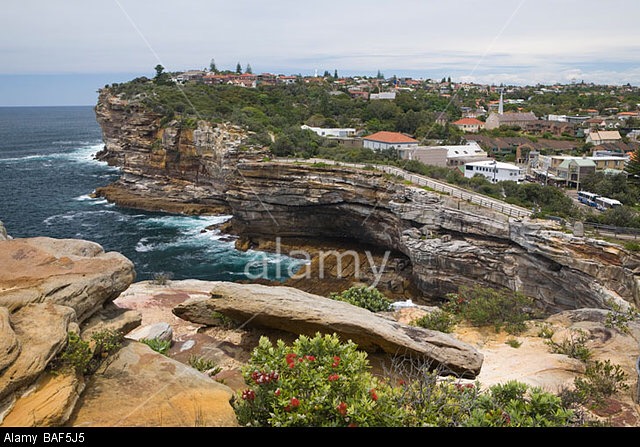
Like the Opera House and Harbour Bridge, Bondi and the beaches, the Gap is a must-see for tourists and locals alike – a place of shattered deams, unsolved mysteries and dramatic beauty.

You are lured here by the view – high above a seething ocean, veiled by sea spray and circled by noisy gulls. The final 25 steps rise from a road that winds back toward the city and all of a sudden here you are – white knuckled, clutching the safety rail, yet drawn closer to the edge. Free-spirited sightseers and single-minded fishermen have all looked down from this spot, captivated by the churning sea and beckoning rocks below. To get this far you must turn your back on Sydney and when you do, its soaring towers and sparkling harbour disappear – replaced by a vast, distant and empty horizon. See the tourists turn their backs to take a photo, of a windswept spot where others before them turned their backs on life.

This is the Gap, Sydney’s infamous “drop off” point, a sweeping arc of wave-blasted sandstone gouged into South Head. Long before there was a Bridge to climb and way before the Opera House welcomed its hordes, this majestic sweep of coastline, in places more than 100m high, played lively in the imaginations of locals. It still does.

It is a place of intense contrasts. Stand at the safety rail, look straight out to sea, and the full brunt of nature hurtles toward you. The noise, a screaming fury, almost knocks you over. Turn around and the harbour and city skyline are displayed in all their glory. And, like the contrasting views, life and death manage to co-exist here.

Ask a Sydneysider their impressions of the Gap and they’ll tell you it’s lunch at Doyles, and a beer at the Watsons Bay Hotel. They’ll say it’s the best vantage point from which to catch the start of the Sydney to Hobart yacht race. And, either in hushed tones or with insensitive grins they’ll tell you, “It’s where people go to jump.”

Howard Courtney will tell you about the night out with his wife and friends which began with dinner at Doyles. One moment he was enjoying the company, the next, he was over the cliff’s edge. “We’d just finished eating and decided to take a walk up there to show our friends what the place looked like in the dark,” he recalls. “We got up to the safety rail and there we found a pair of shoes and a handbag. I looked over the Gap, and down on a ledge was a woman. I could see she was ready to go again. She was crawling out towards the edge. It was dark but I could clearly see her.”

Overcome by the woman’s plight, Courtney kicked off his shoes and socks and, calling to his stunned wife and friends to run for help, leapt over the safety rail and out of sight.

“I didn’t think,” he says with a laugh. “I don’t remember how I got down, and I suppose had it been light, and I’d seen the reality of the drop, I might not have gone. I only know my wife wasn’t too pleased. I managed to make it to the girl. She was crying and I held her and tried to pacify her until the police came. I clearly remember she had scars on her wrists.”

It was March 1973 and newspapers reported how Courtney had clambered 40 feet (12.9m) down the cliff face to reach the 21-year-old woman. She was taken to St Vincent’s Hospital in a satisfactory condition despite a broken leg, internal injuries and shock. Police said the narrow ledge had stopped the woman from plunging 200 feet (60.96m).

“I’ve often wondered what happened to her. Where she ended up,” Courtney, 65, says. “I haven’t been back to the Gap since, but I remember it as a place of dramatic beauty.”

A fence – a sturdy hardwood affair mostly, waist-high and wrapped in cyclone mesh – is intended to prevent people from getting too close to that “dramatic beauty”. But as Woollahra Council carpenters Stuart McKinlay and Bill McLeary know only too well, those wanting to be at one with the view will find a way over the barrier. “There’s a lot of maintenance work,” says McLeary, 56. “We’re often up here fixing the fence. We can’t really stop anyone,” adds McKinlay. “Most are just trying to get a closer look.”

The cheerful tradesmen double as unofficial tour guides of the area and are well-versed in the Gap’s history. As the tourist buses pull up, sometimes 72 in one day, the amiable pair will don their second hat. They’ll point tourists to the rusted anchor from the ill-fated Dunbar, wrecked in 1857 after surviving an 81-day journey from England. Before it could reach the shelter of Port Jackson the ship hit enormous seas and a gale force wind smashed it onto the rocks below. Of the 122 people aboard, only one, Able Seaman James Johnson, 15, survived. “Imagine coming all that way to die here,” says McLeary. “It’s just not fair, is it?”

The men will also gladly help tourists take what they believe is the perfect Gap photograph. “A bus will come along and disgorge a whole heap of Japanese tourists,” McKinlay says. “They’ll race to the rail and take a photo straight out to sea. I mean that photo could be of any sea, any horizon. I tell them to look behind them at one of the best views they’ll ever see. So we’ll take a photo for them, we usually try and line up the Bridge, something that says ‘Sydney’. We’re like ambassadors for tourism.”

Ask them to explain the Gap’s attraction and their initial answer is the view. “Well, as you can see, it is spectacular,” says McKinlay. “It’s also such a well-known place for the obvious reason,” he says, then falls silent. “Um … people like to jump. It still goes on but it’s kept real quiet.”

Indeed, the great unspoken has been associated with the Gap since the mid 1800s. The first recorded case of someone taking their own life here was of 35-year-old Anne Harrison, a publican’s wife who leapt to her death in 1863, after grieving for her nephew who fell from the cliff top. But the two men, who recently nailed plaques detailing the telephone numbers of Lifeline and The Salvos onto the fence, are reminded of more recent tragedies.

There was the man who, in 1993, murdered his former girlfriend then tried to end his own life by driving off the Gap at great speed. “He meant business,” McLeary says. “He tore down here at a million miles an hour, smashed through the fence and became airborne over Jacob’s Ladder – that part of the Gap where the rock fishermen clamber down.”

The car flipped mid-flight and became wedged on a ledge. Miraculously the man survived. “He’s in jail now. They called us straight away to fix the fence.”

Neither man underestimates the dangers of their work, especially McLeary, who admits to being scared of heights. “I’ll climb over the fence, no worries,” he says. “But there’s some spots where you’re right up on the edge. Stu does those.”

Residents of the area moved here to enjoy the ceaseless roar of the ocean and that view. They didn’t intend to be caught up in the broken lives of others or to become heroes. But that is what has happened to some over the years. In the 1960s, Mrs Eve Bettke and her husband Anthony were known as “The Guardians Of the Gap”. Together they brought scores of people back from the edge. In one week alone they dragged back 27 people. News reports from the time tell how the Bettkes, who once lived across the road, kept a vigil from their house, scouring the cliffs for anyone lurking too near the edge. Often they’d invite potential suicides back to their house for a comforting chat.

Don Ritchie, 73, has lived in Watsons Bay all his life and has been involved in several rescues at the Gap. Some of the people he’s saved have actually sent him thank-you cards and gone on to enjoy life. Like the Bettkes before him, he keeps watch over the Gap from his house and has climbed over the fence to talk to people who are contemplating taking their own lives.

Ritchie has lost count of the number of rescues in which he’s been involved. He was awarded a Bravery Medal from the Royal Humane Society in 1970. “That involved a young girl,” he says. “I came home from a function in 1969 about one o’clock in the morning and straight across the road was a girl sitting on the edge in the dark.

“I went over and talked to her and as I did she kept moving close to the edge. I gave the wife a signal and she called the police. The press picked up the message and arrived first. Their arrival unsettled her so I got over and I pulled her back. She was screaming abuse at me and kicking like hell. She got a bit of leverage by pushing off the rail with her feet and she nearly pushed us both over.”

Still, Ritchie prefers to dwell on the Gap’s positive stories. “There’s often people playing musical instruments in the park,” he says. “And the music wafts up over the cliffs, it sounds beautiful against the sounds of the ocean.”

Bill Fahey, 75, remembers being called out to the Gap a couple of times a week when he was with the Police Department’s Cliff Rescue Squad from 1955 to 1985. “Mostly suicides,” he says. “but also injured fishermen and those knocked down by the seas. I tell anyone who is down in the dumps to always hold on, because a new day will bring change, hold on and wait for the new day.”

Fahey singles out one particularly macabre incident in the early ’60s that has stayed with him through the years. “A bloke had pushed his three children off then thrown himself over,” he says. “There were four bodies at the base of the cliff and we had to go and bring them back up. We got down there and there was this fisherman who just casually stepped over the bodies and kept right on with his fishing. I’ve never seen such single-minded behaviour in my life.”

There is a magnetic force at the Gap that compels people to venture dangerously near to the edge, he says. “I’ve felt it myself. Through the years I’ve spent long periods of time looking out to sea. I remember one time sitting, looking over the edge and I could feel my feet being pulled. The water definitely has a draw. The perfectly sane can feel it. But for all the dramas I’ve seen played out there, I still regard the Gap as one of the most beautiful places on the coast.”

Gap historian Claire McIntyre feels so close to those who’ve taken their lives here she’s written a book about them. “They’re not just obscure people who’ve jumped, they’re people like us,” she says.

The former director of nursing believes the Gap is a very spiritual place. “Just to be there is a spiritual experience,” she says. “There’s a definite draw, you can’t ignore it. As I got more involved in the writing of the book, my daughter was concerned that I was disturbing the dead. I totally disagree. As far as I’m concerned these people have a story and they are not just a statistic. I think I’m helping to put them to sleep.”

McIntyre says she too has felt the Gap’s pull. “I love it best on a very stormy, southerly day. I call them angry days. The waves are hurled up the sides of the cliffs and it’s almost like a suction pulling you towards it. To me the Gap is like a magnet.”

It is the role of Rose Bay Police to respond to any incidents at the Gap. On average they are called there two or three times a week, though these incidents are not always suicide related. Today, the Gap’s churning waves and jagged cliffs harbour many unsolved mysteries. Rose Bay officers are still investigating the Caroline Byrne case. Byrne, a model and fiancee of Gordon Wood – a former chauffeur of Rene Rivkin – was found at the base of the Gap in June 1995. Investigators also have their hands full with an unrelated gangland-style murder.

Local resident John Doyle has heard all the stories; the tall tales, the myths, the cruel realities. After all, the members of his famous family have lived alongside the Gap for five generations. As a boy it was his backyard, his playground. “I’ve lived here all my life,” Doyle, 66, says. “I’ve played on the Gap, I’ve been in trouble with the police for climbing down the Gap and wagging school. But it’s a pretty sombre place, really. We lost a really good mate down there. My brother Timmy was playing with him down there and he got washed out through the blowhole. That was 40 years ago now.”

Doyle, who now manages the Watsons Bay Hotel, believes the Gap proves somewhat of a disappointment for today’s tourists. “A lot of people say, ‘I’ve just been up to the Gap and I couldn’t find it’. Or they’ll tell you they’ve seen bigger Gaps in their own backyards.”

Master of suspense inspired by the Gap

How appropriate that the master of the cliffhanger, Alfred Hitchcock, should find himself drawn to the ominous cliffs of the Gap.

It was Friday, 6 May, 1960, and Hitch was in Australia to promote what has become an all-time classic motion picture, Psycho.

“Alfred Hitchcock thinks Sydney’s Gap would be ‘ideal’ for a suspense movie,” David Burke reported in The Sun-Herald, on 8 May, 1960.

He took an umbrella with him. “Just in case I decide to float over the edge,” he explained. “Before I make a picture I must always experience the hero’s emotions myself.”

“He poised his roly poly figure on a railing of the safety fence and looked down on the rocks hundreds of feet below,” Burke wrote. “The westerly blew his umbrella inside out; the renowned chins and jowl quivered with the cold. But his eyes lit up to saucer-like proportions.

“Ah, yes, ideal,” beamed the master of suspense. “I can see it all. The villain has the hero on the edge of the cliff and is slowly pushing him over backwards. We have close-up shots of their faces. Then we have close-ups of their feet, scuffling on the brink. The wind is shrieking … the waves are boiling far beneath … we know how far the hero has to fall.

“At the last moment he wrenches himself free and the villain goes over the Gap. Yes, a really ideal setting for suspense.”

Generation gap

1857 The Dunbar is wrecked in pounding seas on the rocks at the foot of the Gap after travelling for 81 days from England. Of the 122 aboard, only one survived – 15-year-old able seaman James Johnson.

1863 First recorded suicide. Anne Harrison, 35, jumps to her death after grieving the death of her nephew who fell from the Gap.

1857 The Dunbar is wrecked in pounding seas on the rocks at the foot of the Gap after travelling for 81 days from England. Of the 122 aboard, only one survived – 15-year-old able seaman James Johnson.

1907 The Dunbar’s anchor is recovered by divers. It is incorporated into a memorial at the top of the cliff. The wreck becomes a popular spot for divers.

1942 Police Department’s Cliff Rescue Unit is organised.

1960 Alfred Hitchcock, in Sydney to promote Psycho, declares the Gap “ideal” for a suspense film.

1965 Frederick Pickhills of Sylvania, tells Vaucluse police, “I have been over the Gap with my son. I had hold of his hand.” Pickhills was charged with the murder of Kevin Pickhills, 7. Pleading guilty in court to an amended plea of manslaughter, Pickhills was released on a five-year good behaviour bond.

1975 Sydney Harbour National Park is established. the Gap is included in the National Park.

1991 Singing star of the 1970s, Mary Jane Boyd, leaps to her death from the Gap on July 20.

1995 Model Caroline Byrne is found at the foot of the Gap in June.

2000 Police are still investigating the circumstances surrounding Byrne’s death.

© 2000 Sun Herald


Daily (Or When The Mood Takes Me) Gripe : Be Afraid and Be Alarmed!

Fear is a complex emotion but it comes in two main forms. There’s anticipatory fear where we perceive a threat, know what to do about it, and take the necessary evasive action.
That happens when you see a dangerous situation looming on the road, or someone threatens you with violence.
Then there’s inhibitory fear, where the threat is too great, too amorphous or too appalling for us to know how to deal with it. Because there’s no way to discharge the fear through action, we are inhibited rather than energised. The term ‘paralysed by fear’ is a good description of inhibitory fear at work.

Hugh Mackay Speech “Be Afraid” 2007

We are again experiencing the politics of fear…however, I don’t know how effective it is going to be this time around. It is not so much that we are immune from it, but in an age of social media, and historical introspection we are all more aware of what it is all about.

There has been so many examples of this whipped up in our own lifetime: fear of Jews; reds-under-the-bed; nuclear holocaust; fear of terrorists; fear of muslims; fear of extremists etc etc,always led by both politicians, and the media. Tony Abbott’s mob are currently trying to whip up both fear of extremists in the follow-up to the crash of flight MH17 in the Ukraine (and by proxy the loss of MH370) implying that we are suddenly involved in the war going on there by sending in both the AFP AND ADF personnel not just to secure the crash sight, but that our army would train Ukrainian army personnel! (Reported 3rd Sept 2014 SMH, then denied on 4th Sept 2014 in The Guardian). We were suddenly confronted by a range of statements between then and now, not only about involvement in the Ukraine, but our insolvent in Iran in the face of the ISAS/ISOS/Islamic State (or whatever they are calling themselves today) THREAT (how quickly did the Ukraine crash become a poor cousin when all this started!), naturally, the media are just wallowing in all this pandemonium that is being whipped up. We were constantly seeing headlines and leading news reports about our sudden involvement in scuffles that have nothing to do with us – though it us essential for us to crawl up the arse of America – because they want to whip up hysteria that this MIGHT (though won’t) happen here! Naturally the lead-on from all this at home has been a redneck hatred of Muslims here – irrespective of their individual or community response – resulting in Mosques being desecrated, the burqa becoming a weapon of fear, new laws covering “supposed” civilian terrorists entering and leaving the country, additional laws allowing police to have even yet mire powers than they already have, and the general generating OF an atmosphere of FEAR, making us, the regular run-of-the-mill Australian (emphasis on that) joe-blow citizens to constantly look over our shoulders, to denigrate anyone who was Muslim or wore a burqa, too generally feel….ill at ease in our day to day lives. This is a frightening scenario, and goes to show how easy it is to manipulate a population using Politics of Fear!

I just loved how after every alarmist report, there was a request to not be afraid and to “carry on as normal”! My response, and that if many others in social media was: like we’ve been doing otherwise!

Of course, that has now carried over to the wanker G20 conference up here in Queensland! What a fucking waste of taxpayer money this giant waste of time is! Police given extra powers; control of protesting ( a supposed democratic right); shutting off of areas weeks before the bloody thing even happens; exclusion zones; cutting off access to roadways while they transport the wankers around; removing…garbage bins (potential terrorists sees no garbage bin…cancel action and go home…not!). Naturally, all the fear being whipped up about a potential terrorist attack over this period (assumes we would miss any of them if anything DID happen!) has been sugar-coated by granting additional public holidays, and telling us not to be scared to shop in the CBD over this period. To my thinking…doesn’t both these actions place more people at risk if anything does happen! Just me being paranoid! Oh no….they’ve got to me!

So are the Politics of Fear really affecting our daily lives? I don’t think it has been as successful as perhaps they like to think. All I see is people “carrying on as normal”. Certainly on social media it has been treated as a joke. Amongst those who think and evaluate, it is just another example if government stupidity, with Tony Abbott and Julie Bishop (who has scored rather well out of all this) striding the world stage like circus clowns, making us out to be bigger and more powerful than we actually are! In some respects…making us a target!

Will be interesting to see what happens here after the G20! My bet…there will be no revocation of given “specific period” powers…and no fucking garbage bins to put my rubbish in!

Tim Alderman
Copyright 2014

IMG_9568.JPG

Daily (Or When The Mood Takes Me) Gripe: Being 60!

WTF! Since when did turning 60 move me into the world of the addled dolts! I look in the mirror and see a guy who has aged, for sure, but not so that I can see a retirement in my near future. In fact, as far as a mature aged guy goes, I don’t look all that bad at all! I still have all my hair, it is still primarily black, body is gym-toned and looking a bit bulked up, not many wrinkles to speak of, grooms well, and dresses in trendy clothing though for my age. So why is it that so many think I’m an idiot!

Don’t get me wrong! This attitude that I am a gullible dolt doesn’t come from friends and acquaintances. It is the sole territory of young shitheads on sex sites! Excuse me while I B-Pay some funds to Russia so that yet ANOTHER personal trainer can escape his life of misery and deprivation there, and join us in the land of fucking eternal sunshine and imbecility!

Has happened to me four times in the period of one week! Four 20-somethings that think grandpa Timmy is the National Treasury, and either a free ride to the Promised Land, or a subject of ridicule! Now…I know all 60-year-olds aren’t computer and internet savvy…but this one is! I’ve survived enough Nigerian millions which are possibly still on there way, and had enough relatives that I knew nothing about – that lot didn’t know my hobby.. is genealogy – dying and leaving me zillions…just forward us your banking details and we’ll get this money to you right away…to know when someone is taking the piss!

Funny how they often trip themselves up! This one on Saturday night appeared on Grindr. There was a chat window with a picture posted in it of a very cute 20-something.,no profile! Thought that was very odd but proceeded with chat anyway. Mentioned he was visiting and going out…a bit further down said he was arriving on Sunday. The usual dirty talk…said ye was staying at McDowell…was willing to supply condoms and travel here…would message me on Monday…knew he wouldn’t and he didn’t! But I’m not sure what it was all about. He got no information off me, no personal stuff like address…maybe he worked out I’m poor snd just gave up lol.

Then you have the guts from India looking for hubbies in a little hit too much of a rush…and if you respond suddenly there is a rush of them! And always in too much of a hurry to move on to Skype.

The Asian guys who respond to profiles 60-seconds after all t goes up…without even reading it, and always between 20 and 24.

The “Blow ‘n Go” guys nearly always in their early 20s…and on Grindr!

Guys who don’t read your profile, so miss the information about raw sex!

Or sites like BBRTS which are a total waste of time if you are over 60! Plenty of ‘oinks’ but no bloody subsequent action…though a good site for excuses as to why none!

Hey guys…would it shock you to find out I’m still sexually active! I’m not dead! I.m not wrinkly and saggy! I don’t smell of old person! I don’t really want sex…or scams…or rip-offs…from people a third my age!

Get a life, guys. Don’t waste my time…it’s as precious as yours. Read my fucking profile and respond to what I want..las I do to yours!

I’m not an imbecile nor a dolt!

Don’t treat me as one!

Tim Alderman
Copyright 2014

IMG_8810.JPG

So Can You Cook? 16

There is a lot more to the world of spices than cinnamon, nutmeg, pepper, allspice, cumin, cayenne, paprika, cloves and cardamom. The huge range of spices used in Cajun and Creole, traditional Indian and Middle eastern food rarely reach the palates of the average cook unless they suddenly decide to cook traditional dishes from these areas. Many consider items like Saffron and Vanilla Beans too expensive – you just need to know where to get them. Spices like Sumac, Star Anise, Licorice Root, Blade Mace, Ajowan, Asafoetida, Fenugreek, Juniper, Orris Root and Szechwan Pepper are overlooked because no one knows what to do with them. Spice blends such as Berbere, Chaat Masala, Chermoula, Garam Masala, Harissa,, Panch Phora, Ras el Hanout, Shichimi-Togarashi and Za’atar suffer the same fate. Even the quite exciting world of Australian spices such as Bush Tomatoes, Lemon Myrtle, Mountain Pepper, Wattleseed etc are overlooked in the Australian kitchen, and are seen as perhaps being a bit ‘hippy’. My interest in spices began when I decided to have an Indian party at home, cooking traditional Indian food. Some of the spices I had never heard of, so had to go on a search to find them. Despite the inconvenience of not being able to buy them in my local supermarket, they made such an incredible difference to the taste of the food that it sent me off on a stint of research and courses to find out more about them, and there uses – not just in traditional cooking, but how they can be used in contemporary food preparation. Much of the information I will be giving you – apart from most recipes – comes from ‘Spice Notes’ by Ian Hemphill, the founder of ‘Herbies’ herb and spice store in Rozelle. If you haven’t visited ’Herbies’, then you have missed one of lifes great adventures. If a spice or spice mix exists, you will find it in this store. They also run spice courses, which are very personal and interesting.
I am not going to try to cover all the exotic spices in this column, but will provide you with recipes for some of the spices I use regularly.
Most spices require heating until fragrant, before using with other ingredients. To do this, heat a frypan, then add the spices for anywhere from 20-30 seconds. As soon as you can smell them, remove from the heat and set aside somewhere to cool. Do NOT leave in pan, as they will continue to cook, then burn. Best grinding results from using a mortar and pestle, though a coffee or spice grinder will do a satisfactory job. Do not store in open containers, as spices will go ‘off’ fairly quickly.

SZECHWAN PEPPER
Comes from a prickly ash tree found in the Szechwan province of China, near the Tibet border. It comes from the dried red berries that follow the plants flowering, a tiny black seed that is gritty when ground. Its flavour is peppery and tangy, and is slightly numbing on the tongue. The leaves are dried and used bas Sansho, a Japanese pepper. A lot of small pieces of stem and thorns are often included even in good quality mixes, and you need to pick through and get rid of them before using. I find them temptingly fragrant, and though peppery, not overly ‘burning’ in taste.
Szechwan Pepper and Salt Chicken;
3-4 chicken breast fillets, cut into 3-4 large pieces
¼ cup soy sauce
2 teaspoons sesame oil
¼ cup Szechwan pepper
2 tablespoons sea salt
2 teaspoons rice flour
oil for shallow frying

Combine soy sauce and sesame oil in a small bowl. Place Szechwan pepper ands sea salt in a mortar and pestle and grind to a fine powder. Mix through rice flour. Brush pieces of chicken with soy/sesame mix, then roll in pepper and salt mix. Heat 2cm oil in a frypan or large saucepan and fry chicken until cooked.
Serve with a green salad

SAFFRON
The Saffron crocus is an autumn flowering perennial that belongs to the lily family. Its purple flower has six stamens. Each flower has three stigmas that are attached into the base of the bloom by a fine pale thread called a style. Dried saffron stigmas separated from the flowers are between 10-18mm long, are dark-red, thin and needle-like at one end, broadening slightly until fanning out at the tip in a trumpet shape. It has a honey/woody aroma and a bitter, lingering, appetite-stimulating taste. It is expensive due to it being harvested and produced by hand. Though expensive in large quantities, most recipes only call for a ¼ to a ½ teaspoon of this precious spice, and this can be bought relatively inexpensively.

Saffron Spice Cake;
250 ml (1 cup) freshly squeezed orange juice
1 tablespoon finely grated orange rind
¼ teaspoon saffron threads
3 eggs
155g (1¼ cups) icing sugar
250g (2 cups) self-raising flour
370g (3 2/3 cups) ground almonds
125g unsalted butter, melted
icing sugar, extra to dust
cream, to serve

Preheat oven to 180°C. Lightly grease a 22cm round cake tin and line the base with baking paper. Combine the orange juice, zest and saffron in a small saucepan and bring to the boil. Lower the heat and simmer for 1 minute. Leave to cool.
Beat the eggs and icing sugar with electric beaters until light and creamy. Fold in the sifted flour, almond meal, orange juice mixture and butter with a metal spoon until just combined and mixture is just smooth. Spoon the mixture into the prepared tin.
Bake for 1 hour, or until a skewer comes out clean when inserted in the middle of the cake. Leave in the tin for 15 minutes before turning out on a wire rack to cool.
Dust with a little icing sugar, and serve with cream.

STAR ANISE
Star Anise is the dried, star-shaped fruit of a small, Oriental, evergreen tree, and is a member of the Magnolia family. The narcissus-like, greenish-yellow unscented flowers are followed by rayed fruits composed of eight seed-holding segments. The aroma of Star Anise is distinctly aniseed. It has a strong, sweet licorice character, and deep, warm spice notes that are reminiscent of clove and cassia. The flavour is similarly licorice-like, pungent, lingering and numbing, leaving the palate fresh and stimulated.

Caribbean Chicken with Ginger & Star Anise;
25g fresh ginger
3 star anise
4 chicken breasts
3 tablespoons sherry
150ml chicken stock
3 garlic cloves, crushed
2 bay leaves
150ml olive oil
150ml white wine vinegar
2 white onions, sliced
sea salt and 8 peppercorns

Crush the ginger and star anise in a mortar and pestle and add to a pan with chicken, sherry and stock. Simmer for 20 minutes, or until chicken is cooked and tender.
Shred the chicken into thin strips and place in a bowl with the garlic, bay leaves, olive oil, vinegar, onions, salt and peppercorns. Mix well, and leave to marinate in the refrigerator for a couple of days.
Serve with a spinach salad and lemon wedges.

SUMAC
This Middle eastern spice is from one of 150 varieties of rhus trees. Sumac comes from the berries these trees produce, which are in tightly bunched clusters 8-10cm long, and about 2cm across at the widest point near the base. The berries ripen to a pinkish red, and are finally deep crimson when harvested. Sumac powder is a deep burgundy colour, course textured and moist. The aroma is fruity, like a cross between red grapes and apples with a lingering freshness. The taste is initially salty, tangy and pleasantly fruity with no sharpness.
I introduced a number of people to this spice by using it on oven-roasted tomatoes, which it is really delicious with. It also goes well with avocado, chicken and fish. It is one of the ingredients in the Middle Eastern za’atar rub.

Slow-Roasted Tomatoes
12 Roma tomatoes, fully ripe and halved
a sprinkling each of salt, castor sugar and pepper
1-2 tablespoons sumac
2 tablespoons olive oil

Place tomatoes cut side up on a baking paper lined baking tray. Sprinkle with salt, castor sugar and pepper, then cover with a good sprinkling of sumac. Drizzle the oil over the tomatoes and roast at 100°C for three (3) hours.
These can be served hot or at room temperature as cocktail finger food or used as part of a salad.

VANILLA BEANS
Vanilla beans come from a member of the orchid family, and there are about 100 species that produce the beans. V.planifolia produces the highest quality vanilla beans, and other varieties pale in significance. The production of the beans is extremely labour intensive, thus there expense. The aroma of vanilla is floral, fragrant, sweet and highly agreeable. Its taste is rich, smooth and appealing, though its flavour can only be truly appreciated in tandem with its smell. You use it by splitting the pod, and scraping out the seeds into whatever you are making. Many dishes also call for the pod to be infused along with the seeds, giving you a much more concentrated flavour and aroma.
I have found ‘David Jones’ to be the most expensive place to buy beans, and ‘Norton Street Grocers’ the cheapest.
Vanilla essence and vanilla extract are not the same things – the extract is much more concentrated, and expensive. You can also buy vanilla sugar – or make your own by putting a clean, used vanilla pod in a container of caster sugar – and vanilla paste, which again is quite expensive.

Vanilla Pod Custard;
250ml single cream
1-2 vanilla pods
3 egg yolks
1 whole egg
125g caster sugar
1 teaspoon cornflour

Heat the cream and vanilla pods in a saucepan. Remove the pods, split, then scrape the seeds (use the blunt side of a kitchen knife) into the cream, then return the pods to the pan. Remove the pan from the heat and infuse for 10 minutes. Remove the pods. Beat the egg yolks and whole egg together, add the sugar and beat until pale and creamy. Stir in the cornflour, then whisk in the infused cream. Spoon the mixture into 6 ramekins or glasses, cover with foil or greaseproof paper, and place in a roasting tin half filled with boiling water. Cook in a pre-heated oven at 150°C for 45-60 minutes until just set and firm to the touch.
Serve with spicy biscuits, or a sweet dessert wine and orange segments.

SPECIAL RECIPE
I am including this recipe for Tomato Kasundi because it is a very spicy Indian condiment. It takes quite a while to make, but is worth the time and effort. It is absolutely delicious when served up with curries.
Tomato Kasundi;
60ml sunflower oil
1 tablespoon black mustard seeds
1 tablespoon turmeric
2 tablespoons cumin
2 tablespoons chilli powder
¼ cup grated fresh ginger
4 cloves garlic, crushed
1 green chilli, seeded and finely chopped
30ml malt vinegar
2 x 400g cans diced tomatoes
1/3 cup brown sugar
1 teaspoon salt
130ml malt vinegar (Extra)

Heat the oil in a large saucepan, add the mustard seeds, turmeric, cumin and chilli powder. Cook, stirring, for 5 minutes to release the flavours. Add ginger, garlic, green chilli and 30ml malt vinegar and cook for 5 minutes. Add diced tomatoes, brown sugar, salt and extra malt vinegar and simmer for 1-1½ hours.
The kasundi is ready when the oil comes to the top.

Tim Alderman (C) 2015


So Can You Cook ? 15

Christmas Edition
I must confess to not understanding the whole ‘Christmas in July’ thing, or why people go ape over it, trundling themselves off to the coldest climes to celebrate something that has no relevance here whatsoever. This is Australia, and Christmas means heatwaves, bushfires and flies. If you are an American, or English, it kind of makes sense to want to have snow for Christmas, but if you’re an Aussie, and only ever associate Christmas with summer, it just doesn’t work. And apart from that, it is hard to imagine Christmas happening in the middle of the year – snow or no snow.
The whole Christmas thing in Australia has always been too tied up with English and European traditions, and catering to our climate at this time of the year never seems to be something anyone used to consider. I remember my mother slaving over hot stoves months before Christmas even started to get the cake and pudding done on time for it to mature before being reheated and eaten with hot custard in steamy 30-odd-degree heat. Everyone sweated in the hot house, just wanting it to end so that they could kick back with a cold beer. When I lived with my stepfamily back in the 70’s, I remember my poor sister-in-law catering a hot lunch for twenty people every Christmas day. Her reward was a stinking headache, and near dehydration. You have to query if this is the right way to celebrate Christmas day in Australia, especially with our tradition of breaking traditions, and our usual irreverence for anything considered over-the-top.
When I lived in Darlinghurst, I used to cater a orphans Christmas lunch on Christmas day, for anyone who had nowhere else to go. I used to do the full traditional thing for anywhere from 12-15 people, with glazed ham, pork, turkey and pudding. I used to get to bed at about 3am on Christmas Eve, to be back up again at 7am to finish all the prep work. After my last of these – many years ago now – and finding myself with a migraine, I decided it was time to change my approach to Christmas eating.
My partners mother was quick to realize the advantages of having a chef in the family. She swings a couple of hundred dollars my way, and I do the whole thing – but not the old way. I have started a tradition of fresh oysters in the half-shell, with various toppings arranged in small bowls, as an entrée. Everybody in his family – bar his Grandmother – loves them. We go to the fish markets about 10pm on Christmas Eve to get them – take this as a time hint. This is followed by cold ham, cold lamb and cold chicken with a range of salads, and finished off with an ice cream fruit pudding. On a hot day, this is a really refreshing meal, and no one has sweated themselves into oblivion to put it all together. I still do mince fruit tarts, a cake and shortbread but this is all easy to do, and involves little stress on my part. If you are still doing it all the traditional way, I suggest you consider a rethink, and start your own Christmas traditions.
I hope everyone else can enjoy a stress-free and refreshing Christmas day.
Happy Christmas to all readers.

Christmas Cake:

Gluten-Free Christmas Cake – for coeliacs
250g unsalted butter
1 cup soft brown sugar
5 eggs, lightly beaten
1 tablespoon coffee essence
1 teaspoon vanilla essence
1 tablespoon molasses
1 tablespoon orange marmalade
1 tablespoon finely grated orange rind
1 kg mixed dried fruit
300g glace fruit, chopped
100g slivered almonds
180g soya flour
90g baby rice cereal
90g maize cornflour
1 teaspoon bicarbonate of soda
1 teaspoon ground cloves
1 teaspoon ground nutmeg
1 teaspoon ground cinnamon
1 teaspoon mixed spice
¼ cup orange juice
½ cup sweet sherry
extra 2 tablespoons sweet sherry

Bake in 20cm square tin.
Cook for 3½ hours

Per slice (weight of cake; 2.1 kg)
Kilojoules 985/calories 235; protein 4g; fat 10g; carbohydrate 34g;dietary fibre 3g; sodium 55mg.

Sugar-Reduced Christmas Cake – for diabetics
180g mono-unsaturated margarine
½ cup soft brown sugar
4 eggs, lightly beaten
2 tablespoons coffee essence
1 teaspoon vanilla essence
1 tablespoon cherry jam
1 tablespoon finely grated orange rind
1 kg mixed dried fruit
100g currants
100g glace fruit, chopped
50g slivered almonds
1½ cups wholemeal plain flour
1 cup self-raising flour
1 teaspoon ground nutmeg
1 teaspoon ground cinnamon
1 teaspoon ground cloves
1 teaspoon mixed spice
¼ cup orange juice
½ cup brandy
125g pecans for decorating – optional

Bake in 23cm round tin
Cook for 3½ hours

Per slice (weight of cake 2kg)
Kilojoules 785/calories 185; protein 3g; fat 6g; carbohydrate 31g; dietary fibre 3g; sodium 100mg.
TO CONVERT THESE TO A TRADIONAL CAKE, substitute soya flour for 2 cups plain flour, and rice cereal and maize cornflour for ½ cup self-raising flour.

METHOD FOR BOTH CAKES:
Preheat oven to slow 150°C. Line the base and sides of your cake tin with greaseproof paper. Using an electric beater, beat butter or margarine and sugar in a mixing bowl until light and creamy. Add eggs gradually, beating well after each addition. Add essences, molasses, marmalade or jam and rind. Beat until well combined.
Transfer mixture to a large mixing bowl and add the fruit and/or almonds. Using a metal spoon, begin to fold in the sifted dry ingredients.
As you begin to fold in the dry ingredients, alternate with the combined juice and spirits (or juice only). Stir until just combined and the mixture is almost smooth. Spoon mixture into prepared tin. Sprinkle the top with a little cold water and smooth surface with wet hands.
Tap the cake tin gently on the bench top to settle the mixture. Decorate with fruit or nuts if desired. Wrap a double thickness of brown paper around the outside of the tin and secure with string or a paper clip. Bake for required time, or until a skewer comes out clean. If top is browning too quickly, or is starting to burn, cover the top of the cake with a layer of foil.
Store in an airtight tin outside of fridge for 4 weeks, or in fridge for several months.

Frozen Brandy Christmas Pudding:
1 x 475g jar fruit mince (from supermarket)
1 x 1lt tub Old English Toffee ice cream, softened
1 x 1lt tub vanilla ice cream, softened

Combine fruit mince and ice cream in a bowl. Spoon into 10 1-cup size plastic drinking cups. Wrap in plastic, and place in freezer for 6 hours. Dip into hot water, and upend onto plate. Serve with…
Summer Berries and Mango Slices;
2 x 250g punnets strawberries, washed, hulled, halved
1 x 150g punnet mulberries
1 x 120g punnet raspberries
60ml (1/4 cup) fresh lime juice
2 tablespoons icing sugar mixture
4 ripe mangoes

Combiner berries in a large bowl. Add lime juice and icing sugar mixture, stirring gently until just combined. Cover with plastic wrap and leave to macerate for 30 minutes.
Cut the cheeks from the mangoes close to the seed. Peel and thinly slice lengthways. Add to the berry mixture and gently stir to combine.

Traditional Shortbread:
2 cups plain flour
½ cup pure icing sugar
2 tablespoons rice flour
250g butter, cubed

Preheat oven to 160°C. Line 2 baking sheets with baking paper. Sift plain flour, icing sugar and rice flour together into a bowl.
Using fingertips, rub in butter until mixture resembles breadcrumbs. Press mixture together to form a dough.
Place dough on a lightly floured surface. Knead gently. Halve mixture. Roll or press out each half into rounds about 1cm thick. Place on prepared trays. Decorate edges by pinching. Mark out 8 equal portions on each petticoat. Prick with a fork, and if desired sprinkle with a little castor sugar. Bake for 30-35 minutes until golden. Stand for 5 minutes before transferring to a wire rack to cool. Store in an airtight container.

Panforte;

This delicious Italian Christmas treat can be difficult to make using many recipe. This recipes is not so difficult, and is tried and true. You need to work quickly, so have all ingredients ready to go.

1 cup roughly chopped dried figs – stalks removed
¾ cup roasted hazelnuts, skins removed (roll and rub them in a tea towel after baking)
¾ cup roasted almonds
½ cup roughly chopped dark chocolate
1 tablespoon mixed spice
1 teaspoon ground black pepper (optional)
finely grated rind 1 orange
2/3 cup sugar
1/3 cup honey
2 tablespoons unsalted butter
icing sugar, to serve

Preheat oven to 150°C. Lightly spray and line base and sides of a square cake pan (20cm) with baking paper.
Combine figs, nuts, chocolate, spices and orange peel together in a bowl.
Combine sugar, honey and butter in a saucepan. Heat on medium, stirring until beginning to melt (DO NOT STIR AGAIN OR SUGAR WILL CRYSTALISE)
Bring to the boil and cook for 5 minutes, until a little of caramel dropped into cold water forms a soft ball when moulded between fingers.
Working quickly, pour caramel over nut mixture, mixing well. Pour into prepared cake pan. Smooth top with a spatula. Bake for 15 minutes. Cool. If mixture has not set, place in fridge.
Remove baking paper and dust surface liberally with icing sugar. Cut into small squares to serve.

Sugar Dusted Spice Biscuits
125g butter, softened
¾ cup brown sugar
¼ cup golden syrup
½ teaspoon vanilla extract
1 egg
1¾ cups plain flour
½ cup hazelnut meal (from supermarkets or health food stores)
¾ teaspoon ground cinnamon
½ teaspoon allspice
¼ teaspoon ground nutmeg
¼ teaspoon ground cloves
¼ teaspoon bicarbonate of soda (baking soda)
icing sugar, for dusting

Preheat oven to 180°C. Place the butter, brown sugar, golden syrup and vanilla in the bowl of an electric mixture and beat until pale. Add the egg and beat well. Add the flour, hazelnut meal, spices and soda and beat until just combined.
Roll 2 teaspoons of the mixture into balls and place on baking trays lined with baking paper, allowing room for spreading. Bake in batches for 8 minutes or until light golden. Cool and dust with icing sugar.
Makes approx 50. Great for gift-giving if presented in a fancy jar.

Cheats Fruit Mince Tarts:
Yep, even I look for shortcuts in hot weather. Buy a packet of frozen sweet tart cases from the supermarket, some sheets of sweet shortcrust pastry, and a jar of good quality fruit mince. Blind bake the shells according to the packet directions. Spoon in the mince. Cut rounds or shapes from the pastry sheet and place on top. Brush with a little beaten egg, sprinkle with some castor sugar and bake in a 180°C oven until golden brown. Serve hot or cold.

Tim Alderman (C) 2015


So Can You Cook? 14

Cheese has to be one of life’s great pleasures. You can cook with it, throw it on a sandwich or crispbread, serve it in a salad, throw together a cheeseboard for a dinner party, or sit yourself down with a delicious, runny triple cream brie and a glass of wine or port. Whatever you do with it, you can be sure it will be devoured with gusto. Australia is now world-famous for its cheeses – a long way removed from the world of ‘Kraft’ cheddar and ‘Velveeta’ – a sweet, spreadable cheese packed in a similar way to ‘Kraft’ cheddar, and as my grandmother taught me, a great way to do “Vita Weet’ worms – that I grew up with.
Everywhere from the Hunter Valley, to Tasmania to Western Australia – especially the Margaret River region – is doing spectacular cheddars, brie, camembert, goat’s cheese, washed rinds, ricotta, and the entire plethora of cheeses from all around the world.
Cheeses are basically classified as soft (Mozzarella, Ricotta, Feta, Haloumi, Goat’s Cheese, Chevre, Brie, Camembert, Washed Rind cheeses); semi-soft (Taleggio, Harvarti, Port Salut, Gouda, Edam, Colby); hard (Lancashire, Red Leicester, Double Gloucester, all the Cheddars, Pecorino, Manchego, Gruyere, Emmental, Jarlsberg, Provolone, Pecorino and the world famous Parmigiano Reggiano and Grana Padano); blue (Brie, Camembert, Gorgonzola, Dolcellate, Stilton, Shropshire Blue, Jersey Blue, Gippsland Blue, Roquefort, Danish Blue); and strong (Limburger, Munster, Liptauer). Showing a total lack of modesty, I can say that I throw together the best cheeseboards, and often get asked by friends to do them for functions. I don’t go for the minimalist approach recommended by the cheese experts – I’ve never really been one for food snobbery. Eating cheese should be a pig-out experience, and this is the approach I take. I offer a variety of crackers, from basic water style to lavosh and grissini. The board will usually have 3-4 of my favourite cheeses, including: Margaret River Port Dipped Cheddar or King Island Cheddar; Persian Feta or a good Chevre or Goat’s Cheese; King Island ‘Discovery’ Washed Rind Brie or a double or triple Brie; and possibly a Port Salut. This gives a good variety of flavours and textures. Then add a sprinkling of fresh fruit, and items such as fresh dates, dried apricots, honey-glazed figs, Turkish Delight, Muscatels and chocolate coated orange peel. Believe me, there is never anything left. There is a wonderful range of accompaniments for cheeses that you can make yourself, and following are a few examples. I find that the stronger cheeses are more suitable to ports, and the creamier style cheeses compliment sweet desert wines. The supermarkets have finally woken up to the fact that fridges full of ‘Coon’, ‘Kamaruka’ and ‘Kraft’ just doesn’t hold sway anymore, and the bigger Coles and Woolworths supermarkets keep huge ranges of cheese, though some of the more specialist ones require the expertise of David Jones, or the fromagerie in Jones the Grocer or Simon Johnson Providore. There is also an excellent cheese store in the food court of the GPO Building in Martin Place in the city.
Always serve cheeses at room temperature, and please use the proper knifes, otherwise the cheese is just hacked.

Raisin and Rosemary Bread
250g strong plain flour
150g strong wholemeal flour
100g rye flour
1½ teaspoons quick-acting yeast
1½ teaspoons sea salt
1 tablespoon dark brown sugar
1 tablespoon finely chopped rosemary, plus extra leaves to decorate
310ml tepid water
2 tablespoons olive oil
110g raisins

Mix together the flours in a large bowl. Mix in the yeast, sea salt and rosemary. Dissolve the sugar in 2 tablespoons of the water. Make a well in the middle of the flour and pour in your dissolved sugar and olive oil, followed by the rest of the water. Work nthe flour into the liquid with a wooden spoon, then mix with your hands until all the flour is incorporated.
Turn onto a floured surface and knead for 5 minutes or until elastic. Flatten the dough and add half the raisins, fold over and knead for a few seconds, then repeat with the remaining raisins. Knead for another 5 minutes until smooth. Place the dough in a large bowl covered with a damp cloth, and leave in a warm place for about 45-50 minutes, until doubled in size.
Punch the dough down, then roll up into a long sausage, tucking in the ends. Place on a lightly oiled baking sheet, make 3-4 diagonal slits in the dough with a sharp knife, cover with a towel and leave for another 25 minutes.
Preheat oven to 200°C . Brush the top of the loaf lightly with water and scatter over the remaining rosemary leaves, pressing them lightly onto the dough.
Bake for 35-40 minutes until the loaf is well browned and sounds hollow when you tap it on the base.
Cool for 45 minutes before serving.

Garlic and Poppyseed Cream Crackers
225g plain flour
1 teaspoon baking powder
½ teaspoon sea salt
1 teaspoon poppy seeds
50g chilled butter
75ml single cream
½ teaspoon garlic paste or fresh garlic
3 tablespoons water

Preheat oven to 190°C, and lightly grease two baking trays.
Sift the flour, baking powder and salt into a large bowl. Add poppy seeds. Cut the butter into cubes and rub into flour until mixture resembles fine breadcrumbs. Mix the cream with the garlic and stir into the flour then gradually add the water, pulling the mixture together until it forms a ball.
Flour your work surface, and shape the dough into a flat, smooth disc. Cut in half, then roll each half out thinly and evenly. Using a sharp knife (or cookie cutters) cut the dough into long triangles about 15cm long. Use a palate knife to transfer them to the baking sheets, and prick them all over. Use remiainder of dough including trimmings until it has all been used.
Bake in the oven for about 15 minutes, or until lightly browned. Set aside on a rack to cool.

Savoury Parmigiano Biscotti
2½ cups plain flour
I cup grated Parmigiano Regiano (use a cheaper grated parmesan if this is too expensive)
1 teaspoon baking powder
½ teaspoon baking soda (Bicarbonate of Soda)
1 teaspoon salt
4 large eggs
¼ cup sun-dried tomatoes, coarsely chopped (buy the bottled in olive oil type)

Preheat oven to 170°C. Line a baking tray with silicon (baking) paper.
In a large bowl, mix the flour, Parmesan, baking powder, baking soda and salt together.
In another bowl, beat eggs until pale in colour. Stir in the sun-dried tomatoes. Stir this mixture into the dry ingredients, to make a stiff dough.
Transfer to the prepared baking sheet and form the dough into a long, log shape about 3” wide. Bake for 30 minutes. Remove from the oven to cool. Reduce the oven temperature to 150°C.
Cut the log into ½” diagonal slices. Put fresh baking paper on the baking tray. Place the slices on the tray, and bake for 20 minutes, or until lightly toasted. Transfer to wire rack to cool
Store in an airtight container.

Caramelised Pears with Parmigiano Reggiano
2 ripe but firm pears, peeled, cored and cut into 8 wedges
½ cup sugar
2 tablespoons unsalted butter
¼ cup Grand Marnier (or whatever is to hand, including port or sherry)
1 teaspoon finely grated orange rind
4 small Parmigiano Reggiano wedges

Toss the pears and sugar together gently in a bowl.
In a large frying pan over medium heat melt the butter. Add the pears and cook over medium-high heat for 10-12 minutes, stirring occasionally until the sugar begins to caramelize to alight golden colour. Do NOT let the sugar turn brown.
Add the Grand Marnier or other flavouring and orange zest. Cook 2-3 minutes longer, or until slightly reduced.
Transfer the mixture to 4 serving plates, and serve immediately with the Parmigiano Reggiano on the side.

Oat Biscuits
3 cups rolled oats
1 cup wholemeal plain flour
1/3 cup firmly packed brown sugar
60g butter, chopped
¼ cup golden syrup
1/3 cup milk

Process oats until firmly ground. Place flour in a large bowl with oats and sugar. Rub in butter until mixture resembles breadcrumbs. Combine golden syrup and milk in a small pan, stir over heat until warm. Stir warm milk mixture into oat mixture. Mix to a stiff dough, knead gently on a lightly floured surface until smooth.
Roll dough between sheets baking paper until 3mm thick. Cut into 6cm rounds and place about 2cm apart on a greased oven tray. Prick all over with a fork. Bake in 180°C oven for about 12 minutes or until lightly browned.
Cool on trays.
These are really delicious with a good cheddar

Tim Alderman 2015


So Can You Cook? 13

A short time back, my partner and I attended the wedding and reception of a work colleague of his in the ‘burbs. We were becoming a bit agitated as to what was in store for us as a main course, after the entrée had been presented as a slab of lasagne on a plate. The couple sitting next to us were vegetarians, and we all joked about how far vegetarian food had come since the days of serving up a slab of fried eggplant on a plate, with a boring selection of steamed vegetables. Just then, the mains arrived, with theirs being… a slab of fried eggplant with a boring selection of over-steamed vegetables. We just looked at each other, and you couldn’t do anything else but laugh. I actually think it was probably an improvement on our servings of dried out chicken breast, or this greyish brown thing that was trying to pass itself off as beef.
My other really bad experience with vegetarian eaters was in the 80’s, and the said vegetarian was my partner – for a short space of time, anyway. Frank’s idea of vegetarian food was that everything had to be served with tomatoes – raw, pureed, stewed, steamed, fried – you name a way of cooking tomatoes, and he knew it. He has the dubious distinction of putting me off tomatoes for many years after.
All jokes aside, vegetarian food has come a long way in the last 20 years. Our household is not vegetarian, however, like many other people these days, we tend to eat a lot of vegetarian dishes without thinking of them as vegetarian. We eat a huge range of salads, risottos, pasta dishes and Asian food that is principally vegetables, and very tasty vegetables to boot. As a caterer, I no longer ask the once obligatory question of whether there are any vegetarians or vegans attending functions, as over 80% of the dips and finger food we serve are vegetable-based. To just think of vegetarian food as being lentils, soy-based foods, tofu and nutmeats is to do it a great injustice. The range of things that can be done with vegetables is infinite, and if you don’t want to go down the vegetarian road, take their recipes and add meat, fish or poultry. The following are some examples of what I hope is imaginative vegetarian food, and could perhaps be served up as a complete meal when entertaining with friends. It consists of an entrée, a main, a side, a salad and a dessert.

Butternut Pumpkin & Red Capsicum Soup with Chilli
3 tablespoons olive oil
1 onion, roughly chopped
2 cloves garlic, chopped
2 lge red capsicums, washed, trimmed and finely sliced
2 small red chillies, or 1 teaspoon dried chilli flakes
sea salt and coarsely ground black pepper
1 small butternut pumpkin, peeled, deseeded and cut into 4cm square X ½ cm chunks.
vegetable stock, to cover
coriander (optional)

Heat oil in a heavy-based saucepan. Add onion and garlic and cook till soft. Add capsicums and cook for 5 minutes. Stir in chillies, salt and pepper to taste. Add pumpkin, and stir to coat well. Add enough stock to cover vegetables and bring to the boil. Reduce to a simmer, and cook until pumpkin is tender – about 30 minutes. Puree with wand blender or in food processor to desired consistency.
Check seasoning, then serve sprinkled with coriander leaves.
Serves 4-6

Cauliflower Curry
1 teaspoon turmeric
1 teaspoon cumin
1 teaspoon mustard
½ teaspoon aniseed
½ teaspoon black pepper
½ teaspoon ginger
1 medium cauliflower
3 tablespoons vegetable oil
2 medium brown onions, peeled and chopped
salt
450g tomatoes, chopped
sprigs of fresh mint or coriander

Mix spices together with ½ cup water. Cut cauliflower into florets. Wash and drain. Fry onions in oil for 2 minutes, then add spice mix and simmer for 5 minutes. Add a pinch of salt and tomatoes, then simmer for a further 5 minutes. Add cauliflower and simmer until tender but firm. Serve with herbs sprinkled over.

Saffron and Lime Rice with Yoghurt and Sultanas
2 cups unpolished rice, rinsed
4 cups water
salt
3 tablespoons ghee (clarified butter) – from supermarket freezer where copha and dripping is
1 teaspoon mustard seeds
120g unsalted cashews
120g unblanched almonds
4 cloves
2 tablespoons fresh coriander
2 teaspoons green chilli, chopped
5cm piece ginger, finely chopped
30g fresh coconut, or 15g dry
½ cup lime juice
½ teaspoon saffron
2 cups boiling water

400ml plain yoghurt
120g sultanas

Cover rice with water, bring to boil, then simmer gently, covered, until all the liquid is absorbed. Heat ghee in an overproof dish with a lid and add mustard seeds, cashews, almonds and cloves. Sauté until seeds begin to burst, then add rice, coriander, chilli, ginger, coconut, lime, saffron and boiling water. Cover and bake at 175°C until the rice has absorbed all the liquid.
Mix yoghurt and sultanas together, and serve to the side.
Serves 6.

Blood Orange, Beetroot and Rhubarb Salad
2 medium-sized beetroot
1 stick rhubarb, thinly sliced diagonally
1 teaspoon castor sugar
pinch salt
2 blood oranges (use naval if bloods are out of season)
4 sprigs chervil (fine leafed herb that looks a bit like parsley – from large green grocers)

Preheat oven to 200°C. Wrap beetroot in foil and roast in oven for 20-30 minutes or until tender. Allow to cool, then peel (USE GLOVES, as beetroot stains badly). Cut each beetroot into 10-12 segments. Toss the rhubarb with the sugar and salt. Remove peel and pith from oranges, then segment. Make vinaigrette (see below), then add orange segments, rhubarb and vinaigrette to beetroot, mixing well to distribute. Garnish with sprigs of chervil.
VINAIGRETTE:
½ teaspoon walnut oil (now available from supermarkets)
1 teaspoon sherry vinegar, or if too hard to get, use balsamic
1 pinch salt
1 pinch white pepper

Combine all ingredients in a small bowl.

Pumpkin and Orange Jellies
400g peeled butternut pumpkin pieces
1 tablespoon grated ginger
2 teaspoons agar agar powder (from health food stores. This is a non-meat substitute for gelatine)
1 cup water
½ cup maple syrup (from supermarkets)
½ cup fresh orange juice
2 teaspoons cornflour dissolved in 2 tablespoons water
2 oranges, zested
1 lemon, zested
¼ cup fresh roasted almonds, cooled and chopped

Steam pumpkin until tender, mix gently with ginger and set aside. Combine agar and water and whisk well. Bring to a simmer, and continue to whisk. Whisk in the cornflour. Stir constantly until mixture clears and thickens. Puree pumpkin while slowly adding the liquid. Incorporate rest of liquid (orange juice and maple syrup) until the mix is smooth. Put a little orange and lemon zest into 6 large or 10 (150ml) small moulds that have been wetted, then pour some mix on top of each. Refrigerate until set and ready to serve. Dip moulds into hot water, an slowly and carefully pull jelly from edges of moulds by pulling slightly with your finger, then unmould them onto a plate. Sprinkle with chopped almonds.
Serves 6-10

NOTES: If adding meat or poultry to the main dish. Don’t forget to brown it before adding to other ingredients
If using gelatine instead of agar agar, measure all liquids, and add gelatine according to packet instructions.
Agar agar does NOT set as stiffly as gelatine, and can take a bit longer to set.

Tim Alderman 2015