Get a reality check on some of the most bizarre rumours about how HIV is transmitted.
There’s only a few ways that you can get HIV but, at Avert, it seems that we’ve heard it all when it comes to the many myths and misconceptions about HIV.
A lot of these stories circulating on the HIV rumour mill are old, outdated and more importantly, misinformed. In fact, many of these myths just keep reinforcing HIV-related stigma and have had a long-lasting and damaging impact on many people’s perceptions about how the virus is spread.
Here we debunk some common urban legends to give you the truth about HIV transmission…
Myth 1: Girl goes to cinema and comes out with HIV
Rumour:During the 1990s, a common myth suggested that discarded needles left by strangers anywhere from gas pump handles to inside your cinema chair were infecting unassuming people with HIV. One such story involved a girl getting an unexpected needle stick injury while reaching down beneath her cinema seat to pick up some popcorn.
Reality:Although HIV transmission is a risk between people whoshare needles for drug use, there has actually never been a recorded case of HIV transmission from a discarded needle. However, if you are concerned that you have received a needle stick injury, you should seek medical advice to get checked up forhepatitis C andB instead.
Myth 2: There’s something wrong with this banana…
Rumour:Pictures of red-pigmented fruit (such as bananas or oranges) still circulate the web even today. They are usually accompanied by warnings not to eat them because they have supposedly been injected with HIV. Similar food-related HIV transmission rumours include tainted ketchup, pizza with toppings of bodily fluids and pineapple vendors accused of deliberately selling contaminated fruit.
Reality: You cannot get HIV from food of any kind, including fruit. Even if HIV contaminated blood did get onto the food you’re eating, the virus doesn’t live long enough outside of a human body for it to be transmittable.
Myth 3: I got a pedicure and HIV from some fish in a shopping centre
Rumour:Getting pedicures from Garra rufa fish – which nibble off dry skin – was once a popular beauty fad. However, many salons offering this service closed as a result of news outlets spreading the rumours that fish in these tanks were spreading blood-borne viruses such as HIV and hepatitis C between consumers.
Reality:HIV stands for Human Immunodeficiency Virus which means transmission of HIV only happens between humans – you can’t get HIV from animals, insects or fish. There are no cases of HIV infection due to the use of fish baths, or as a result of any other water-borne route including the use of swimming pools or spas.
Myth 4: The fizzy drink HIV hoax
Rumour:‘For the next few weeks do not drink any products from Pepsi, as a worker from the company has added his blood contaminated with HIV (AIDS)…’
This SMS message, which was falsely linked to the United Kingdom’s Metropolitan Police service in 2017, suggested that a line worker at Pepsi was secretly contaminating cans of fizzy drink with the virus.
Reality:This message has been circulating the web in different formats since 2004 and is incredibly damaging. Even if there was blood found within the drinks cans, HIV can’t live outside of the body long enough for it to be transmittable.
Myth 5: Teen diagnosed with HIV after getting a hair weave at salon
Rumour:In 2015, a rumour in the US reported that a girl in Georgia had contracted HIV at a hair salon because the needles used to fix the girl’s weave to her scalp were dirty. The girl was supposedly diagnosed a week after her makeover, despite never having had sex or used intravenous drugs.
Reality:This story was later reported to be a work of fiction by its author, but it is worth noting that transmission of HIV from stick injuries even in medical settings is extremely rare. The claim that someone can be diagnosed with HIV a week after exposure is also incorrect – as it can take from two weeks to 3 months for an infection to be detected by modern HIV tests.
Robert Colvile reports on one of the great forgotten stories of neuroscience.
For the first hour, they just talked. He was nervous; he’d never done this before. She was understanding, reassuring: let’s just lie down on the bed together, she said, and see what happens. Soon, events took their course: they were enjoying themselves so much they could almost forget about the wires leading out of his skull.
The year was 1970, and the man was a 24-year-old psychiatric patient. The woman, 21, was a prostitute from the French Quarter of New Orleans, hired by special permission of the attorney general of Louisiana. And they had just become part of one of the strangest experiments in scientific history: an attempt to use pleasure conditioning to turn a gay man straight.
The patient – codenamed B-19 – was, according to the two academic papers that catalogued the course of the research, a “single, white male of unremarkable gestation and birth”. He came from a military family and had had an unhappy childhood. He had, the papers said, entered the military but had been expelled for “homosexual tendencies” within a month. He had a five-year history of homosexuality, and a three-year history of drug abuse: he had tried glues, paints, thinners, sedatives, marijuana, LSD, amphetamines, even nutmeg and vanilla extract. He had temporal lobe epilepsy. He was depressive, suicidal, insecure, procrastinating, self-pitying and narcissistic. “All of his relationships,” wrote his doctors, with an unsparing lack of sympathy, “have been characterised by coercion, manipulation and demand.”
In 1970, B-19 ended up in the care of Robert Galbraith Heath, chair of the department of psychiatry and neurology at Tulane University, New Orleans. Heath’s prescription was drastic. He and his team implanted stainless steel, Teflon-coated electrodes into nine separate regions of B-19’s brain, with wires leading back out of his skull. Once he had recovered from the operation, a control box was attached which enabled him, under his doctors’ supervision, to provide a one-second jolt to the brain area of his choice.
Before being given control of the electrodes, B-19 had been shown a film “displaying heterosexual foreplay and intercourse”. He reacted with anger and revulsion. But then the stimulation sessions started, delivered via the button that felt most pleasurable to him. Over the next few days, he found that it could arouse him, and he would press the button to stimulate himself “to a point that, both behaviorally and introspectively, he was experiencing an almost overwhelming euphoria and elation and had to be disconnected, despite his vigorous protests”. He would hit the button up to 1,500 times over a three-hour session. “He protested each time the unit was taken from him,” said one of the papers, “pleading to self-stimulate just a few more times.”
Ten days into his treatment, the doctors suggested that B-19 watch the porn film again. “He agreed without reluctance… and during its showing became sexually aroused, had an erection, and masturbated to orgasm.” He started talking about wanting to have sex with women – and so Heath got permission to hire what he later referred to as a “lady of the evening”. “We paid her $50,” he said. “I told her it might be a little weird, but the room would be completely blacked out with curtains.”
She certainly did her job, guiding B-19 through the process and encouraging him to gradually build up his confidence. “As the second hour began, she relates that his attitude took an even more positive shift to which she reacted by removing her bra and panties and lying down next to him. Then, in a patient and supportive manner, she encouraged him to spend some time in a manual exploration and examination of her body.” Despite his initial shyness, he ended up having such a good time that – much to his doctors’ delight – he often paused before the moment of orgasm, in order to prolong his pleasure.
B-19 features in two 1972 papers: ‘Septal stimulation for the initiation of heterosexual behavior in a homosexual male’, by Heath and his colleague Charles E Moan, and ‘Pleasure and brain activity in man’, by Heath alone, which set out – apparently for the first time – what happens to human brainwaves during orgasm. The papers are extraordinary: at once academic and pornographic, clinically detached and queasily prurient. And they prompt all sorts of questions. Who was this Dr Heath? How on earth did he come to carry out this experiment – and get permission for it? And did it really, you know, work?
In the course of trying to unravel these questions, I read Heath’s papers, interviewed his former colleagues, and travelled to New Orleans to see where he worked and to watch the videos in which he reminisced about his career. And what I found was something more remarkable than I could have imagined – the story of the man responsible for some of the strangest, boldest and most controversial experiments of the 20th century, yet who has been almost entirely written out of scientific history.
The man behind the controversy
The first thing you have to understand about Bob Heath is his charisma. If you were casting a movie and looking for someone to play the scientist-hero, he would be the first and last name on your list. In every profile, every interview, the topic of his presence came up: he was Gary Cooper or Cary Grant or Gregory Peck in a crisp white lab coat. “He looked like a god – and carried himself like one,” says his former colleague Marilyn Skinner.
The second thing is that he was talented – perhaps too talented. He was board-certified in both psychiatry and neurology. He was a qualified psychoanalyst. He could treat a patient, diagnose a mental illness, read an EEG and dash off a paper, all before heading off to the country club for a round of golf.
The third thing is that the one true love of his life wasn’t a woman, but an area of the brain. Imagine a line that goes through one ear and out the other. Now take another line that runs dead centre from the top of your skull and down through your tongue. Where the two meet is what Heath labelled the septal area, although scientists today would probably call it the nucleus accumbens. For Heath, it was the seat of pleasure and emotions that he thought would allow him to unlock the human brain.
Born in 1915 in Pittsburgh, Heath trained as a neurologist, before being drafted into service as a military psychiatrist in World War II. He rapidly aligned himself with the new breed of biological psychiatrists – scientists who argued that what were traditionally thought of as diseases of the mind were often actually diseases of the brain and could therefore be cured through surgery, not therapy.
There was already some obvious evidence for this, in the shape of the way that patients’ behaviour changed after prefrontal lobotomy. This was the most widespread form of what was known as psychosurgery – the surgical treatment of mental illness. Yet even though the procedure, which involved chopping away the connections to much of the brain’s frontal lobe, was growing in popularity, Heath and his colleagues at Columbia University rightly viewed it as crude and ineffective. They decided to compare it with a much less invasive alternative, which they called topectomy: this involved targeting and removing specific areas of the cortex, in order to avoid wider damage to the brain.
Heath had already developed a particular interest in schizophrenia, which he viewed as the single greatest challenge in mental health, affecting roughly 2 per cent of Americans. He noticed that such patients seemed largely unaffected by either lobotomy or topectomy; since these procedures targeted only the most immediately accessible part of the brain, the cortex, he concluded that their symptoms must be more deep-rooted.
So Heath began his investigations of the subcortex (literally, ‘the part below the surface’). And one particular area – the septal region – appeared particularly promising. When it was damaged or destroyed in cats and monkeys, they started behaving in a startlingly similar fashion to people with schizophrenia: their emotions were dulled, they lost their ability to experience pleasure (a phenomenon known as anhedonia), and they generally seemed to be removed from reality.
This reinforced Heath’s burgeoning conviction that schizophrenia was a biological, not a psychological, problem: something “dependent upon a defect in basic machinery, rather than a complication of environment”, as he would later write. By implanting electrodes into the deepest parts of the brain, he could not only examine how this machinery operated, but also – he hoped – jolt it back into life.
There was just one problem. Heath could – and did – carry out all the tests he wanted on animals, but he couldn’t test his theories on humans: not so much for ethical reasons as because his colleagues at Columbia weren’t interested in the subcortex. Then, on a trip to Atlantic City, he found himself lying on the beach next to a man from New Orleans. He was the dean of Tulane University’s medical school, and he was looking to set up a psychiatry department. He’d heard good things about a guy called Bob Heath. I’m Bob Heath, said Bob Heath. And so they started to talk.
For the 35-year-old, the job at Tulane was an irresistible opportunity. New Orleans was an academic backwater. But it had something very special: in the words of his future colleague Arthur Epstein, “a big sprawling beautiful hospital, containing some of the sickest patients you will ever see”.
This was Charity Hospital, a vast, brutalist 1930s edifice through which the poor and sick of New Orleans flowed in their thousands. Heath was open about the fact that it was this endless supply of potential patients – or, as he put it, the “tremendous amount of clinical material” – that attracted him to the job, because it gave him the chance to realise his outsize ambitions. He moved to New Orleans in 1949: within a year, he had persuaded Charity’s governors to budget up to $400,000 to set up a 150-bed psychiatric unit on the third floor, which would enable him to tackle a waiting list for psychosurgery that was already ten months long.
Heath’s new position made him one of the most powerful men in the Louisiana mental health system. As well as Charity, he held positions at other New Orleans hospitals such as DePaul, Touro and the Veterans Administration Center, and later Tulane’s own private hospital. He maintained an experimental unit – at the state’s expense – at the East Louisiana Mental Hospital in Jackson, and was involved with another facility in Mandeville. If he needed healthy volunteers, he had free access to inmates at the state prison complex at Angola.
On top of this, there was his role within Tulane. Uniquely, his new department combined not just neurology and psychiatry – itself a reflection of his then-radical commitment to treating the mind and brain as linked – but also a psychoanalytic institute modelled on the work of his mentor Sandor Rado, who had argued for the key role of pleasure in motivating behaviour: Heath urged all of his colleagues to learn analysis, and to be analysed themselves. By 1970, the time of the ‘gay cure’ experiment, there were almost 200 staff and medical students under his supervision.
Disturbing experiments in Schizophrenia
In 1952, Heath and the colleagues he had recruited from Columbia and elsewhere revealed the first fruits of their work. At a scientific conference (written up as the 1954 book Studies in Schizophrenia), they described how they had honed their techniques, developing better and safer methods of implanting ever more electrodes and leaving them in for ever longer.
These electrodes had, they announced, uncovered “an abnormality in the septal region” – unusual brainwave patterns, seen during seizures, that were exclusive to schizophrenia. And their use of electrical pulses to stimulate the same area had had promising results with the initial 22 patients, 19 of whom were schizophrenic. (The others were two patients with terminal cancer and one with acute TB: Heath wanted to see whether septal stimulation would offer relief from their incurable pain.)
The tone of the reports – and of most of the observers’ comments – was upbeat. Professor Herbert S Gaskill of Indiana University, while admitting that the clinical results were not conclusive, praised the “breadth of vision and imagination which this research study has shown”, calling it “of inestimable value”.
Yet you do not have to read through many of the 600 pages of Studies in Schizophrenia to feel slightly different emotions. The type of electric pulse, Heath and co admitted, was “arbitrarily chosen” because it seemed to work on animals: “We are still by no means certain that it is the most effective way of influencing the circuit.” Among the first ten patients, “Two patients had convulsions… wound infection occurred in two cases.” Among the second ten, there were two deaths, both related to brain abscesses that developed following the operation. Some patients developed infections, others had convulsions. Patient 21 “tugged vigorously at his bandage and displaced the electrodes”. Patient 12 had two electrodes put in the wrong place.
When the electrical currents were activated, several of the patients had seizures. Patient 13 “complained of nervousness, urinary urgency and chills”. Patient 14 “developed a generalized terror, which appeared to be associated with his extreme apprehension and fear and which persisted for several minutes after stimulation”. Patient 16 “became quite agitated”, with her blood pressure spiking to 178/110. Patient 17 developed “marked cardiac arrhythmia”, and “in both stimulations, the patient’s eyes were seen to open widely, and she said she was afraid”. Patient 22 “expressed great fear, and at one point it took four or five people to restrain her”.
If these studies make uncomfortable reading, they make for even more disturbing viewing. Heath filmed many of his experiments over the years, showing the results to colleagues and visitors. After his death, the films were seen by neuroscientist Gregory Berns, while researching his book Satisfaction. He describes watching footage of patient A-10, a member of the Army whose erratic behaviour saw him diagnosed as a paranoid schizophrenic, and entrusted to Heath’s care in 1952.
The full description is harrowing. At one point, A-10 rakes his face with his hands, squirms, and complains of “going black in the head”, before curling into the fetal position and saying: “I can’t think of nothing when my brain is turning up like that. Oh, no… before I pass out! I don’t want to pass out… Oh, my brain!”
“Suddenly,” writes Berns, “the patient’s voice changes. He screams in a pitch so high it is uninterpretable. Then he starts tearing at his clothes, trying to rip off his shirt, and gets up from the gurney.
“The interviewer says, ‘You’re tearing at your clothes. Do you know you’re tearing at your clothes?’ On the verge of incoherence, in a falsetto voice, the patient screams, ‘I don’t care! I gotta do something! I don’t care. I don’t care!’ Pausing for a moment, he starts to get off the gurney again before yelling, ‘I’m gonna rip you up!’
“Several hands come into view and hold the patient down, tying his hands. ‘Stop!’ the interviewer commands. ‘Stop!’ The patient stares into the camera and hisses, ‘I don’t give a goddamn. I’m gonna kill you. Let me up. I’m gonna kill you and rip you to goddamn shreds!’”
The pleasure button
Even by the standards of the time, these experiments were radical and strange – and they duly caused an uproar. Heath and his acolytes later blamed this on the hostility of the American Psychological Association, in which the emotional rather than biological model of mental health was firmly entrenched (a popular theory on schizophrenia, for example, was it was caused by poor parenting – the “schizophrenogenic mother”). But as Heath admitted, his work also “caused a great deal of emotional upset to a lot of people at the 1952 meeting” – particularly the stimulation of “averse emotions of an intense degree”, such as rage or fear.
There was another problem: while the work had improved scientists’ understanding of the brain’s circuitry, it hadn’t actually done much to cure schizophrenia. Heath had been encouraged by the initial results of stimulating patients with electrodes: “if they were catatonic and mute, they would begin to talk; if they were very delusional, they would tend to come back towards reality to varying degrees”. But in the long term, the risk of damage from the electrodes’ implantation appeared to outweigh any benefits from the treatment: of the initial 22 patients, four who had had abnormal brainwave patterns showed improvement a few months later, but at least the same number who had had normal patterns developed “evidence of gross abnormality”. Also, although Heath did not acknowledge it, any improvement may have come about simply because the chosen patients were getting more attention from their doctors.
By 1955, Heath had stopped the study, on the grounds that “the lasting beneficial effects in the patient group… have not been significant”. But this did not mean that he was done with his electrodes. He was just getting started.
He noticed that the same jolt to the septal area, in depressed but non-schizophrenic patients, resulted in an intense sensation of pleasure, almost ecstasy. Given the chance to stimulate themselves, some of his patients would do so hundreds of times an hour, just as rats did in similar experiments (and as patient B-19 later would). In one of Heath’s films, a man who has just tried to kill himself starts to smile when his electrodes activate, saying: “I feel good. I don’t know why. I just suddenly felt good”. He adds: “When I get mad, if I push the button I feel better… that’s a real good button… I would buy one if I could.”
Soon, Heath was coming up with all manner of uses for those buttons. In 1963, he reported that he was treating two new types of patient. One, with epilepsy, had 51 electrodes implanted into 17 separate brain sites in an attempt to disrupt seizures before they happened. The other, a 28-year-old nightclub entertainer with narcolepsy, was given a self-stimulation unit with three buttons, each linked via electrodes to a different part of the brain. Like B-19 later on, he quickly settled on the button connected to the septal area as his preferred option. If he felt himself falling asleep, he would push the button – or his friends would give him a jolt to wake him up. But he also learned another use for the button: to push it in a “frantic” fashion. “It built him up toward a feeling of orgasm that he was never quite able to consummate”, writes the campaigning psychiatrist Peter Breggin in his book The Return of Lobotomy and Psychosurgery.
Heath’s was a time in which damaging or experimental procedures were commonplace: there were almost none of the controls or restrictions that we have today. But even so, his radicalism stood out.
Other doctors would implant a few electrodes for a few days; Heath implanted dozens, and left them in for years. Others experimented with animals; Heath experimented with people and animals both, feeding the findings from one set of tests into the next. Others tested the pleasure reflex under carefully controlled laboratory conditions; Heath handed patients the control boxes and set them loose to juice themselves as they saw fit. One of them ended up in Chicago, trying to sell himself and his hardware to the university for $5,000; another popped up in New York, whose police force called Heath on the grounds that he was the only one anyone could think of whose patients had wires coming out of their heads.
Heath was, in other words, a man of extraordinary curiosity – and in a position to follow his muse wherever it took him, or have one of his many subordinates do so on his behalf. While septal stimulation was the constant of his career, he engaged in an enormous variety of other work, publishing at least 425 papers.
Among these were his efforts to treat gay men by turning “repugnant feelings… toward the opposite sex” into pleasurable ones – and similar work on “frigid women”. He experimented with dripping drugs deep into the brain down tiny pipes called cannulae, targeting the same regions as his electrodes. He tested a ‘brainwashing’ drug called bulbocapnine for the CIA, on both animals and (although he denied it for decades) on a human prisoner, as a small part of the vast and largely illegal ‘MK-ULTRA’ programme to explore the limits and limitations of the American body.
He talked a suicidal patient down from a roof. He injected horseradish peroxidase into the brain to see how it carried chemicals. He gave a talk to the Army on electrical stimulation of the brain, after which his department was contracted to test psychoactive drugs on prisoners: the resulting paper, from 1957, is as macabre and gripping as the studies involving B-19, complete with detailed descriptions of the patients’ behaviour and hallucinations.
In 1972, the New Orleans Times-Picayune newspaper reported that Heath had been able to “record septal activity resulting from alcohol, tobacco, amphetamine, marijuana and sexual orgasm”. At around that time, he began testing the effects of marijuana on monkeys by blowing smoke into their cages: the equivalent of 250 joints a day. “Memo to the parents of New Orleans,” ran the resulting report in theTimes-Picayune in 1974. “If you’ve been trying to persuade yourselves that the ‘pot’ which ‘Junior’ is smoking isn’t harming him, listen to this.” Marijuana, Heath claimed gravely, could cause brain damage, respiratory damage – and erectile dysfunction.
The mysterious substance that didn’t exist
For all the volume and variety of his work, Heath’s contemporary reputation rested on one particular discovery – again the product of his work on the septal region.
As well as stimulating the schizophrenic brain, Heath was studying it. He wanted to know what was different about the tissue, the chemicals, the genes that caused the anomalies he had found. Examining blood samples and brain matter from people with schizophrenia, he discovered a mysterious substance he called taraxein, which seemed to be generated in the septal area.
This was, he dramatically announced in 1956, not a by-product of schizophrenia: rather, it seemed to be its cause. If you took a serum of taraxein and injected it into monkeys, they started showing schizophrenia-like symptoms. A couple of hours later, they were completely back to normal. When he tried it on people, the results were the same. The report caused a sensation.
And in 1967, Heath doubled down, claiming that further investigation had revealed that taraxein was in fact an antibody produced by the brain. The first line of Tulane’s press release suggested this might well be “one of the most significant scientific advances in the field of psychiatry”, and it was hard to disagree. What Heath had discovered – as the global media eagerly reported – was that people with schizophrenia were, in effect, allergic to their own brains. There was talk of a Nobel Prize.
There was just one problem: taraxein didn’t exist. Or if it did, no one else could find it. Even some of the technicians charged with isolating and purifying the substance became convinced that it didn’t actually exist. James Eaton, a colleague of Heath’s who witnessed a failed demonstration for visiting dignitaries, says it became clear that the patients were acting crazy because that’s what they realised Heath wanted: when the ‘taraxein’ was administered by other doctors, their behaviour was unchanged.
This controversy damaged Heath’s national reputation – already imperilled by a feud with Seymour Kety, who as the first director of the National Institute of Mental Health ensured that Heath was always denied federal funding for his work, and had to go cap in hand to private donors. But it did not change things in Louisiana: Heath continued to be given awards and positions, to be respected and venerated.
Yet a wider backlash against psychosurgery was stirring. It wasn’t just lobotomy, although that was increasingly discredited: there seemed to be a laundry list of damaging, dangerous or disturbing treatments being carried out around the USA. Fears of mind control and brainwashing, stoked by the success of the film The Manchurian Candidate, cast suspicion on any research involving drugs and electrodes to manipulate the mind.
In 1972, Peter Breggin published an essay warning of the dangers of psychosurgery, including Heath’s work, which a sympathetic Congressman inserted into the Congressional Record. It caught the attention of Todd Ochs, a member of the Medical Committee for Human Rights (which provided care for civil rights activists across the South) who was working at a free clinic in the French Quarter of New Orleans – and as a paramedic at Charity Hospital. Ochs and his committee took up the cause, and he alerted his friend Bill Rushton, a gay rights campaigner and investigative reporter for the local Vieux Carre Courier.
The resulting piece, ‘The mysterious experiments of Dr Heath: in which we wonder who is crazy and who is sane’, was a broadside against Heath’s work. Published in 1974, it not only told the story of patient B-19 but also claimed that nurses at Charity would hide their patients from Heath’s lackeys when they came sniffing round for subjects. Heath attracted further negative publicity in Alan Scheflin and Edward Opton’s 1978 book The Mind Manipulators.
The most damaging critique, however, came in Elliott Valenstein’s 1973 book Brain Control. Unlike the others, Valenstein – now professor emeritus of psychology and neuroscience at the University of Michigan – was a member of Heath’s own profession. And he argued not that Heath was a monster, but simply a bad scientist.
Valenstein pointed out gently but firmly that because of Heath’s lack of controls, his habit of reading what he wanted into the data, and other experimental errors, much of his work was simply invalid. “My criticism of Heath,” he says today, “was really that he didn’t seem to know how to test his own conclusions for verification. He was always interested in results that were spectacular – like finding some protein in the brain that would evoke schizophrenia. He’d published papers of that sort but never really looked for alternative explanations, never tested the reliability of his findings, was very willing to rapidly publicise his findings, so that he was quite unreliable.”
Some people Valenstein talked to told him that even Heath’s vaunted pleasure centre wasn’t all it was cracked up to be: “[They] said that many of these patients were just stimulating their own brains because they thought that’s what he wanted them to do – it wasn’t really a pleasurable experience for them.” Heath admitted in print that septal stimulation had different effects on different people – generally serving to amplify rather than create emotions, especially in the case of arousal, and having much less effect on those who were already feeling happy and contented.
Despite the growing controversy, Heath retained his position and prestige – but Tulane was becoming increasingly worried about its reputation. In the early 1970s, donors to fund the electrode studies became harder to come by, as did official approval for procedures. Heath even took a brief sabbatical while the bad publicity died down.
Yet in terms of his ambitions, and his convictions about the brain, nothing of substance changed. Psychiatrist Marilyn Skinner remembers, as a young resident at Tulane, being given the case of a 22-year-old woman: “She was wild, you couldn’t get close to her, she was literally scarred – her whole body was a scar, from her own cutting and burning. … She was going to kill herself, and somebody else too.”
Heath decided to carry out a radical surgical procedure – but couldn’t get permission to do it in New Orleans. So he found a sympathetic hospital in California, and when the procedure took place, something amazing happened, Skinner says: “They basically severed the connections between the two hemispheres [of the brain]. And I’m not kidding you, she was a dream after that. She showed warmth, and gratitude – she was able to talk about her feelings, and what happened, and was no longer suicidal or homicidal.”
That is the tantalising thing about Heath: sometimes, his wild ideas actually came off.
Visionary or monster?
Heath retired as chairman of his department in 1980, after 31 years at the helm, although he continued working for some years afterwards. Even before his death in 1999, at the age of 84, his reputation outside Tulane had become tarnished. He was known, if at all, not as the man who was the first to map out the pleasure circuit, or as one of the earliest and most passionate advocates for the biological causation of schizophrenia (now the established orthodoxy), but as a man whose work seemed closer to science fiction than practical medicine.
To some, he was a monster, plain and simple. He used vulnerable patients to hone his theories, to no therapeutic benefit, causing many of them very significant harm. He tested psychoactive drugs on the unwitting.
Harry Bailey, an Australian doctor who briefly worked with Heath on his electrode studies, accused him of picking out African-Americans for his experiments because, as he put it, “it was cheaper to use niggers than cats… they were everywhere and cheap experimental animals”. The patients would be wired up and given a little box and “just went around, ‘pop, pop, pop’, all the time, continuous orgasms”. A woman called Claudia Mullen even testified before Congress in 1995 that Heath had, when she came to him as a child patient, engaged in all kinds of unethical practices before handing her over to the custody of the CIA, where she was used as a sex slave. He has been accused of mind control, of barbarity, of “Nazi science”, of using prisoners in Charity, Jackson and elsewhere as his playthings.
Yet his former colleagues almost uniformly tell a very different story. “Other than my parents,” says James Eaton, “he was the most formidable mentor and leader and ideal that I had.” For John Goethe, another who worked with him at Tulane, “Nobody was more devoted to trying to find a cure for the people he felt medicine had neglected. He was in psychiatry and neurology rather than cardiology and dermatology because he felt ‘We’re not paying enough attention to these folks.’”
Yes, he was arrogant and temperamental – “It would be easy for him to win a contest to see who could divide a room quickest,” says Goethe – but he was also inspirational. In an obituary, fellow Tulane neurologist Leon Weisberg called him “a true visionary… an extraordinary clinician, teacher, administrator, scientist and friend”.
How to reconcile these two Bob Heaths? Certainly, it is easy to cast doubt on the wilder allegations. Bailey’s quotes come from a long, rambling, drunken speech, decades after the event – and he himself was a genuine monster, whose “deep sleep” therapy, based on the idea that the human brain would be more malleable if the patient were plunged into a barbiturate-induced coma, killed dozens of people. In fact, given New Orleans demographics, African-Americans appear to have been under-represented in Heath’s electrode studies rather than the reverse.
As for Claudia Mullen, her social worker and champion, Valerie Wolf, had her licence revoked over claims that she had exploited her clients and encouraged them to believe recovered memories that turned out to be false. Wolf is now dead and Mullen has long been out of the public eye; Alan Scheflin, the Santa Clara law professor (and co-author of The Mind Manipulators) who validated her claims of CIA abuse, refused multiple requests for an interview.
Heath may have gone to extremes, but he had many companions in excess. In 1963, a different group of scientists at Tulane started transplanting chimpanzee kidneys into humans. Lobotomies, deep sleep therapy, “insulin shock” – Heath’s electrodes were, in comparison, a relatively delicate intervention. He generally used them, he insisted, on incurably sick patients for whom all other treatments had been tried and had failed – although the B-19 case and others suggest that is not entirely true. And while he did map out the “aversive” areas of his patients’ brains (including “a site which when stimulated would turn on intense killing rage, instantaneously”), and carry out that experiment with bulbocapnine on the CIA’s behalf, he also claimed to have rejected a request from the CIA to study the brain’s pain centre.
Yet this, in an odd way, is precisely what makes Heath so fascinating, and his career so relevant today. He was not a villainous outlier, cackling to himself in a basement, but the respected head of a major university department, someone who was not only in the academic mainstream but had defined, at least for Tulane, what that mainstream was. His excesses, and his flaws, and his failures to accept his limitations, were therefore all the more significant.
Heath’s central insight – that schizophrenia was a disease of the brain rather than the mind – has certainly been vindicated, and triumphantly so. Much of his research, for example in mapping the pleasure circuit of the brain or monitoring it during orgasm, was pioneering. Yet his 425 papers have left a remarkably small imprint on the wider field. By the time he retired – and, in truth, long before – it was clear that much of his work had been rendered moot by advances in antipsychotic medication; the idea of there being one single, fixable cause for schizophrenia also ended up being simplistic and overly optimistic.
Scientists are now, again, attempting to use deep brain stimulation to treat mental illness – such as intractable and crippling obsessive–compulsive dsorder. But a recent profile of one of the leaders in the field, Emad Eskandar, claimed the practice had only begun in 1987. Heath’s use of deep brain stimulation 20–30 years earlier has been largely written out of the history of neuroscience.
B-19’s experience
To modern eyes, the B-19 episode is the most controversial of Heath’s cases – even though there is some pretty stiff competition. But what is striking in the contemporary reports is how few people, in comparison to his other electrode experiments, seem to have raised any objections.
Take Elliott Valenstein’s book Brain Control. In it, he did criticise the experiment – but for its method, not its motives. His argument was that “orgasmic reorientation” – a behavioural therapy programme based around masturbation – seemed to get equivalent results for much less effort. The basic idea that it was a psychiatrist’s duty to “cure” gay people went unquestioned. Homosexuality was, until 1968, formally listed in the diagnostic textbooks as a sociopathic personality disturbance, a fear of the opposite sex that was thought to result – just like schizophrenia – from childhood trauma. It was still listed as a ”sexual deviation” until 1973.
Speaking today, Valenstein acknowledges that “the attitude towards homosexuality at the time was very different from what it is now”. What was different about Heath’s procedure, he says, wasn’t that he was trying to “fix” homosexuality – many people, including Heath’s mentor Sandor Rado, were doing the same. Heath’s work, and other such biological approaches, were notable mostly because they seemed to offer an easier and more lasting solution than long-term therapy.
A few years ago, says James Eaton, he was interviewed about Heath’s work for a potential documentary. At the end, he was asked about Heath’s apparent crusade to wipe out homosexuality. “I said: ‘What are you talking about? I myself am gay. I’ve known I’ve been gay all of my life. Heath knew it too. And out of 44 or 45 fellows or residents, he made me his chief resident, and he trusted me until his death. Now why would he do that? He never once alluded to the fact that I was gay.’ And that floored them. It just floored them.”
And what about the young man, B-19? Did Heath’s “cure” actually work? In the paper he wrote with Charles E Moan, Heath claimed that B-19 – who he identified in contemporary interviews as a male prostitute – had subsequently had a ten-month relationship with a married woman. While he had also returned to homosexual activity, this had only happened twice, “when he needed money and ‘hustling’ was a quick way to get it when he was out of work”. Heath added that “such acting out was not intended to be a replacement for sex with females, which he indicates he is definitely motivated to continue”. In an interview in 1972, he went further, claiming that B-19 “has solved many of his personal problems and is leading an actively and exclusively heterosexual life”.
Mission accomplished, then? Not quite. While Heath’s electrodes may have stirred up arousal temporarily, they didn’t actually change the patient’s basic nature. “At least at the time I knew [B-19], it was less about whether he was homosexual or heterosexual. He was sort of asexual. He just wasn’t that interested,” says John Goethe. “It was clear to me… that his life stressors were – some were related to sexual orientation, but most were not.” He drifted between jobs, and “was not a happy camper about a lot of things”. He adds that it was B-19 who approached Heath for help with his sexuality – rather than having a “cure” imposed on him in exchange for leniency over drugs charges, as suggested by Bill Rushton at the time.
The best place to find the truth about B-19 and Heath’s other experiments would be his archives, which are held by his old department at Tulane. But the university (which is a private institution) refuses to let anyone have access to them, even though researchers have in the past been allowed to view the films of Heath’s experiments held by Tulane. While I spoke to several of Heath’s former colleagues, those still working at Tulane itself refused to comment. With the assistance of Ken Kramer of PsychSearch.net, who investigates cases of psychiatric malpractice, I was able to track down Moan, Heath’s co-author on the B-19 paper, but he refused repeated requests for an interview.
Yet from the available evidence, it is hard to disagree with the judgement of Alan Baumeister, a Louisiana State University psychiatry professor and the leading academic expert on Heath, that the Tulane electrical brain stimulation experiments were “dubious and precarious” not just by today’s standards, but by those of the time. “Heath, throughout the history of his work, justified what he was doing on therapeutic grounds,” says Baumeister. “He said that it was done for the benefit of the patients. But some of the things he did couldn’t conceivably have been done for the benefit of the patient.”
Persistent but flawed
He may not have been a god, but Heath was clearly a man of extraordinary gifts and extraordinary charisma – yet one whose self-belief blinded him to the flaws in his theories and his methods. “He, like many doctors, did not see any ethical problems from what he was doing,” says Todd Ochs. “He was trying to help people. And in a way it makes it more sad and also more dangerous – self-righteousness is something that reason doesn’t address. … He thought he was helping gay men, he thought he was helping schizophrenics, and that his research was going to be transformative.”
During his long career, Heath made many claims about what stimulating his beloved septal region could do. First he thought it could “wake up” the brain from a sleep-like state; then that it could be used to compensate for schizophrenics’ defective pleasure centres; or to detect and disrupt epileptic fits; or relieve chronic pain.
Even in old age, he was coming up with new ideas, arguing that transplanting septal tissue from one person to another could enhance brain function and ward off the effects of ageing and Alzheimer’s: he’d already done it in rats, he told a Tulane colleague in an interview in 1986, and they’d tried it out on squirrel monkeys just the day before.
Yet what Heath had, ultimately, was a procedure in search of a purpose. Like his patients with their metal boxes, he could do something to the brain – septal stimulation – that was strange and fascinating and enthralling and mysterious.
THE MAN WHO FRIED GAY PEOPLE’S BRAINS
A doctor administers ‘transorbital lobotomy’ , or shock therapy at Western State Hospital in 1949
Post-war America considered homosexuality a mental disorder – which allowed one neurosurgeon to widen his horrific experiments.Robert Colvileconcludes his report
As we saw yesterday, Dr Robert Galbraith Heath was a man of extraordinary curiosity – and in a position to follow his muse wherever it took him, or have one of his many subordinates do so on his behalf. Much of his life was devoted to exploring his theory that he could cure schizophrenia and other mental illnesses by delivering targeted electric pulses to the “septal” region of the brain’s subcortex, by means of electrodes through the skull. But while septal stimulation was the constant of his career, he engaged in an enormous variety of other work, publishing at least 425 papers.
Among these were his efforts to treat gay men by turning “repugnant feelings … toward the opposite sex” into pleasurable ones – and similar work on “frigid women”. He experimented with dripping drugs deep into the brain down tiny pipes called cannulae, targeting the same regions as his electrodes. He tested a ‘brainwashing’ drug called bulbocapnine for the CIA, on both animals and (although he denied it for decades) on a human prisoner, as a small part of the vast and largely illegal “MK-Ultra” programme to explore the limits and limitations of the American body.
He talked a suicidal patient down from a roof. He injected horseradish peroxidase into the brain to see how it carried chemicals. He gave a talk to the army on electrical stimulation of the brain, after which his department was contracted to test psychoactive drugs on prisoners: the resulting paper, from 1957, is as macabre and gripping as the studies involving B-19, complete with detailed descriptions of the patients’ behaviour and hallucinations.
In 1972, the New Orleans Times-Picayune newspaper reported that Heath had been able to “record septal activity resulting from alcohol, tobacco, amphetamine, marijuana and sexual orgasm”. At around that time, he began testing the effects of marijuana on monkeys by blowing smoke into their cages: the equivalent of 250 joints a day. “Memo to the parents of New Orleans,” ran the resulting report in the Times-Picayune in 1974. “If you’ve been trying to persuade yourselves that the ‘pot’ that ‘Junior’ is smoking isn’t harming him, listen to this.” Marijuana, Heath claimed gravely, could cause brain damage, respiratory damage – and erectile dysfunction.
As we saw yesterday, Dr Robert Galbraith Heath was a man of extraordinary curiosity – and in a position to follow his muse wherever it took him, or have one of his many subordinates do so on his behalf. Much of his life was devoted to exploring his theory that he could cure schizophrenia and other mental illnesses by delivering targeted electric pulses to the “septal” region of the brain’s subcortex, by means of electrodes through the skull. But while septal stimulation was the constant of his career, he engaged in an enormous variety of other work, publishing at least 425 papers.
Among these were his efforts to treat gay men by turning “repugnant feelings … toward the opposite sex” into pleasurable ones – and similar work on “frigid women”. He experimented with dripping drugs deep into the brain down tiny pipes called cannulae, targeting the same regions as his electrodes. He tested a ‘brainwashing’ drug called bulbocapnine for the CIA, on both animals and (although he denied it for decades) on a human prisoner, as a small part of the vast and largely illegal “MK-Ultra” programme to explore the limits and limitations of the American body.
He talked a suicidal patient down from a roof. He injected horseradish peroxidase into the brain to see how it carried chemicals. He gave a talk to the army on electrical stimulation of the brain, after which his department was contracted to test psychoactive drugs on prisoners: the resulting paper, from 1957, is as macabre and gripping as the studies involving B-19, complete with detailed descriptions of the patients’ behaviour and hallucinations.
In 1972, the New Orleans Times-Picayune newspaper reported that Heath had been able to “record septal activity resulting from alcohol, tobacco, amphetamine, marijuana and sexual orgasm”. At around that time, he began testing the effects of marijuana on monkeys by blowing smoke into their cages: the equivalent of 250 joints a day. “Memo to the parents of New Orleans,” ran the resulting report in the Times-Picayune in 1974. “If you’ve been trying to persuade yourselves that the ‘pot’ that ‘Junior’ is smoking isn’t harming him, listen to this.” Marijuana, Heath claimed gravely, could cause brain damage, respiratory damage – and erectile dysfunction.
For all the volume and variety of his work, Heath’s contemporary reputation rested on one particular discovery – again the product of his work on the septal region. As well as stimulating the schizophrenic brain, Heath was studying it. He wanted to know what was different about the tissue, the chemicals, the genes that caused the anomalies he had found. Examining blood samples and brain matter from people with schizophrenia, he discovered a mysterious substance he called taraxein, which seemed to be generated in the septal area.
This was, he dramatically announced in 1956, not a by-product of schizophrenia: rather, it seemed to be its cause. If you took a serum of taraxein and injected it into monkeys, they started showing schizophrenia-like symptoms. A couple of hours later, they were completely back to normal. When he tried it on people, the results were the same. The report caused a sensation.
And in 1967, Heath doubled down, claiming that further investigation had revealed that taraxein was in fact an antibody produced by the brain. The first line of Tulane’s press release suggested this might well be “one of the most significant scientific advances in the field of psychiatry”, and it was hard to disagree. What Heath had discovered – as the global media eagerly reported – was that people with schizophrenia were, in effect, allergic to their own brains. There was talk of a Nobel Prize.
There was just one problem: taraxein didn’t exist. Or if it did, no one else could find it. Even some of the technicians charged with isolating and purifying the substance became convinced that it didn’t actually exist. James Eaton, a colleague of Heath’s who witnessed a failed demonstration for visiting dignitaries, says it became clear that the patients were acting crazy because that’s what they realised Heath wanted: when the “taraxein” was administered by other doctors, their behaviour was unchanged.
This controversy damaged Heath’s national reputation – already imperilled by a feud with Seymour Kety, who as the first director of the National Institute of Mental Health ensured that Heath was always denied federal funding for his work, and had to go cap in hand to private donors. But it did not change things in Louisiana: Heath continued to be given awards and positions, to be respected and venerated.
Yet a wider backlash against psychosurgery was stirring. It wasn’t just lobotomy, although that was increasingly discredited: there seemed to be a laundry list of damaging, dangerous or disturbing treatments being carried out around the US. Fears of mind control and brainwashing, stoked by the success of the film The Manchurian Candidate, cast suspicion on any research involving drugs and electrodes to manipulate the mind.
In 1972, a campaigning psychiatrist called Peter Breggin published an essay warning of the dangers of psychosurgery, including Heath’s work, which a sympathetic Congressman inserted into the Congressional Record. It caught the attention of Todd Ochs, a member of the Medical Committee for Human Rights (which provided care for civil rights activists across the South) who was working at a free clinic in the French Quarter of New Orleans – and as a paramedic at Charity Hospital. Ochs and his committee took up the cause, and he alerted his friend Bill Rushton, a gay rights campaigner and investigative reporter for the local Vieux Carre Courier.
The resulting piece, “The mysterious experiments of Dr Heath: in which we wonder who is crazy and who is sane”, was a broadside against Heath’s work. Published in 1974, it not only told the story of patient B-19 but also claimed that nurses at Charity would hide their patients from Heath’s lackeys when they came sniffing round for subjects. Heath attracted further negative publicity in Alan Scheflin and Edward Opton’s 1978 book The Mind Manipulators.
The most damaging critique, however, came in Elliott Valenstein’s 1973 book Brain Control. Unlike the others, Valenstein – now professor emeritus of psychology and neuroscience at the University of Michigan – was a member of Heath’s own profession. And he argued not that Heath was a monster, but simply a bad scientist.
Valenstein pointed out gently but firmly that because of Heath’s lack of controls, his habit of reading what he wanted into the data, and other experimental errors, much of his work was simply invalid. “My criticism of Heath,” he says today, “was really that he didn’t seem to know how to test his own conclusions for verification. He was always interested in results that were spectacular – like finding some protein in the brain that would evoke schizophrenia. He’d published papers of that sort but never really looked for alternative explanations, never tested the reliability of his findings, was very willing to rapidly publicise his findings, so that he was quite unreliable.”
Some people Valenstein talked to told him that even Heath’s vaunted pleasure centre wasn’t all it was cracked up to be: “[They] said that many of these patients were just stimulating their own brains because they thought that’s what he wanted them to do – it wasn’t really a pleasurable experience for them.” Heath admitted in print that septal stimulation had different effects on different people – generally serving to amplify rather than create emotions, especially in the case of arousal, and having much less effect on those who were already feeling happy and contented.
Despite the growing controversy, Heath retained his position and prestige – but Tulane was becoming increasingly worried about its reputation. In the early 1970s, donors to fund the electrode studies became harder to come by, as did official approval for procedures. Heath even took a brief sabbatical while the bad publicity died down.
Yet in terms of his ambitions, and his convictions about the brain, nothing of substance changed. Psychiatrist Marilyn Skinner remembers, as a young resident at Tulane, being given the case of a 22-year-old woman: “She was wild, you couldn’t get close to her, she was literally scarred – her whole body was a scar, from her own cutting and burning. She was going to kill herself, and somebody else too.”
Heath decided to carry out a radical surgical procedure – but couldn’t get permission to do it in New Orleans. So he found a sympathetic hospital in California, and when the procedure took place, something amazing happened, Skinner says: “They basically severed the connections between the two hemispheres [of the brain]. And I’m not kidding you, she was a dream after that. She showed warmth, and gratitude – she was able to talk about her feelings, and what happened, and was no longer suicidal or homicidal.” That is the tantalising thing about Heath: sometimes, his wild ideas actually came off.
Heath retired as chairman of his department in 1980, after 31 years at the helm, although he continued working for some years afterwards. Even before his death in 1999, at the age of 84, his reputation outside Tulane had become tarnished. He was known, if at all, not as the man who was the first to map out the pleasure circuit, or as one of the earliest and most passionate advocates for the biological causation of schizophrenia (now the established orthodoxy), but as a man whose work seemed closer to science fiction than practical medicine.
To some, he was a monster, plain and simple. He used vulnerable patients to hone his theories, to no therapeutic benefit, causing many of them very significant harm. He tested psychoactive drugs on the unwitting.
Harry Bailey, an Australian doctor who briefly worked with Heath on his electrode studies, accused him of picking out African-Americans for his experiments because, as he put it, they were “everywhere and cheap experimental animals”. The patients would be wired up and given a little box and “just went around, ‘pop, pop, pop’, all the time, continuous orgasms”. A woman called Claudia Mullen even testified before Congress in 1995 that Heath had, when she came to him as a child patient, engaged in all kinds of unethical practices before handing her over to the custody of the CIA, where she was used as a sex slave. He has been accused of mind control, of barbarity, of “Nazi science”, of using prisoners in Charity, Jackson and elsewhere as his playthings.
Yet his former colleagues almost uniformly tell a very different story. “Other than my parents,” says James Eaton, “he was the most formidable mentor and leader and ideal that I had.” For John Goethe, another who worked with him at Tulane, “Nobody was more devoted to trying to find a cure for the people he felt medicine had neglected. He was in psychiatry and neurology rather than cardiology and dermatology because he felt ‘We’re not paying enough attention to these folks.’”
Yes, he was arrogant and temperamental – “It would be easy for him to win a contest to see who could divide a room quickest,” says Goethe – but he was also inspirational. In an obituary, fellow Tulane neurologist Leon Weisberg called him “a true visionary … an extraordinary clinician, teacher, administrator, scientist and friend”.
How to reconcile these two Bob Heaths? Certainly, it is easy to cast doubt on the wilder allegations. Bailey’s quotes come from a long, rambling, drunken speech, decades after the event – and he himself was a genuine monster, whose “deep sleep” therapy, based on the idea that the human brain would be more malleable if the patient were plunged into a barbiturate-induced coma, killed dozens of people. In fact, given New Orleans demographics, African-Americans appear to have been under-represented in Heath’s electrode studies rather than the reverse.
As for Claudia Mullen, her social worker and champion, Valerie Wolf, had her licence revoked over claims that she had exploited her clients and encouraged them to believe recovered memories that turned out to be false. Wolf is now dead and Mullen has long been out of the public eye; Alan Scheflin, the Santa Clara law professor (and co-author of The Mind Manipulators) who validated her claims of CIA abuse, refused requests for an interview.
Heath may have gone to extremes, but he had many companions in excess. In 1963, a different group of scientists at Tulane started transplanting chimpanzee kidneys into humans. Lobotomies, deep sleep therapy, “insulin shock” – Heath’s electrodes were, in comparison, a relatively delicate intervention. He generally used them, he insisted, on incurably sick patients for whom all other treatments had been tried and had failed – although the B-19 case and others suggest that is not entirely true. And while he did map out the “aversive” areas of his patients’ brains (including “a site which, when stimulated, would turn on intense killing rage, instantaneously”), and carry out that experiment with bulbocapnine on the CIA’s behalf, he also claimed to have rejected a request from the CIA to study the brain’s pain centre.
Yet this, in an odd way, is precisely what makes Heath so fascinating, and his career so relevant today. He was not a villainous outlier, cackling to himself in a basement, but the respected head of a major university department, someone who was not only in the academic mainstream but had defined, at least for Tulane, what that mainstream was. His excesses, and his flaws, and his failures to accept his limitations, were therefore all the more significant.
Heath’s central insight – that schizophrenia was a disease of the brain rather than the mind – has certainly been vindicated, and triumphantly so. Much of his research, for example in mapping the pleasure circuit of the brain or monitoring it during orgasm, was pioneering. Yet his 425 papers have left a remarkably small imprint on the wider field. By the time he retired – and, in truth, long before – it was clear that much of his work had been rendered moot by advances in antipsychotic medication; the idea of there being one single, fixable cause for schizophrenia also ended up being simplistic and overly optimistic.
Scientists are now, again, attempting to use deep brain stimulation to treat mental illness – such as intractable and crippling obsessive–compulsive dsorder. But a recent profile of one of the leaders in the field, Emad Eskandar, claimed the practice had only begun in 1987. Heath’s use of deep brain stimulation 20–30 years earlier has been largely written out of the history of neuroscience.
To modern eyes, the B-19 episode is the most controversial of Heath’s cases – even though there is some pretty stiff competition. But what is striking in the contemporary reports is how few people, in comparison to his other electrode experiments, seem to have raised any objections.
Take Elliott Valenstein’s book Brain Control. In it, he did criticise the experiment – but for its method, not its motives. His argument was that “orgasmic reorientation” – a behavioural therapy programme based around masturbation – seemed to get equivalent results for much less effort. The basic idea that it was a psychiatrist’s duty to “cure” gay people went unquestioned. Homosexuality was, until 1968, formally listed in the diagnostic textbooks as a sociopathic personality disturbance, a fear of the opposite sex that was thought to result – just like schizophrenia – from childhood trauma. It was still listed as a ”sexual deviation” until 1973.
Speaking today, Valenstein acknowledges that “the attitude towards homosexuality at the time was very different from what it is now”. What was different about Heath’s procedure, he says, wasn’t that he was trying to “fix” homosexuality – many people, including Heath’s mentor Sandor Rado, were doing the same. Heath’s work, and other such biological approaches, were notable mostly because they seemed to offer an easier and more lasting solution than long-term therapy.
A few years ago, says James Eaton, he was interviewed about Heath’s work for a potential documentary. At the end, he was asked about Heath’s apparent crusade to wipe out homosexuality. “I said: ‘What are you talking about? I myself am gay. I’ve known I’ve been gay all of my life. Heath knew it too. And out of 44 or 45 fellows or residents, he made me his chief resident, and he trusted me until his death. Now why would he do that? He never once alluded to the fact that I was gay.’ And that floored them. It just floored them.”
And what about the young man, B-19? Did Heath’s “cure” actually work? In the paper he wrote with Charles E Moan, Heath claimed that B-19 – who he identified in contemporary interviews as a male prostitute – had subsequently had a 10-month relationship with a married woman. While he had also returned to homosexual activity, this had only happened twice, “when he needed money and ‘hustling’ was a quick way to get it when he was out of work”. Heath added that “such acting out was not intended to be a replacement for sex with females, which he indicates he is definitely motivated to continue”. In an interview in 1972, he went further, claiming that B-19 “has solved many of his personal problems and is leading an actively and exclusively heterosexual life”.
Mission accomplished, then? Not quite. While Heath’s electrodes may have stirred up arousal temporarily, they didn’t actually change the patient’s basic nature. “At least at the time I knew [B-19], it was less about whether he was homosexual or heterosexual. He was sort of asexual. He just wasn’t that interested,” says John Goethe. “It was clear to me … that his life stressors were – some were related to sexual orientation, but most were not.” He drifted between jobs, and “was not a happy camper about a lot of things”. He adds that it was B-19 who approached Heath for help with his sexuality – rather than having a “cure” imposed on him in exchange for leniency over drugs charges, as suggested by Bill Rushton at the time.
The best place to find the truth about B-19 and Heath’s other experiments would be his archives, which are held by his old department at Tulane. But the university (which is a private institution) refuses to let anyone have access to them, even though researchers have in the past been allowed to view the films of Heath’s experiments held by Tulane. While I spoke to several of Heath’s former colleagues, those still working at Tulane itself refused to comment. With the assistance of Ken Kramer of PsychSearch.net, who investigates cases of psychiatric malpractice, I was able to track down Moan, Heath’s co-author on the B-19 paper, but he refused requests for an interview.
Yet from the available evidence, it is hard to disagree with the judgement of Alan Baumeister, a Louisiana State University psychiatry professor and the leading academic expert on Heath, that the Tulane electrical brain stimulation experiments were “dubious and precarious” not just by today’s standards, but by those of the time. “Heath, throughout the history of his work, justified what he was doing on therapeutic grounds,” says Baumeister. “He said that it was done for the benefit of the patients. But some of the things he did couldn’t conceivably have been done for the benefit of the patient.”
He may not have been a god, but Heath was clearly a man of extraordinary gifts and extraordinary charisma – yet one whose self-belief blinded him to the flaws in his theories and his methods. “He, like many doctors, did not see any ethical problems from what he was doing,” says Todd Ochs. “He was trying to help people. And in a way it makes it more sad and also more dangerous – self-righteousness is something that reason doesn’t address. He thought he was helping gay men, he thought he was helping schizophrenics, and that his research was going to be transformative.”
During his long career, Heath made many claims about what stimulating his beloved septal region could do. First he thought it could “wake up” the brain from a sleep-like state; then that it could be used to compensate for schizophrenics’ defective pleasure centres; or to detect and disrupt epileptic fits; or relieve chronic pain.
Even in old age, he was coming up with new ideas, arguing that transplanting septal tissue from one person to another could enhance brain function and ward off the effects of ageing and Alzheimer’s: he’d already done it in rats, he told a Tulane colleague in an interview in 1986, and they’d tried it out on squirrel monkeys just the day before.
Yet what Heath had, ultimately, was a procedure in search of a purpose. Like his patients with their metal boxes, he could do something to the brain – septal stimulation – that was strange and fascinating and enthralling and mysterious. So, like them, he kept doing it, again and again and again.
Although we often speak of “the Buddha,” there are many Buddhas in Buddhism. On top of that, the many Buddhas come with many names and forms and play multiple roles. The word “Buddha” means one who woke up,” and in Buddhist doctrine, any such enlightened individual is technically a Buddha. In addition, the word Buddha is often used to mean the principle of Buddha-nature. But of course, there is one historical figure that normally is considered the Buddha.
Shakyamuni Buddha is a name given to the historical Buddha, especially in Mahayana Buddhism. So it’s nearly always the case that when someone is talking about Shakyamuni, he or she is speaking of the historical figure who was born Siddhartha Gautama but then became known as Shakyamuni only after he became the Buddha. This person, after his enlightenment, is also sometimes called Gautama Buddha.
However, people also speak of Shakyamuni as a more transcendent figure who still is, and not as a historical figure who lived a long time ago. Especially if you are new to Buddhism, this may be confusing. Let’s take a look at Shakyamuni Buddha and his role in Buddhism.
The Historical Buddha
The future Shakyamuni Buddha, Siddhartha Gautama, was born in the 5th or 6th century BCE in what is now Nepal. Although historians believe there was such a person, much of his life story is shrouded in legend and myth.
According to legend, Siddhartha Gautama was the son of a king, and as a youth and young adult, he lived a sheltered and pampered life. In his late 20s, he was shocked to witness sickness, old age, and death for the first time, and he was filled with such dread he resolved to give up his royal birthright to seek peace of mind.
After several false starts, Siddhartha Gautama eventually settled determinately into deep meditation under the famous Bodhi tree in Bodh Gaya, in North Eastern India, and realized enlightenment, at about the age of 35. From this point on he was called the Buddha, which means “one who woke up.” He spent the rest of his life teaching and died at about the age of 80, achieving Nirvana. More detail about the life of the Buddha can be read in The Life of the Buddha.
About the Shakya
The name Shakyamuni is Sanskrit for “Sage of the Shakya.” Siddhartha Gautama was born a prince of the Shakya or Sakya, a clan who appear to have established a city-state with a capital in Kapilavatthu, in modern-day Nepal, about 700 BCE. The Shakya were believed to have been descendants of a very ancient Vedic sage named Gautama Maharishi, from whom they took the name Gautama. There is a bit of legitimate documentation of the Shakya clan that can be found outside of Buddhist texts, so it appears the Shakya was not just an invention of Buddhist story-tellers.
If indeed Siddhartha was the heir of the Shakya king, as legends suggest, his enlightenment may have played a small role in the clan’s downfall. The Prince had married and had fathered a son before he left his home to seek wisdom, but the son, Rahula, eventually became his father’s disciple and a celibate monk, as did many young men of the Shakya nobility, according to the Tipitaka.
Early scriptures also say the Shakya and another clan, the Kosala, had long been at war. A peace agreement was sealed when the Kosala crown prince married a Shakya princess. However, the young woman sent by the Shakya to marry the prince actually was a slave, not a princess–a deception not discovered for a long time. The couple had a son, Vidudabha, who swore revenge when he learned the truth about his mother. He invaded and massacred the Shakya, then annexed Shakya territory into Kosala territory.
This happened near the time of the Buddha’s death. In his book, Confessions of a Buddhist Atheist Stephen Batchelor presents a plausible argument that the Buddha was poisoned because he was the most prominent surviving member of the Shakya royal family.
The Trikaya
According to the Trikaya doctrine of Mahayana Buddhism, a Buddha has three bodies, called dharmakaya, Samb Hoga kaya, and Nirvana kaya. The Nirvana kaya body is also called the “emanation” body because it is the body that appears in the phenomenal world. Shakyamuni is considered a Nirvana kaya Buddha because he was born, and walked the earth, and died.
The samghogakaya body is the body that feels the bliss of enlightenment. A Samb Hoga kaya Buddha is purified of defilement and is free of suffering, yet maintains a distinctive form. The dharmakaya body is beyond form and distinction.
The three bodies actually are one body, however. Although the name Shakyamuni usually is associated with the Nirvana kaya body only, occasionally in some schools Shakyamuni is spoken of as all bodies at once.
Queen Maya’s retreat to Lumbini to gave birth to Prince Siddharta Gautama (Buddha), the panel of Lalitavistara, Borobudur, Central Java, Indonesia. Gunawan Kartapranata/Wikimedia Commons
Aspects of the story of Buddha’s birth may have been borrowed from Hindu texts, such as the account of the birth of Indra from the Rig Veda. The story may also have Hellenic influences. For a time after Alexander the Great conquered central Asia in 334 BCE, there was a considerable intermingling of Buddhism with Hellenic art and ideas. There also is speculation that the story of the Buddha’s birth was “improved” after Buddhist traders returned from the Middle East with stories of the birth of Jesus.
The Traditional Tale of the Buddha’s Birth
Twenty-five centuries ago, King Suddhodana ruled a land near the Himalaya Mountains.
One day during a midsummer festival, his wife, Queen Maya, retired to her quarters to rest, and she fell asleep and dreamed a vivid dream, in which four angels carried her high into white mountain peaks and clothed her in flowers. A magnificent white bull elephant bearing a white lotus in its trunk approached Maya and walked around her three times. Then the elephant struck her on the right side with its trunk and vanished into her.
When Maya awoke, she told her husband about the dream. The King summoned 64 Brahmans to come and interpret it. Queen Maya would give birth to a son, the Brahmans said, and if the son did not leave the household, he would become a world conqueror. However, if he were to leave the household he would become a Buddha.
When the time for the birth grew near, Queen Maya wished to travel from Kapilavatthu, the King’s capital, to her childhood home, Devadaha, to give birth. With the King’s blessings, she left Kapilavatthu on a palanquin carried by a thousand courtiers.
On the way to Devadaha, the procession passed Lumbini Grove, which was full of blossoming trees. Entranced, the Queen asked her courtiers to stop, and she left the palanquin and entered the grove. As she reached up to touch the blossoms, her son was born.
Then the Queen and her son were showered with perfumed blossoms, and two streams of sparkling water poured from the sky to bathe them. And the infant stood, and took seven steps, and proclaimed “I alone am the World-Honored One!
Then Queen Maya and her son returned to Kapilavatthu. The Queen died seven days later, and the infant prince was nursed and raised by the Queen’s sister Pajapati, also married to King Suddhodana.
Symbolism
There is a jumble of symbols presented in this story. The white elephant was a sacred animal representing fertility and wisdom. The lotus is a common symbol of enlightenment in Buddhist art. A white lotus, in particular, represents mental and spiritual purity. The baby Buddha’s seven steps evoke seven directions—north, south, east, west, up, down, and here.
Buddha’s Birthday Celebration
In Asia, Buddha’s birthday is a festive celebration featuring parades with many flowers and floats of white elephants. Figures of the baby Buddha pointing up and down are placed in bowls, and sweet tea is poured over the figures to “wash” the baby.
Buddhist Interpretation
Newcomers to Buddhism tend to dismiss the Buddha birth myth as so much froth. It sounds like a story about the birth of a god, and the Buddha was not a god. In particular, the declaration “I alone am the World-Honored One” is a bit hard to reconcile with Buddhist teachings on nontheism and anatman.
However, in Mahayana Buddhism, this is interpreted as the baby Buddha speaking of the Buddha-nature that is the immutable and eternal nature of all beings. On Buddha’s birthday, some Mahayana Buddhists wish each other happy birthday, because the Buddha’s birthday is everyone’s birthday.
Reference
O’Brien, Barbara. “The Birth of the Buddha.” Learn Religions, Feb. 11, 2020, learnreligions.com/the-birth-of-the-buddha-449783.
For years, Rosemary Kennedy’s story was kept secret after her lobotomy was botched, leaving her unable to walk or talk.
The Kennedy Family at Hyannis Port on September 4, 1931. From left to right: Robert, John, Eunice, Jean (on lap of) Joseph Sr., Rose (behind) Patricia, Kathleen, Joseph Jr. (behind) Rosemary. Dog in foreground is “Buddy.”
Though John F. Kennedy and Jackie might be the most recognizable members of the family, the Kennedys were famous long before John became president.
Their father, Joe Kennedy Sr., was a prominent businessman in Boston and his wife, Rose, was a noted philanthropist and socialite. Together they had nine children, three of whom went into politics. For the most part they lived their lives in the open, almost like America’s version of a royal family.
But, like every family, they had their secrets.
Born in 1918, Rosemary Kennedy was the third child of Joe and Rose and the first girl. During her birth, the obstetrician who was supposed to be delivering her was running late. Not wanting to deliver the baby without a doctor present, the nurse reached up into Rose’s birth canal and held the baby in place.
The actions of the nurse would have lasting consequences for Rosemary Kennedy. The lack of oxygen delivered to her brain during her birth caused lasting damage to her brain, resulting in a mental deficiency.
Though she looked like the rest of the Kennedys, with bright eyes and dark hair, her parents knew she was different right away.
As a child, Rosemary was unable to keep up with her siblings, who would often play ball in the yard, or run around the neighborhood. Her lack of inclusion often caused “fits,” which were later discovered to be seizures or episodes relating to her mental illness.
However, in the 1920s mental illness was highly stigmatized. Fearing repercussions if her daughter couldn’t keep up, Rose pulled Rosemary out of school and instead hired a tutor to teach the girl from home. Eventually, she sent her to a boarding school, in lieu of institutionalizing her.
In 1928, Joe was named an ambassador to the Court of St. James in England. The entire family moved across the Atlantic and was presented at court to the public. Despite her disabilities, Rosemary joined the family for the presentation.
Of course, no one knew the extent of her disability, as the Kennedys had worked hard to keep it quiet.
Keystone/Getty Images Rosemary, her sister Kathleen, and her mother Rose being presented to the people in London. Her family abandoned her and kept her shuttered away in institutions for the rest of her life.
In England, Rosemary gained a sense of normalcy, as she had been placed in a Catholic school run by nuns. With the time and patience to teach her, they were training her to be a teacher’s aide and she was flourishing under their guidance.
However, in 1940, when Germany marched on Paris, the Kennedys were forced back to the states, and Rosemary’s education was abandoned. Once back stateside, Rose placed Rosemary in a convent, though it didn’t last long. According to the nuns, Rosemary would sneak out at night and go to bars, meet strange men and go home with them.
At the same time, Joe was grooming his two oldest boys for a career in politics. Rose and Joe worried that Rosemary’s behavior could create a bad reputation not just for herself but for the whole family, and eagerly searched for something that would help her.
Dr. Walter Freeman was the answer.
Freeman, along with his associate Dr. James Watts had been researching a neurological procedure that was said to cure the physically and mentally disabled. The procedure? The lobotomy.
When it was first introduced, the lobotomy was hailed as a cure-all and was widely recommended by physicians. Despite the excitement, however, there were many warnings that the lobotomy, though occasionally effective, was also destructive. One woman described her daughter, a recipient, as being the same person on the outside, but like a new human on the inside.
John F. Kennedy Presidential Library and Museum The Kennedy family, not including baby Jean.
Despite the warnings, Joe needed no convincing, as it seemed like this was the Kennedy family’s last hope. Years later, Rose would claim that she had no knowledge of the procedure until it had already happened. No one thought to ask if Rosemary had any thoughts of her own.
In 1941, when she was 23 years old, Rosemary Kennedy received a lobotomy. Two holes were drilled in her skull, through which small metal spatulas were inserted. The spatulas were used to sever the link between the pre-frontal cortex and the rest of the brain. Though it is not known whether he did so on Rosemary, Dr. Freeman would often insert an icepick through the patient’s eye to sever the link as well as the spatula.
Throughout the entire procedure, Rosemary was awake, speaking with doctors and reciting poems to nurses. They knew the procedure was over when she stopped speaking.
Immediately after the procedure, the Kennedys realized that something was wrong.
John F. Kennedy Presidential Library and Museum John and his siblings Eunice, Joseph Jr., Rosemary, and Kathleen in a boat at Cohasset, Massachusetts, circa 1923-1924.
Rosemary could no longer speak or walk. She was moved to an institution and spent months in physical therapy before she regained movement, and even then it was only partially in one arm.
Rosemary Kennedy spent 20 years in the institution, unable to speak, walk, or see her family. It wasn’t until after Joe suffered a massive stroke that Rose went to go see her daughter again. In a panicked rage, Rosemary attacked her mother, unable to express herself any other way.
At that point, the Kennedys realized what they had done and began to champion rights for the mentally disabled.
John F. Kennedy would use his presidency to sign the Maternal and Child Health and Mental Retardation Planning Amendment to the Social Security Act, the precursor to the Americans with Disabilities Act, which his brother Ted pushed for during his time as a senator. Eunice Kennedy, JFK and Rosemary’s sister also founded the Special Olympics in 1962, to champion the achievements and abilities of the physically and mentally disabled.
After being reunited with her family, Rosemary Kennedy lived out the rest of her life in Saint Coletta’s, a residential care facility in Jefferson, Wisconsin, until her death in 2005.
The Bhavachakra is a Tibetan Buddhist representation of the “wheel of life,” or cycle of existence. MarenYumi/Flickr
The rich iconography of the Wheel of Life can be interpreted on several levels. The six major sections represent the Six Realms. These realms can be understood as forms of existence, or states of mind, into which beings are born according to their karma. The realms also can be viewed as situations in life or even personality types—hungry ghosts are addicts; devas are privileged; hell beings have anger issues.
In each of the realms, the Bodhisattva Avalokiteshvara appears to show the way to liberation from the Wheel. But liberation is possible only in the human realm. From there, those who realize enlightenment find their way out of the Wheel to Nirvana.
The gallery shows sections of the Wheel and explains them in more detail.
The Wheel of Life is one of the most common subjects of Buddhist art. The detailed symbolism of the Wheel can be interpreted on many levels.
The Wheel of Life (called the Bhavachakra in Sanskrit) represents the cycle of birth and rebirth and existence in samsara.
This gallery looks at different parts of the Wheel and explains what they mean. The main sections are the hub and the six “pie wedges” depicting the Six Realms. The gallery also looks at the Buddha figures in the corners and at Yama, the fearsome creature holding the Wheel in his hooves.
Many Buddhists understand the Wheel in an allegorical, not literal, way. As you examine the parts of the wheel you might find yourself relating to some of it personally or recognizing people you know as Jealous Gods or Hell Beings or Hungry Ghosts.
The outer circle of the Wheel (not shown in detail in this gallery) is the Paticca Samuppada, the Links of Dependent Origination. Traditionally, the outer wheel depicts a blind man or woman (representing ignorance); potters (formation); a monkey (consciousness); two men in a boat (mind and body); a house with six windows (the senses); an embracing couple (contact); an eye pierced by an arrow (sensation); a person drinking (thirst); a man gathering fruit (grasping); a couple making love (becoming); a woman giving birth (birth); and a man carrying a corpse (death).
Yama, Lord of the Underworld
The Wrathful Dharmapala of Hell Yama, Lord of the Underworld, represents death and holds the wheel in his hooves. MarenYumi/Flickr
The creature holding the Wheel of Life in his hooves is Yama, the wrathful dharmapala who is Lord of the Hell Realm.
The terrible face of Yama, who represents impermanence, peers over the top of the Wheel. In spite of his appearance, Yama is not evil. He is a wrathful dharmapala, a creature devoted to protecting Buddhism and Buddhists. Although we may be frightened of death, it is not evil; just inevitable.
In legend, Yama was a holy man who believed he would realize enlightenment if he meditated in a cave for 50 years. In the 11th month of the 49th year, robbers entered the cave with a stolen bull and cut off the bull’s head. When they realized the holy man had seen them, the robbers cut off his head also.
But the holy man put on the bull’s head and assumed the terrible form of Yama. He killed the robbers, drank their blood, and threatened all of Tibet. He could not be stopped until Manjushri, Bodhisattva of Wisdom, manifested as the even more terrible dharmapala Yamantaka and defeated Yama. Yama then became a protector of Buddhism.
The Realm of the Gods
Being a God Isn’t Perfect The Realm of the Gods of the Bhavachakra. MarenYumi/Flickr
The Realm of the Gods (Devas) is the highest realm of the Wheel of Life and is always depicted at the top of the Wheel.
The Realm of the Gods (Devas) sounds like a nice place to live. And, no question, you can do a lot worse. But even the Realm of the Gods isn’t perfect. Those born in the God Realm live long and pleasure-filled lives. They have wealth and power and happiness. So what’s the catch?
The catch is that because the Devas have such rich and happy lives they don’t recognize the truth of suffering. Their happiness is, in a way, a curse, because they have no motivation to seek liberation from the Wheel. Eventually, their happy lives end, and they must face rebirth in another, less happy, realm.
The Devas are perpetually at war with their neighbors on the Wheel, the Asuras. This depiction of the Wheel shows the Devas charging the Asuras.
The Realm of Asuras
Jealous Gods and Paranoia The Realm of Asuras, also called Jealous Gods or Titans. MarenYumi/Flickr
The Asura (Jealous God) Realm is marked by paranoia.
Asuras are hyper-competitive and paranoid. They are driven by a desire to beat their competition, and everyone is competition. They have power and resources and sometimes accomplish good things with them. But, always, their first priority is getting to the top. I think of powerful politicians or corporate leaders when I think of Asuras.
Chih-i (538-597), a patriarch of the T’ien-t’ai school, described the Asura this way: “Always desiring to be superior to others, having no patience for inferiors and belittling strangers; like a hawk, flying high above and looking down on others, and yet outwardly displaying justice, worship, wisdom, and faith — this is raising up the lowest order of good and walking the way of the Asuras.”
Asuras, who are also called “anti-gods,” are perpetually at war with the Devas of the God Realm. Asuras think they belong in the God Realm and fight to get in, although here it seems the Asuras have formed a line of defense and are fighting the attacking Devas with bows and arrows. Some depictions of the Wheel of Life combine the Asura and God realms into one.
Sometimes there is a beautiful tree growing between the two realms, with its roots and trunk in the Asura Realm. But its branches and fruit are in the God Realm.
The Realm of Hungry Ghosts
Craving That Can Never Be Satisfied The Realm of Hungry Ghosts. MarenYumi/Flickr
Hungry Ghosts have huge, empty stomachs, but their thin necks don’t allow nourishment to pass. Food turns to fire and ash in their mouths.
Hungry Ghosts (Pretas) are pitable things. They are wasted creatures with huge, empty stomachs. Their necks are too thin to allow food to pass. So, they are constantly hungry.
Greed and jealousy lead to rebirth as a Hungry Ghost. The Hungry Ghost Realm often, but not always, is depicted between the Asura Realm and the Hell Realm. It is thought the karma of their lives was not quite bad enough for a rebirth in the Hell Realm but not good enough for the Asura Realm.
Psychologically, Hungry Ghosts are associated with addictions, compulsions and obsessions. People who have everything but always want more may be Hungry Ghosts.
The Hell Realm
Fire and Ice The Hell Realm of the Wheel of Life. MarenYumi/Flickr
The Hell Realm is marked by anger, terror and claustrophobia.
The Hell Realm is depicted as a place partly of fire and partly of ice. In the fiery part of the realm, Hell Beings (Narakas) are subjected to pain and torment. In the icy part, they are frozen.
Interpreted psychologically, Hell Beings are recognized by their acute aggression. Fiery Hell Beings are angry and abusive, and they drive away anyone who would befriend or love them. Icy Hell Beings shove others away with their unfeeling coldness. Then, in the torment of their isolation, their aggression increasingly turns inward, and they become self-destructive.
The Animal Realm
No Sense of Humor The Animal Realm of the Wheel of Life. MarenYumi/Flickr
Animal Beings (Tiryakas) are solid, regular and predictable. They cling to what is familiar and are disinterested, even fearful, of anything unfamiliar.
The Animal Realm is marked by ignorance and complacency. Animal Beings are stolidly un-curious and are repelled by anything unfamiliar. They go through life seeking comfort and avoiding discomfort. They have no sense of humor.
Animal Beings may find contentment, but they easily become fearful when placed in a new situation. Naturally, they are bigoted and likely to remain so. At the same time, they are subject to oppression by other beings — animals do devour each other, you know.
The Human Realm
The Hope of Liberation The human realm of the Wheel of Life. MarenYumi/Flickr
Liberation from the Wheel is possible only from the Human Realm.
The Human Realm is marked by questioning and curiosity. It is also a realm of passion; human beings (Manushyas) want to strive, consume, acquire, enjoy, explore. Here the Dharma is openly available, yet only a few seek it. The rest become caught up in striving, consuming and acquiring, and miss the opportunity.
The Center
What Makes the Wheel Turn The center of the Wheel of Life. MarenYumi/Flickr
At the center of the Wheel of Life are the forces that keep it turning — greed, anger and ignorance.
At the center of every Wheel of Life are a cock, a snake and a pig, which represent greed, anger and ignorance. In Buddhism, greed, anger (or hate) and ignorance are called the “Three Poisons” because they poison whoever harbors them. These are the forces that keep the Wheel of Life turning, according to the Buddha’s teaching of the Second Noble Truth.
The circle outside the center, which is sometimes missing in depictions of the Wheel, is called the Sidpa Bardo, or intermediate state. It is also sometimes called the White Path and the Dark Path. On one side, bodhisattvas guide beings to rebirths in the higher realms of Devas, Gods and Humans. On the other, demons lead beings to the lower realms of Hungry Ghosts, Hell Beings and Animals.
The Buddha
The Dharmakaya Buddha The Buddha. MarenYumi/Flickr
In the upper right-hand corner of the Wheel of Life, the Buddha appears, representing hope for liberation.
In many depictions of the Wheel of Life, the figure in the upper right-hand corner is a Dharmakaya Buddha. The dharmakaya is sometimes called the Truth Body or the Dharma Body and is identified with shunyata. Dharmakaya is everything, unmanifested, free of characteristics and distinctions.
Often this Buddha is shown pointing to the moon, which represents enlightenment. However, in this version the Buddha stands with his hands raised, as if in blessing.
The Door to Nirvana
The upper left-hand corner of a Bhavachakra is filled with a scene or symbol representing liberation from the Wheel. MarenYumi/Flickr
This depiction of the Wheel of Life shows the entry to Nirvana in the upper left-hand corner.
In the upper left-hand corner of this depiction of the Wheel of Life is a temple with a seated Buddha. A stream of beings rise from the Human Realms toward the temple, which represents Nirvana. Artists creating a Wheel of Life fill this corner in various ways. Sometimes the upper left-hand figure is a Nirmanakaya Buddha, representing bliss. Sometimes the artist paints a moon, which symbolizes liberation.
Reference
O’Brien, Barbara. “The Wheel of Life.” Learn Religions, Feb. 11, 2020, learnreligions.com/the-wheel-of-life-4123213.
As you seem to have noticed, in the “Humpty Dumpty” nursery rhyme, nowhere does it say that Humpty is an egg, yet he is often presented as such in pictures and stories. The version of the rhyme that most children learn today goes like this:
Humpty Dumpty sat on a wall, Humpty Dumpty had a great fall.
All the king’s horses and all the king’s men Couldn’t put Humpty together again
The first known publication of Humpty Dumpty was included in Juvenile Amusements by Samuel Arnold in 1797. In that version, the last lines read “Fourscore men and fourscore more / could not make Humpty Dumpty where he was before.” Over the next century, the rhyme appeared in numerous books with variations on the lyrics.
These publications did not include the first use of the term “humpty dumpty,” though. According to the Oxford English Dictionary, “humpty dumpty” was first used in the 17th century and referred to brandy boiled with ale. In the 1700s, it was also a term used to describe a short, clumsy person. It has also been a nickname attributed to someone who has had too much alcohol (perhaps imbibing the drink of the same name).
As the popular nursery rhyme is neither a bottle of alcohol nor a person, it is most likely that the nursery rhyme was intended as a riddle. The answer to the riddle, of course, is “an egg”—something that, if it rolled off a wall, could not be mended by any number of people. Today, the answer is so well known that the character of Humpty Dumpty has taken on the appearance of an egg and the rhyme is not considered to be a riddle at all, but a story.
Because of this switch from “riddle” to “story”, many people today believe that there is more meaning to the nursery rhyme than is given in the lyrics. Perhaps, in this instance, we could take advice from Humpty Dumpty himself, as seen in Through the Looking Glass by Lewis Carroll: “When I use a word, it means just what I choose it to mean—neither more nor less.” People will always attribute more meaning to nursery rhymes than was initially intended.
Nursery rhymes are commonly linked to historical events, but it is difficult to prove that imagery in the nursery rhymes represents historical places and figures. Most modern rhymes, after all, are created with the intent of being silly, repetitive, and enjoyable for children to repeat rather than for their historical significance (think “Miss Mary Mack” and other clapping games).
Two of the most popular theories link Humpty Dumpty to two separate historical events. The first is the Fall of Colchester. During the English Civil War in 1648, the town of Colchester was under siege. Supposedly, a man named Jack Thompson was stationed on the walls with a cannon nicknamed “Humpty Dumpty.” Thompson and the cannon managed to do a lot of damage to the advancing Parliamentarian troops, until the cannon eventually tumbled to the ground. Given the size and weight of the cannon, the dozens of men who attempted to lift it back to its place on the wall were unable to do so. Eventually, Colchester was forced to open its gates and surrender. While the siege of Colchester did happen, it is unlikely that Humpty Dumpty refers to anything in the siege as it happened over a century before Humpty Dumpty was recorded and there is no documented connection between the two.
The other popular theory is that Humpty Dumpty represented King Richard III. , called the “humpbacked king”. (He supposedly was a hunchback, though recent evidence seems to indicate Shakespeare was wildly exaggerating on this point, with Richard actually apparently having scoliosis which made his right shoulder higher than the left, but otherwise no hunch). In 1485, Richard III fought at the Battle of Bosworth. In this “humpty dumpty” origin story, it was said that either his horse was named “Wall” or his men, who abandoned him, were representative of the “wall.” Either way, the king fell off his horse and was supposedly hacked to pieces on the field—thus no one could put him together again. Several problems exist with this theory, the least of which being that the term “humpbacked” didn’t exist in King Richard’s day, nor for several centuries after. (The term “hunchback” also didn’t first pop up until the 18th century). Much more importantly was that the king’s remains were recently found largely intact save for a bludgeon to the head which probably killed him. Additionally, other than pure speculation, as in the previous “siege of Colchester” theory, no solid historical evidence has been found that shows that King Richard III was the inspiration for Humpty Dumpty. And, indeed, one of the reasons it’s so often connected, because of the “all the king’s horses and all the king’s men” bit, as noted, wasn’t even in the original version, being the more generic “fourscore men and fourscore more”.
The historical events that have been linked to “Humpty Dumpty” provide excellent stories, but are based on pure speculation. Given the actual evidence at hand, it is far more likely that Humpty Dumpty was not intended to be a story, but rather just a riddle posed to children for their amusement. The answer to the riddle, as stated, is “an egg”, which is why Humpty Dumpty today is nearly always depicted as such.
The Five Dhyani Buddhas are icons of Mahayana Buddhism. These transcendent Buddhas are visualized in tantric meditation and appear in Buddhist iconography.
The five Buddhas are Aksobhya, Amitabha, Amoghasiddhi, Ratnasaṃbhava, and Vairocana. Each represents a different aspect of enlightened consciousness to aid in spiritual transformation.
Often in Vajrayana art, they are arranged in a mandala, with Vairocana in the center. The other Buddhas are depicted in each of the four directions (north, south, east, and west).
Each Dhyani Buddha has a specific color and symbol which represent his meanings and the purpose for meditating on him. Mudras, or hand gestures, are also used in Buddhist art to distinguish one Buddha from another and convey the appropriate teaching.
Akshobhya was a monk who vowed never to feel anger or disgust toward another being. He was immovable in keeping this vow. After striving for a long period, he became a Buddha.
Akshobhya is a heavenly Buddha who reigns over the Eastern paradise, Abhirati. Those who fulfill Akshobhya’s vow are reborn in Abhirati and cannot fall back into lower states of consciousness.
It’s important to note that the directional ‘paradises’ are understood to be a state of mind, not physical places.
Depictions of Akshobhya
In Buddhist iconography, Akshobhya is usually blue though sometimes gold. He is most often pictured touching the earth with his right hand. This is the earth-touching mudra, which is the gesture used by the historical Buddha when he asked the earth to bear witness to his enlightenment.
In his left hand, Akshobhya holds a vajra, the symbol of shunyata — an absolute reality that is all things and beings, unmanifested. Akshobhya is also associated with the fifth skandha, consciousness.
In Buddhist tantra, evoking Akshobhya in meditation helps overcome anger and hatred.
Amitabha Buddha, who is also called Amita or Amida Buddha, is probably the best known of the Dhyani Buddhas. In particular, devotion to Amitabha is at the center of Pure Land Buddhism, one of the largest schools of Mahayana Buddhism in Asia.
In a long-ago time, Amitabha was a king who renounced his kingdom to become a monk. Called Dharmakara Bodhisattva, the monk practiced diligently for five eons and realized enlightenment and became a buddha.
Amitabha Buddha reigns over Sukhavati (the Western paradise) which is also called the Pure Land. Those reborn in the Pure Land experience the joy of hearing Amitabha teach the dharma until they are ready to enter Nirvana.
Depictions of Amitabha
Amitabha symbolizes mercy and wisdom. He is associated with the third skandha, that of perception. Tantric meditation on Amitabha is an antidote to desire. He is sometimes pictured in between the bodhisattvas Avalokiteshvara and Mahasthamaprapta.
In Buddhist iconography, Amitabha’s hands are most often in a meditation mudra: fingers barely touching and gently folded over the lap with palms facing upward. His red color symbolizes love and compassion and his symbol is the lotus, representing gentleness and purity.
In the “Bardo Thodol” — the “Tibetan Book of the Dead” — Amoghasiddhi Buddha appears to represent the accomplishment of all action. His name means ‘Infalliable Success” and his consort is the well-known Green Tara, in the ‘Noble Deliverer.’
Amoghasiddhi Buddha reigns in the North and is associated with the fourth skandha, volition or mental formations. This can also be interpreted as impulses, which is strongly associated with action. Meditation on Amoghasiddhi Buddha vanquishes envy and jealousy, two often impulsive actions.
Depictions of Amoghasiddhi
Amoghasiddhi is most often depicted in Buddhist iconography as radiating a green light, which is the light of accomplishing wisdom and promoting peace. His hand gesture is the mudra of fearlessness: his right hand in front of his chest and palm facing outward as if to say ‘stop.’
He holds a crossed vajra, also called a double dorje or the thunderbolt. This represents accomplishment and fulfillment in all directions.
Ratnasambhava Buddha represents richness. His name translates to “Origin of Jewel” or the “Jewel-Born One.” In Buddhism, the Three Jewels are the Buddha, the Dharma, and the Sangha and Ratnasambhava is often thought of as the giving Buddha.
He reigns in the South and is associated with the second skandha, sensation. Meditation on Ratnasambhava Buddha vanquishes pride and greed, focusing instead on equality.
Depictions of Ratnasambhava
Ratnasambhava Buddha has a yellow color which symbolizes earth and fertility in Buddhist iconography. He often holds a wish-fulfilling jewel.
He holds his hands in the wish-fulfilling mudra: his right hand facing down and the palm outward and his left in the mudra of meditation. This symbolizes generosity.
Vairocana Buddha is sometimes called the primordial Buddha or Supreme Buddha. He is thought to be the embodiment of all the Dhyani Buddhas; also everything and everywhere, omnipresent and omniscient.
He represents the wisdom of shunyata, or emptiness. Vairocana is considered a personification of the dharmakaya — everything, unmanifested, free of characteristics and distinctions.
He is associated with the first skandha, form. Meditation on Vairocana vanquishes ignorance and delusion, leading to wisdom.
Depictions of Vairocana
When the Dhyani Buddhas are pictured together in a mandala, Vairocana is at the center.
Vairocana is white, representing all colors of light and all the Buddhas. His symbol is the Dharma wheel, which, at its most basic, represents the study of the dharma, practice through meditation, and moral discipline.
His hand gesture is known as the Dharmachakra mudra and is often reserved for the iconography of either Vairocana or the historical Buddha, Shakyamuni. The mudra represents the turning of the wheel and places the hands so that the thumbs and index fingers touch at the tips to form a wheel.
Reference
O’Brien, Barbara. “The Five Dhyani Buddhas.” Learn Religions, Jan. 29, 2020, learnreligions.com/the-five-dhyani-buddhas-4123189.
Taktsang Palphug Monastery, also called Paro Taktsang or The Tiger’s Nest, clings to a sheer cliff more than 10 thousand feet above sea level in the Himalayas of Bhutan. From this monastery there is about a 3,000 foot drop to the Paro Valley, below. The original temple complex was built in 1692, but the legends surrounding Taktsang are much older.
Taktsang marks the entrance of a cave where Padmasambhava is said to have meditated for three years, three months, three weeks, three days and three hours. Padmasambhava is credited with bringing Buddhist teachings to Tibet and Bhutan in the 8th century.
The Temple of the Tooth in Kandy was built in 1595 to hold the single most sacred object in all of Sri Lanka — a tooth of the Buddha. The tooth is said to have reached Sri Lanka in the 4th century, and in its complex history was moved several times and even stolen (but returned).
The tooth has not left the temple or been displayed to the public for a very long time. However, every summer it is celebrated in an elaborate festival, and a replica of the tooth is placed in a golden casket and carried through the streets of Kandy on the back of a large and elaborately decorated elephant, festooned with lights.
When construction began in the 12th century Cambodia’s Angkor Wat was intended to be a Hindu temple, but it was rededicated to Buddhism in the 13th century. At that time it was in the heart of the Khmer empire. But by the 15th century water shortages forced the Khmer to relocate, and the beautiful temple was abandoned except by a few Buddhist monks. In time much of the temple was reclaimed by the jungle.
It is renowned today for its exquisite beauty and for being the largest religious monument in the world. However, until the mid-19th century it was known only to Cambodians. The French were so astonished at the beauty and sophistication of the ruined temple that they refused to believe it had been built by the Khmer. It is now a UNESCO World Heritage site, and work to restore the temple is ongoing.
This massive temple was built on the Indonesian island of Java in the 9th century, and to this day it is considered the largest entirely Buddhist temple in the world (Angkor Wat is Hindu and Buddhist). Borobudur covers 203 acres and consists of six square and three circular platforms, topped by a dome. It is decorated with 2,672 relief panels and hundreds of Buddha statues. The meaning of the name “Borobudur” has been lost to time.
The entire temple almost was lost to time as well. It was abandoned in the 14th century and the magnificent temple was reclaimed by the jungle and forgotten. All that seemed to remain was a local legend of a mountain of a thousand statues. In 1814 the British governor of Java heard the story of the mountain and, intrigued, arranged for an expedition to find it.
Today Borobudur is a United Nation World Heritage Site and a place of pilgrimage for Buddhists.
The great Shwedagon Pagoda of Yangon, Myanmar (Burma) is a kind of reliquary, or stupa, as well as a temple. It is believed to contain relics not only of the historical Buddha but also of three Buddhas who preceded him. The pagoda is 99 feet fall and plated with gold.
According to Burmese legend, the original pagoda was built 26 centuries ago by a king who had faith a new Buddha had been born. During his reign two merchant brothers met the Buddha in India and told him about the pagoda built in his honor. The Buddha then pulled out eight of his own hairs to be housed in the pagoda. When the casket containing the hairs was opened in Burma, many miraculous things happened.
Historians believe the original pagoda actually was built some time between the 6th and 10th centuries. It has been rebuilt several times; the current structure was built after an earthquake brought down the previous one in 1768.
According to legend, Jokhang Temple in Lhasa was built in the 7th century by a King of Tibet to please two of his wives, a princess of China and a princess of Nepal, who were Buddhists. Today historians tell us the princess of Nepal probably never existed. Even so, Jokhang remains a monument to the introduction of Buddhism to Tibet.
The Chinese princess, Wenchen, brought with her a statue said to have been blessed by the Buddha. The statue, called the Jowo Shakyamuni or Jowo Rinpoche, is considered the most sacred object in Tibet and remains enshrined in Jokhang to this day.
Long ago, about 628 CE, two brothers fishing in the Sumida River netted a tiny golden statue of Kanzeon, or Kannon, the bodhisattva of mercy. Some versions of this story say the brothers repeatedly put the statue back into the river, only to net it again.
Sensoji was built in honor of the bodhisattva, and the tiny golden statue is said to be enshrined there, although the statue the public may view is acknowledged to be a replica. The original temple was completed in 645, which makes it Tokyo’s oldest temple.
In 1945, during World War II, bombs dropped from American B-29s destroyed much of Tokyo, including Sensoji. The present structure was built after the war with donations from the Japanese people. On the temple grounds there is a tree growing from the remains of a tree hit by a bomb. The tree is cherished as a symbol of the undying spirit of Sensoji.
Eight centuries after its tragic destruction, Nalanda remains the most famous learning center in Buddhist history. Located in the present-day Bihar state of India, in Nalanda’s heyday the quality of its teachers attracted students from all over the Buddhist world.
It’s not clear when the first monastery was built at Nalanda, but one appears to have been there by the 3rd century CE. By the 5th century it had become a magnet for Buddhist scholars and had grown into something like a modern-day university. Students there not only studied Buddhism but also medicine, astrology, mathematics, logic and languages. Nalanda remained a dominant learning center until 1193, when it was destroyed by a nomadic army of Muslim Turks of central Asia. It is said that Nalanda’s vast library, full of irreplaceable manuscripts, smoldered for six months. Its destruction also marked the end of Buddhism in India until modern times.
Today the excavated ruins may be visited by tourists. But the memory of Nalanda still attracts attention. Presently some scholars are raising money to rebuild a new Nalanda near the ruins of the old one.
Yes, China’s Shaolin Temple is a real Buddhist temple, not a fiction created by martial arts movies. The monks there have practiced martial arts for many centuries, and they developed a unique style called Shaolin kung fu. Zen Buddhism was born there, established by Bodhidharma, who had come to China from India early in the 6th century. It doesn’t get more legendary than Shaolin.
History says Shaolin was first established in 496, a few years before Bodhidharma arrived. The buildings of the monastery complex have been rebuilt many times, most recently after they were gutted during the Cultural Revolution.
10. Mahabodhi: Where the Buddha Realized Enlightenment
Mahabodhi Temple marks the place where the Buddha sat under the Bodhi tree and realized enlightenment, more than 25 centuries ago. “Mahabodhi” means “great awakening.” Next to the temple is a tree said to have been grown from a sapling of the original Bodhi tree. The tree and temple are located in Bodhgaya, in the Bihar state of India.
The original Mahabodhi Temple was built by the Emperor Ashoka about 260 BCE. In spite of its significance in the Buddha’s life, the site was largely abandoned after the 14th century, but in spite of neglect it remains one of the oldest brick structures in India. It was restored in the 19th century and is protected today as a UN World Heritage Site.
Buddhist legend says that Mahabodhi sits on the naval of the world; when the world is destroyed at the end of the age it will be the last place to disappear, and when a new world takes the place of this one, this same spot will be the first place to reappear.
11. Jetavana, or Jeta Grove: The First Buddhist Monastery?
The Anandabodhi Tree at Jetavana is said to have been grown from a sapling of the original Bodhi tree. Bpilgrim, Wikipedia, Creative Commons License
The Anandabodhi Tree at Jetavana is said to have been grown from a sapling of the original Bodhi tree. Bpilgrim, Wikipedia, Creative Commons License
The ruins of Jetavana are what is left of what may have been the first Buddhist monastery. Here the historical Buddha gave many of the sermons recorded in the Sutta-pitaka.
Jetavana, or Jeta Grove, is where the disciple Anathapindika purchased land more than 25 centuries ago and built a place for the Buddha and his followers to live during the rainy season. The rest of the year the Buddha and his disciples traveled from village to village, teaching (see “The First Buddhist Monks”).
The site today is a historical park, located in the Indian state of Uttar Pradesh, which borders Nepal. The tree in the photograph is the Anandabodhi Tree, believed to have been grown from a sapling of the tree that sheltered the Buddha when he realized enlightenment.
Photo Illustration by Lyne Lucien/The Daily Beast/Getty
In 1942, the exposure of a Brooklyn townhouse where wealthy men had sex with members of the armed services led to an anti-gay witch-hunt and heated political scandal.
n the early part of the 20th century, brothels were commonplace in many neighborhoods in New York City, but in 1942 an inconspicuous two-story redbrick town house at 329 Pacific Street—a run-down block near the border between Brooklyn Heights and downtown Brooklyn—would become the most famous “house of assignation” in the entire country.
The proprietor, a fifty-five-year-old, “moon-faced” Swedish immigrant, Gustave Beekman, specialized in providing wealthy men with members of the armed services.
He had previously run a similar house a few blocks closer to the water at 235 Warren Street, but had relocated after being busted in a police raid in November 1940. At that time, he was charged with running a disorderly house, fined, and quickly released.
However, when the police raided his establishment on Pacific Street on the evening of March 14, 1942 (accompanied by members of the Office of Naval Intelligence), they would uncover a scandal that would rock the nation, consume newspaper headlines for months, and get hotly debated on the floor of the US Senate.
Or perhaps it’s more accurate to say they would invent one. It would be Walter Winchell, then the gossip columnist for the New York Daily Mirror, who would give this strange episode in Brooklyn history its enduring name: “The Swastika Swishery.”
This was one of the stories I’d heard about early in my research for my new book, When Brooklyn Was Queer, but I never suspected that I would uncover new information that would answer many of the lingering questions about this so-called scandal.
The initial story, which was primarily reported in the New York Post, went something like this: Beekman ran a “house of degradation” where German spies hired American servicemen to pump them over pillow talk for information about troop movements.
From there, the story quickly spiraled. Not only were there spies at Beekman’s house, a notorious “Senator X,” who was well known as a closeted gay man and opposed America’s entry into World War II, was also a regular habitué of Beekman’s. By early May, Beekman wasn’t just accused of hosting any old spy; rather, he was catering to “one of Hitler’s chief espionage agents in this country.”
For all of April and May, papers kept readers riveted with headlines such as “Service Men Lured to ‘Den’ Called Spy Nest,” “Senator Linked to Spy Nest Which Lured Service Men,” “Den Keeper Withholds Source of Cash,” and “Leibowitz Pushes Spy Ring Probe: Tells Convicted Morals Offender to Talk or Get 20-Year Term.”
News bulletins eagerly broadcast every new tidbit of information in the case, including the four separate (and contradictory) official statements Beekman gave to the police and the FBI.
The senator in question was soon revealed as David Ignatius Walsh, a Catholic “confirmed bachelor” from Boston, who—although liberal on many social issues—was a strong isolationist, believing America had no place in the affairs of Europe.
Time magazine called his connection with the Beekman case “one of the worst scandals that ever affected a member of the Senate.” When the Senate majority leader opened discussion of the issue on the Senate floor, he called the FBI’s report on the case “disgusting and unprintable” and refused to have it entered into the Senate’s official record.
“To this day, numerous authors have speculated about what actually happened at Beekman’s house in the middle of World War II, with most concluding that it was ultimately unknowable”
Another isolationist senator from Missouri called Dorothy Schiff, the publisher of the New York Post, an “old hussy” and demanded an investigation on the charge that she was part of a secret cabal that was trying to gin up public sentiment in favor of the war by making antiwar politicians look bad.
To this day, numerous authors have speculated about what actually happened at Beekman’s house in the middle of World War II, with most concluding that it was ultimately unknowable.
However, Dorothy Schiff was so concerned that Senator Walsh might sue the Post over its reporting that she secretly commissioned a team of six private investigators and attorneys, led by Daniel A. Doran, to discover the truth.
Their report, which took five months to prepare, ran over 150 pages and included everything from interviews with the major players in the case (including Beekman and all of his lawyers), to a detailed analysis of Senator Walsh’s travel schedule for the times he was supposedly in Brooklyn.
For years, this report has been publicly available, along with the rest of Dorothy Schiff’s papers, at the New York Public Library, but no historians seem to have referenced it. As far as I know, I am the first to read its findings.
Local police had had Beekman under watch at least as far back as January 1942, having noticed an unusual number of sailors and soldiers coming and going from his building. In the two years since they had last busted Beekman, the war had begun, and no one wanted to arrest a bunch of men who might be needed in Europe or to impugn the morality of the military in general.
The police had no plans to raid his house until they were contacted by the Office of Naval Intelligence (ONI), which had secretly set up a spy post on the fourth floor of a nearby hospital, from which they were recording the license plate numbers of everyone who entered the building.
The ONI wasn’t interested in Beekman; rather, it was trailing William Elberfeld, a German national whom it believed to be a spy for Hitler. Together, the police and the ONI raided the establishment, arresting not just Beekman, but some of his clients (including noted composer Virgil Thomson), and some of the men who worked there.
“The prosecution seemed convinced that Beekman couldn’t be making much money from running a house of male prostitution, and so he had to have some other source of income—perhaps from Elberfeld or another spy”
One of the sex workers arrested was a Brooklyn merchant mariner named Charles Zuber, who was also one of Beekman’s lovers.
The assistant district attorney (ADA) on the case, eager, perhaps, to make a name for himself, questioned Zuber at length about any particularly wealthy clients. The prosecution seemed convinced that Beekman couldn’t be making much money from running a house of male prostitution, and so he had to have some other source of income—perhaps from Elberfeld or another spy.
Zuber furnished the ADA with the name “Walsh,” saying he believed the man to be a doctor. The ADA, aware of the long-standing rumors that Senator David Walsh was gay, jumped to the conclusion that these two men were one and the same. He offered Zuber a deal: if he flipped on Beekman and testified against him on sodomy charges, Zuber would get off scot-free.
The ADA then passed the information about Walsh on to the judge in the case. When Beekman was found guilty on charges of sodomy, largely thanks to Zuber’s testimony, the judge told Beekman that if he came clean about the extent of the spy ring, he would be lenient; otherwise, Beekman was facing a twenty-year sentence.
“He seemed willing to say whatever was necessary to avoid going to prison, which for a fifty-five-year-old gay man whom the nation now believed to be a Nazi sympathizer might well have been a death sentence”
According to the lead investigator hired by Dorothy Schiff, Beekman was “ingratiating, well-mannered, well spoken and plausible.” He was also terrified and rather loose with the truth. He seemed willing to say whatever was necessary to avoid going to prison, which for a 55-year-old gay man whom the nation now believed to be a Nazi sympathizer might well have been a death sentence.
Elberfeld had been a regular at Beekman’s place, but he also ran a rival brothel in Manhattan and had no need to go to Brooklyn if he wanted to question sailors. Moreover, Beekman had banned him from his house around Thanksgiving of 1941, when Elberfeld told Beekman that Sweden was next on Hitler’s list, and that after it was invaded, Beekman wouldn’t be so “uppity-uppity.”
The police literally tore apart both Beekman’s home and Elberfeld’s apartment and found nothing except a shortwave radio at Elberfeld’s, which was technically contraband when owned by a foreign national.
Elberfeld was placed on indefinite detention on Ellis Island—where he would remain for the rest of the war—but no charges were ever brought against him, and the police and the ONI no longer seemed interested in him at all. Instead, they leaned on Beekman to identify Walsh, once grilling him for over seven hours until he collapsed.
A few of the men arrested in the initial raid were also asked about Walsh, with some saying he was there, others saying he wasn’t, and a few saying they had no idea.
With no evidence other than a series of contradictory statements on whether Walsh had ever been at Beekman’s home, there was no case. Yet the government still believed that Beekman was hiding some source of income, which the judge seemed to believe would have linked Walsh to the story.
When Beekman refused to name his (nonexistent) financial backers, he received a twenty-year sentence to Sing Sing, the maximum-security prison in Ossining, New York.
By making a detailed analysis of Walsh’s travel schedule, investigator Doran conclusively proved that Walsh could not have been at Beekman’s establishment on any of the dates he was supposed to have been present.
“No one seemed interested in using that evidence to exonerate Beekman, who would serve out the entirety of his twenty-year sentence before emerging from prison (where he was called ‘Mother Beekman’) and disappearing from public records entirely”
Moreover, Doran tracked down a Connecticut doctor, Harry Stone, a regular at Beekman’s who bore a distinct resemblance to Senator Walsh. By presenting photos of Walsh and Stone to various witnesses (including Beekman), Doran concluded that Stone was almost definitely the man mistaken for Walsh.
Yet no one seemed interested in using that evidence to exonerate Beekman, who would serve out the entirety of his twenty-year sentence before emerging from prison (where he was called “Mother Beekman”) and disappearing from public records entirely.
As for Walsh, although his fellow Senate members congratulated him on his aplomb during the entire affair, the airing of his gay laundry (plus, no doubt, his opposition to the war) seemed to sour voters on him. He was ousted from the Senate in 1946 and died the next year.
After months of wild accusations, sting operations, and endless denunciations to the press, all the government got was the pointless destruction of the lives of two gay men and a witch hunt that sent innumerable others into hiding.
Today, the quiet red-brick building still sits at 329 Pacific Street as a private residence, with no trace of its infamous past showing in its innocuous façade.





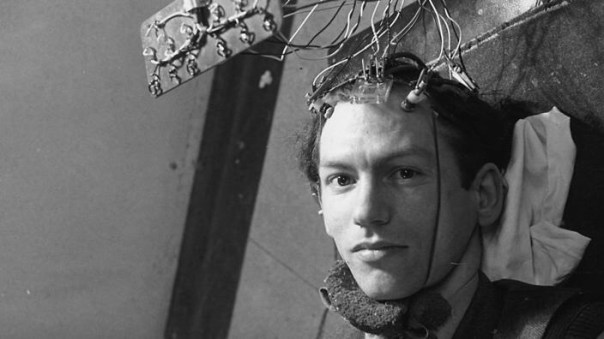
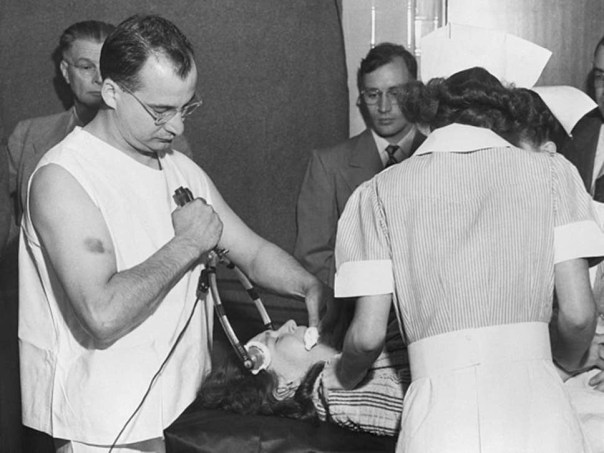
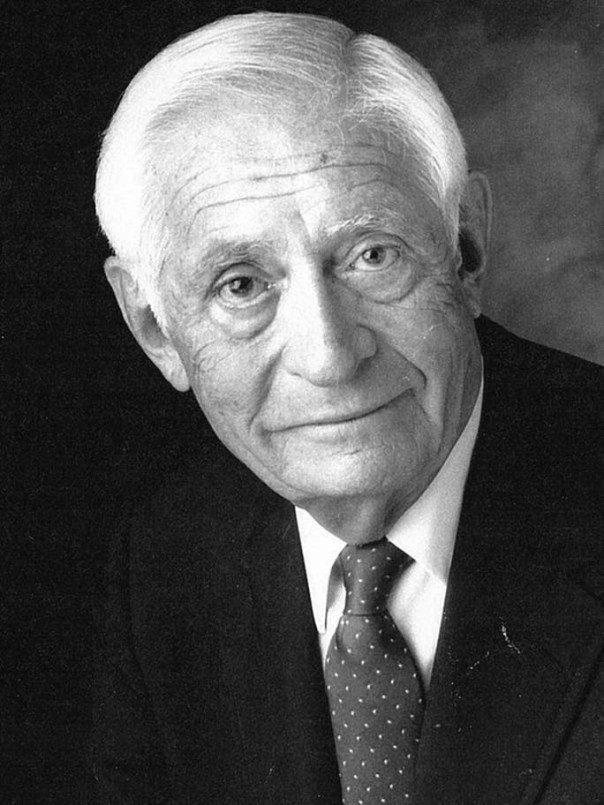
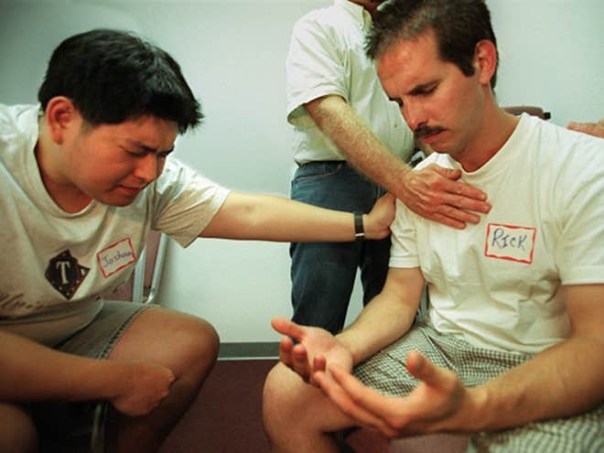
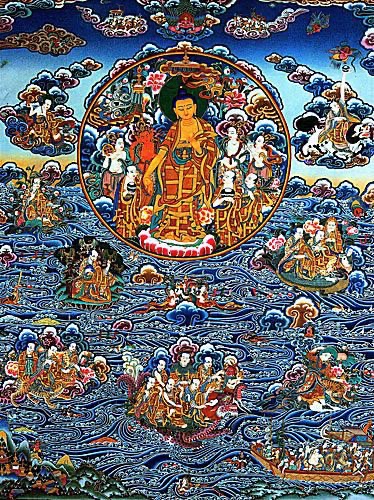

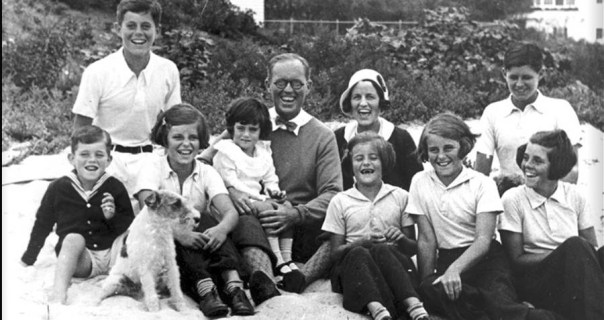







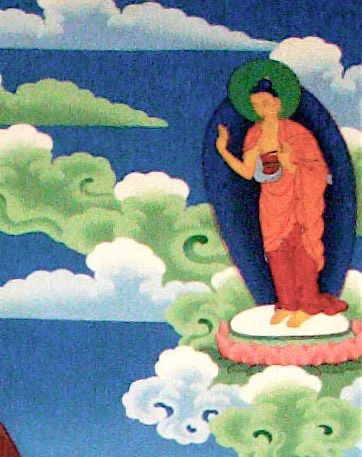


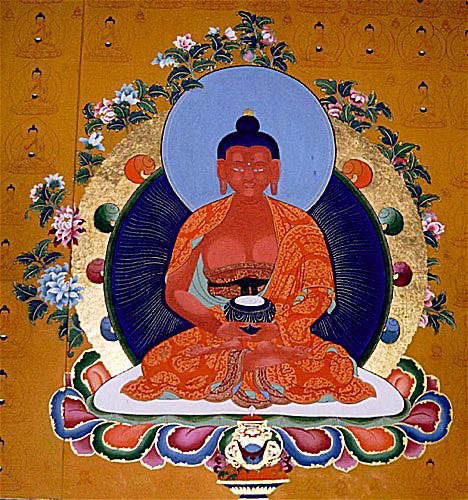
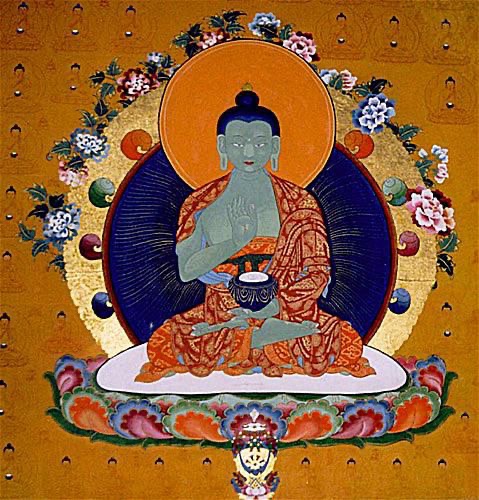

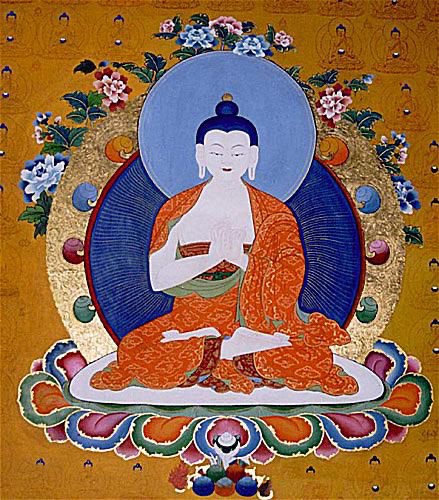




 timalderman