CONVENIENT WORSHIP FROM THE COMFORT OF YOUR OWN HOME
Have you ever been to a temple in Japan and thought, “I wish I had some of this amazingness in my house?” Then the Japanese butsudan 仏壇 is for you.
A butsudan is a small, household Buddhist shrine. Its exterior often resembles a simple cabinet, with two outward opening doors. Of course, they can also exhibit more elaborate and elegant, designs.
The inside is what makes the butsudan so special. It houses a religious icon, namely a Buddhist statue or image. The name-tablets of one’s ancestors are harmoniously positioned alongside it. A plethora of religious items called butsugu are also arranged inside.
The butsudan is actually unique to Japan. No other Buddhist countries partake in this practice (except some Mongolians). Because there are so many temples in other Asian countries, people don’t need to make altars in their homes.
Wait a minute. There are a lot temples in Japan too! Why do Japanese people need an altar in their own homes? When did this custom start? Let’s uncover the mystery of the Japanese butsudan.
WHAT IS A BUTSUDAN?
The butsudan actually has its origins in ancient India. Practitioners of early Buddhism made a platforms of mud and venerated gods there. It wasn’t long before roofs were added to shelter the platforms from rain and wind. It’s said that this is the origin of temples.
Buddhism eventually made its way to Japan via China, where it took off.
On March 27, 685, the Japanese Emperor Tenmu issued an edict. It stated that each family in every country (pretty presumptious of him, eh?) must make a Buddhist altar that holds a statue of Buddha and the Buddhist scriptures and conduct prayer and memorial services in front of it.
The 27th day of each month was designated as “Butsudan Day” by the Zen-Nihon-Shuukyou-Yougu-Kyoudoukumiai (全日本宗教用具協同組合), which literally means “Japan’s Religious Utensil Dealer Cooperative.”
And that’s where butsudan came from. Right?
Wrong!
The current butsudan is not directly descended from the above-mentioned imperial edict. So how did the current butsudan come to be? There are actually two theories.
Some of the nobility had their own jubitsudou 持仏堂. This a private place where a Buddha statue and ancestor tablets were kept. During the Nara period, the arrangement of items was set up in a small building outside of the house. However, it only began to be placed inside the house during the Heian period.
For example, Fujiwara-no-Yorimichi (藤原頼通, 992 – 1074) had Byoudouin-Hououdou (平等院鳳凰堂, Phoenix Hall of Byodoin temple). Ashikaga Yoshimitsu (足利義満, 1368-1394) had Rokuonji (鹿苑寺 Kinkakuji temple). These massive complexes acted as their own personal jibutsudou.
According to famed historian Takeda Choshu (竹田聴洲, 1916 – 1980), the above mentioned jibutsudou was eventually made into the smaller butsuma 仏間, which means “a room for Buddha.” It was further reduced into what we now know to be a butsudan, so that it could be put indoors.
Tamadana 魂棚 literally means a soul shelf. In practice, it is an altar to greet spirits of ancestors and the recently deceased during Obon. While its shape varies by region and period, one example is a board affixed to four upright corner pillars made of bamboo or wood. With this image in mind, it’s not surprising to learn that people often used tea tables instead.
The father of native Japanese folklorists, Yanagida Kunio (柳田國男, 1875 – 1962), claims that the tamadana birthed the modern bustudan. It transitioned from its temporary Bon festival usage to a place of permanent installation and eventually became the butsudan.
Although there are two theories, the first theory is regarded as the more likely of the two.
In the Muromachi period (1336 – 1537), the eighth head of Hongan-ji temple was named Rennyo 蓮如. He restored the Jodo Shinshu sect and gave his followers scrolls with the script namuamidabutsu 南無阿弥陀仏, which is an homage to the Buddha of infinite light and life. He encouraged them to enshrine the scrolls in their own butsudan.
When they made their own butsudan, they imitated what was found in the head temple of their respective sect and made it out of gold. This paved the way for the current kin-butsudan, which literally means golden butsudan.
The Jodo Shinshu sect set many standard rules regarding the butsudan. Even now, the sect says the principal image of a butsudan should be a hanging scroll acquired from the head temple of a family’s ancestral temple.
Eventually, butsudan spread outside the Jodo Shinshu sect as family mortuary tablets became common.
In the Edo period, the Shogunate created a system called terauke-seido (寺請制度 ) in which a Buddhist temples certified people as members of their temple. This new system forced individuals to choose a specific temple for their family and support it. To demonstrate membership to the temple, each family had to install a household butsudan for morning and evening worship. Additionally, they were asked to invite a family temple priest to hold memorial services to commemorate the anniversaries of their ancestors’ deaths.
This custom became widespread among commoners and the butsudan became an integral part of Japanese family life.
The arrangement and types of items in and around the butsudan vary depending on sect and the size of butsudan.
A butsudan usually has doors with an embellishment of a temple gate and three stairs. The highest stair is called shumidan 須弥壇 and is reserved for the most important butsudan item, specifically a Buddha statue. The area above shumidan is called kyuuden 宮殿 and is considered the holy place. It is the area within the butsudan that must be occupied by the Buddha statue, which tipically rests on the shumidan. Alternatively there could be an image of Buddha placed on the back wall of the butsudan, occupying the holy place.
An accompanying statue or image of Buddha is placed on one side of the butsudan and the founder of the respective sect is placed on the other side. There is a vast array of items (butsugu) that could be placed in the butsudan. But it would take up a lot of space in this article, so I’ll skip those today
While there are many things inside a butsudan, there are also some things that don’t belong.
“Officially,” photographs should not be placed inside. Neither should certificates, trophies, or lottery tickets because a butsudan is not a place to expect benefits. Despite this, many people put these things in their butsudan. In fact, my family in Japan places stuff like this in their butsudan all the time.
I once asked my mom why we place things like that in our butsudan, and she said it was to let our ancestors know how we are doing. Although I’m not sure if my ancestors can actually see that stuff, I guess it can’t be completely wrong since the butsudan is used to pray to your ancestors anyway.
According to research conducted by いい仏壇.com in June, 2011, most people pay between 100,000 to 500,000 yen for their butsudan (about US $1,000 – $5,000). While not the majority, a staggering 20% people paid over 500,000 yen for theirs. Even more impressive is that 1.2% of the people paid over 2,000,000 yen.
NICONICO DOUGA’S BUTSUDAN INCIDENT
Considering only one percent of people pay more than 2 million yen for a butsudan, 63 million yen seems completely ludicrous!
Someone on Niconico Douga, a Japanese video sharing website, bought a butsudan for 63,000,000 yen (about $630,000)!
This incident occurred on August 7, 2008. It went for a price never before seen. Before this, the product which made the most money on the Niconico Douga online market was Hatsune Miku vocaloid software which sold for 28,900,000 yen. Of course, this is an aggregated price of everyone who ever bought that product, so naturally it would be that high.
The butsudan not only broke the record and doubled that number, it did it with one sale. Everyone thought that the overpriced butsudan was a joke. More surprisingly, the exact same butsudan was sold again the next day for the same price! This, of course, became huge news.
Niconico market only counted it as a sale after the product was shipped. This was to make sure it wasn’t a fake order. Letting the time lapse on the site’s cancelation/shipping agreement makes this a possibility.
Once it was shipped, the sale of those two butsudans was finalized.
On August 11, one more was sold, as well as a 62,000,000 yen butsudan. On August 15, another one was sold. The world never ceases to amaze.
However, on August 18, the butsudan shop which originally posted the butsudan in question, announced they filed a police report about fake orders. They wanted to identify the criminal and demand compensation. The following day, two more 63,000,000 yen butsudan were sold. The butsudan posting was deleted on August, 24th. It seems likely that they could have all been fake orders, but nobody knows if every single one was. It’s possible that some of them were jokes and others, likely fewer, were real. At any rate, even if one was real, buying such an expensive item online is pretty ridiculous.
No matter the price of the butsudan, buying one online is pretty crazy. We’re talking artisan craftsmanship here. These things are gorgeous and ornate. Not something you really want shipped in a box.
There are lots of places to buy butsudan in Japan. But probably the most unique is in Kanagawa. You can buy butsudan in a drive-thru. No, マクド didn’t start selling butsudan. This is a real place where you can shop for butsudan from your car.
I went there to explore this unique butsudanery (not a real word, but it sounds nice). Check out the travel post later this week. Until then…
WHAT IS A BUTSUDAN? and WHY ARE PEOPLE PAYING $630,000 for THEM? Tofugu, 24 June 2015, by 1686 WORDS WRITTEN BY MAMI SUZUKI • ART BY AYA FRANCISCO https://www.tofugu.com/japan/butsudan/
For the first 15 years of his life, Ben Shenton lived in a doomsday cult that thought the world would soon end. Instead the police arrived one day and plunged him into a new and unfamiliar world… the real one.
Tucked away in their home on the shores of Australia’s Lake Eildon, behind heavy foliage and barbed wire, seven children in matching outfits and bleached blonde haircuts were finishing their morning hatha yoga practice when they heard a commotion on the stairs.
Suddenly uniformed police officers stormed into the room and gathered the children up. Moments later they whisked them away from the five-acre compound, into a new reality that would take 15-year-old Ben Shenton years to fully understand.
Up to that moment in August 1987, his world had been shaped by Anne Hamilton-Byrne, a glamorous and charismatic yoga instructor who, in the late 1960s, had persuaded her followers to join a cult she called The Family. Members believed that Anne was the reincarnation of Jesus Christ and that when the world ended they would be responsible for re-educating the survivors.
Anne Hamilton-Byrne
Ben and the other children were told that Anne was their mother. She taught them to avoid outsiders and if any approached them – on the shore of the lake perhaps – to follow the mantra Unseen, Unheard, Unknown. “It was very much a thing of: you do not tell any outside person who is not a sect member anything,” Ben says. “If I had any interaction with them, I would check through what I said to make sure that I hadn’t revealed anything.”
Members of Anne’s inner circle, known as “aunties”, helped look after Ben and the other children. They woke at 5am in dormitory-style rooms and followed an unchanging routine: yoga, meditation, lessons, yoga, meditation, homework, bed. Though there were only a handful of children when the police arrived in 1987, there had once been 28 of them.
They ate meagre vegetarian meals and were frequently punished. “Aunties” held children’s heads under water and hands above candles to the point of burning, while Anne, when she wasn’t away travelling, sometimes beat them with her stiletto heels.
“Watching it was enough to leave some serious emotional scarring,” Ben says. The atmosphere was one of “naked fear”.
Lake Eildon
One way Anne exerted control over the cult members was through drugs. Children were kept on a steady stream of sedatives such as Mogadon and Valium. Adults and older teenagers were obliged to take LSD at regular ceremonies called “clearings”; Anne thought that by this means she could strengthen her followers’ devotion to her.
While Ben did not enjoy his upbringing, it was all he knew. “When you create a reality for a child, they have no reference points,” he says. “There was no competing narrative.”
That instantly changed the day the police arrived.
Lying in bed that first night away from Lake Eildon, Ben combed through everything he had said that day, making sure he had divulged nothing that could get him in trouble. Suddenly, he realised – it didn’t matter any more. He was not returning to Anne. “I think for the first time in my life, I realised I was free,” he says.
But then the real work began.
Ben learned that his mother was not Anne, but an “auntie” he disliked named Joy. The children were not his brothers and sisters – some were the children of other cult members, others were orphans Anne had adopted. He was 15, not 14 as he had been told. And of course Anne was not the reincarnation of Christ.
“Now I’m trying to work out, ‘Well, this world I’m in, what are its rules? How do I function, what do I do?'” he says.
At school, Ben struggled to fit in. When three of the more popular boys tried to take him under their wing, he pushed them away. That wasn’t surprising – children in The Family who showed signs of bonding were quickly separated, so friendship was something he hadn’t experienced. But even if he had, it would have been hard enough to relate to his schoolmates. “Often when you build a friendship with someone, you have common grounds, common interests or common opinions on things,” Ben says. “I had none of that.”
Ben Shelton as a teenager, after he was rescued from the family
Ben struggled with depression and suicidal thoughts, reaching breaking point one night in 1988 during a school trip around central Australia. He was in tears when his teacher approached him, and reminded him that the other children had known each other since early childhood. “It’s going to take time. You’re going to have to learn how to relate to them,” he said. “They’re open to that, but job’s on you.”
Ben took this advice to heart. He began studying the way other people behaved, analysing the outcome of their actions, and drawing conclusions.
At the same time, he moved out of the children’s home and into a foster home, and started going to church. He began to feel increasingly at home in the new world. Eventually, he married and had two children, now aged 18 and 20. And he got a job at IBM, where he has remained for 22 years.
Along the way, Ben grew close to his grandmother – his mother’s mother – and would stop by her house often. His mother, Joy, lived overseas but also visited her mother whenever she came to town. In 2006, by chance, the two of them called on Ben’s grandmother at the same time.
Anne Hamilton-Byrne and her husband arriving at court in Melbourne in 1993
They hadn’t spoken since Ben first learned Joy was his mother nearly two decades earlier. At that point, Joy told Ben she wanted nothing to do with him. He remembers her saying: “Don’t ever bother turning up at my doorstep, I’ll slam the door in your face.”
But Joy had mellowed, and religion had taught Ben forgiveness. “She had given Anne her word not to connect with me,” he says. “That didn’t mean there was no concern, desire to have a relationship or love.”
Joy had remained close to Anne, the founder of the cult, but from then on she kept in touch with Ben too.
Ben Shenton today
While visiting Ben in 2012, Joy asked him a surprising question: would he go with her to visit Anne? By this stage, Anne was living in a care home and was being treated for dementia. She had never spent any time in jail. In fact, the only punishment she received was a $5,000 fine for falsifying papers for three of the children. There hadn’t been sufficient evidence to charge her with anything else.
Ben complied with Joy’s request, partly out of curiosity. But while Anne welcomed Joy warmly, she showed no recognition of Ben. As he leafed through a photograph album in her room, he quickly realised it was full of images from his childhood.
That was the last time he saw her. Anne died in June this year at the age of 97.
Although Ben says he won’t be “dancing on her grave” he felt a sense of release after her death. It’s his view that she remained engulfed in her own fantasies, and never had any regrets.
“Seeing her create a lie, perpetuate a lie and damage people… I knew that she was probably beyond what we call repentance,” he says.
Ben Shenton (far right) with other children raised by The Family
All of the children of The Family suffered various degrees of damage, Ben says. With his steady job, wife and two children, he considers himself lucky.
Today he is looking to the future.
He has started a website, Rescue the Family, to educate people on cults, totalitarian organisations and the freedom of the will. He is also writing a book, Life Behind the Wire, which recounts lessons he learned from his childhood about the dangers of cult thinking.
“You try to unpack what happened and why, and make sense of it all,” he says.
Gangtey Gonpa is a major Nyingmapa monastery in Bhutan.stull177/CC BY 2.0/ Wikimedia Commons
The Nyingma school, also called Nyingmapa, is the oldest of the schools of Tibetan Buddhism. It was established in Tibet during the reign of the Emperor Trisong Detsen (742-797 CE), who brought the tantric masters Shantarakshita and Padmasambhava to Tibet to teach and to found the first Buddhist monastery in Tibet.
Buddhism had been introduced to Tibet in 641 CE, when the Chinese Princess Wen Cheng became the bride of the Tibetan King Songtsen Gampo. The princess brought with her a statue of the Buddha, the first in Tibet, which today is enshrined in the Jokhang Temple in Lhasa. But the people of Tibet resisted Buddhism and preferred their indigenous religion, Bon.
According to Tibetan Buddhist mythology, that changed when Padmasambhava called forth the indigenous gods of Tibet and converted them to Buddhism. The fearsome gods agreed to become dharmapalas, or dharma protectors. From then on, Buddhism has been the principal religion of the Tibetan people.
The construction of Samye Gompa, or Samye Monastery, probably was completed about 779 CE. Here Tibetan Nyingmapa was established, although Nyingmapa also traces its origins to earlier masters in India and in Uddiyana, now the Swat Valley of Pakistan.
Padmasambhava is said to have had twenty-five disciples, and from them a vast and complex system of transmission lineages developed.
Nyingmapa was the only school of Tibetan Buddhism that never aspired to political power in Tibet. Indeed, it was uniquely disorganized, with no head overseeing the school until modern times.
Over time, six “mother” monasteries were built in Tibet and dedicated to Nyingmapa practice. These were Kathok Monastery, Thupten Dorje Drak Monastery, Ugyen Mindrolling Monastery, Palyul Namgyal Jangchup Ling Monastery, Dzogchen Ugyen Samten Chooling Monastery, and Zhechen Tenyi Dhargye Ling Monastery. From these, many satellite monasteries were built in Tibet, Bhutan and Nepal.
Dzogchen
Nyingmapa classifies all Buddhist teachings into nine yanas, or vehicles. Dzogchen, or “great perfection,” is the highest yana and the central teaching of the Nyingma school.
According to Dzogchen teaching, the essence of all beings is a pure awareness. This purity (ka dog) correlates to the Mahayana doctrine of sunyata. Ka dog combined with natural formation—lhun sgrub, which corresponds to dependent origination—brings about rigpa, awakened awareness. The path of Dzogchen cultivates rigpa through meditation so that rigpa flows through our actions in everyday life.
Dzogchen is an esoteric path, and authentic practice must be learned from a Dzogchen master. It is a Vajrayana tradition, meaning that it combines use of symbols, ritual, and tantric practices to enable the flow of rigpa.
Dzogchen is not exclusive to Nyingmapa. There is a living Bon tradition that incorporates Dzogchen and claims it as its own. Dzogchen is sometimes practiced by followers of other Tibetan schools. The Fifth Dalai Lama, of the Gelug school, is known to have been devoted to Dzogchen practice, for example.
Nyingma Scriptures: Sutra, Tantra, Terma
In addition to the sutras and other teachings common to all schools of Tibetan Buddhism, Nyingmapa follows a collection of tantras called the Nyingma Gyubum. In this usage, tantra refers to teachings and writings devoted to Vajrayana practice.
Nyingmapa also has a collection of revealed teachings called terma. Authorship of the terma is attributed to Padmasambhava and his consort Yeshe Tsogyal. The terma were hidden as they were written because people were not yet ready to receive their teachings. They are discovered at the appropriate time by realized masters called tertons, or treasure revealers.
Many of the terma discovered so far have been collected in a multi-volume work called the Rinchen Terdzo. The most widely known terma is the Bardo Thodol, commonly called the “Tibetan Book of the Dead.”
Unique Lineage Traditions
One unique aspect of Nyingmapa is the “white sangha,” ordained masters and practitioners who are not celibate. Those who live a more traditionally monastic, and celibate, life are said to be in the “red sangha.”
One Nyingmapa tradition, the Mindrolling lineage, has supported a tradition of women masters, called the Jetsunma lineage. The Jetsunmas have been daughters of Mindrolling Trichens, or heads of the Mindrolling lineage, beginning with Jetsun Mingyur Paldrön (1699-1769). The current Jetsunma is Her Eminence Jetsun Khandro Rinpoche.
Nyingmapa in Exile
The Chinese invasion of Tibet and the 1959 uprising caused the heads of the major Nyingmapa lineages to leave Tibet. Monastic traditions re-established in India include Thekchok Namdrol Shedrub Dargye Ling, in Bylakuppe, Karnataka State; Ngedon Gatsal Ling, in Clementown, Dehradun; Palyul Chokhor Ling, E-Vam Gyurmed Ling, Nechung Drayang Ling, and Thubten E-vam Dorjey Drag in Himachal Pradesh.
Although the Nyingma school had never had a head, in exile a series of high lama have been appointed to the position for administration purposes. The most recent was Kyabjé Trulshik Rinpoche, who died in 2011.
Reference
O’Brien, Barbara. “The Nyingmapa School.” Learn Religions, Aug. 25, 2020, learnreligions.com/nyingma-school-450169.
People often think of the current Dalai Lama who travels the world as the highly visible spokesman for Buddhism as THE Dalai Lama, but in reality, he is the only most recent in a long line of leaders of the Gelug branch of Tibetan Buddhism. He is considered to be a tulku–a reincarnation of Avalokitesvara, the Bodhisattva of Compassion. In Tibetan, Avalokitesvara is known as Chenrezig.
In 1578 the Mongol ruler Altan Khan gave the title Dalai Lama to Sonyam Gyatso, third in a line of reborn lamas of the Gelug school of Tibetan Buddhism. The title means “ocean of wisdom” and was given posthumously to Sonyam Gyatso’s two predecessors.
In 1642, the 5th Dalai Lama, Lobsang Gyatso, became the spiritual and political leader of all of Tibet, an authority passed on to his successors. Since that time the succession of Dalai Lamas has been at the center of both Tibetan Buddhismand the history of the Tibetan people.
01: Gedun Drupa, the 1st Dalai Lama
Gendun Drupa, the First Dalai Lama. Public Domain
Gendun Drupa was born to a nomadic family in 1391 and died in 1474. His original name was Pema Dorjee.
He took novice monk’s vows in 1405 at Narthang monastery and received full monk’s ordination in 1411. In 1416, he became a disciple of Tsongkhapa, the founder of the Gelugpa School, and eventually became Tsongkhapa’s principle disciple. Gendun Drupa is remembered as a great scholar who wrote a number of books and who founded a major monastic university, Tashi Lhunpo.
Gendun Drupa was not called “Dalai Lama” during his lifetime, because the title did not yet exist. He was identified as the first Dalai Lama several years after his death.
02: Gendun Gyatso, the 2nd Dalai Lama
Gendun Gyatso was born in 1475 and died in 1542. His father, a well-known tantric practitioner of the Nyingma school, named him Sangye Phel and gave the boy a Buddhist education.
When he was 11 years old, he was recognized as an incarnation of Gedun Drupa and enthroned at Tashi Lhunpo monastery. He received the name Gendun Gyatso at his monk’s ordination. Like Gedun Drupa, Gendun Gyatso would not receive the title Dalai Lama until after his death.
Gedun Gyatso served as abbot of Drepung and Sera monasteries. He is also remembered for reviving the great prayer festival, the Monlam Chenmo.
03: Sonam Gyatso, the 3rd Dalai Lama
Sonam Gyatso was born in 1543 to a wealthy family living near Lhasa. He died in 1588. His given name was Ranu Sicho. At the age of 3 he was recognized to be the reincarnation of Gendun Gyatso and was then taken to Drepung Monastery for training. He received novice ordination at the age of 7 and full ordination at 22.
Sonam Gyatso received the title Dalai Lama, meaning “ocean of wisdom,” from the Mongolian king Altan Khan. He was the first Dalai Lama to be called by that title in his lifetime.
Sonam Gyatso served as abbot of Drepung and Sera monsteries, and he founded Namgyal and Kumbum monasteries. He died while teaching in Mongolia.
04: Yonten Gyatso, the 4th Dalai Lama
Yonten Gyatso was born in 1589 in Mongolia. His father was a Mongol tribal chief and a grandson of Altan Khan. He died in 1617.
Although Yonten Gyatso was recognized to be the reborn Dalai Lama as a small child, his parents did not allow him to leave Mongolia until he was 12. He received his early Buddhist education from lamas visiting from Tibet.
Yonten Gyatso finally came to Tibet in 1601 and soon after took novice monk’s ordination. He received full ordination at the age of 26 and was abbot of Drepung and Sera monasteries. He died at Drepung monastery only a year later.
Ngawang Lobsang Gyatso was born in 1617 to a noble family. His given name was Künga Nyingpo. He died in 1682.
Military victories by the Mongol Prince Gushi Kahn gave control of Tibet to the Dalai Lama. When Lobsang Gyatso was enthroned in 1642, he became the spiritual and political leader of Tibet. He is remembered in Tibetan history as the Great Fifth.
The Great Fifth established Lhasa as the capital of Tibet and began construction of Potala Palace. He appointed a regent, or desi, to handle the administrative duties of governing. Before his death, he advised the Desi Sangya Gyatso to keep his death a secret, possibly to prevent a power struggle before a new Dalai Lama was prepared to assume authority.
Tsangyang Gyatso was born in 1683 and died in 1706. His given name was Sanje Tenzin.
In 1688, the boy was brought to Nankartse, near Lhasa, and educated by teachers appointed by the Desi Sangya Gyatso. His identity as the Dalai Lama was kept secret until 1697 when the death of the 5th Dalai Lama finally was announced and Tsangyang Gyatso was enthroned.
The 6th Dalai Lama is most remembered for renouncing monastic life and spending time in taverns and with women. He also composed songs and poems.
In 1701, a descendant of Gushi Khan named Lhasang Khan killed Sangya Gyatso. Then, in 1706 Lhasang Khan abducted Tsangyang Gyatso and declared that another lama was the real 6th Dalai Lama. Tsangyang Gyatso died in Lhasang Khan’s custody.
The lama who had replaced Tsangyang Gyatso as Sixth Dalai Lama was still enthroned in Lhasa, so Kelzang Gyatso’s identification as 7th Dalai Lama was kept secret for a time.
A tribe of Mongol warriors called the Dzungars invaded Lhasa in 1717. The Dzungars killed Lhasang Kahn and deposed the pretender 6th Dalai Lama. However, the Dzungars were lawless and destructive, and the Tibetans appealed to the Emperor Kangxi of China to help rid Tibet of the Dzungars. Chinese and Tibetan forces together expelled the Dzungars in 1720. Then they brought Kelzang Gyatso to Lhasa to be enthroned.
Kelzang Gyatso abolished the position of desi (regent) and replaced it with a council of ministers.
08: Jamphel Gyatso, the 8th Dalai Lama
Jamphel Gyatso was born in 1758, enthroned at Potala Palace in 1762 and died in 1804 at the age of 47.
During his reign, a war broke out between Tibet and the Gurkhas occupying Nepal. The war was joined by China, which blamed the war on a feud among lamas. China then attempted to change the process for choosing the rebirths of lamas by imposing the “golden urn” ceremony on Tibet. More than two centuries later, the current government of China has re-introduced the golden urn ceremony as a means of controlling the leadership of Tibetan Buddhism.
Jamphel Gyatso was the first Dalai Lama to be represented by a regent while he was a minor. He completed the building of Norbulingka Park and Summer Palace. By all accounts a quiet man devoted to meditation and study, as an adult he preferred to let others run the government of Tibet.
09: Lungtok Gyatso, the 9th Dalai Lama
Lungtok Gyatso was born in 1805 and died in 1815 before his tenth birthday from complications from a common cold. He was the only Dalai Lama to die in childhood and the first of four that would die before the age of 22. His reincarnated successor would not be recognized for eight years.
10: Tsultrim Gyatso, the 10th Dalai Lama
Tsultrim Gyatso was born in 1816 and died in 1837 at the age of 21. Though he sought to change the economic system of Tibet, he died before being able to enact any of his reforms.
11: Khendrup Gyatso, the 11th Dalai Lama
Khendrup Gyatso was born in 1838 and died in 1856 at the age of 18. Born in the same village as the 7th Dalai Lama, he was recognized as the reincarnation in 1840 and assumed full power over the government in 1855–only a year before his death.
12: Trinley Gyatso, the 12th Dalai Lama
Trinley Gyatso was born in 1857 and died in 1875. He assumed full authority over the Tibetan government at the age of 18 but died before his 20th birthday.
Thubten Gyatso, the 13th Dalai Lama. Public Domain
Thubten Gyatso was born in 1876 and died in 1933. He is remembered as the Great Thirteenth.
Thubten Gyatso assumed leadership in Tibet in 1895. At that time Czarist Russia and the British Empire had been sparring for decades over control of Asia. In the 1890s the two empires turned their attention eastward, to Tibet. A British force invaded in 1903, leaving after extracting a short-lived treaty from the Tibetans.
His Holiness the Dalai Lama at the Tsuklag Khang Temple on March 11, 2009 in Dharamsala, India. The Dalai Lama attended proceedings marking 50 years of exile in Mcleod Ganj, the seat of the exiled Tibetan government near the town of Dharamsala.Daniel Berehulak/Getty Images
Tenzin Gyatso was born in 1935 and recognized as the Dalai Lama at the age of three.
China invaded Tibet in 1950 when Tenzin Gyatso was only 15. For nine years he attempted to negotiate with the Chinese to save the Tibetan people from the dictatorship of Mao Zedong. However, the Tibetan Uprising of 1959 forced the Dalai Lama into exile, and he has never been allowed to return to Tibet.
The 14th Dalai Lama established a Tibetan government in exile in Dharamsala, India. In some ways, his exile has been to the world’s benefit, since he has spent his life bringing a message of peace and compassion to the world
The 14th Dalai Lama was awarded a Nobel Peace Prize in 1989. In 2011 he absolved himself of political power, although he is still the spiritual leader of Tibetan Buddhism. Future generations are likely to regard him in the same light as the Great Fifth and the Great Thirteenth for his contributions to spreading the message of Tibetan Buddhism to the world, thereby saving the tradition.
Reference
O’Brien, Barbara. “The 14 Dalai Lamas from 1391 to Present.” Learn Religions, Aug. 25, 2020, learnreligions.com/succession-of-dalai-lamas-450187.
A closer look at the doomsday group at the center of the new docuseries Heaven’s Gate: Cult of Cults—and why organizations like it (hello, QAnon) have long found a welcoming home in the United States.
COURTESY OF HBO MAX.
A little more than two weeks after 39 bodies were discovered in a Rancho Santa Fe, California, mansion in 1997, the dead were being mocked onSaturday Night Live.Will Ferrellplayed Marshall Applewhite, the leader of the Heaven’s Gate cult, transmitting from outer space as if he and his followers had successfully boarded the alien spacecraft they believed trailed the Hale-Bopp comet—and had tried to reach by ingesting phenobarbital, then wrapping plastic bags around their heads.
A clip from the sketch appears in the fourth and final episode ofHeaven’s Gate: The Cult of Cults,a new documentary series on HBO Max. While researching the cult and its grisly conclusion, directorClay Tweelwas surprised by the glut of punch lines. “This is suicide. This is dark. Within days, they were the butt of so many jokes,” he said in an interview.
For years, the members of Heaven’s Gate were discounted as kooks. The HBO Max series, and the 2018 podcast byGlynn Washingtonon which it’s based, push back against that assessment with an in-depth, empathetic investigation into the group’s 22-year journey from innocuous New Age movement to isolated doomsday cult.
Through interviews with scholars, former cult members, and children of the deceased, viewers gain an understanding of how these 39 people came to believe a UFO was swinging by to take them to heaven, and why they needed to shed their earthly vehicles in order to hitch the ride. The series also contextualizes Heaven’s Gate as an offshoot of a far more familia phenomenon: Christian apocalypticism.
Applewhite, the son of a Presbyterian minister, founded the group with Bonnie Nettles. They believed they were the two witnesses mentioned in the Book of Revelation, and that their bodies would literally transform into ascended beings when they were picked up by the UFO. Later, Applewhite determined he was the second coming of Jesus—and that the turn of the millennium was the time to take his group to the “next level,” as they called it.
Heaven’s Gate developed in the mid 1970s, around the time of the end of the Vietnam War and Nixon impeachment. Times of turmoil, transition, and uncertainty are often accompanied by increases in apocalyptic movements, saidLorne Dawson, professor of sociology and religious studies at the University of Waterloo. “People lose their sense of bearing in the world, and then the apocalyptic scenario provides a clean, simple answer.” For example: God has a plan; there’s a clear demarcation between who’s good and evil; following a specific set of behaviors will ensure that good triumphs; and since it’s God’s plan, extreme actions are justified.
The public clings to its own beliefs that doomsday cult members are outliers—that getting suckered into one would never happen to me. In truth, though, most of us are much closer to embracing those beliefs than we think. The Pilgrims and Puritans, for instance, were apocalyptic thinkers themselves. Overt doomsday groups have proliferated in America since at least as far back as Johannes Kelpius’s Society of the Woman in the Wilderness—which believed the world would end in 1694. “Part of the vision was to go to the new promised land,” Dawson said. “It’s all in the early discourse: the destiny of America to be a special nation that will save the world.”
Tweel started makingHeaven’s Gate: The Cult of Cultsin 2018, smack in the middle of another time of turmoil, transition, and uncertainty. While watching the news, he heard echoes of the scholars he was interviewing for the film: the scenario of one leader claiming to have sole access to truth, that everything else is fake news and only he knows what’s really going on, and that he’s the only person who can fix anything. “As the cult of personality aroundDonald Trumphas grown, the parallels become stronger,” he said.
Although the series does not address current events, the present social and political division were part of what motivated Tweel to clarify the group’s extreme beliefs. “Seeing other people’s ideas broken down to something [viewers] can relate to is important,” he said. Recent phenomena like QAnon share disturbing similarities with the doomsday groups that have preceded them, including Heaven’s Gate. “The same language is there,” Dawson said. “‘Trust the plan. Enjoy the show.’ The idea that it’s all about to wrap up and the bad guys will be punished. Trump is a Messiah figure here to drain the swamp.”
These groups have rarely ended in violence; often, when a predicted end date passes without consequence, followers simply disperse. But sometimes they dig in their heels. InHeaven’s Gate: Cult of Cults, religion scholarReza Aslanexplains the theory of cognitive dissonance as it applies to failed prophecies. Basically, since the brain doesn’t like holding contradictory beliefs, it will bring divergent ideas back into consonance—either by accepting that a prophecy was false, or by creating an explanation for why the end will come later instead or in a different way. The latter happened in the case of Heaven’s Gate.
In 1985 Nettles succumbed to cancer. How can a body turn into an alien if the body no longer exists? “When Nettles dies, it undermines the entire point of the bodily transformation,” Aslan says in the series. “And now it’s a spiritual transformation. We are going to leave our bodies behind.” He speculates that the group would not have ended in mass suicide if she’d lived. Just as the members of Heaven’s Gate looked to Applewhite for direction, so Applewhite looked to Nettles. Once he stopped receiving her guidance, the group changed in fundamental, extreme ways.
Such cognitive dissonance is happening now in the QAnon community. Its leader, the anonymous Q, had predicted a red wave—but then Trump lost the election. And QAnon went silent for 11 days. “People were freaking out,” Dawson said, “like, ‘We need our prophetic leader to explain this disconcerting stuff.’” Now it’s been 26 days and counting since a Q drop. Will followers accept the prophecy as false—or dig in their heels? Q, though silent, appears not to have backed down yet. Two of its last three posts include this ominous prediction: “Nothing can stop what is coming.”
7 creepy things we learned about cult leader and former UA teacher Marshall Applewhite
Marshall Applewhite, leader of the Heaven’s Gate cult, is shown in an undated image. Applewhite and 38 followers died in a mass suicide in 1997. They believed they would abandon their “human containers” and their souls would be transported via comet Hale-Bopp, soaring through space to a better and more enlightened place.(AP Photo/APTV)
The story of the Heaven’s Gate cult is bizarre, fascinating and ultimately, extremely sad.
Thirty-nine people, including cult leader Marshall Herff Applewhite, participated in a mass suicide in 1997, convinced that their souls would leave their “human containers” and be transformed into enlightened alien beings. Hitching a ride on comet Hale-Bopp, they would soar through space to a better place, known as “the Next Level.”
For folks back on Earth, though, their demise was baffling as well as tragic. How could anyone believe such a thing? How could anyone go through with it?
News reports of the time attempted to unravel the thinking of the cult, and explain the philosophies espoused by its leader. Applewhite, who died at age 65, evidently was a charismatic figure — an apocalyptic Pied Piper, of sorts — who could convince his followers to leave their homes, abandon their families and adopt a mindset that fused principles of Christian religion with “Star Trek”-style science fiction.
Now, a new documentary series on HBO Max takes another look at the origins, development and shocking culmination of Heaven’s Gate. The four-part series, “Heaven’s Gate: The Cult of Cults,” made its streaming debut on Dec. 3.
The project, directed by Clay Tweel, relies on the testimony of former cult members — some of whom still believe in the concepts Heaven’s Gate espoused — as well as family members and friends of those who died, sociologists, researchers who specialize in alternative religious movements and more.
Viewers in Alabama may have a special interest in the series, courtesy of alink to our state. Applewhite, the cult’s guru, was a former music teacher at the University of Alabama in Tuscaloosa. His tenure at the school was brief — about two years in the early 1960s — and took place about 12 years before Heaven’s Gate was formed.
The new docuseries indicates, however, that Applewhite’s music background played a role in the Heaven’s Gate cult. Also, the traits he exhibited at UA — his talent as a performer, his ability to engage students — were early touchstones on his path to cult leader.
There’s plenty more to unpack in “Heaven’s Gate,” which explores and illuminates about two decades in the cult’s history, roughly 1975-1997. Applewhite looms large, of course, and although viewers aren’t likely to sympathize with him, they’ll certainly know more about his ideas and motivations when the final credits roll.
Here are seven things we learned about Applewhite by watching the series — all of them specific, all important to the cult and all rather creepy in retrospect.
Marshall Applewhite founded the Heaven’s Gate cult in the 1970s with Bonnie Lu Nettles, a nurse with a penchant for mysticism, astrology and New Age philosophies.(Courtesy of HBO Max)
1. Applewhite was a follower before he was a leader.
Applewhite was not the original mastermind of the Heaven’s Gate cult. According to the docuseries, he was recruited by Bonnie Lu Nettles, a nurse he encountered in a Texas hospital in the early 1970s. Nettles had a mystical bent; she was interested in astrology, UFOs and various New Age philosophies.
“I think most people don’t think of (Nettles) as the real leader of the group, but she met (Applewhite) when he was obviously at a vulnerable point,” says sociologist Janja Lalich. “She convinced him that he was her soulmate. (Nettles) really recruited (Applewhite), and (Applewhite) was her follower. … She was very much the force behind the founding of the group, and the way the group functioned.”
Benjamin Zeller, a religious scholar and the author of “Heaven’s Gate: America’s UFO Religion,” agrees.
“She deduces that they are fated to work together on some grand project,” Zeller says in the series. “They are destined to be spiritual partners.”
Nettles and Applewhite grew close, although they were never romantically involved, the docuseries says. After an “awakening” in the mid-70s, they decided they were “the Two,” alien beings in human “vehicles” who would teach others about the Next Level and lead followers into outer space.
Neely Bruce, a composer, performer and former music professor at Wesleyan University, was a student of Marshall Applewhite’s at the University of Alabama. Bruce talks about Applewhite’s time at UA in “Heaven’s Gate: The Cult of Cults.”(Courtesy of HBO Max)
2. Applewhite’s music background was a factor in the cult, where he and Nettles were known as “Do” and “Ti.”
At various points in cult history, Applewhite and Nettles were known as “the Two,” “Bo” and “Peep,” and “Do” and “Ti.” The names “Do” and “Ti” were linked to their fondness for musical theater and in particular, Nettles’ admiration for “The Sound of Music.” The show includes the song “Do-Re-Mi,” performed as the main character, the free-spirited governess Maria, teaches her young charges about the musical scale.
To please Applewhite, Heaven’s Gate members sang their own version of “Do-Re-Mi,” altering the lyrics to suit cult lore. A performance of the tune, “When You Know Ti and Do,” was filmed about three months before the group committed suicide.
“Do’s first love was music,” author Zeller says in the docuseries. “Before he got into religion and spirituality, it was music.”
In the first episode of the series, titled “The Awakening,” composer Neely Bruce, a former student of Applewhite’s, offers his recollections of Applewhite at the University of Alabama.
“It’s very disorienting when you call him Marshall,” Bruce says. “Nobody called him Marshall; everybody called him Herff. So when Herff Applewhite came to the University of Alabama, he didn’t look at all like a professor. He was very casual, very laid-back. There was no hint that all this catastrophe was looming in his future. He had a fantastic voice. He had a lot of charisma. He was such a natural performer. He would have the audience in the palm of his hand.
“But it was widely rumored that he was having an affair with one of the male graduate students, and his father was a very, very hard-nosed Presbyterian minister who did not like the fact that he had a gay son. His wife divorced him. I remember her very well, very nice family,” Bruce says. “Then that seems to put him in a bit of a tailspin, and so on. He left Alabama for Houston. I got a call, telling me that this notorious couple in the news was actually, you know, Herff Applewhite and his former nurse.
“This is the story that I heard: He was going to attempt a career on the opera stage in Houston Grand Opera. He was going to do his biggest role there, which was the role of Olin Blitch. He’s a traveling preacher who seduces Susannah in the opera ‘Susannah.’ He was in rehearsal, and he has some sort of a psychotic episode, and was actually hospitalized,” Bruce says.
At this point, the docuseries indicates, Applewhite had his fateful encounter with Nettles. They forged a strong connection, and a cult was born.
A longtime member of the Heaven’s Gate cult, known as Sawyer, talks about his experiences in the cult in “Heaven’s Gate: The Cult of Cults,” a docuseries on HBO Max.(Courtesy of HBO Max)
3. Applewhite and Nettles gave cult members new names, all of which ended in “ODY.”
New names were part of the cult’s indoctrination, which aimed to separate followers from their previous lives.
“What cults need to do is to turn you into a conformist, to get you to hopefully become a true believer,” sociologist Lalich says in the docuseries. “They need to break down ‘you,’ and create a new you.”
Names chosen for Heaven’s Gate members had six letters: three letters plus “ODY,” all of which were capitalized. Examples included MLLODY, SRRODY, TLLODY, RTHODY, CHKODY and ALXODY.
“Ti and Do said that the Next Level was adopting us into their family,” explains Sawyer, a longtime cult member known as SWYODY(pronounced “soy-oh-dee”). “So the family name was O-D-Y.”
Applewhite and Nettles said the “ODY” names identified their followers as children of the Next Level.
“When we became adults, they would drop the Y so we would be the family of OD,” Sawyer says, “which was like a little Next Level humor, because we were kind of odd.”
Members of the Heaven’s Gate cult wore patches that said “Away Team.” This was a reference to “Star Trek,” indicating their real home was a spaceship, and they would eventually return to it.(Courtesy of HBO Max)
4. Applewhite, in crisis, reformulated the cult’s philosophy after Nettles died in 1985.
Initially, Applewhite and Nettles preached that followers would undergo a biological transformation and become perfect alien beings. (The docuseries compares this to a caterpillar becoming a butterfly.) When the time was right, Applewhite and Nettles said, everyone in the group would physically travel on a UFO to an outer-space version of heaven.
The two said they’d already reached a state of alien perfection, and were now existing in human “vehicles” to help others achieve the miraculous change. Reality intruded, however, when Nettles became ill with cancer. Her death in 1985 — which did not resemble a glorious alien rebirth — was in direct conflict with Heaven’s Gate teachings.
“We were all devastated, most of all Do,” recalls Frank Lyford, a former member known as ANDODY. “How could this happen? This wasn’t supposed to happen. We were all supposed to graduate together.”
To make sense of this, Applewhite altered the cult’s philosophy. He announced that death was actually necessary for the alien transformation. Their souls, not their bodies, would evolve into alien beings and be whisked away to outer-space nirvana. Nettles had left her body behind and was waiting for them.
This crucial shift in thinking, the docuseries says, led to the mass suicide in 1997.
Members of the Heaven’s Gate cult considered themselves to be students in a class led by Bonnie Nettles and Marshall Applewhite, and later by Applewhite alone.(Courtesy of HBO Max)
5. Applewhite, as sole leader of the cult, asked members to marry him in a group ceremony.
Applewhite had always deferred to Nettles and called her the “older member.” She leaned to metaphysical philosophies, and Applewhite followed her lead. But in her absence, Applewhite’s ideas about religion and spirituality came to the fore, and the cult became more biblical in its outlook.
“It’s no more than a decade after her death that Do publicly declares himself Jesus returned to Earth and declares that Ti was the one known as God the Father,” author Zeller says in the docuseries.
Applewhite also designed a loyalty test, asking his followers: If each of you had $100 to spend on yourself, what would you buy? The correct answer, it turned out, was a wedding ring — a simple gold band that symbolized commitment and devotion.
“Do became even more obsessed with control after (Nettles) passed on,” Lyford, a former cult member, says in the docuseries.
“And so he had a little ceremony, to where we were marrying him,” Sawyer says. “He was birthing students into the next level.”
Marshall Applewhite, the leader of the Heaven’s Gate cult, was a former music instructor at the University of Alabama. He’s the key figure in a new docuseries, “Heaven’s Gate: The Cult of Cults,” streaming on HBO Max.(Courtesy of HBO Max)
6. Applewhite and several other members of the cult were castrated.
Heaven’s Gate required its members to adopt a uniform — unisex shirt-and pants ensembles — and a blunt pixie haircut. Sensuality and sexual contact were outlawed, because Next Level aliens were said to be asexual.
“Since we are moving into a world that is genderless, we are doing everything that we can do to not identify with gender,” Applewhite said in a training video.
The concept was heightened after Applewhite took control of the cult — so much so that he said the men of Heaven’s Gate should consider castration. Sex was a powerful drug, Applewhite said, and cult members had to go through a withdrawal process to overcome it.
“Marshall Applewhite didn’t like his homosexuality, so he created a myth around that piece that he didn’t like,” a former cult member says in the docuseries. “He came to a conclusion about his body, that it was abhorrent.”
“Do held a meeting and he said that he had a nocturnal emission, and he was investigating having himself castrated,” Sawyer says in the docuseries. “Would any of you have reservations of having the same procedure done?”
The cult attempted its own castrations, but the first try resulted in a hospital visit for Steven McCarter, known as SRRODY. (Sawyer says he threw SRRODY’s testicles off a pier, to get rid of the evidence.) After that, Sawyer says, the cult found doctors to perform the surgery, and Applewhite was among those who were castrated.
“Eventually, there were, depending on which source you look to, between seven and nine men within the group that had been castrated,” author Zeller says in the docuseries. “But most of the men were not interested in having the surgery done.”
This message on the Heaven’s Gate website announces that members of the cult will soon be leaving for another dimension, as triggered by the appearance of the Hale-Bopp comet.(AL.com file photo)
7. Applewhite committed suicide with his followers, and was not the last to die.
By the mid-1990s, cult membership had dwindled and efforts to recruit others — via a website, radio interviews and other methods — were finding little success. Applewhite decided it was time to leave the planet. The group needed a sign from above, however, and found it in comet Hale-Bopp, which appeared in the sky in 1996 and burned brightly overhead in early 1997.
Rumor had it that a giant spaceship was hiding behind the comet, but the members of Heaven’s Gate said that was irrelevant.
“The joy is that our Older Member in the Evolutionary Level Above Human (the ‘Kingdom of Heaven’) has made it clear to us that Hale-Bopp’s approach is the ‘marker’ we’ve been waiting for — the time for the arrival of the spacecraft from the Level Above Human to take us home to ‘Their World’ — in the literal Heavens,” the Heaven’s Gate website said. “Our 22 years of classroom here on planet Earth is finally coming to conclusion — ‘graduation’ from the Human Evolutionary Level. We are happily prepared to leave ‘this world’ and go with Ti’s crew.”
At this point, members of Heaven’s Gate were living in a large house in Rancho Santa Fe, California. To prompt their exit, Applewhite and 38 followers ingested a lethal concoction of phenobarbital and vodka, mixed into applesauce or pudding.
Their bodies were found by police on March 26, 1997. All cult members were wearing black uniforms and black Nike sneakers with a white swoosh, and most were covered with purple shrouds. Applewhite’s body was separate from the others, lying on a king-size bed in the master bedroom.
According to the docuseries, members of the group “laid down their vehicles” in three shifts on March 23, with each shift cleaning up after the preceding one. Applewhite joined the second group, instead of waiting for all of his followers to die.
“One last thing we’d like to say is, ‘39 to beam up,’ cult member Denise Thurman says in a farewell video.
The dharma wheel, or dharmachakra in Sanskrit, is one of the oldest symbols of Buddhism. Around the globe, it is used to represent Buddhism in the same way that a cross represents Christianity or a Star of David represents Judaism. It is also one of the Eight Auspicious Symbols of Buddhism. Similar symbols are found in Jainism and Hinduism, and it is likely the dharmachakra symbol in Buddhism evolved out of Hinduism.
A traditional dharma wheel is a chariot wheel with varying numbers of spokes. It can be in any color, although it is most often gold. At the center, there may be three shapes swirling together, a yin-yang symbol, a second wheel, or an empty circle.
What the Dharma Wheel Represents
A dharma wheel has three basic parts: the hub, the rim, and the spokes. Over the centuries, various teachers and traditions have proposed diverse meanings for these parts. Here are some common understandings of the wheel’s symbolism:
The circle, the round shape of the wheel, represents the perfection of thedharma, the Buddha’s teaching.
The rim of the wheel represents meditativeconcentrationandmindfulness, which hold practice together.
The hub represents moral discipline. The three swirls often seen on the hub are sometimes said to represent theThree Treasuresor Three Jewels: Buddha, dharma, sangha. They may also represent joy.
The spokes signify different concepts, depending on their number:
When a wheel has eight spokes, the spokes represent theEightfold Path. An eight-spoke wheel is the most common form of the wheel in Buddhism.
When a wheel has ten spokes, the spokes represent the ten directions—in effect, everywhere.
When a wheel has 24 spokes, the spokes represent the Twelve Links of Dependent Origination plus the reversing of the Twelves Links and liberation fromsamsara. A 24-spoke dharma wheel is also called anAshoka Chakra.
When a wheel has 31 spokes, the spokes represent the 31 realms of existence from ancient Buddhist cosmology.
The wheel often has spokes protruding beyond the wheel, which we might imagine are spikes, although usually, they don’t look very sharp. The spikes represent various penetrating insights.
The Ashoka Chakra
Among the oldest existing examples of a dharma wheel are found on the pillars erected by theAshoka the Great(304–232 B.C.E.), an emperor who ruled much of what is now India and beyond. Ashoka was a great patron of Buddhism and encouraged its spread, although he never forced it on his subjects.
Emperor Ashoka the Great. Heritage Images / Getty Images
Ashoka erected enormous stone pillars throughout his kingdom, many of which are still standing. The pillars contain edicts, some of which encouraged people to practice Buddhist morality and nonviolence. There is typically at least one lion on the top of each pillar, representing Ashoka’s rule. The pillars also are decorated with 24-spoke dharma wheels.
In 1947, the government of India adopted a new national flag, in the center of which is a navy blue Ashoka Chakra on a white background.
Other Symbols Related to the Dharma Wheel
Sometimes the dharma wheel is presented in a tableau, supported on a lotus flower pedestal with two deer, a buck, and a doe on either side. This recalls thefirst sermongiven by thehistorical Buddhaafter hisenlightenment. The sermon is said to have been given to five mendicants in Sarnath, a deer park in what is now Uttar Pradesh, India.
According to Buddhist legend, the park was home to a herd of ruru deer, and the deer gathered around to listen to the sermon. The deer depicted by the dharma wheel reminds us that the Buddha taught to save all beings, not just humans. In some versions of this story, the deer are emanations of bodhisattvas.
Typically, when the dharma wheel is represented with deer, the wheel must be twice the height of the deer. The deer are shown with legs folded under them, gazing serenely at the wheel with their noses lifted.
The first turning was the sermon in the deer park, after the Buddha’s enlightenment. Here, the Buddha explained the Four Noble Truths. The second turning was the introduction of the perfection of wisdom teachings on the nature of sunyata (emptiness). The third turning was the introduction of the doctrine of Buddha Nature.
Reference
O’Brien, Barbara. “The Dharma Wheel (Dharmachakra) Symbol in Buddhism.” Learn Religions, Aug. 28, 2020, learnreligions.com/the-dharma-wheel-449956.
The term vajra is a Sanskrit word that is usually defined as “diamond” or “thunderbolt.” It also defines a kind of battle club that achieved its name through its reputation for hardness and invincibility. The vajra has special significance in Tibetan Buddhism, and the word is adopted as a label for the Vajrayana branch of Buddhism, one of the three major forms of Buddhism. The visual icon of the vajra club, along with the bell (ghanta), form a principal symbol of the Vajrayana Buddhism of Tibet.
A diamond is spotlessly pure and indestructible. The Sanskrit word means “unbreakable or impregnable, being durable and eternal”. As such, the word vajra sometimes signifies the lighting-bolt power of enlightenment and the absolute, indestructible reality of shunyata, “emptiness.”
Buddism integrates the word vajra into many of its legends and practices. Vajrasana is the location where the Buddha attained enlightenment. The vajra asana body posture is the lotus position. The highest concentrated mental state is vajra samadhi
Ritual Object in Tibetan Buddhism
Thevajra also is a literal ritual object associated withTibetan Buddhism, also called by its Tibetan name,Dorje. It is the symbol of the Vajrayana school of Buddhism, which is the tantric branch that contains rituals said to allow a follower to achieve enlightenment in a single lifetime, in a thunderbolt flash of indestructible clarity.
The vajra objects usually are made of bronze, vary in size, and have three, five or nine spokes that usually close at each end in a lotus shape. The number of spokes and the way they meet at the ends have numerous symbolic meanings.
In Tibetan ritual, the vajra often is used together with a bell (ghanta). The vajra is held in the left hand and represents the male principle—upaya, referring to action or means. The bell is held in the right hand and represents the female principle—prajna, or wisdom.
A double Dorje, or vishvavajra, are two Dorjes connected to form a cross. A double Dorje represents the foundation of the physical world and is also associated with certain tantric deities.
Tantric Buddhist Iconography
Thevajraas symbol predates Buddhism and was found in ancient Hinduism. The Hindu rain god Indra, who later evolved into Buddhist Sakra figure, had the thunderbolt as his symbol. And the 8th-century tantric master, Padmasambhava, used thevajrato conquer the non-Buddhist gods of Tibet.
In tantric iconography, several figures often hold the vajra, including Vajrasattva, Vajrapani, and Padmasambhava. Vajrasttva is seen in a peaceful pose with the vajra held to his heart. Wrathful Vajrapani wields it as a weapon above his head. When used as a weapon, it is thrown to stun the opponent, and then bind him with a vajra lasso.
Symbolic Meaning of the Vajra Ritual Object
At the center of thevajrais a small flattened sphere which is said to represent the underlying nature of the universe. It is sealed by the syllablehum (hung), representing freedom from karma, conceptual thought, and the groundlessness of all dharmas. Outward from the sphere, there are three rings on each side, which symbolize the three-fold bliss of Buddha nature. The next symbol found on thevajraas we progress outward are two lotus flowers, representing Samsara (the endless cycle of suffering) and Nirvana (release from Samsara). The outer prongs emerge from symbols of Makaras, sea monsters.
The number of prongs and whether they have closed or open tines is variable, with different forms having different symbolic meanings. The most common form is the five-pronged vajra, with four outer prongs and one central prong. These may be considered to represent the five elements, the five poisons, and the five wisdoms. The tip of the central prong is often shaped like a tapering pyramid.
Reference
O’Brien, Barbara. “The Vajra (Dorje) as a Symbol in Buddhism.” Learn Religions, Aug. 27, 2020, learnreligions.com/vajra-or-dorje-449881.
The monk’s robe goes back to the Buddha’s own time for, it was He who introduced it to the early monks. The “triple robe” (tricivara) comprises an inner garment or waistcloth (antaravasaka), an upper robe (uttarsanga) and outer robe (sanghati) (Vin 1:94 289). In addition to these, the nun also wears a vest or bodice (samkacchika) and has a bathing-cloth (udakasatika) (Vin 2:272) which altogether comprise her “fivefold robe”.
The Sutras often mention: “Then early in the forenoon, the Blessed One, having robed himself and taking his bowl and (upper) robe, approach . . . “. Those unfamiliar with monastic ways may wonder if the Buddha only half-dressed on His alms-round.
According to the Buddhist Scriptures and the Commentaries, in the early monastic days, the monks would go out on their alms-round dressed only in their waistcloth which was neatly worn, and carrying their upper robe and bowl in their hands. When the monks were in the vicinity of houses, they would put on their upper robe before going to collect alms.
The waistcloth is about the size of a sarong, both the other robes measure about 2m by 7m (about 6 feet by 9 feet). The Vibhanga says that “A monk should wear the waistcloth even all around, covering the area of the navel and the area of the knees.” It is secured to the waist with a flat waistband.
The third robe, the outer robe (sanghati), is not often mentioned in the Scriptures but was permitted by the Buddha for additional use during the cold season. These robes measure about 2m by 3m (about 6 feet by 9 feet). Unlike the upper robe which is only of one layer, the outer robe has two. This is the real meaning of the term, “the triple robe”.
According to the Pali tradition, six kinds of cloth are allowed for making the upper and outer robes: plant fibres, cotton, silk, animal hair (e.g. wool, but not human), hemp, and a mixture of some or all of them. The Buddha recommended that the robe design should be cut in the pattern of the Magadha padi-fields.
Burmese Nuns Robes
The robe dye is allowed to be obtained from six kinds of substances: roots and tubers, plants, bark, leaves, flowers and fruits. They should be boiled in water for a long time to get the dun dye. Saffron and ochre (from the jackfruit’s heartwood) are the most prevalent colours today. Though there is a tendency amongst forest monks to wear ochre and city monks to wear saffron, but this is not always the rule.
There are a number of ways the monks wear their robes (depending usually on their sect and country). The most universal one is that which is worn for the alms-round when the robe is covering both the shoulders. The two top corners are held together and the edges rolled tightly together. The roll is then pushed over the left shoulder, down the back, under the armpit and is pressed down with the left arm. The roll is parted in front through which protrudes the right arm.
Within the monastery or residence and when having an audience with a more senior monk, a simpler style is adopted (as a gesture of respect and to facilitate work). The right side of the robe is pushed under the armpit and over the robe on the left leaving the right shoulder bare.
The Buddhist monastic robe is so versatile that it can be used, besides what is already mentioned, as a blanket, a seat-spread, a groundsheet, a head-cover, a windbreak, etc. It is easy to clean and repair. It is perhaps the oldest style of dress still in fashion after 2,500 years.
The robes serve not just as a kind of uniform to remind the wearer that he or she is a member of a larger universal community, but is itself an object of reflection to be worn “properly considering them: only to ward off cold, to ward off heat, to ward off the touch of insects, wind, sun and reptiles; only for keeping myself decent” (M 1:10). Above all, they remind the wearer that he or she has committed him or herself to high spiritual ideals — to master the Dharma, liberate oneself and show others the Way.
Robes
In Western society where people are wealthier than in other places, it is literally possible to dress in any kind of clothing. Nevertheless, despite all the possibilities, most people wear more or less the same kind of thing. Ritual garments are few and far between: The flowing black robe of a judge is not seen on the street, nor is Queen Victoria’s innovation — the white wedding dress. Gold braid is left for military officers on parade.
Nowadays, elaborate garments are generally reserved for ceremonial occasions. Yet only fifty years ago, certain people went about their public business dressed in sombre medieval costume; some with what appeared to be enormous white birds as head gear. We would know to which order the nun or monk belonged by the features of the various habits (as the robes of Catholic religious are known.)
Hats
The four Tibetan Buddhist denominations are Nyingma, Sakya, Kagyu and Gelug. We sometimes hear them referred to in the following way: Nyingma are called Red Hats, Kagyu are also called Red but sometimes, Black Hats, andGelug, of whom the Dalai Lama is a representative,Yellow Hats. The epithets derive from the crowns or ceremonial headdresses of the lineage-holders and are especially used by speakers of Chinese. That is not to say that these expressions are correct.
Kagyupa
TheKarmapa‘s Black Crown [Tib.:shwa-nag] an image of which is currently displayed on theKhandro.Nethome page, is the actual headdress conferred by the Chinese ruler when he, among many others, witnessed a crown woven from the hair of dakinis suspended above Karmapa’s head.
This crown continues to signify his realization, but it also is reputed to have the ability of instantly liberating those who see it. Hence, in Sanskrit it is calledvajra mukut (thunderbolt crown.)
It is being kept for now at the Karmapa’s monastery in Rumtek, Sikkim. In this photo, we see the replica that is used in certain practices.
Sakyapa
TheSakya(pron. in East Tib.:Shacha) have a distinctive ceremonial hat generally known as thesa-zhu. At a distance itresembles a turban adorned with a diagonal ribbon of rank. This effect is due to the fact that the lappets of the hood are kept in a raised and crossed position. Thoughthis headdress is red, it is not generally referred to by colour.
The original version came into use towards the end of theSakya Pandita‘s (1182 CE) life.It is calledkyang-zhu[sounds likechong ju] meaningextended —a reference to the original long side flaps that formerly were left hanging down on either side of the face.Because of their auspicious benefit for the Sakyas, the lappets that once may have served a utilitarian purpose were folded and crossed like the forearms of meditation deity,Vajradhara.
Gelugpa
The Gelugpa’s pointedyellow hoodhas come to be known as theTsongkhapahat after the 15th century Kadampa reformer who established that denomination.
The fringed hat that resembles a horse’s mane or a Roman helmet, is worn in procession by monks of all 3 of the younger (or, Sarma) denominations. It is often referred to as the Vinaya hat. Here we also see some red pandita or, scholars, hoods.
More About Head-coverings
Like the pointed red hood, a scoop-shaped sun hat is often depicted in historical images ofpanditas. Under the blindingly bright sunlight of the region, it is still common custom, though mainly by country folk, to fold a cloth in such a way that it will sit on the top of the head to act as a sun shade.
According to Vinaya, Buddhist monastic rule, the wearing of hats except for ritual headdresses is prohibited. When His Holiness the Dalai Lama received an International University honorary degree the strength of that prohibition mandated that he immediately remove the “mortar board,” which he held in his hands for the rest of the ceremony.
For public appearances under theatrical lighting, the Dalai Lama has popularized the crown-less eye-shade that was formerly used mainly by tennis players. It is permissible since it is not a head-covering.
In denominations where people’s heads are shaven on a regular basis, when they need to go outdoors in a cold climate the rule is sensibly relaxed. Protection is usually some kind of plain woollen tuque (knitted tubular cap.)
Red Hats in the Kagyu Context
Besides the Black Crown of the Karmapa, there is a distinctive headdress though not as significant, for two other high tulkus [incarnate lamas]:The Red Hat Lamaand that of His Eminence Tai Situpa. The role of these two eminent lamas has traditionally been intertwined with that of the Karmapas. They are teacher and disciple to one another across incarnations in a relationship that is calledthe Golden Rosaryof Mahamudra (GreatSeal, ie.SymbolorAttitude,) which is the supreme teaching of the Kagyu.
Also, at the ritual of celebration of the successful traditional three-year three-month and three-day retreat, celebrants wear the red Kagyu hatassociated with a red form of Chenrezi. Red is also the traditional colour of joy and festivity in many Asian countries.
Since the expressionRed Hatcan refer to two very different things, the Old Schools (Nyingmapa, Shakya and Kagyu) and also the Shemarpas of the latter group, it can perhaps contribute to confusion. This mix-up happened, to the dismay of some members of the media, in a few reports about the emergence of the 17th Gyalwa Karmapa from Tibet.
When it means the Old denominations, it is a reference to the color of the Pandit hats worn by the scholars of these schools.
Later, the Indian tradition of saffron yellow for the pandita hoods was reintroduced and the Gelugpas became known as “Yellow Hats”.
Colours and Clothing
Why Yellow?
There is a kind of irony in the fact that “saffron yellow” is associated with those who reject the pursuit of material goals. Yellow robes are worn, not only by some Buddhist lineages (for example, the Chinese monks of Shao Lin) but also by wandering Hindu ascetics. The contradiction comes from the fact that yellow is the colour of gold — it stands for great wealth.
By association, gold is also the color of nobility. However, although the historical Buddha was the son of a king, it is his Dharma (teachings and methods) that is considered most noble.
In a great part of Asia, the very soil itself is yellowish, so that colour “refers” to our Earth. By extension then, yellow also symbolizes a basis — the Foundation.
“. . . according to Tibetan oral tradition the ceremonial monastic hat in early India had been yellow, the color of the earth, symbol of discipline and the foundation from which all good things are born. However, this had been changed to red, symbol of fire and victory, after the Hindus began gaining the upper hand over the Buddhists in public debate . . . the hat remained red thereafter. The tradition carried over in Tibet during both the early and late phases of the spread of the doctrine, but Tsongkhapa felt that the main threat to Buddhism in Tibet was not unsuccessful debate with non-Buddhists, as it had been in classical India; rather, it was the general laziness and lack of discipline of the Tibetan practitioners. Therefore he changed the color of the hat back to the original yellow, bringing it back to the earth element and the firm foundation required for successful engagement in the higher practices.”
Yellow is also associated with death and dying; it is the colour of dead leaves.
The correct colour is yellow, orange or tawny brown, the same as the kaṇikāra flower,Pterospermum acerifolium(Ja.II,25).<Shravasti Dhammika. buddhismatoz.com/r/Robes.html>
The Tibetan denominations are associated with various colors that distinguish their robes.
For example, theGelugpais sometimes known as the Yellow School. As we have seen, yellow/gold signifiesshilaor discipline. That is the emphasis in the practice of Gelugpas who were known as Kadampa prior to their reformation.
TheNyingma is known as the Red School because of their deep red clothing. Instead of the saffron yellow shirt worn by monks of other denminations, they wear a red or maroon one.
There are several famous Nyingma lineages and two types of religious communities:gendün marpowho are celibate monks and nuns that wear red, andgendün karpo, or white sangha of non-celibate practitioners referred to asgö-kar changlo’i-dé, or “long hair and white kilts.” However, these yogis drape a red shawl (Tib.:zhen) over their white robes.
TheSakyaare known as the Multi-colored School, not after their garments but the stripes that border the outer wall of the original and main Sakya Monastery.
Sa-kyameanspale, orgrey,eartha name referring to the soil’s color at their first monastery’s site. The red stripe stands for Manjushri, the white for Avalokitesvara and the black for Vajrapani. Together they symbolize knowledge, compassion and self-control.
Their distinctive hat identifies them, but its colour does not. Sakya and Kagyu, too, also have traditions in which people dress inwhite.
In fact, theKagyuhave been called the White School, because of the thin white clothing of founders, Marpa and Milarepa (repa: cotton-clad.) Their Indian tantric teachers, Tilopa and Naropa had worn white cotton draped garments. These founders of Kagyu were not monks, but householder-yogis who may also have worn their thin cotton to demonstrate their mastery of tummo(Skt.tapas, heat [generation.]) In Chinese, Kagyupas are referred to as “white robes,” due to the profound impression made by the cotton-clad yogis.
Somengakpas (non-celibate tantric practitioners) wear white to symbolize their life-long commitments. It is meant to underline their having fully accomplished the essence of the Vinaya (the monastic code,) and that they now, in outwardly living in contradiction to the Rule, are trying to transcend it while inwardly scrupulously following its spirit.
That path emulates that of Mahasiddha Saraha who is said to have been able to juggle three iron balls so that all were aloft at the same time. When he left the monastery in order to apply his accomplishments to worldly activity as a yogi, he said, “I have been a monk in name only all my life, but from this day on, I truly am.”
In many cultures, individuals undergoing ritual purification dress in white. Because the cloth is un-dyed, it is considered purer. Also, it resembles snow, clouds and other clean or unearthly substances. White is also the colour of a shroud, the final garment. Therefore when white is worn by a yogi, it can serve as a remembrance of the that there is an urgency to practice. It also indicates to others that the practitioner is in a special state as a result of their proximity to death.
Dyes usedto tint the coarse material used for the robes of religious (and also, military) orders are generally the cheapest — the most readily available. They used mainly to come from plants. In the countries near India the choice was yellow, as from onion skins, and the dark reds fromlacor madder root. Farther east, grey, black and brown are the choice. They can be derived from tree bark.
In China, yellow and red were reserved for the emperor, nobility and officials. There the blue, gray and brown hues worn by peasants are also worn by monastics. The dark blue is from the indigo plant.
Bright blue is the color of the vests of Bonpos, the non-Buddhist practitioners of the old religion of Tibet.
There are two different explanations given for the bright blue border around the armholes of Tibetan monastic robes and vests. One is that it symbolizes Padmasambhava, since it is the bright shade of lapis lazuli, a color that, like purple, is associated with royalty. In depictions, he is portrayed wearing a bright blue inner robe of quality befitting a prince. The other is that it commemoratesHuashang, and though his view of spontaneous enlightenment was defeated, nevertheless it is commemorated and the connection with China is maintained in this symbolic way.
If someone is dressed in a traditional garment, but in unusual colours, you can be reasonably sure that the person is not a celibate monk or nun.
Thezhenor shawl is draped in such a way as to bare the right arm or shoulder. Priests in the earliest cities, as far west as Sumer (Mesopotamia) wore their garments in this fashion. So did those of Mohenjodaro (in the Indus Valley,) as portrayed by the clay figure at left.
In ancient times, cloth was generally not tailored to the body, which entails cutting a precious length of cloth. It was merely draped, or gathered and wrapped. A right-handed person generally finds it awkward to wrap a shawl in such a way as to bare the left side, so this ancient style is also related to modesty as it demonstrates that no other person assisted in dressing. The sari of Indian women when worn in the national style, is also draped in such a way so as to bare the right arm.
But the side a garment is attached can also convey status. Compare the fastening side of the tunics of subjugated peoples with that of the ruling class in traditional China. Notice, too, the subservience inherent in the buttoning practices of western women’s clothing. The garments are meant to be detached by a person facing them!
The exposed right arm is also related to the Western shaking of hands — no weapons are concealed. It is also a sign of the readiness to work, since most people are right-handed. Also, in many parts of the world the left hand is discretely hidden since it is used for cleaning after using the toilet.
This mark of deference is a customary sign of respect to the Buddha. The Sutras mention it speaking of the disciples’ actions as they knelt to ask for teachings. In formal portraits we see garments arranged deliberately to expose the right but conceal the left arm.
Hairdos
Monks shave their heads primarily as a gesture of renunciation in imitation of the Buddha. He cut off his princely topknot in imitation of the wandering ascetics and forest-dwelling yogis of his time.
Itinerant Hindu renunciate practitioners known as sadhus, and other kinds of yogis too may, according to their tradition, dress and act in contrast to monastics. Instead of a shaven head, they may vow to keep their hair (and sometimes, their nails) long. Instead of saffron, they dress in white (seetummoabove) and so on. However, those with high realization may consider such symbolic contradiction elaborate and unnecessary. They dress in whatever way they are used to, including in monastic robes.
When their hair is long it is braided or made into dreadlocks to keep it out of the way and to prevent tiny sentient beings from making their homes in it. Braids can sometimes serve as a kind of mala — a counting device for keeping track of mantras.
Among monks and yogis, as it is in society at large, we cannot judge the importance or role of someone by the details of their garb or general appearance. Therefore, we need to be mindful of the way we react to and behave with people, especially if we are inclined to evaluate status based on appearances only.
~Clothing: The Bare Essentials
Habits or Robes of Monks andNunsCan we judge the book by its cover?
The habit or uniform of Buddhist monastics consists of three outer garments that symbolize the Three Jewels. The robes probably will have been generously donated by lay people.
The main garment in Tibetan orders is the traditionalchubawhich is worn by both men and women in Tibet. It is a wrap-around type of gown that is economically cut and that attaches at the right arm-pit with a special button, brooch or buckle. The sleeveless versiontre.cheis worn by monastics, and it should be visibly repaired or patched to commemorate, among other things,Buddha Shakyamuni‘s poverty after he left his royal estate.
Often the upper-body garment — thezhenor shawl of a ritual costume — is sewn of three pieces, or made of rows of folded squares in such a way as to simulate patchwork. This is especially noticeable intangkas depicting renowned teachers.
The sleeveless robe of women is a wrap-around tunic, or what is called a jumper in North America, that can be adjusted to fit the changing form of a woman. The very generous folds of the traditional pattern has, since the 1970’s, given way to a sleeker contemporary model. It is generally worn with a short, square and complementary-coloured paler, blouse. Often, the collar of the blouse is folded outside the diagonal closing of the outer garment to form a cuffed border resembling a shawl collar.
A similar garment made of thin material can be worn underneath, and there can be more than one of those, as was the custom of Japanese women before Westernization.
Married women wear thepang.den,an apron made of 3 lengths of striped woven cloth sewn longitudinally. Its corners may be embroidered or appliqued with triangular patches in a flower motif. These welcome, frame and protect any new life beneath the apron.
There are prescribed undergarments for both ordained men and women. An outer sleeveless vest was developed for the use of women and it is popular with men, too. As noted above, the various denominations or schools have characteristic colors.
In the West,some individuals and groups have adapted the robes to suit individual occupations or personal requirements. For example, polo shirts or t-shirts or suit jackets in the appropriate hue are an option, and a tubular lower garment (Hindi:lunghi) or a divided skirt similar to that worn by Japanese martial artists may be worn by a woman who prefers to wear trousers.
The wearing of a robe, like other precepts and vows comprisingthepratimoksharule of monastic order, functions as a protection for the wearer. It frees him or her from the problems or attentions associated with the wearing of everyday clothing, and it functions as a reminder to the wearer (and the public) of his or her vows as a renunciate.
There are many other rules concerning distinctions in monastic garb, such as those underlying the differences between the dress of those who have embarked on the renunciate’s path and those who have entirely renounced worldly life. It is considered all right for a yogi (especially one who started out as a monk, e.g. Kyabje Dilgo Khyentse Dorje Chang) to dress as a monk, but it is not all right for a monk to dress as a yogi, or as a “householder.”
It could be considered disrespectful for a layperson to wear these robes, but it is a breach of vows for a monastic NOT to dress in them.
If you like to dress in a Tibetanchuba, try not to emulate monastic dress. Perhaps it is a good idea to ask the lama whether it appears misleading.
Keith Raniere targeted wealthy and seemingly happy women. But by preying on their insecurities, he got them to do things they never imagined
Keith Raniere was the mastermind behind NXIVM, a self-help group with a sinister side. Photo-illustration by Kyle Rice for Rolling Stone. Photographs used in illustration by Keith Raniere Conversations/Youtube, Seth Wenig/AP/Shutterstock, Justin Lane/EPA-EFE/Shutterstock, Ruth Fremson/The New York Times/Redux, and Jemal Countess/Getty Images
There was a method to the branding. It was supposed to be precisely seven strokes — one line across, and two diagonal lines down to form the sideways K; then four smaller lines to form the sideways R beneath, the little spoon to the big spoon of the K. The women were supposed to be naked. They were supposed to be videotaped. They were supposed to be held down on a table, arms above the head, legs spread, ankles and wrists bound; helpless, vulnerable, exposed. And they were supposed to say the following: “Please brand me. It would be an honor. An honor I want to wear for the rest of my life.”
This last part was the most important. “They should probably say that before they’re held down, so it doesn’t seem like they were being coerced,” Keith Raniere told actress Allison Mack, his lover, disciple, and slave.
“OK,” Mack responded in a soft voice. She already knew most of this, because she had already been branded.
Later, Raniere instructs Mack what to tell the women unwittingly being branded with his initials: “Pain is how we know how much we love. We know the depth of our love through pain. When they feel the pain, they think of that love.”
A recording of this January 9, 2016 conversation was presented as evidence in the criminal trial against Raniere, the 59-year-old head of NXIVM, a company offering self-improvement seminars and workshops that was based in Clifton Park, an Albany, New York, suburb dappled with shopping centers and two-story colonials. NXIVM was founded by Raniere and Nancy Salzman, a former registered nurse with schoolmarm glasses and a sensible haircut; he was called “Vanguard,” while she was known as “Prefect.” Recruits paid more than $7,500 for grueling, 12-hour “intensives” featuring NXIVM’s patented Executive Success Program (ESP) technology, a patchwork of various self-help programs, religious ideologies, and hypnosis techniques. They could also take classes through the smaller companies under the NXIVM umbrella: the Source, a workshop for actors led by Mack; Delegates, a Task Rabbit-esque startup primarily staffed by younger, female members; and JNESS, a female empowerment group whose Facebook wall features Martin Luther King Jr. quotes juxtaposed against a pastel-pink template.
At the head of all of these companies was Raniere, 59, a self-proclaimed former-child-prodigy-turned-guru, who stood trial last summer on sex trafficking, racketeering, and racketeering conspiracy charges. Raniere was accused, among other things, of using NXIVM as a recruitment network for DOS, which prosecutors referred to as a secret “sex cult” within NXIVM. Mack and other female NXIVM members were the “masters,” while Raniere was the “grandmaster” at the head of the group, instructing women in DOS to recruit “slaves” for the purpose of his sexual pleasure. The branding Raniere described in the January 2016 conversation with Mack was part of the slaves’ initiation ritual.
Conversations with Keith Raniere’ episode featuring Alison Mack, Youtube Keith Raniere Conversations, Youtube
The women recruited as DOS slaves, as they recounted on the stand, were told to give up “collateral” as the price of entry, such as videos of themselves masturbating or postmarked “confessions” that relatives or loved ones had sexually abused them. They were told to text their “masters” up-close photos of their unshaven vulvas, always keeping their faces in the shot so they were fully identifiable. They were told to stick to low-calorie diets, to wake up in the middle of the night to respond to “readiness drills” or texts from their “masters” or risk being paddled, and to abstain from sexual activity with anyone but Raniere. They talked about how they were instructed to buy BDSM sex toys as part of a “dungeon” to be built in the basement of DOS headquarters that would include cages, vibrating rubber paddles, and “puppy plugs … perfect for puppy play or naughty slaves.” (Plans for the dungeon were scrapped when the Feds started closing in.) Many, though not all of them, were branded, and they talked about how excruciatingly painful it was: how you could hear the cauterizing pen sizzle against raw skin, how one woman squealed and screamed so loud and so long that the women gave her a cloth to bite on.
DOS slaves weren’t told that they were being branded with Raniere’s initials, nor were they told that Raniere was the mastermind behind the group. Instead, they were told by Mack and other top-line “masters” that DOS was a badass, if slightly unorthodox, feminist group meant to help women build discipline and overcome their intimacy issues. As assistant U.S. attorney Tanya Hajaar put it during opening remarks, “The defendant maintained a charade: Even though he controlled the victims’ lives, it was about female empowerment.” Through it all, Raniere sat quietly, occasionally scribbling notes on Post-Its to his attorney. On most days, he wore a jewel-toned crewneck and khakis, looking less like the head of a BDSM sex cult than a Latin instructor at a New England prep school.
This contrast between Raniere’s nebbishy, avuncular appearance and his seduction abilities was the second-most frequent topic of conversation among the press during breaks in the trial.
By far the most popular topic of discussion, however, was how these women could have possibly convinced themselves they were signing up for a female-oriented wellness and empowerment group in the first place. No one went so far as to blame the women or accuse them of perpetuating their trauma — as journalists covering sensitive subjects like abuse and consent, we ostensibly knew better than that. Yet on days when the testimony was particularly brutal, the tenor of the discussions would come uncomfortably close. The branding, the nude photos, the seduction tasks, the sexually explicit collateral: Why would they agree to do these things? How could they have not suspected that the man they were being tasked to seduce, ostensibly as a sort of Abrahamic test of faith, was the one pulling the strings all along? How could this endless parade of smart, attractive, accomplished women so easily have given up their freedom and their bodies to this hairy, middle-aged guy who looked like an extra on the set ofRushmore?How could they not have known?
Raniere’s ability to persuadedozens of beautiful women to send him photos of their genitalia was arguably without precedent. But otherwise, very little about him or NXIVM was original.
Executive Success Program (ESP), the patented “technology” that served as the basis of its curriculum, was little more than a mélange of psychotherapeutic and self-help teachings, with a dash of early wellness industry-speak thrown in. It has been referred to as a combination of the 1970s self-help program EST and Objectivism, the ideological system founded by neoliberal icon Ayn Rand.
NXIVM “was an old bag of tricks, repackaged,” regurgitating “universal truths about how to improve yourself and how to look closer at the things that are getting in your way of success and your fears,” says Diane Benscoter, a cult expert who has closely worked with former members. Indeed, Teah Banks, a former NXIVM member in its early years, says that after she left the group, she recognized many ESP techniques in the book Stress Management for Dummies.
Keith Raniere (center) in a courtroom sketch from June <br />Photo by Elizabeth Williams/AP/Shutterstock Elizabeth Williams/AP/Shuttersto
Raniere’s taste for kink — the conflation of love with pain as heard on his call with Mack about DOS — was arguably derivative, too. According to Toni Natalie, Raniere’s ex-girlfriend and an early NXIVM whistleblower, Raniere had little interest in BDSM while they were dating in the 1990s, crediting the popularity ofFifty Shades of Greywith inspiring Raniere’s taste for sadomasochism — or, at the very least, co-opting the language of the consensual-kink community to further his own desires to exploit and control women. “Like I’ve always said, the man is not capable of having an original thought,” Natalie says dryly.
A dark-haired woman in her early sixties with wide eyes and a predilection for understated silver, tribal jewelry, Natalie has spent the past two decades of her life vacillating between trying to fight her ex-boyfriend in court and trying to get people to understand him. Her new bookThe Program: Inside the Mind of Keith Raniere and the Rise and Fall of NXIVM,co-written with journalist Chet Hardin, documents both efforts, detailing her relationship with Raniere and her lengthy legal battles with NXIVM.
Natalie met Raniere in the early 1990s while he was running Consumers’ Buyline, a multilevel marketing scheme. At the time, Raniere was being branded by the company as the “smartest man in the world,” a label that stemmed from the results of a take-home IQ test he took in the 1980s that led to him being included inThe Guinness Book of World Records(albeit just one Australian edition).
At the time she met Raniere, Natalie was 29 and in what she describes as a sexless marriage to her third husband, a tanning-salon owner. Raniere, she says, made her feel special — but perhaps more importantly, he made her feel smart. She’d left high school to get married for the first time at 17, and she was deeply self-conscious about her lack of formal education. “What Keith was able to do was immediately ascertain your weak points and insecurities,” Natalie says. “And then he takes those insecurities and convinces you he’s helping you with them. But it’s just things he uses to hold you hostage.”
For eight years, Raniere and Natalie lived together, with him serving as a father figure of sorts to her young son. All the while, Raniere was surrounded by a cohort of women who worked for his company, including Pam Cafritz, Karen Unterreiner, and Kristin Keeffe. These women, whom Raniere referred to as “the girls,” came from a wide range of backgrounds: Cafritz was the daughter of D.C. Republican socialites, while Keeffe was a former waitress who had met Raniere while waiting tables in Albany. All, however, were united in their fierce devotion to him.
Following the failure of Consumers’ Buyline, Raniere and Natalie opened a health-food store and cafe in upstate New York. It was through this business that Natalie met Salzman, who visited the store to find relief for her chronic constipation (“she was, quite literally, full of shit,” as Natalie puts it). Salzman touted herself as an expert in NLP (neurolinguistic programming), a form of therapy that uses tactics such as body language mirroring and hypnotherapy to help followers overcome personal obstacles. (It haslargely been dismissed as pseudoscience.) She offered to give Raniere and Natalie private NLP sessions to help them with their relationship issues, which led to Raniere taking private meetings with Salzman in the back of the health-food store.
The result of their collaboration, Natalie writes, was “like putting two volatile chemicals together in a mad scientist’s lab: The resulting compound was both explosive and dangerous.” Disillusioned by what Natalie viewed as the exploitative NLP method and Raniere’s increasingly arrogant behavior, the two broke up in 1999. Almost immediately, “the girls” jumped into offense mode, urging Natalie to take him back; when that failed, she says, they stole her mail, hacked into her hard drives, and filed multiple lawsuits accusing her of stealing money from Raniere, strategies they would use against Natalie and any other perceived Raniere enemies for almost two decades.
In 2000, Raniere filed a patent for the “rational inquiry method,” which would serve as the basis for ESP. Raniere’s reputation as the “smartest man alive,” combined with Salzman’s credentials as a nurse and NLP expert, allowed the group to rack up many high-profile supporters fairly early on, most notably Clare and Sara Bronfman, the heiresses to the Seagram’s liquor fortune, who would later go on to spend nearly $140 million bankrolling the group’s lawsuits against Natalie and other detractors. The patented ESP “technology” allowed Raniere to “couch” the group’s methods by basing them in “rational thought,” says Josh Bloch, an investigative journalist and host of the CBC podcast Escaping NXIVM: “I could see how that would sound very attractive to someone who might be turned off by flaky or nonscientific messaging.”
Underneath that thin patina of pseudoscience, however, the leader of NXIVM had some pretty strange ideas. Chief among them were his theories about gender, which emerged into sharper relief as the group gained influence. “One thing that was [taught] was that men biologically, by their nature are primitive. They want to propagate. They want to create more children to create a tribe,” says Barbara Bouchey, a former Raniere girlfriend and high-ranking NXIVM member who left the group in 2009. “So men and their biological chemistry were prone to want to have multiple partners, whereas women based on their biological nature were at home in the cave caring for people.”
Toni Natalie and Keith Raniere. Courtesy of Joan Schneier Courtesy of Joan Schneier
During the trial, it was often argued by the prosecution that such teachings served as a way to justify Raniere’s polyamorous lifestyle. But this is not exactly true. Only the highest-ranking NXIVM members were aware that Raniere was sleeping with most of the female board members, with most of the group’s lower-ranking members believing him to be something akin to a renunciate. The group “operated in silos,” says Bloch. “[The leadership] did a very good job with the left hand not knowing what the right hand was doing.” Indeed, both Bouchey and Natalie deny having had any knowledge of Raniere’s extracurricular sexual activities while they were involved with him; when Natalie discovered graphic nude photos of “the girls” after their breakup, she said she felt devastated by the betrayal, particularly by Cafritz, whom she had considered “like a sister.”
But as NXIVM grew and Raniere expanded his reach, his views on the biological differences between men and women became more difficult to ignore. JNESS, the women’s group co-founded by Cafritz in 2007, taught that men inherently had more character and fortitude than women, who were more prone to flightiness and “game-playing,” a Raniere term for deceit and manipulation. The male equivalent to JNESS, the Society of Protectors (SOP), took these theories to the next level: according to one former member who testified at the trial, a coed SOP module gave female members tiaras or princess wands for being too “princess-y,” while one woman wearing a low-cut top to a meeting was given a blue ribbon for showing off her “udders.”
It’s difficult to pinpoint exactly what attracted women to this type of messaging. Part of its success was attributable to the fact that Raniere was well-versed enough in the language of corporate female empowerment for his misogyny to escape notice. Indeed, a large part of what attracted women to NXIVM was Raniere openly advocating for women in leadership roles. “His thing was always that the company would be better if there were women in power, because women are stronger, women are this, women are that,” Natalie says. Of course, Raniere did not install women in high-ranking positions within NXIVM because he thought they were smarter or stronger or better qualified; he did it says Natalie, because he believed “women were easier to control.” But it’s easy to see how a female recruit could see the largely female executive board and assume that the company promoted the interests of women.
Yet the misogyny inherent in Raniere’s teachings also appealed to some women on a much deeper level. Some of the women in NXIVM had come of age in an era of body-positive Dove ads and girl-power messaging, and had largely felt failed by its promises. Having sampled all of the wellness industry’s offerings on their path to enlightenment — the teas, the classes, the pastel-hued self-help paperbacks , the meditation apps, the rose-quartz vagina-tightening sticks — many felt disillusioned and more spiritually depleted than before. For many of these women, the goal wasn’t so much toward enlightenment or even fulfillment so much as it was feeling some semblance of OK. But the journey toward self-love proved so exhausting that the prospect of simply accepting their biological fate and ceding all of their power to men proved not just alluring, but irresistible.
This seemed to have been especially true for women like Mack, whom a friend described to the New York Times as someone “constantly searching for something that was missing in her life.” (Mack did not return Rolling Stone’s requests for comment.) Mack started taking NXIVM classes in 2006 when she was 23, in the hopes that she could learn to become a better actress; after Smallville ended in 2011, she struggled to find work and began to immerse herself even deeper into NXIVM, withdrawing from her friends and family members. One of the witnesses at trial, former board member Mark Vicente, testified that he viewed Mack as “unbalanced,” and became concerned about her mental health during this time.
But Mack felt otherwise. In an email to Raniere read at trial, she explained how grateful she was to be deep in his thrall, how disappointing her own strides toward self-empowerment had been, how nothing made her feel so powerful as to be made by him to feel powerless. “I spent so much time throughout my life listening to music about being ‘beautiful without doing anything,’ being ‘an independent woman,’ being every woman,” Mack lamented. “The ‘fierce’ and phenomenal woman’ lie is so encouraged and pervasive. It is the root of such pride, such violence, such prejudice.”” She then thanked Raniere for the threesome they had with another NXIVM member the night before.
Prior to NXIVM, Raniere’s weapon of choice was his small group of “girls” — namely, Unterreiner, Keeffe, and most importantly, Cafritz. But as NXIVM grew, so too did what prosecutors referred to during the trial as Raniere’s “inner circle.” There was Mack, Bouchey, Cafritz, Unterreiner, Keeffe, and Bronfman, but also Lauren Salzman, the daughter of “Prefect” Nancy, a wan, frail woman with dark circles under her eyes; Nicki Clyne, the saucer-eyed blond Canadian Battlestar Galactica actress; and Rosa Laura Junco, the improbably pretty daughter of a powerful Mexican publisher, who was so devoted to Raniere that she offered him her teenage daughter Lauris as his DOS slave and virgin successor.
Actress Allison Mack leaves court in Brooklyn on February 6th, 2019.<br />Photo by Justin Lane/EPA-EFE/Shutterstock Justin Lane/EPA-EFE/Shutterstock
The women all looked somewhat similar: in their early thirties to mid-forties, dark-eyed, tastefully dressed. Above all else, they were slender, almost painfully so: Raniere was obsessed with controlling women’s weight, to the degree that some of their fingers became stained with the color of the carrots and squash they exclusively ate at dinner. He was unabashed about weaponizing their insecurities about weight, telling one partner that the extra 10 pounds she’d gained “hurts my heart physically” and refusing to sleep with her till she shed them.
Within the “inner circle,” sex with Raniere was positioned as a crucial step toward achieving enlightenment, a spiritual reward in and of itself, and women who were having sex with Raniere were said to be “working with” him. Unsurprisingly, this idea was primarily propagated by Raniere himself, who claimed that women who swallowed his semen sometimes saw an ethereal “blue light,” and that those who refused to participate in a group oral sex session weren’t “committed to [their] personal growth.”
The NXIVM inner circle was not just a source of sexual gratification for Raniere. It was also his ultimate weapon. If one girlfriend was unhappy with Raniere, or had committed what was perceived as an ethical “breach” (NXIVM jargon for an act that ran counter to the group’s values), other members of the inner circle, primarily Cafritz, were tasked to bring them back into the fold.
They were tasked with going after NXIVM “enemies,” an ever-growing cast of journalists, defectors, and Raniere ex-girlfriends perceived as threats to the organization. “Alone, he would’ve just been a man,” U.S. attorney Marc Lesko said during closing. “Within his inner circle, he was the ruler of the universe in Clifton Park.”
Bronfman led the charge on this front, funneling $150 million into the group’s legal efforts. A former champion equestrian, Bronfman rose in the ranks to become Raniere’s capo, patron, and arguably most cutthroat defender. “Keith took her and put her on a pedestal. He made her important in the community and gave her a leadership role. She’d never had that before,” Bouchey tells me. The Bronfman-funded lawsuits were intended to, and ultimately did, completely decimate NXIVM critics like Natalie, whose own mother was forced to file for bankruptcy when she could no longer afford to help her daughter fight the suits. “Financially, how do you go up against the Bronfmans? They wiped us out,” Natalie says. “There’s no equalizer there.”
As the inner circle expanded, Raniere exerted ultimate control over his followers. He dictated everything from what they ate to who they slept with (no one but him and other women in the inner circle), and how they groomed their pubic hair. He was particularly skilled at capitalizing on the insecurities shared by many women of mid-to-late childbearing age: whether they were thin enough, whether they were sexual enough, whether they would be able to balance career with family. This was especially true for Salzman, who testified that she desperately wanted to have a child with Raniere, and spent 15 years with him dangling this over her head, only to have it abruptly yanked away after a perceived “ethical breach.” “I committed to stay with nothing. No relationship, no baby. Nothing,” she testified through choked sobs.
Bouchey, who left the group in 2009 and has also been embroiled for years in legal battles with Raniere and NXIVM, believes that the women who were willing to sacrifice so much for Raniere, only to get so little in return, had one trait in common. “They were what I would call weak-willed women,” she says. “They were smart, they were sensitive, they were caring. But were they confident? No.” Raniere, she says, went out of his way to surround himself with women who were successful by societal standards — privileged, attractive, well-educated — but who did not have the financial independence nor street smarts to assert themselves and their own autonomy.
Natalie has a similar theory. While the women in Raniere’s inner circle were all extremely bright, they tended to lack substantive family ties, and all were “insecure and damaged in some fundamental way,” making them easier to control. “He convinces you that your successes are not your own. Your successes are only because he exists,” she says.
Both of these theories, however, actually contradict much of the available research on cults. Aside from a few general demographic traits, such as being white, middle-to-upper-middle-class, and having an above-average IQ, there is no one set of characteristics that differentiates people who join cults from people who don’t, says Dr. Steve Eichel, one of the world’s foremost cult-studies experts. Cult leaders don’t look for people who are any more “broken” than most of the population. What they look for, he says, is people who are in transition, who have just lost a job or ended a marriage or had a child. “You look for people who are vulnerable. And the problem is we are all vulnerable to cultic influence at various times in our lives,” he says. “[The] primary cause of cult membership is bad luck.”
It’s fair to be skeptical about this explanation. After all, in the grand scheme of things, very few people join a cult; even fewer people (about 16,000) actually took NXIVM classes, and fewer still joined DOS. It seems like a bit of a stretch to say that anyone is vulnerable to joining a cult when so few people actually do. But when you consider all of the women who spend thousands on spin classes or serums or pastel-branded all-female co-working startups, who whittle themselves down to nothing to run a race that has no finish line in sight, who are told to surrender all of their power in order to ostensibly build up their own, then, of course, it makes sense that women would feel empowered by Keith Raniere. When you’re taught for years that pain is love and love is pain and one is the only way to measure the depths of the other, it doesn’t make a difference if the person telling you that is your boyfriend or your spin instructor or an Instagram ad for laxative tea or a fleshy-cheeked, nebbishy, middle-aged guy with a seemingly endless supply of crewneck sweaters. It’s the same message from a different messenger. It’s an old bag of tricks, repackaged.
In November 2016, Cafritz died after a lengthy battle with cancer. Her death was devastating for NXIVM members, some of whom shared a meme on Facebook memorializing her work with JNESS, with the quote: “If we want to have more women’s empowerment, we need to have a core essence of what it means to be female and how to uphold the female principle within ourselves.”
But it was arguably more devastating to Raniere, who had been involved with Cafritz for nearly 30 years and who relied on her as a fixer of sorts. She was the one Raniere dispatched to calm down angry girlfriends, and she became such a frequent presence at the local Planned Parenthood, where Raniere would send his partners to get abortions, that the staff recognized her. Natalie, who knew her former best friend had been sick and had been waiting for her to call toward the end of her life, believes Cafritz was both one of Raniere’s last ties to humanity, and one of his most tragic victims. “I wonder what he did to Pam. I wonder why she did the things that she did,” Natalie tells me. “It still haunts me.”
Lauren Salzman leaves Brooklyn federal court on January 28th, 2019. Photo by Seth Wenig/AP/Shutterstock Seth Wenig/AP/Shutterstock
During the trial, both the defense and the prosecution framed Cafritz’s death as formative in Raniere’s decision to create DOS, albeit in totally different ways. Raniere’s lead attorney, Marc Agnifilo, said Cafritz’s death prompted Raniere to consider his “legacy” and what he hoped to leave behind, eventually settling on DOS, which he created with “the best of intentions” as a support system for women. Assistant U.S. district attorney Moira Penza argued that DOS was created to fulfill the role that Cafritz had always played: a pimp for Raniere. She cited 2016 texts between Raniere and a DOS slave named Camilla, in which he tells her it would be good for her “to own a fuck toy slave for me that you could groom as a tool.” The texts were sent in 2015, a year before Cafritz died of cancer.
On paper, the goal of DOS was the same as set forth by Cafritz in JNESS: female empowerment. “It was pitched as women getting together, women supporting women, that kind of thing,” says a a 43-year-old writer whom Mack attempted to recruit to DOS in 2016. (She asked that Rolling Stone keep her anonymous, citing a concern over any potential ties to NXIVM threatening her job security.) “It was not specific at all in terms of the mission,” she says. Raniere wanted to create a worldwide network of female “slaves” and “masters,” using NXIVM’s marketing tools and high-profile members like Mack to cultivate women of influence, such as Emma Watson, Beverley Mitchell, and Jill Filipovic, to join the group. (None ever did.) His vision was dizzyingly ambitious: in one recorded call played during the trial, Raniere envisioned the organization becoming so powerful it would sway the U.S. 2020 general election.
Raniere had a few requirements for admission. You had to be attractive, young, and thin (or at least, willing to become thin in a short period of time). And with a few exceptions, you had to be single, with the logic being it’s easier to persuade women to send you photos of their vulvas if their spouses aren’t around to get in the way. But this criterion also helped winnow down the applicant pool to a specific kind of woman, the type of woman who had felt failed by the “fierce and phenomenal woman” stereotype Mack had maligned in her email, the type of woman who had not yet ticked off the requisite wife and mother and career boxes society demands women to check off one by one, and whose perceived failure to do so likely made her insecure, and therefore more pliable.
Nicole, an aspiring actress with glossy brown hair and the craniofacial structure of a baby sparrow, was one of these women. Unlike Mack, she still believed in the concept of the fierce and phenomenal woman. In fact, as she testified, she dreamed of playing a role like Wonder Woman. “That was the kind of woman I wanted to become,” she said. A Los Angeles transplant in her late twenties who’d moved to New York to kick-start her acting career, Nicole had taken a few classes with the Source, NXIVM’s company for actors. Nicole was in transition: She’d just broken up with her boyfriend, her career was in a downslide, and she was regretting her move to New York to the point that she was borderline suicidal, as she confided in Mack, whom she considered a mentor. A concerned Mack invited her to coffee, where she pitched her on an “an intense, growing empowerment group where women pushed each other to be stronger physically [and] mentally.”
Nicole was intrigued. Her curiosity was further piqued when Mack promised Nicole this secret group would help her live the kind of life she wanted and build the kind of career she wanted; it could, she told her, help her become Wonder Woman. A few days later, Nicole supplied Mack with her collateral: a video of herself masturbating, as well as a letter falsely claiming her father had sexually abused her. A few months later, she would be instructed by Mack to seduce Raniere; a few months after that, she would be branded.
DOS was predicated on the illusion that Raniere had absolutely nothing to do with the organization. “I thought I was getting into a women’s empowerment group,” Nicole testified on the stand through sobs. “[Somehow], I’d become a man’s sex slave.” But even though Raniere’s involvement in DOS was a secret known only to top-line slaves like Mack, so great was his ego that he simply couldn’t help but drop the occasional hint that he was behind it all. Once, while they were in his library together, Raniere told Nicole about how, in the army, recruits would be tasked with scrubbing a tank with a toothbrush, then told they needed to do it all over again when they were done.
When Nicole asked him about the relevance of this anecdote, Raniere responded that just like in the military, “he needed to break me in order to build me back up into a strong woman.”
A man was behind the creation of NXIVM’s secret female empowerment organization.But it took multiple women to help bring it down: Sarah Edmondson, a Vancouver-based actress who had been recruited to DOS by Salzman, then left the group when she was told Raniere was behind it all; and Catherine Oxenberg, theDynastystar and concerned mother of India Oxenberg, who worked for the NXIVM company Delegates and had also been recruited to DOS by Mack.
In the fall of 2017, former NXIVM employee and whistleblower Frank Parlato published a series of articles about DOS on his website, followed byTheNew York Timespublishing a bombshell investigation into the group, featuring photos of Edmondson showing her brand. Oxenberg, too, went to the press, telling Megyn Kelly in November 2017 that India had been branded and instructed to go on a near-starvation diet.
The revelation that the women of NXIVM were running a secret sex cult came as a shock to most within the organization, who had little knowledge of such unsavory activities in the upper ranks. Raniere had, in fact, been so skilled at keeping church and state separate that not even NXIVM co-founder Nancy Salzman knew about DOS, and she was furious that her daughter and other women “went out and got Keith’s initials branded next to their vaginas,” Lauren testified.
Ever the student of 21st-century feminist discourse, Raniere drafted a statement in his defense to the Times, accusing it of waging a “primitive, covertly misogynistic” campaign to shame his female acolytes for their “alternative lifestyles.” At one point, he compared DOS slaves to the authors of the Declaration of Independence. But the damage had already been done. Disgusted by the report, longtime members started slowly peeling off one by one.
True to form, the “inner circle” stayed strong, even after FBI investigators closed in and Raniere fled to Mexico in late 2017, staying in a lavish home in a gated community outside Puerto Vallarta. Somehow, DOS was still active during this time, with Raniere asking a number of the first-line slaves to join him in Mexico for a “recommitment ceremony” — essentially, a group blow job.
The recommitment ceremony never happened. In March 2018, Mexican federales arrested Raniere at the plush mansion where he was staying; as Salzman testified, when they arrived, he tried to hide in a closet. Video footage of the arrest shows the women trailing behind the police as they push Raniere into a car; Mack, looking ever the gringa tourist in a black tank and floral drawstring pants, leads the pack, in a daze. Mack, Salzman, her mother Nancy, bookkeeper Kathy Russell, and Bronfman would be arrested later that spring. All of them would enter guilty pleas rather than stand trial with Raniere.
Sarah Edmondson shows the brand she received as part of a secret sorority ritual while part of the self-help group Nxivm, in Vancouver, Canada, July 27, 2017.<br />Photo by Ruth Fremson/The New York Times/Redux Ruth Fremson/The New York Times/Redux
Every once in a while, during the trial, NXIVM members would show up at the courthouse. Though they rarely sat in the defense’s section, it was easy to pick them out in the crowd: They were clean-cut, tanned, and almost eerily handsome. One of them, Mark Elliott, an inspirational speaker who credits Raniere with curing his Tourette’s syndrome, posted an ad on Instagram for a lecture, “Who’s Next? [TM]. The Rise of Character Assassination and Loss of Human Decency,” which promised to tell the true story behind the media’s attacks on NXIVM. After the media caught wind of it, it was quietly deleted. (Elliott, and all others believed to be current NXIVM members that RS reached out to, declined to be interviewed.)
In light of the evidence presented at trial, the fact that Raniere still had his supporters baffled everyone in the press corps. Vicente, the former board member, a rakishly handsome man in his fifties with thick gray hair and a fondness for profanity, says the NXIVM true believers think that despite the paddlings and the brandings and the calorie-counting and the abuse, the good that Raniere did outweighed the bad. He summarized their line of thinking: “Let’s not focus on what happened in the ovens. Let’s focus on what happened on the train on the way there.”
But it’s not just current members who swear that they got something out of NXIVM. Banks told me that ESP taught her to forgive her parents, who had ignored her as a child when she said she was molested. Bouchey spoke highly of Salzman’s skills as a therapist, and told me a story about a woman in NXIVM with stage fright whom Raniere encouraged to participate in NXIVM’s a cappella group. “In order for him to have gotten away with the bad things he did, there had to be a lot of good people doing a lot of good things,” Bouchey told me.
A few days before Raniere was convicted on all charges, the author Jessica Knoll wrote an op-ed on the wellness industry forThe New York Timesthat quickly went viral. The wellness industry, Knoll argued, is a “function of the patriarchal beauty standard under which women either punish themselves to become smaller or are punished for failing to comply.” “When you have to deprive, punish, and isolate yourself to look ‘good,’ it is impossible tofeelgood,” she notes. Wellness, she wrote, isn’t about being freer or stronger. It isn’t about loosening the shackles of oppression and throwing them to the wind. It’s about slipping them onto our wrists and letting someone else tighten the screws. It’s about powerlessness. It’s about surrender. It’s about love, and pain, and letting people tell us we don’t know the difference. What Knoll’s piece exposed wasn’t so much the stark truth of the wellness industry, but the brutal truth about the condition of womanhood in general, which is that so many of us hate ourselves so intensely and so often that there is no limit to the amount of pain we are willing to endure to change that.
Keith Raniere was wrong about a lot of things. He was right about one: Women are raised to believe that their ability to solve all of their problems is directly correlated with their proximity to a man. And when you are raised to believe that men carry with them the solutions to all of your problems, it isn’t so much of a stretch to conclude that this could mean any man: that one with the ring, or that one with the job offer, or that one with the soft patient voice and the floppy hair and seemingly endless supply of crewneck sweaters, who looks at you like you are his breakfast and tells you, in a soft, patient voice, that breaking you down is the only way for you to become stronger.
Next-door neighbours: The website of Europe’s largest gay sauna, Europa Multiclub, which is housed in an apartment part-owned by the Holy See
Location, location, location: The Europa Multiclub in Via Carducci, Rome, where several priests live nearby
Red faces all round: Cardinal Ivan Dias (pictured), the so-called ‘prince of the church’ has a 12-room apartment located just yards from the Europa Multiclub
In turmoil: Revelations of the sauna come amid claims Pope Benedict XVI (above) resigned in response to a gay cabal in the curia, the Vatican bureaucracy
Array
It is already reeling from claims Pope Benedict XVI resigned because of a gay cabal in the Vatican.
Now, as the College of Cardinals prepares to elect his successor later today, the scandal-hit Catholic Church has broken into another sweat, this time over news several priests share an apartment block with Europe’s largest homosexual sauna.
The Holy See owns 19 apartments in the block in Rome after buying a £21million share of the building in 2008.
Several of the flats house priests, notably Cardinal Ivan Dias, the so-called ‘prince of the church’ whose 12-room apartment at 2 Via Carducci is located just yards from the Europa Multiclub.
The 76-year-old, who is the head of the Congregation for Evangelisation of Peoples, would no doubt be horrified to discover what was happening on the floor below.
Cardinal Diaz, who is Indian and a former archbishop of Mumbai, will take part in the conclave to elect a successor to Pope Benedict XVI later today.
According to the Independent, he believes that gays and lesbians can be cured of their ‘unnatural tendencies’ through the ‘sacrement of penance’.
But it’s not known if he has ever nipped downstairs to impart his views on those attending the sauna.
The facility, billed as ‘Italy’s best-known gay sauna’, boasts a Turkish bath, Finnish sauna, whirlpools and massages.
Its website ironically touts one of its ‘bear nights’ with a video of a hairy man stripping down and changing into a priest’s outfit.
It says Bruno is ‘free to the music of his clergyman, remaining in a thong, because he wants to expose body and soul’.
The purchase was apparently the brainchild of Cardinal Tarcisio Bertone, Pope Benedict’s much-disliked right-hand man who held the Vatican’s purse strings during the last pontificate.
Visitors of Italian gay websites were quick to make jokes about the sauna.
One said on Gay.it: ‘Oops, I took the wrong door, I thought it was the chapel.’
The Vatican has declined to comment on the proximity of the sauna to the priests’ accommodation.
The revelations come days after Italian newspapers published claims of homosexuality and blackmail within the Church, with one allegation centering around a secret ‘gay cabal’ of priests.
The Vatican has also been hit with further charges of hypocrisy against the Church’s stance on homosexuality following the resignation of disgraced Scottish cardinal Keith O’Brien.
The 74-year-old had been preparing to help choose the next Pope. But earlier this month effectively admitted that allegations that he made homosexual approaches to young trainee priests were true.
He conceded his ‘sexual conduct’ had ‘fallen below the standards expected of me as a priest, archbishop and cardinal’.
The former archbishop will face a Vatican investigation into his behaviour and could be subjected to further punishment if evidence of wrongdoing is found.
His admission left the Roman Catholic church in both England and Scotland in deep crisis over sexual standards and apparent hypocrisy on the part of its most senior priest.
Vatican purchases €23m building that houses Europe’s biggest gay sauna
Faces at the scandal-struck Vatican are even redder than usual after it emerged that the Holy See had purchased a €23 million share of a Rome apartment block that houses Europe’s biggest gay sauna.
The senior Vatican figure sweating the most due to the unlikely proximity of the gay Europa Multiclub is probably Cardinal Ivan Dias, the head of the Congregation for Evangelisation of Peoples, who is due to participate in the election at the Sistine Chapel.
This 76-year-old “prince of the church” enjoys a 12-room apartment on the first-floor of the imposing palazzo, at 2 Via Carducci, just yards from the ground floor entrance to the steamy flesh pot. There are 18 other Vatican apartments in the block, many of which house priests.
The Holy See is still reeling from allegations that the previous pontiff, Benedict XVI, had quit in reaction to the presence of a gay cabal in the curia.
And with disgraced Scottish cardinal Keith O’Brien lending new weight to charges of hypocrisy against the Church’s stance on homosexuality, La Repubblica newspaper noted that the presence of “Italy’s best known gay sauna in the premises is an embarrassment”.
Cardinal Dias, who is seen as a social conservative even by the current standards of the church hierarchy, is no doubt horrified to learn of the activities taking place a floor below.
It is not known, however, if the former archbishop of Bombay has popped downstairs to give spitiual guidances to the clients of the Europa Multiclub, given his belief that gays and lesbians can be cured of their “unnatural tendencies” through the “sacrement of penance”.
The sauna’s website promotes one of its special “bear nights”, with a video (below) in which a rotund, hairy man strips down before changing into a priest’s outfit. It says Bruno, “a hairy, overweight pastor of souls, is free to the music of his clergyman, remaining in a thong, because he wants to expose body and soul”.
There was further embarrassment for the Holy See when the press observed that thanks to generous tax breaks it received from the last Berlusconi government, the church will have avoided hefty payments to the Italian state. The properties are recognised as part of the Holy City.
Cardinal Tarcisio Bertone, Pope Emeritus Benedict’s widely disliked right-hand man, who held the Vatican’s purse strings during the last pontificate, was said to have been the brains behind the purchase of 2 Via Carduccio in 2008.
Readers on Italian gay websites were quick to make jokes at the cardinals’ expense. One on the Gay.it site quipped: “’Oops, I took the wrong door, I thought it was the chapel.’…If you can’t go to the gay sauna for fear of being seen what do you do if you have millions of Euros stolen from Italians? You buy the apartment block with the sauna inside.”
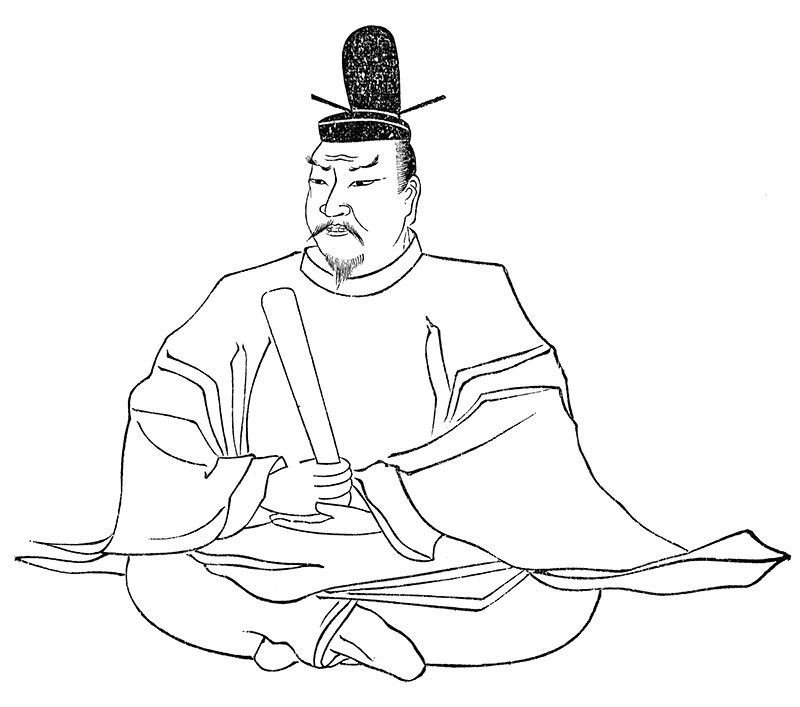
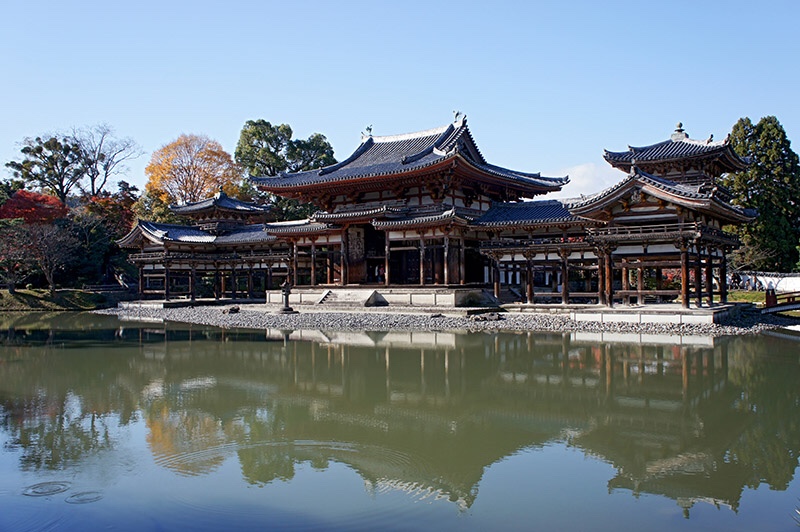
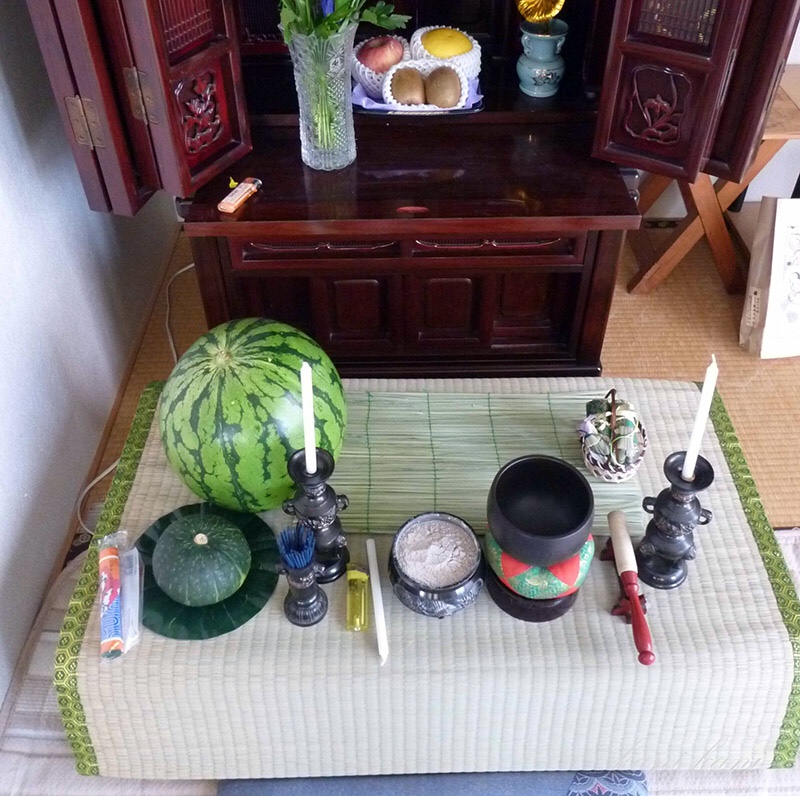
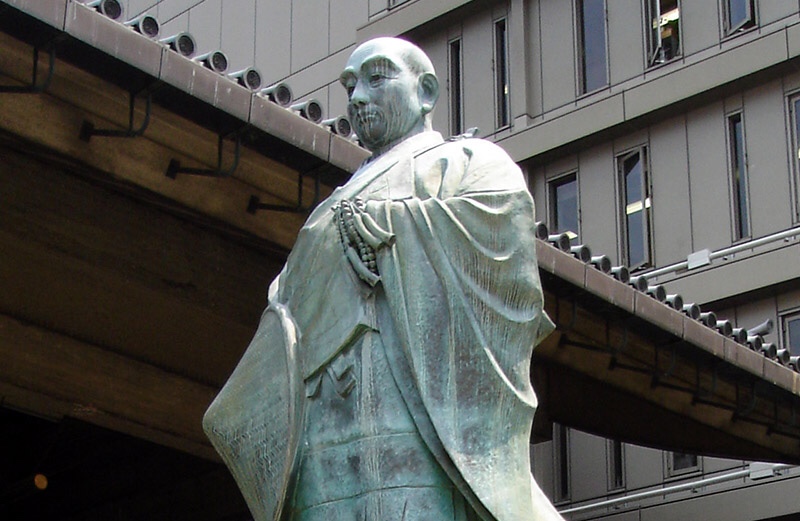

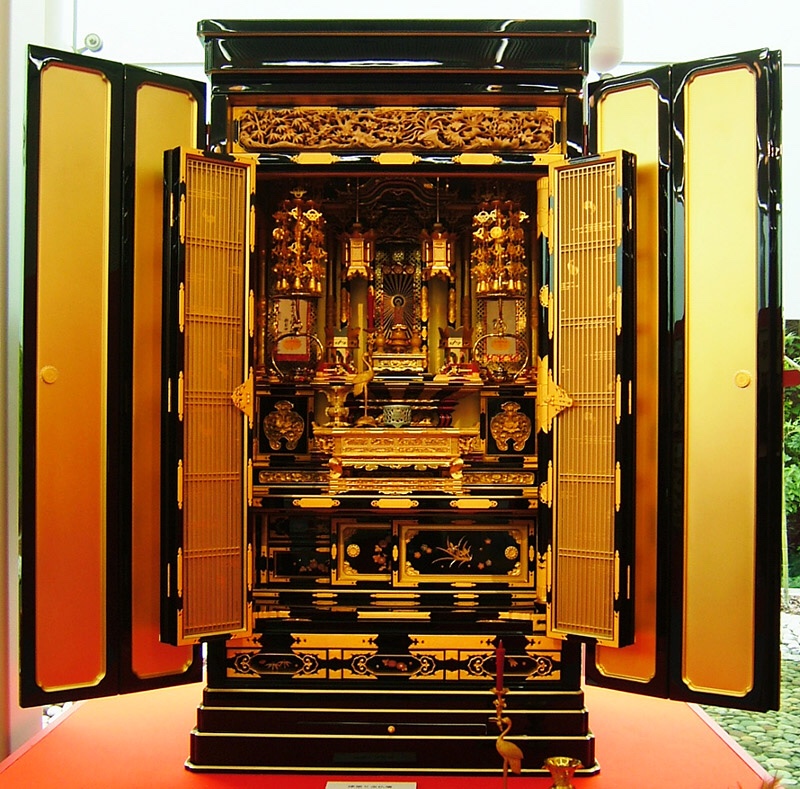


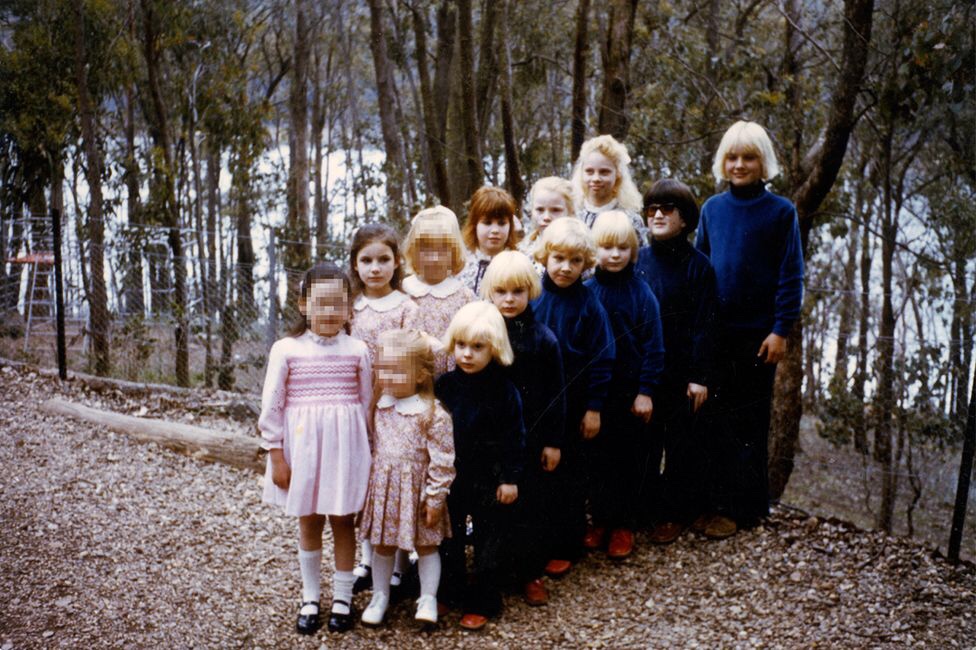
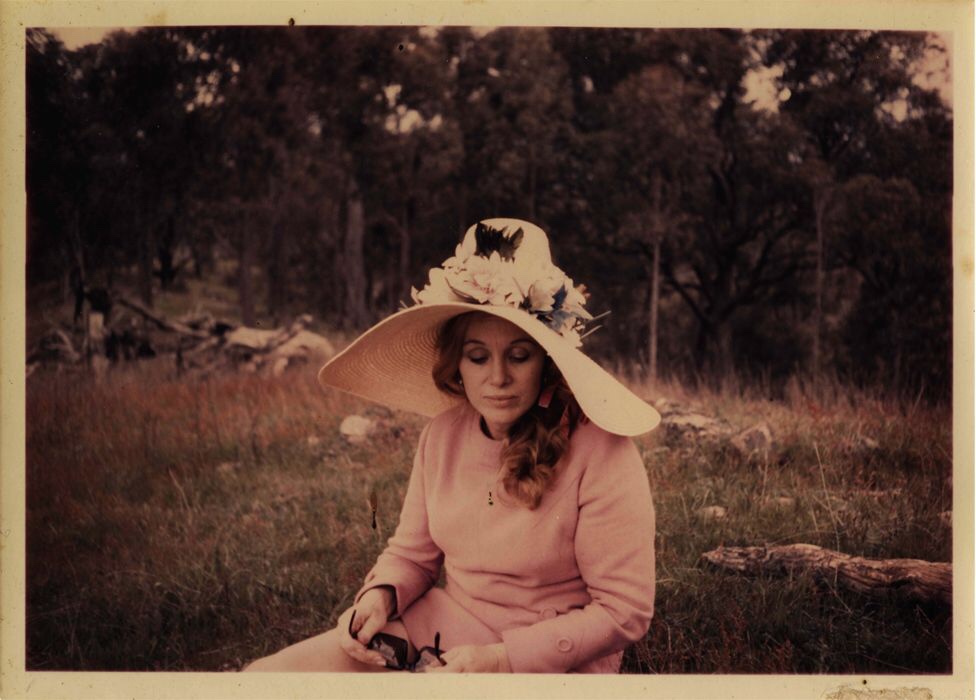



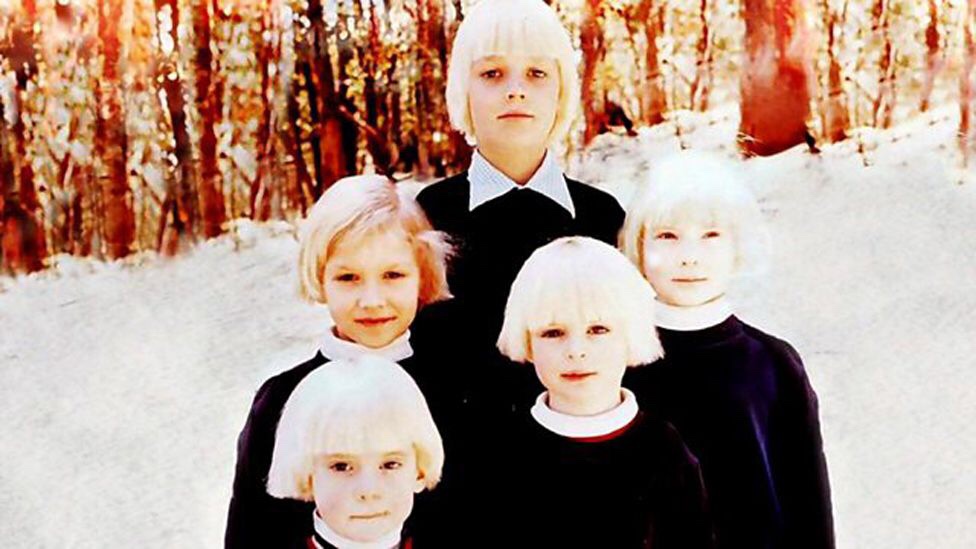
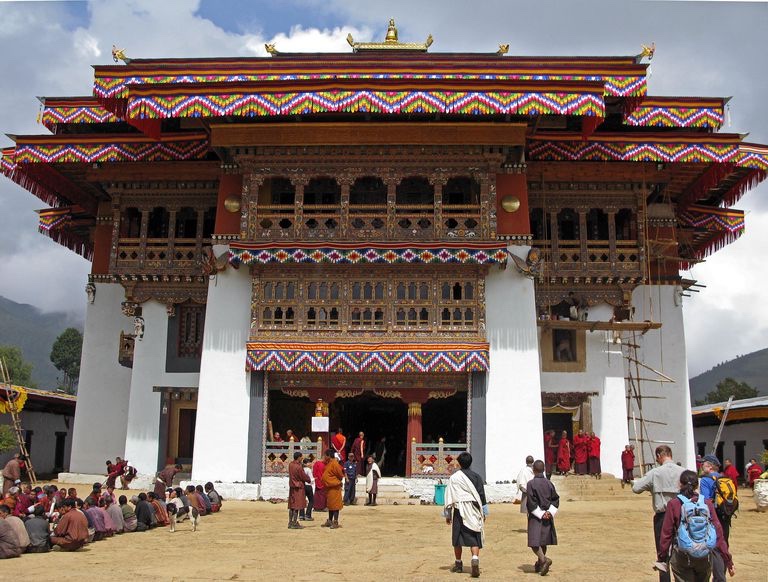
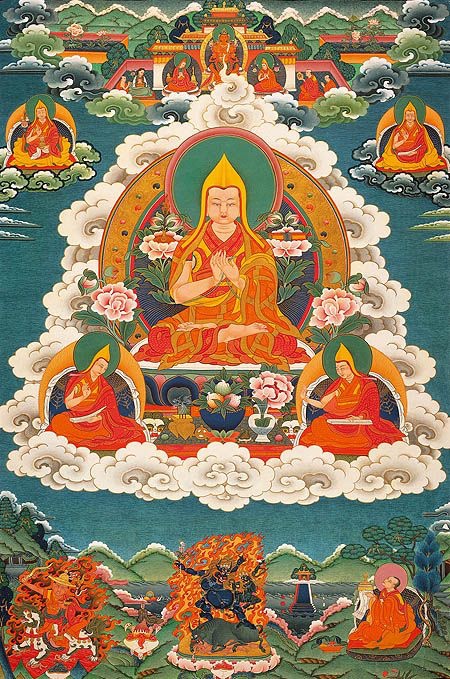
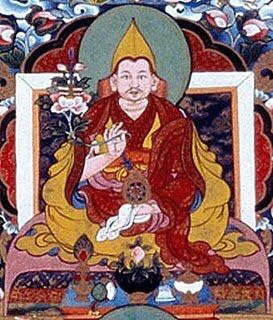

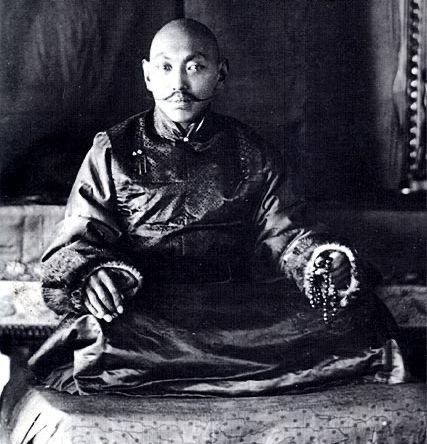
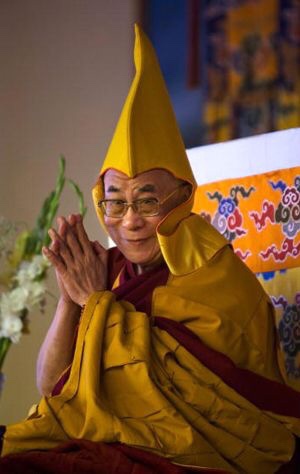



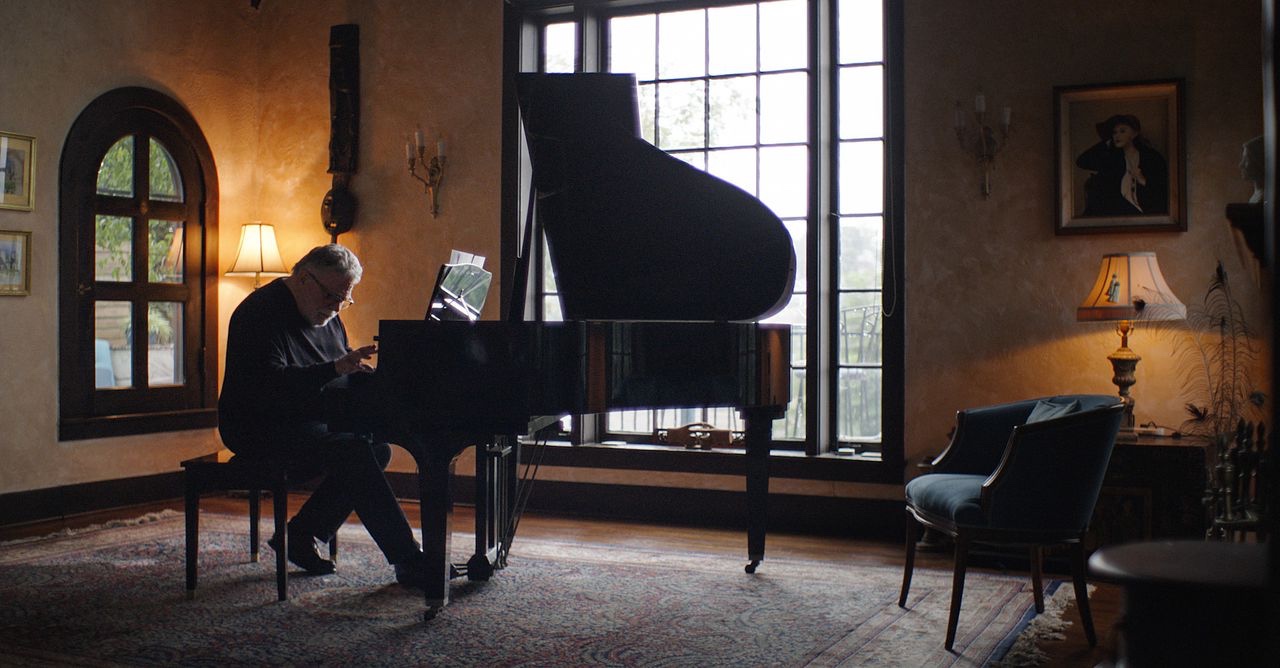

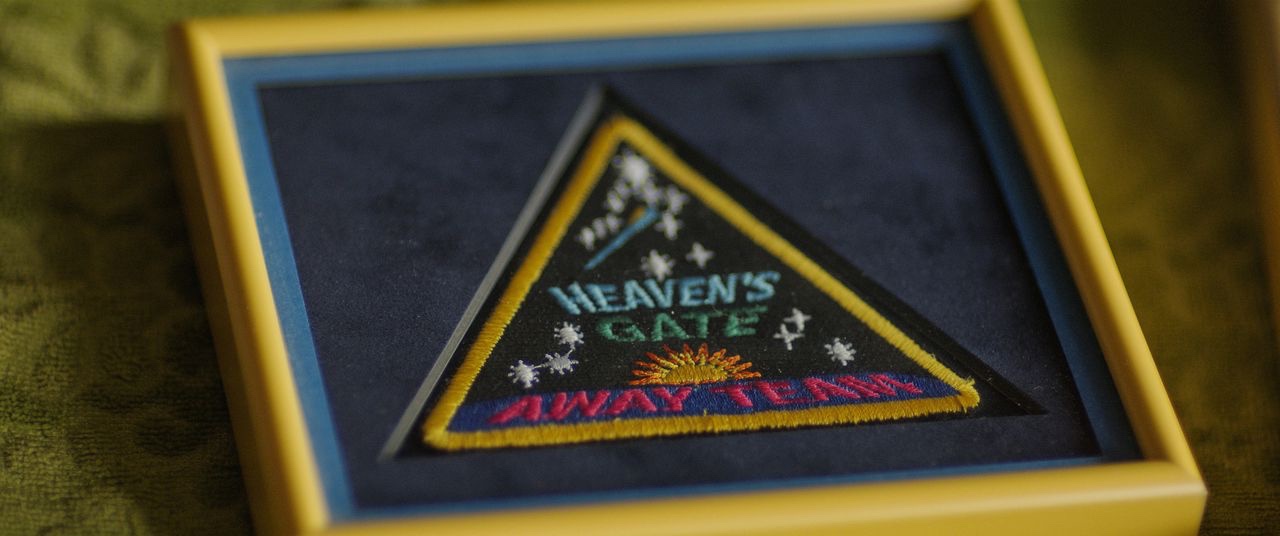



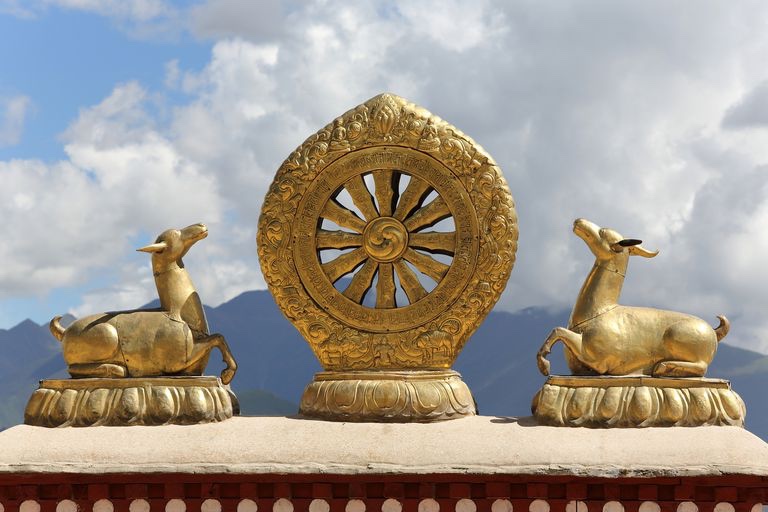

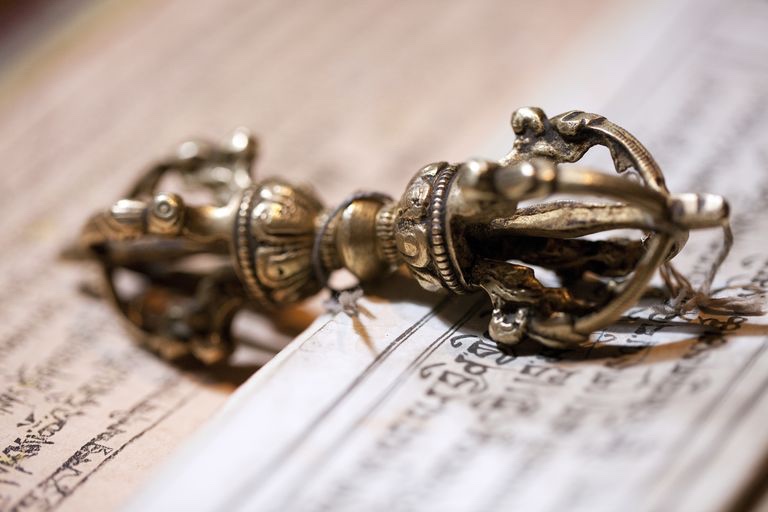
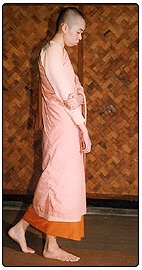

 The
The The Gelugpa’s pointed
 The
The The
The





 timalderman